Spiski Palace in Kraków: A Historic Townhouse
Site at a Glance
- Popularity
- Medium
- Country
- Poland
- Primary era
- Early Modern
- Eras represented
- Medieval, Early Modern, Modern
- Civilizations
- Austria-Hungary, Habsburg, Kingdom of Poland, Polish–Lithuanian Commonwealth
- Site type
- Domestic
- Remains
- Elite Residence
On this page11 sections
History
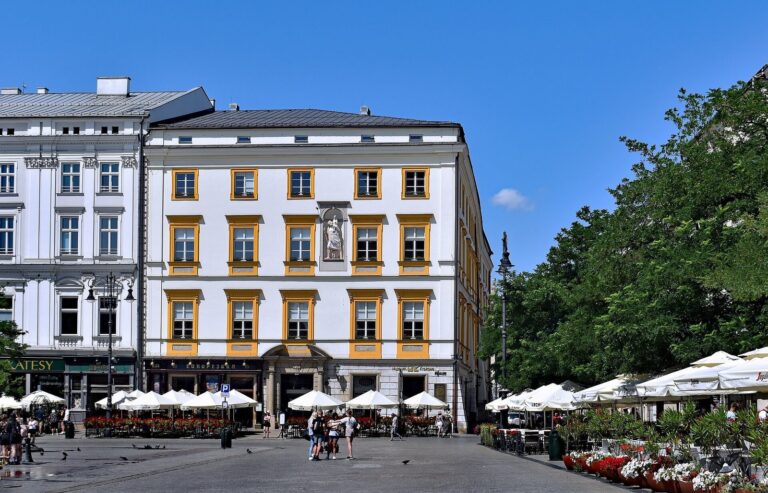
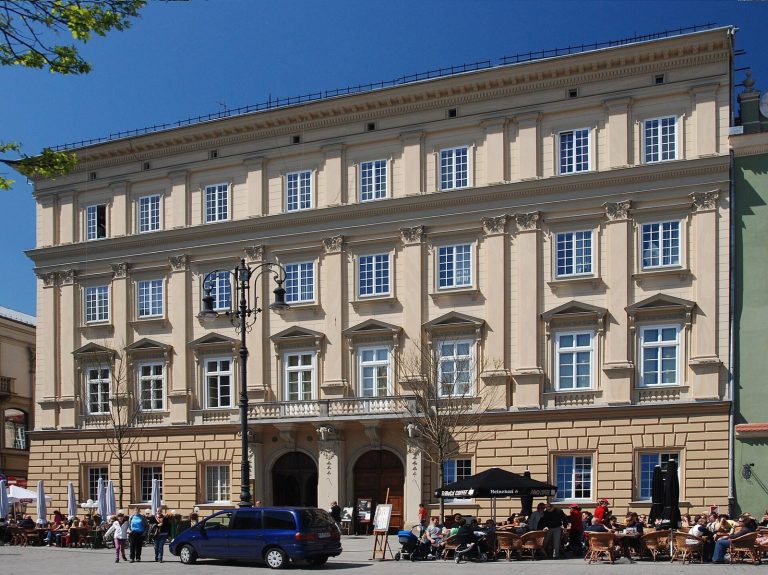
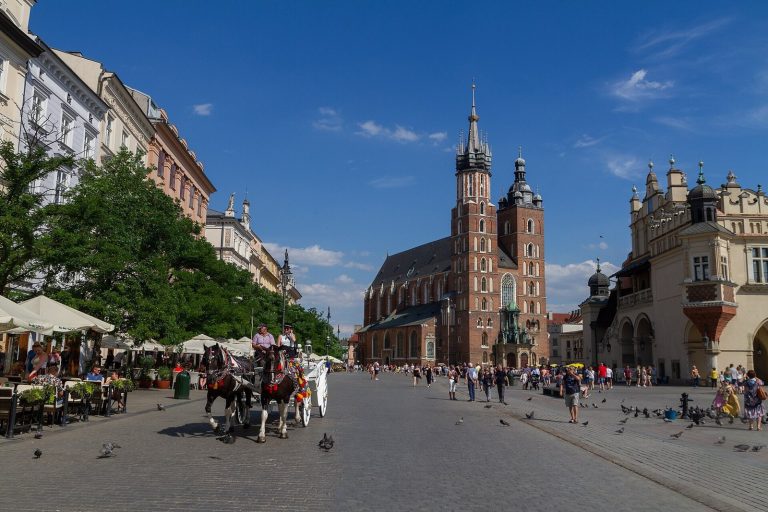
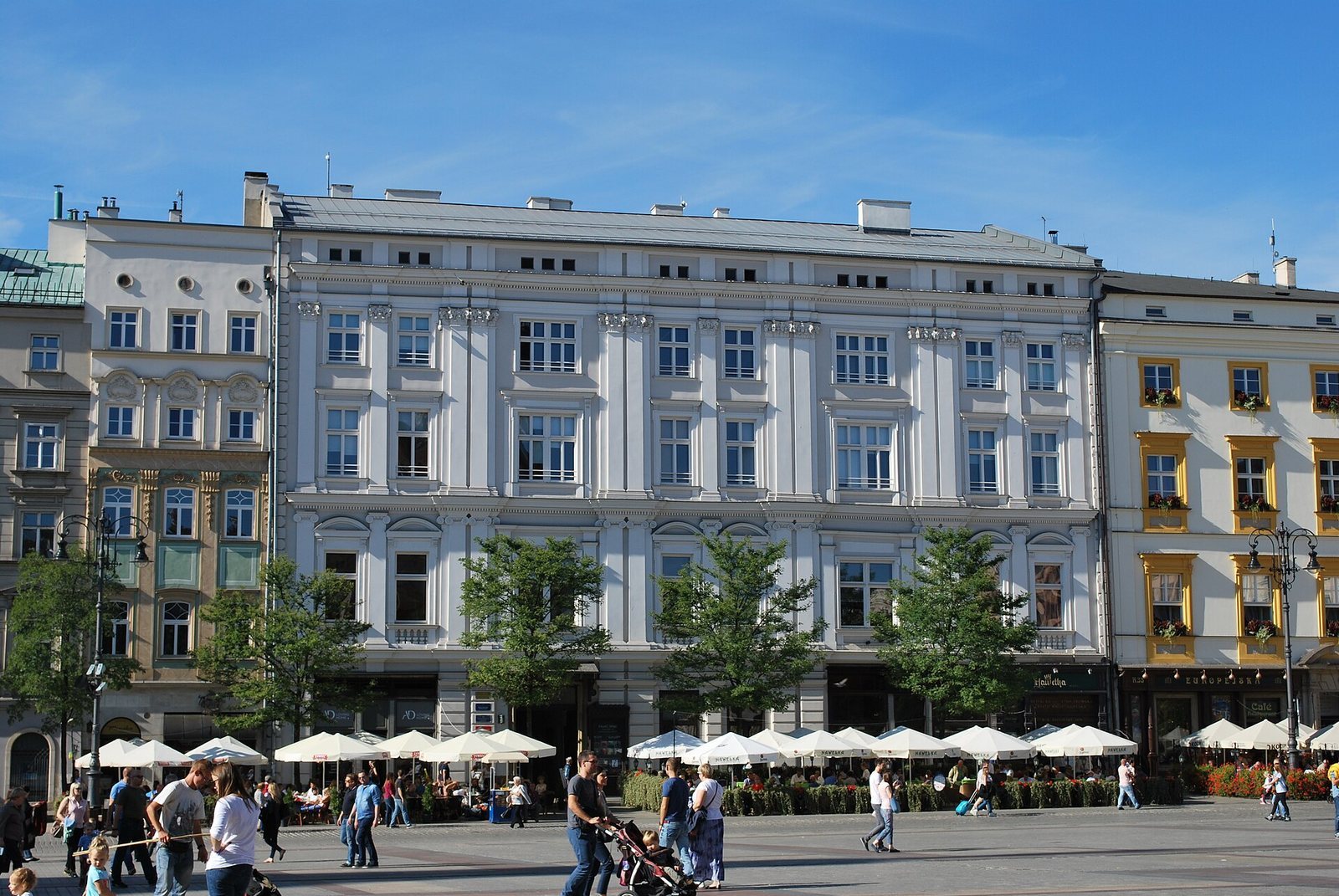
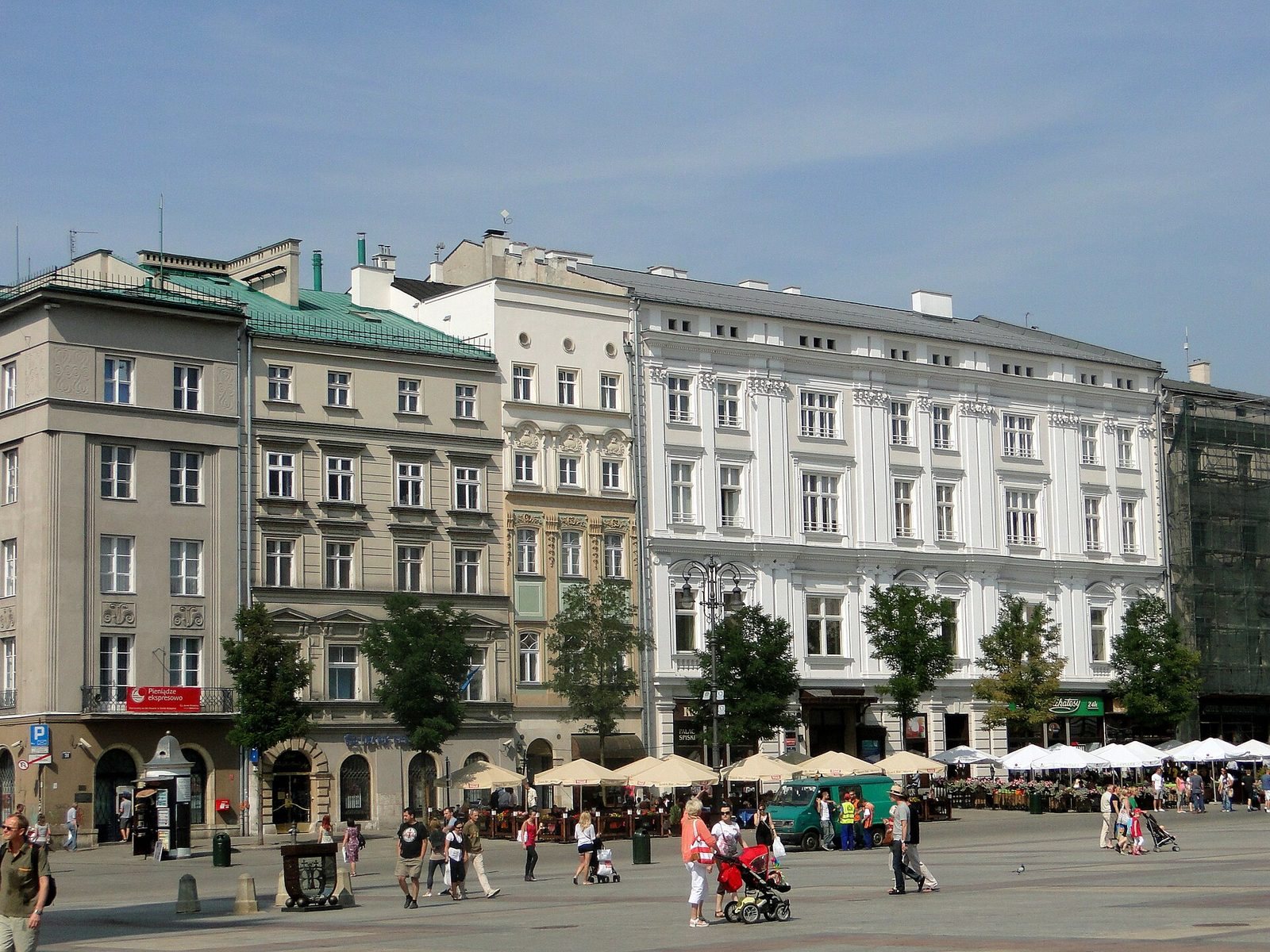
Spiski Palace is a historic townhouse on Main Market Square in Kraków, Poland, with building dates in the fifteenth century, the seventeenth and eighteenth centuries, and 1911–1920. It developed from two townhouses that were joined and remodelled over time.
Townhouses and the Baroque residence
One of the original townhouses had belonged to the Maciejowski family. The other passed from the Kraków printing family, the Schedels, to the Łodziński family, which held it until 1735. The Łodziński townhouse collapsed in 1726. The Lubomirski family had held the property from the seventeenth century, and after 1735 Teodor Konstanty Lubomirski joined the Łodziński site to the palace on its north side, shaping the combined residence in the Baroque style. The name Spiski Palace referred to the family’s hereditary title as starostas of Spiš, local administrative officials.
In 1676, King Jan III Sobieski watched fireworks from the palace after receiving the homage of Kraków’s townspeople. Sobieski was king of the Polish-Lithuanian Commonwealth.
Owners, theatre, and Austrian administration
The palace changed hands during the eighteenth century. The Massalski family owned it from 1764, and theatre organizer Jacek Kluszewski purchased it in 1799. Before the purchase, Kluszewski had arranged performances in a second-floor hall, including Kraków’s first productions in a permanent theatre.
After Austrian forces took Kraków in 1796, the palace became the residence of the governor of territories brought into the Habsburg monarchy, the Central European empire ruled by the Habsburg dynasty. The first governor, Wacław Margelik, fled on horseback after hearing that a Polish demonstration was imminent. He said the Polish Ruchawka regiment was pursuing him. On 9 August 1796, Austrian government delegate Prince Karol von Auersperg took up residence there while receiving the homage of Kraków’s citizens. Austrian administrative authorities later used the building, while elegant ground-floor shops included jeweller Modes’s premises.
Nineteenth- and twentieth-century uses
In the 1830s, Count Jan Mieroszewski owned the palace and held the Mysłowice entail, a hereditary estate governed by rules intended to preserve it through succession. He sought to rival the Potocki family’s Pod Baranami Palace. His theatrical interests and their cost contributed to his losing the property by the middle of the nineteenth century. The Lubomirski princes owned it again from 1877.
After county offices moved out, Queen Jadwiga Private Lyceum and Girls’ Gymnasium occupied the upper floors from 1902 until German occupation authorities expelled the school in 1939. The palace entered the register of historic monuments on 4 April 1933. Before the First World War, Antoni Hawełka’s colonial-goods shop and breakfast establishment moved there from Krzysztofory, another historic palace in Kraków.
Trade unions took over the whole building as their headquarters in 1945. A state-owned Dom Książki general bookstore later occupied the ground floor. After the political changes of 1989, the shop became more open to customers, and it eventually closed.
Remains
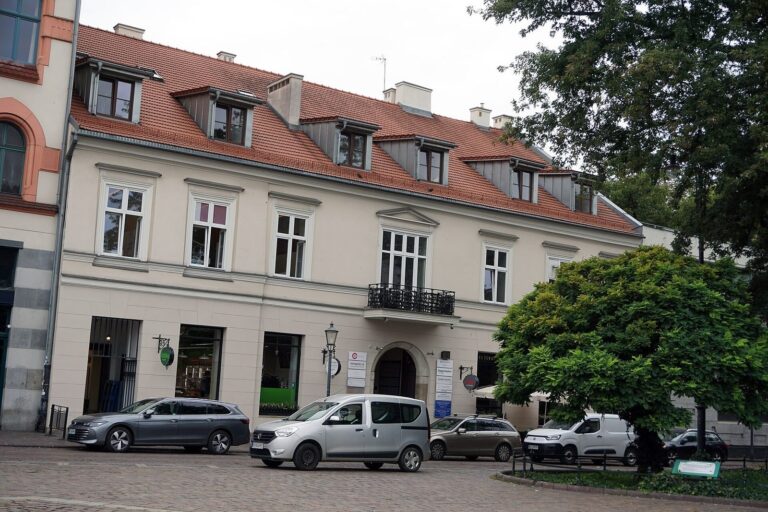
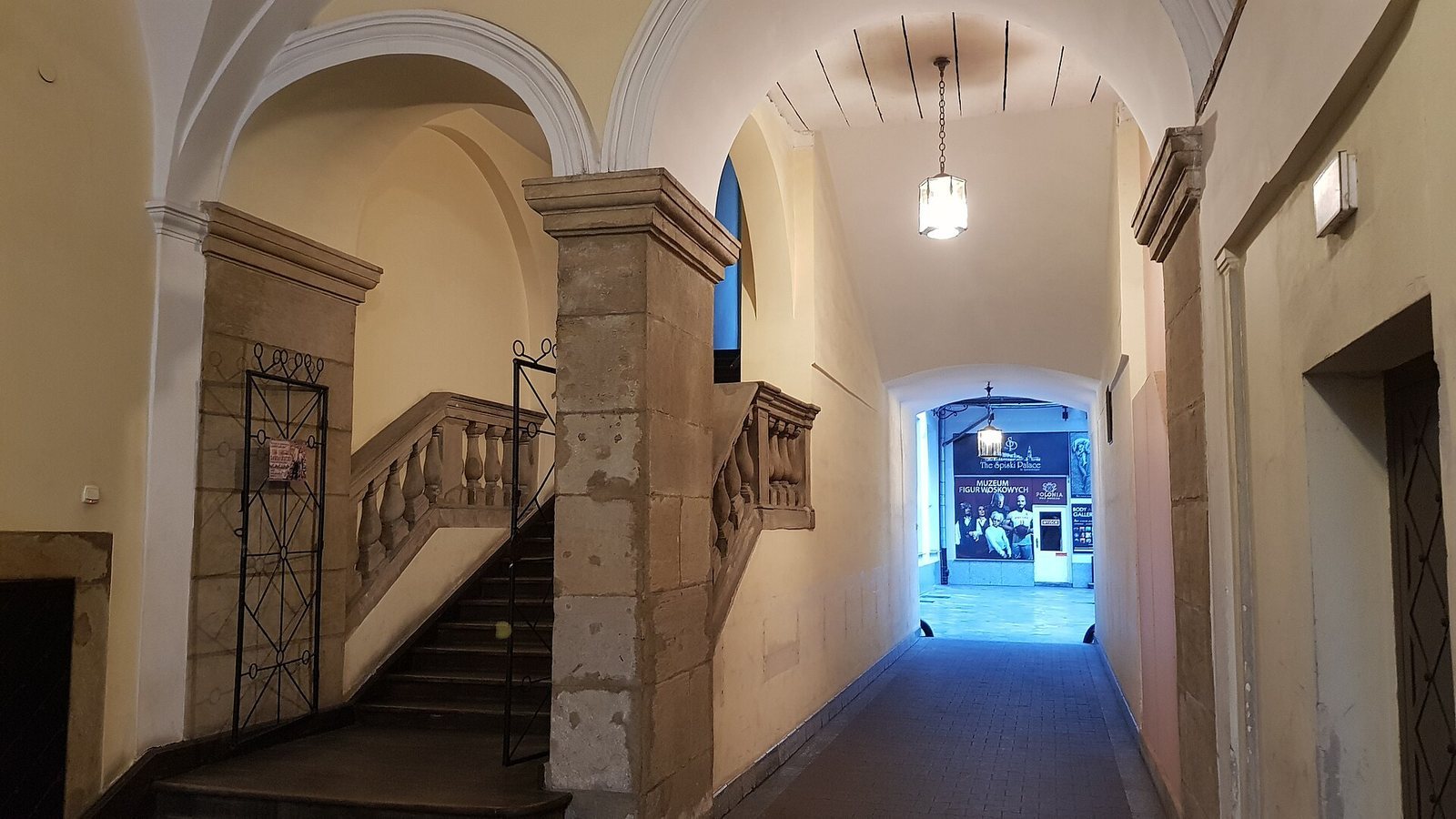
The palace stands as a townhouse at Main Market Square 34. Its fabric brings together two former townhouses and reflects the unified Baroque residence created through their remodelling. Later changes altered its frontage and roof, and repeated alterations reduced much of its former representative character.
Exterior alterations
Before 1808, the Baroque façade was changed: balconies and decorative framed panels were removed, and the window openings were altered as a low third-floor level was converted into a full storey. After 1847, the roof was replaced with a gabled form.
Interior and associated works
Renaissance tomb monument
A red-marble Renaissance tomb monument intended for Sebastian Lubomirski, who died in 1613, was found in the palace in 1828. The Potocki family later moved it to a chapel in a church at Krzeszowice.
Tetmajer Room
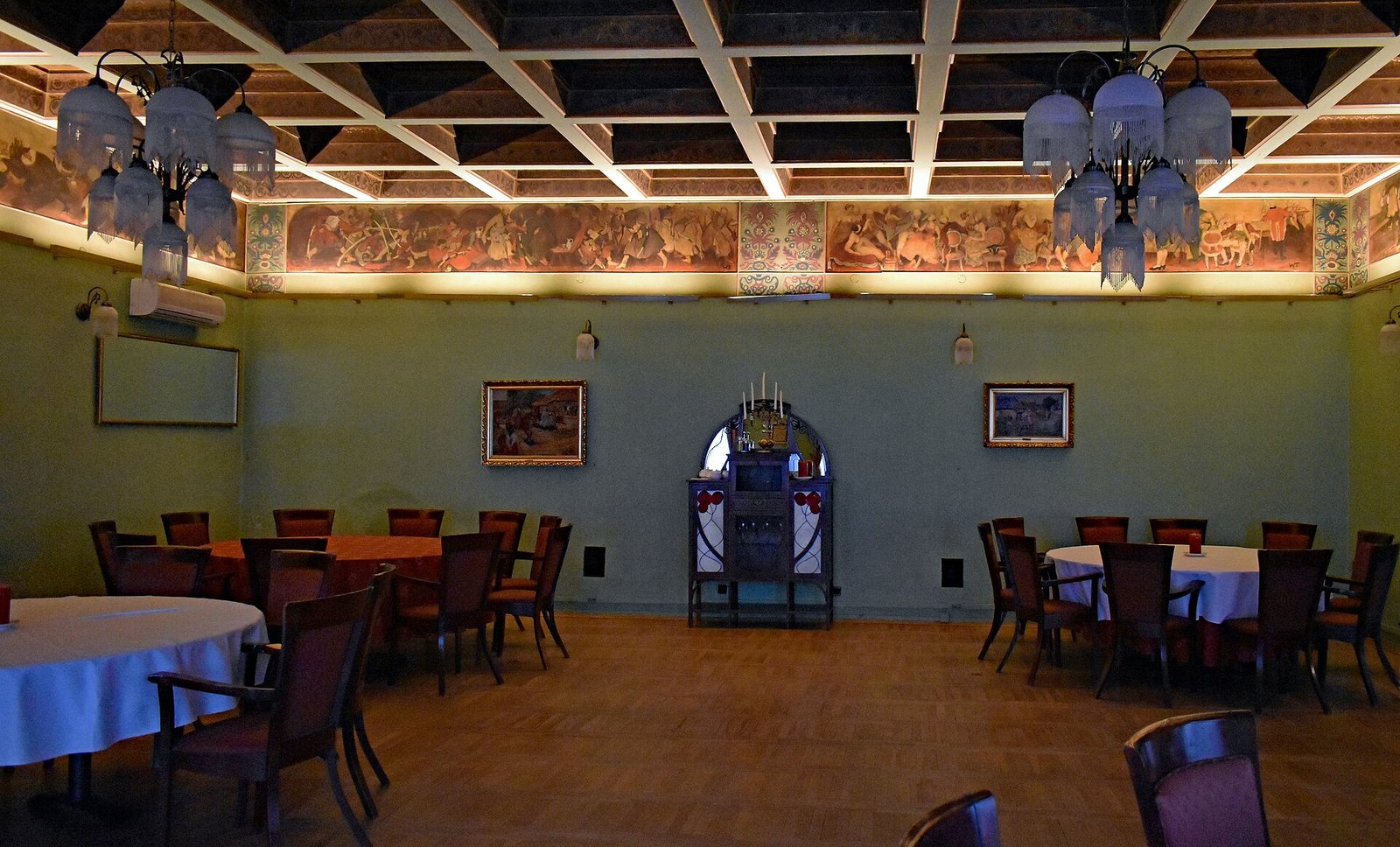
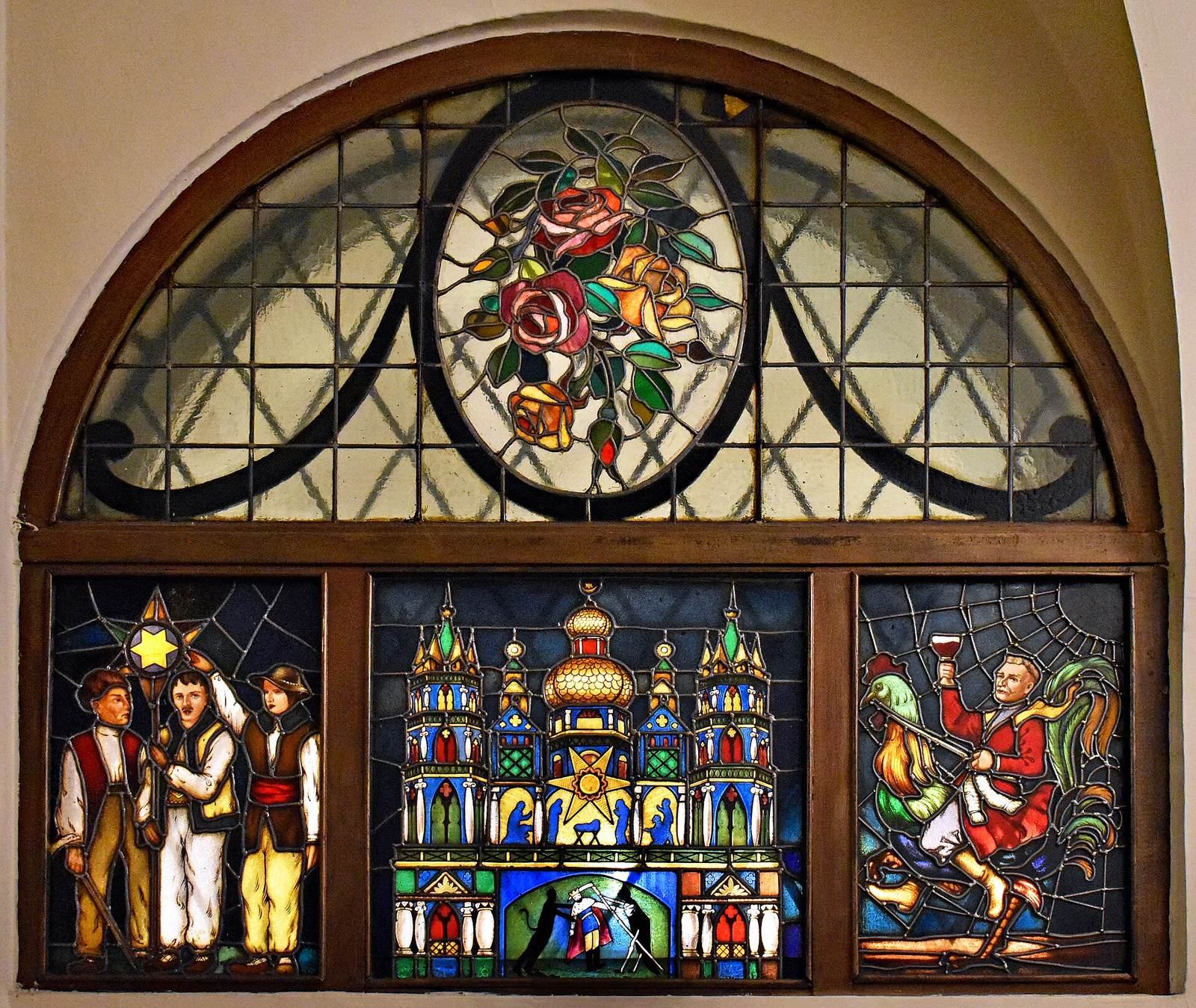
The first-floor Tetmajer Room, now part of the restaurant premises, preserves its pre-First World War interior. Polish artist Włodzimierz Tetmajer decorated it with a frieze depicting Master Twardowski, a legendary sorcerer in Polish folklore.
Mieroszewski’s collections
During Mieroszewski’s ownership, the palace held paintings from Prince Jakub Sobieski’s gallery and the collection of Kraków Bishop Jan Paweł Woronicz. Its contents also included antique furniture, old weapons, and Egyptian and Etruscan antiquities.
Stachowicz’s painting
A painting by Polish artist Michał Stachowicz depicts Auersperg’s ceremonial procession through Main Market Square and shows the palace as it appeared at that time.