White Palace: The Former Monastery Church at Brest Fortress
Site at a Glance
- Popularity
- Medium
- Country
- Belarus
- Primary era
- Early Modern
- Eras represented
- Early Modern
- Civilizations
- Polish–Lithuanian Commonwealth
- Site type
- Religious
- Remains
- Church
On this page5 sections
History
The White Palace is the ruin of the former church of a Basilian monastery at Brest Fortress in Brest, Belarus. Its history began in the 17th century, and a stone replacement in the Vilnius Baroque style, a regional form associated with Lithuania and the former Grand Duchy of Lithuania, was begun in 1770. The building later served as an officers’ casino and a defensive strongpoint, and became the setting for the signing of the Treaty of Brest-Litovsk.
The monastery church
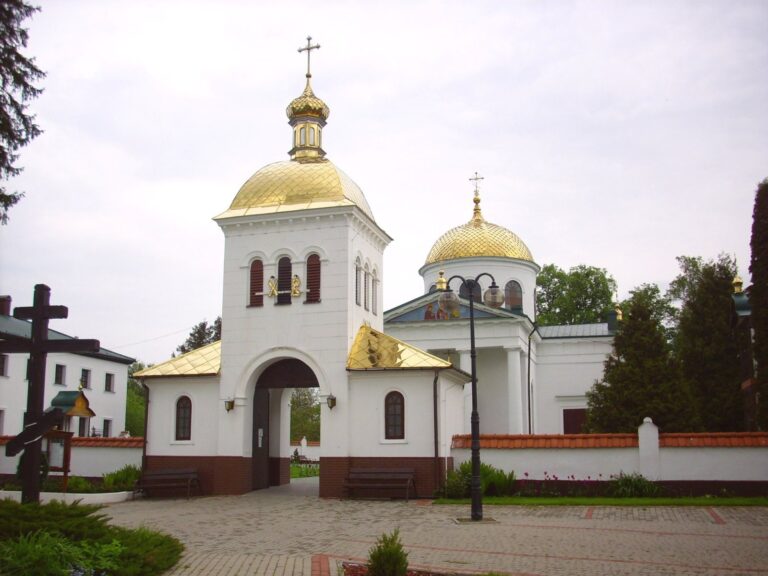
Construction of the monastery’s first building began in 1629. Its wooden church, dedicated to the Apostles Peter and Paul, was completed in 1631. The Basilians were Eastern Christian monastic communities following a rule based on the teachings of Saint Basil the Great. Work on a stone church began on the wooden church’s site in 1770.
Fortress and treaty
When Brest Fortress was built, the church was among the few buildings in old Brest that remained standing. In the 1840s, it was rebuilt as an officers’ casino. During the First World War, negotiations at the fortress between Soviet Russia and the Central Powers, a coalition that included Germany, Austria-Hungary, the Ottoman Empire, and Bulgaria, concluded with the signing of the Treaty of Brest-Litovsk there on March 3, 1918. The treaty ended Soviet Russia’s participation in the war. The name “White Palace” came into use around this time.
Wartime damage and later changes
On September 2, 1939, a German airstrike damaged the building during the Polish Army’s defense of Brest Fortress. Its heaviest damage came in June and July 1941, when it served as one of the fortress’s defensive strongpoints during the Soviet defense against advancing German forces.
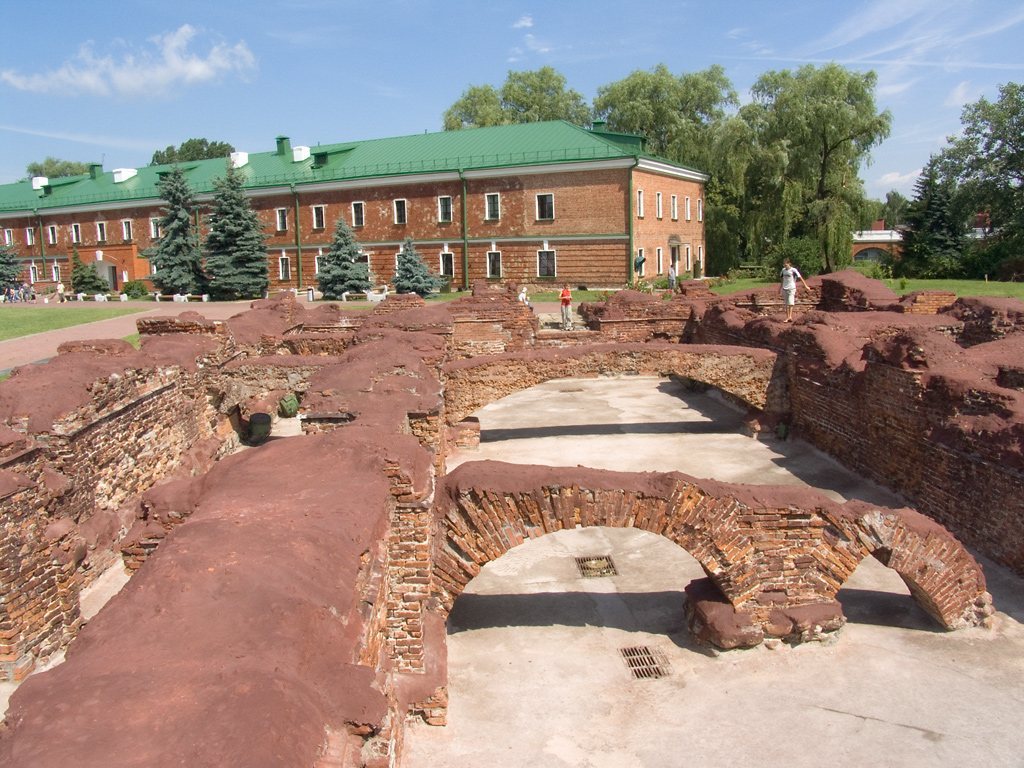
The building was dismantled for its bricks in the early 1950s. During construction of the museum complex from 1968 to 1972, part of the foundations facing Ceremonial Square was removed, and the surviving section was conserved.
Remains
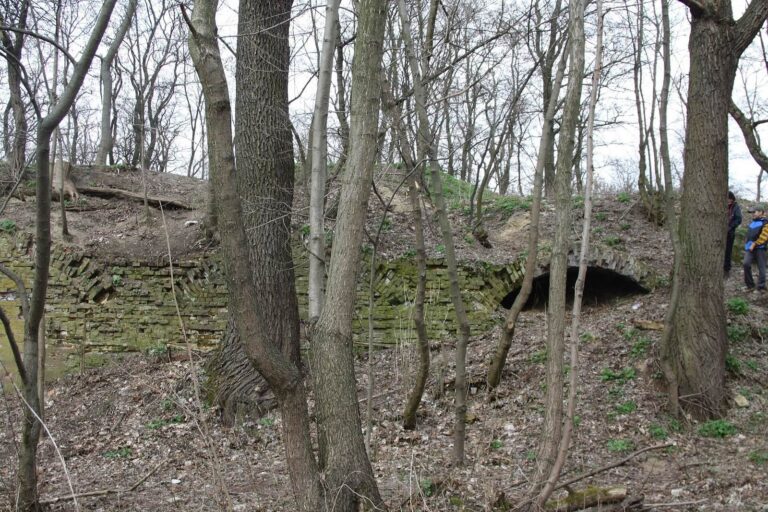
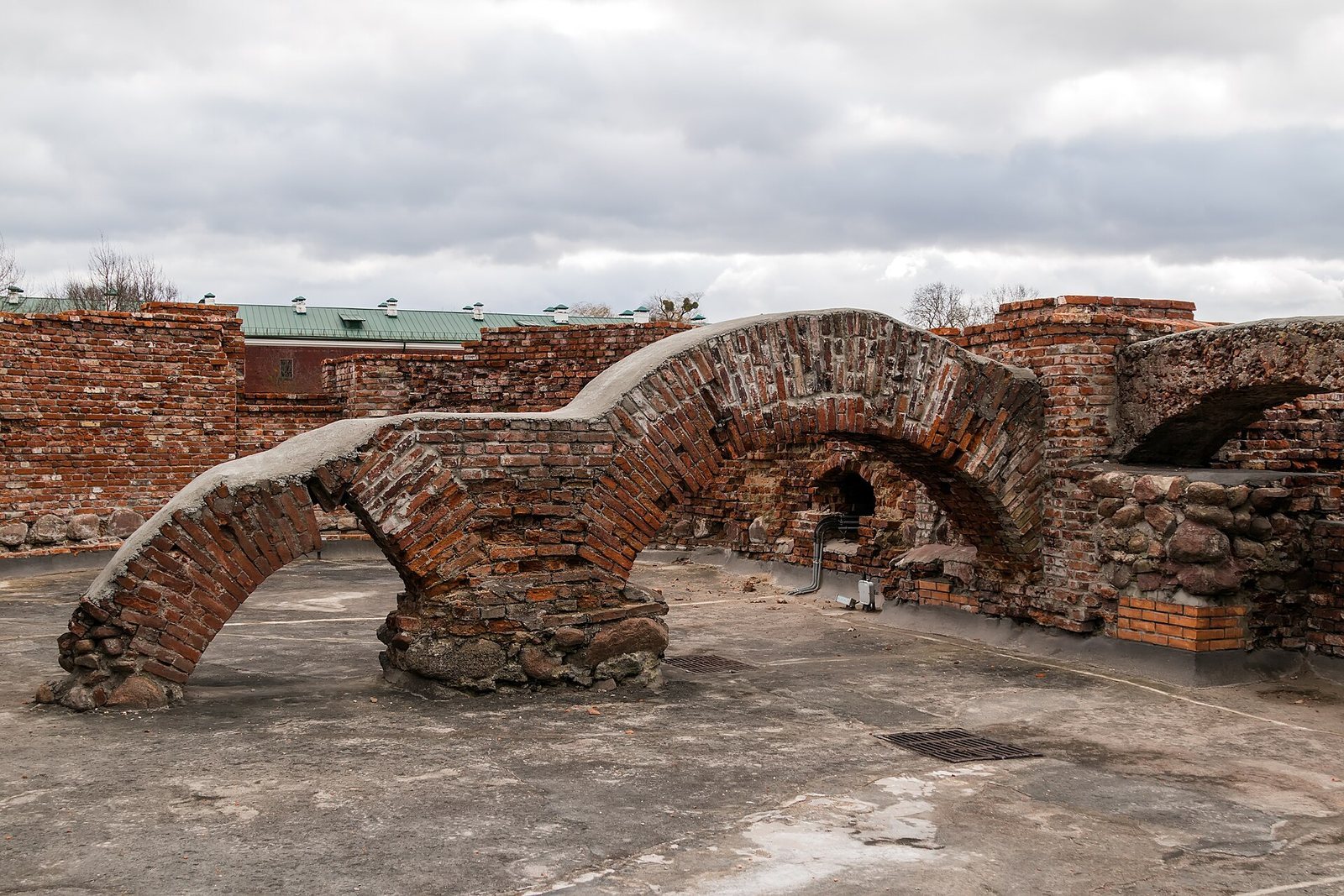
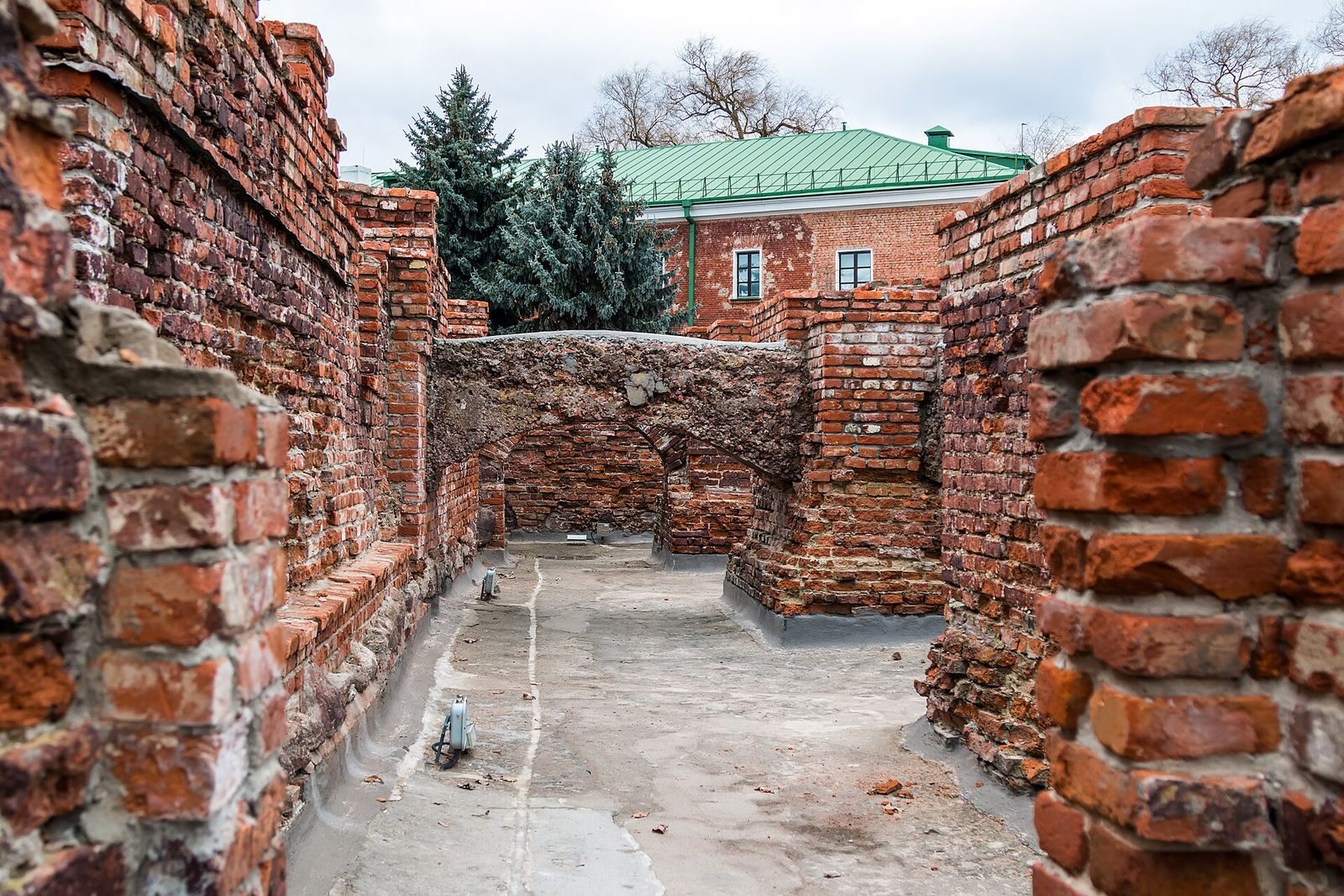
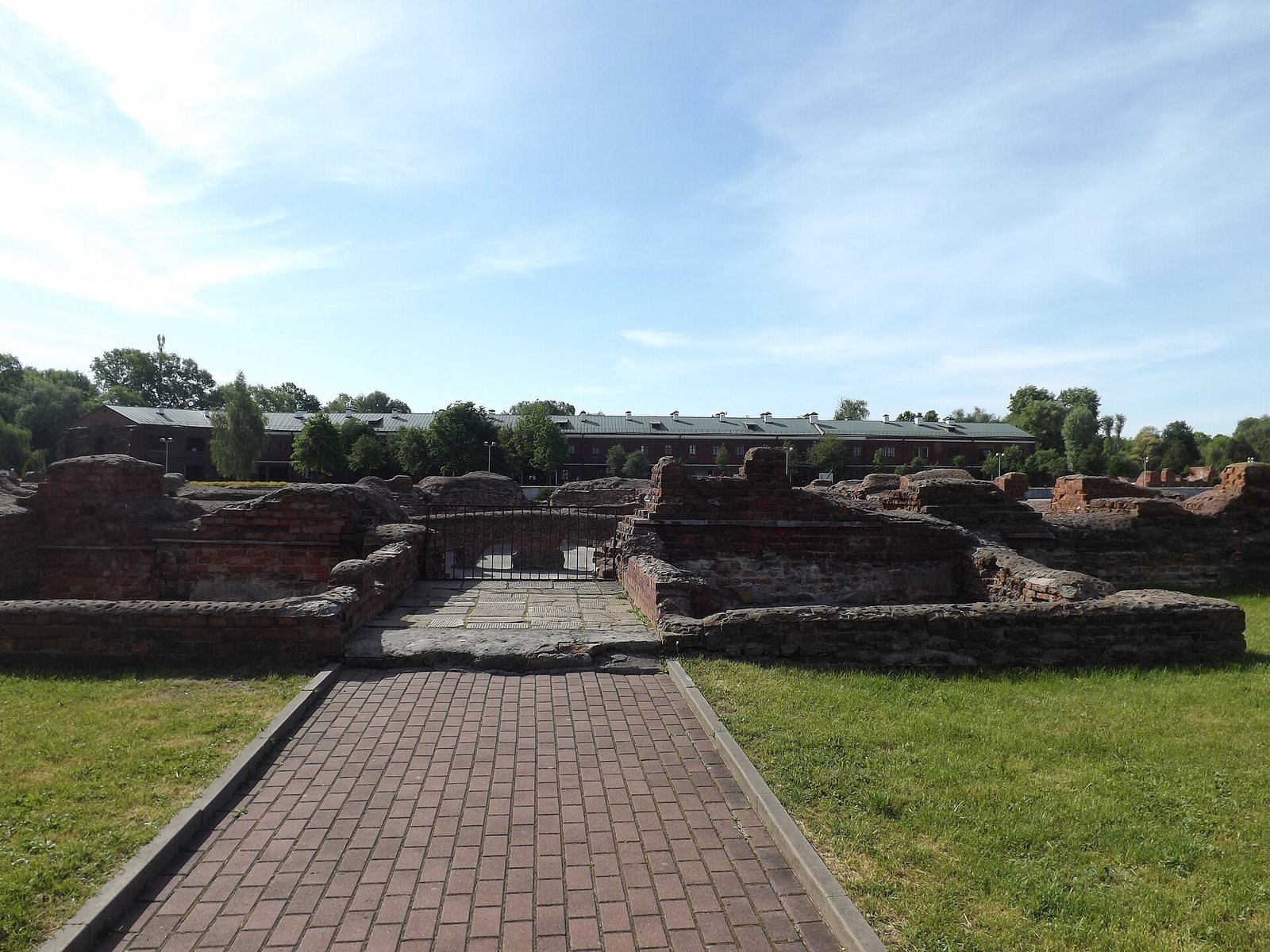
The remains lie opposite the entrance to the Brest Fortress Defense Museum. Foundations and sections of the church’s exterior walls survive. The stone church’s towers were never completed, and the surviving foundations preserve part of its footprint.