Castle Grant: Seat and Stronghold of Clan Grant
Site at a Glance
- Popularity
- High
- Country
- United Kingdom
- Primary era
- Medieval
- Eras represented
- Medieval
- Civilizations
- Kingdom of Scotland
- Site type
- Military
- Remains
- Castle
On this page8 sections
History
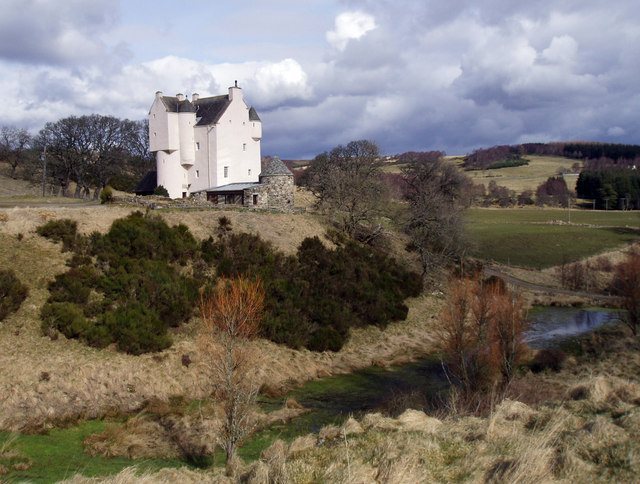
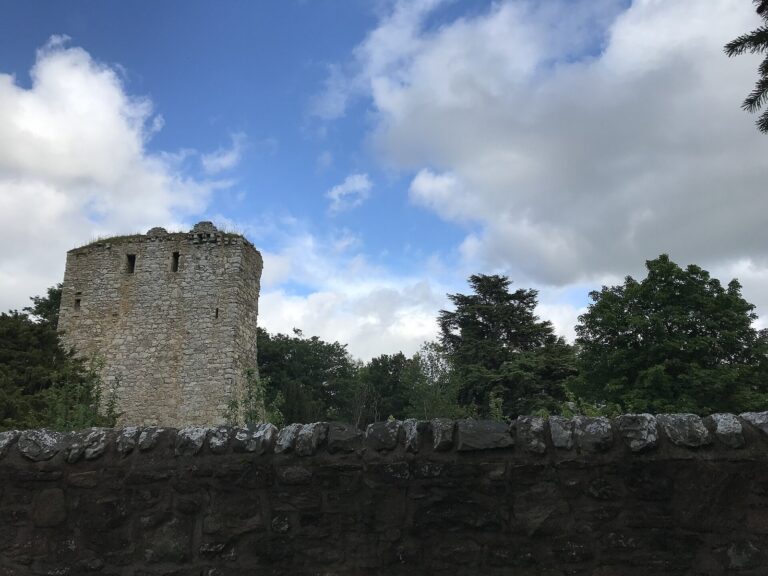
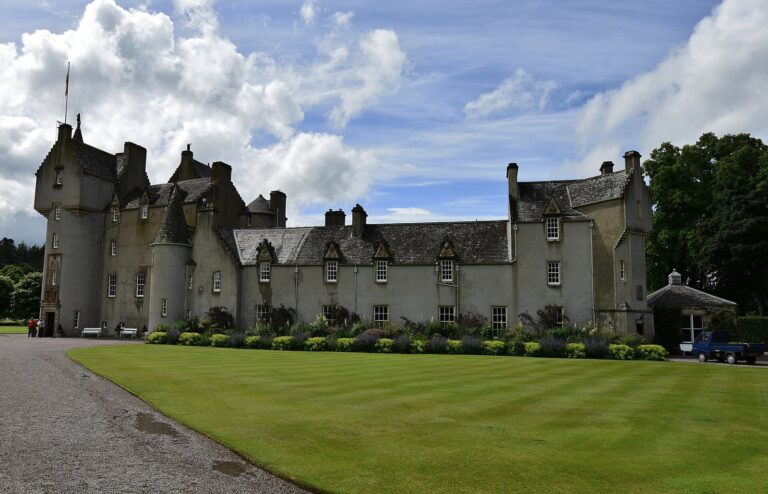
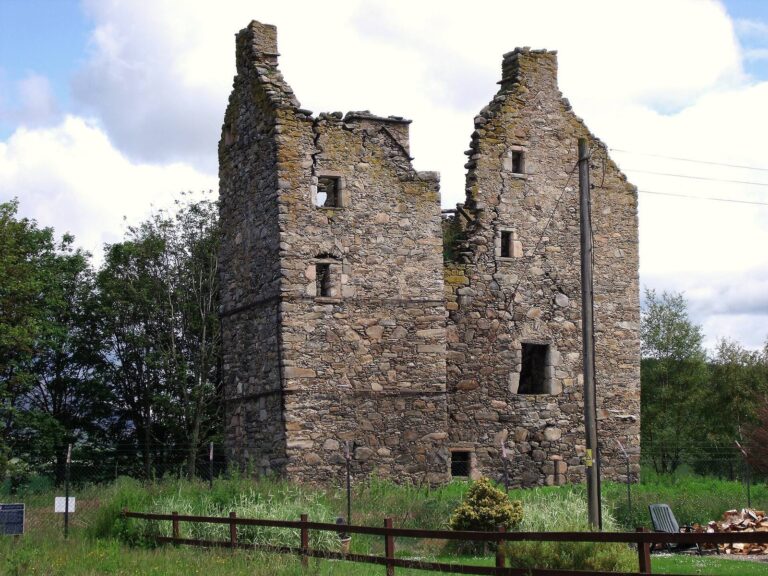
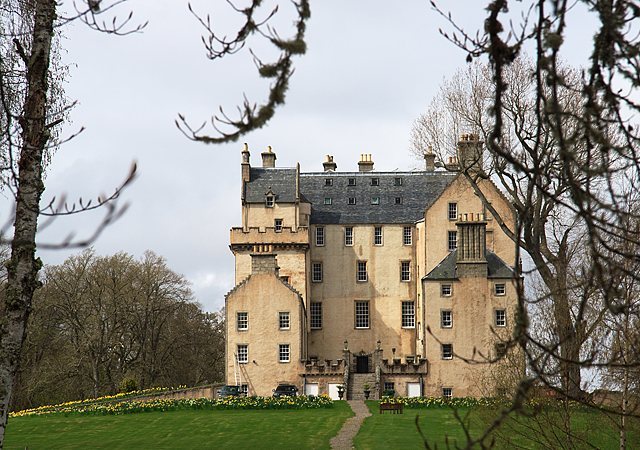
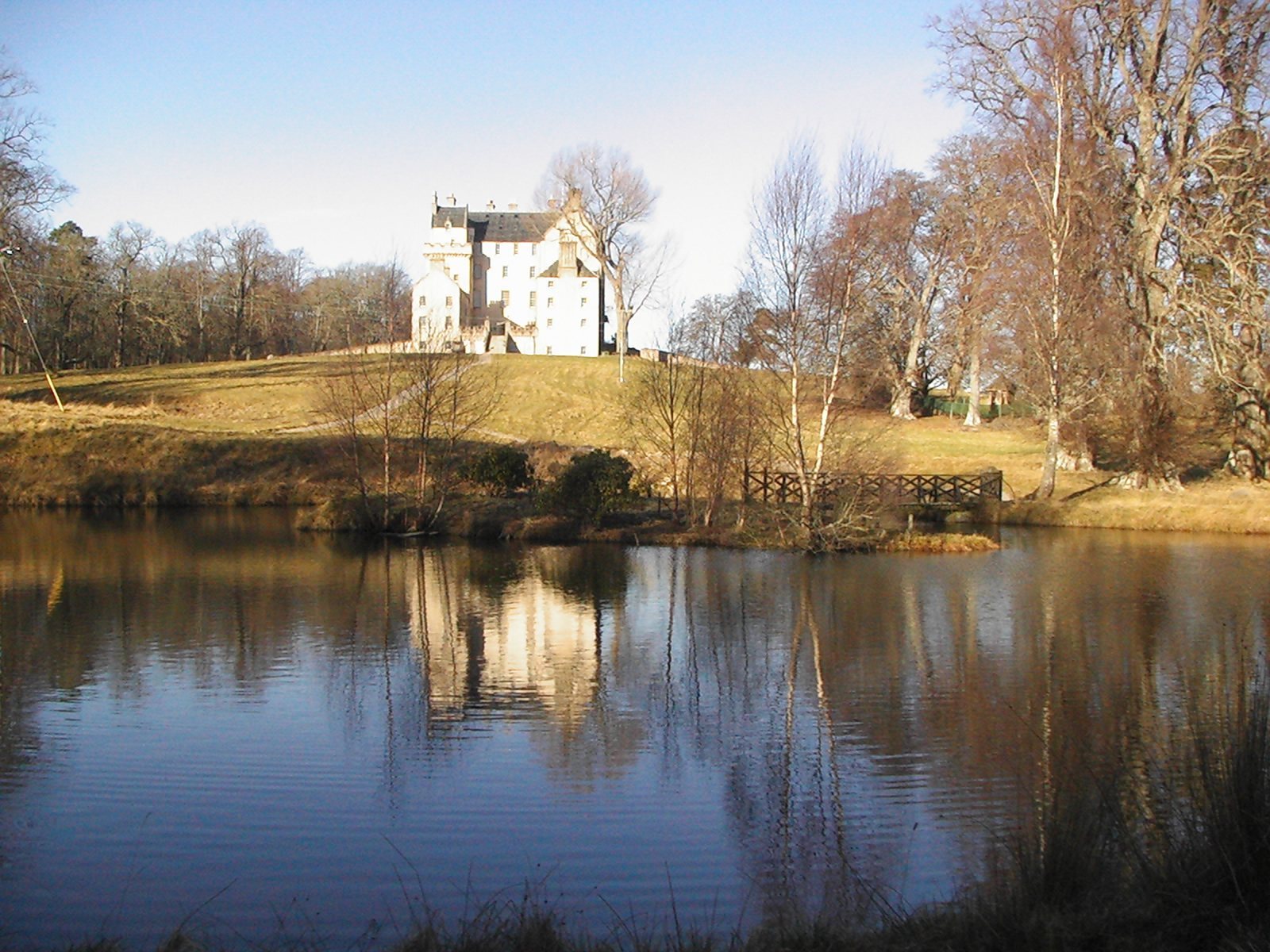
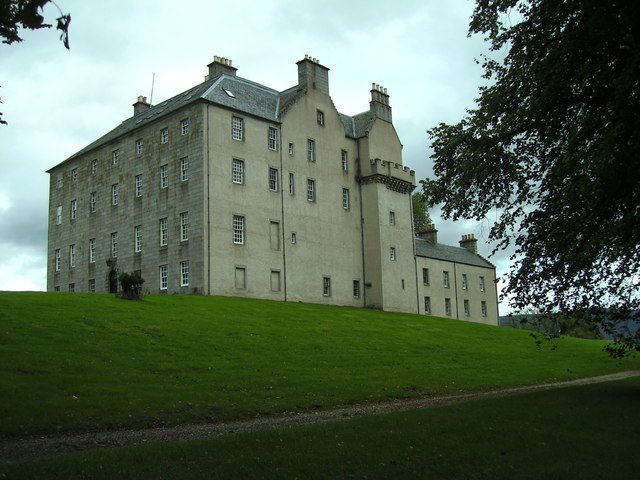
Castle Grant is a fifteenth-century Z-plan tower house, with projecting sections arranged in a Z shape, about one mile north of Grantown-on-Spey in Scotland, United Kingdom. It served as the seat of the chiefs of Clan Grant of Strathspey.
Clan Grant stronghold
The lands had belonged to Clan Comyn before passing to the Grants in the fifteenth century, when the castle became the family’s principal stronghold. It was first called Freuchie Castle, a name from a Gaelic word for a place with abundant heather. James Grant of Freuchie, a chief of Clan Grant, supported James V, King of Scots from 1513 to 1542. John Grant, the sixth laird, or Scottish landed proprietor, improved the castle.
Civil war and Jacobite era
Although Protestant, the Grants joined James Graham, 1st Marquess of Montrose, a Scottish nobleman and military commander, during the Scottish Civil War of the 1640s. In 1694, when the lands became the regality of Grant, the castle took the name Castle Grant. A regality was a Scottish territorial jurisdiction whose holder had certain judicial powers.
Ludovick Grant, the eighth laird, supported the Hanoverians, the dynasty that succeeded the Stuarts. He fought against the Jacobites, who sought to restore the Stuart claim to the British throne, during the risings of 1715 and 1745. Jacobite forces occupied Castle Grant.
Later history and restoration
The Scottish poet Robert Burns visited in 1787, and the castle was restored in 1912. The Army requisitioned it during the Second World War. It then stood unoccupied for four decades, and a fire in August 1982 caused further damage.
The Grant family sold the building to a development company in 1983 after the Clan Grant Society’s attempt to buy it failed. The property became derelict, and was abandoned again when the developers ran out of money. Graham Keeler bought it in 1994, and restoration work followed during the 1990s. Businessman Craig Whyte acquired it in 2006, but the Bank of Scotland seized it after he failed to make mortgage payments. It was sold in September 2014 to Sergey Fedotov, formerly chief executive of the Russian Author Society. The owners who bought it in 2022 are restoring it as their family home.
Castle Grant has been a Category A listed building since 1971, and its grounds entered Scotland’s Inventory of Gardens and Designed Landscapes in 2003. A local haunting tradition concerns Lady Barbara Grant, daughter of a sixteenth-century laird. The story says she died of a broken heart after being imprisoned in a dark dungeon for loving the wrong man. Her apparition is described as small and sorrowful rather than frightening.
Remains
Building and decoration
Tower-house plan
The castle’s tower-house plan has projecting sections that form a Z-shaped arrangement. This layout identifies its fifteenth-century architectural form.
Historic ornament
Its historic decoration included carved stone heraldic beasts and animals made by Ralph Rawlinson. The long gallery and the heads of the dormer windows were painted and gilded by John Anderson of Aberdeen.