Otepää Castle: A Medieval Fortress in Estonia
Site at a Glance
- Popularity
- Medium
- Country
- Estonia
- Primary era
- Medieval
- Eras represented
- Medieval
- Civilizations
- Crusader, Holy Roman Empire
- Site type
- Military
- Remains
- Castle
On this page11 sections
History
Ugandi stronghold and regional center
Otepää Castle, a fortress on Otepää Hill in Estonia, grew out of a permanent settlement established in the middle of the first millennium. It began as a stronghold of the Ugandi Estonians, whose territory, Ugandi, was an ancient Estonian political region. By the end of the Viking Age, one broad period in the fortress’s early development, Otepää had become a prominent settled center. Its importance grew further during the overlapping Late Iron Age, when a settlement and trading post developed around the fortress and its defenses were strengthened. Otepää became Ugandi’s capital, where ruling nobles drew wealth and authority from long-distance trade, military traditions and control of surrounding territory. Their power may have extended across much of eastern Estonia. The fortress remained in use for nearly a millennium, and its name was adopted by the town and parish.
Otepää was a major center in southern Estonia and one of the region’s strongest fortresses. It stood on an important west-east trade route and figured in conflicts involving Estonians, Russians and the Latgalians, a Baltic people associated with the eastern Baltic region. During the early-13th-century Estonian struggle for freedom, the resistance to Crusader conquest, Otepää became a principal center of opposition and a target of Crusader and Russian campaigns. In 1217, Estonians won a major victory over the Crusaders at the fortress.
Crusader conquest and episcopal rule
The Estonian stronghold was burned in 1208 and again in 1210, then rebuilt in 1216. During the final phase of the struggle for freedom, it began to take the form of a contemporary stone fortress, largely following local building traditions. After the Teutonic Order, a Catholic military order active in the Baltic crusades, conquered the region and the Bishopric of Dorpat was established, Bishop Hermann I built a castle at Otepää in 1224. The Bishopric of Dorpat, also known as the Bishopric of Tartu, was a medieval church principality centered on Tartu. The new walls had been raised by autumn 1225, and construction continued under Bishop Alexander.
Following Christianization, the castle became a military and political stronghold for the Crusaders in southern Estonia. It first served as the principal residence of the Bishopric of Dorpat and briefly became the seat of the Bishop of Estonia and a center of papal authority in the region. In the 13th century, the occupation of Wierland was conducted from Otepää.
Decline and archaeological study
As part of the Bishopric of Tartu, the castle gradually lost ground to Tartu, a Hanseatic city connected to a medieval network of trading towns. Conflicts among landholders and the spread of firearms also reduced its importance. A large part of the fortress was destroyed by fire during the first quarter of the 15th century and was not rebuilt. By the 17th century, it had become a ruin.
Archaeologists have investigated Otepää since the 19th century, with Estonian researchers Osvald Saadre and Ain Mäesalu among its leading scholars. The excavations were the most extensive medieval-castle investigations in Estonia and yielded the country’s largest number of finds. Their discoveries have greatly expanded knowledge of Estonia’s prehistory, medieval period and military history.
Remains
Hilltop layout and construction
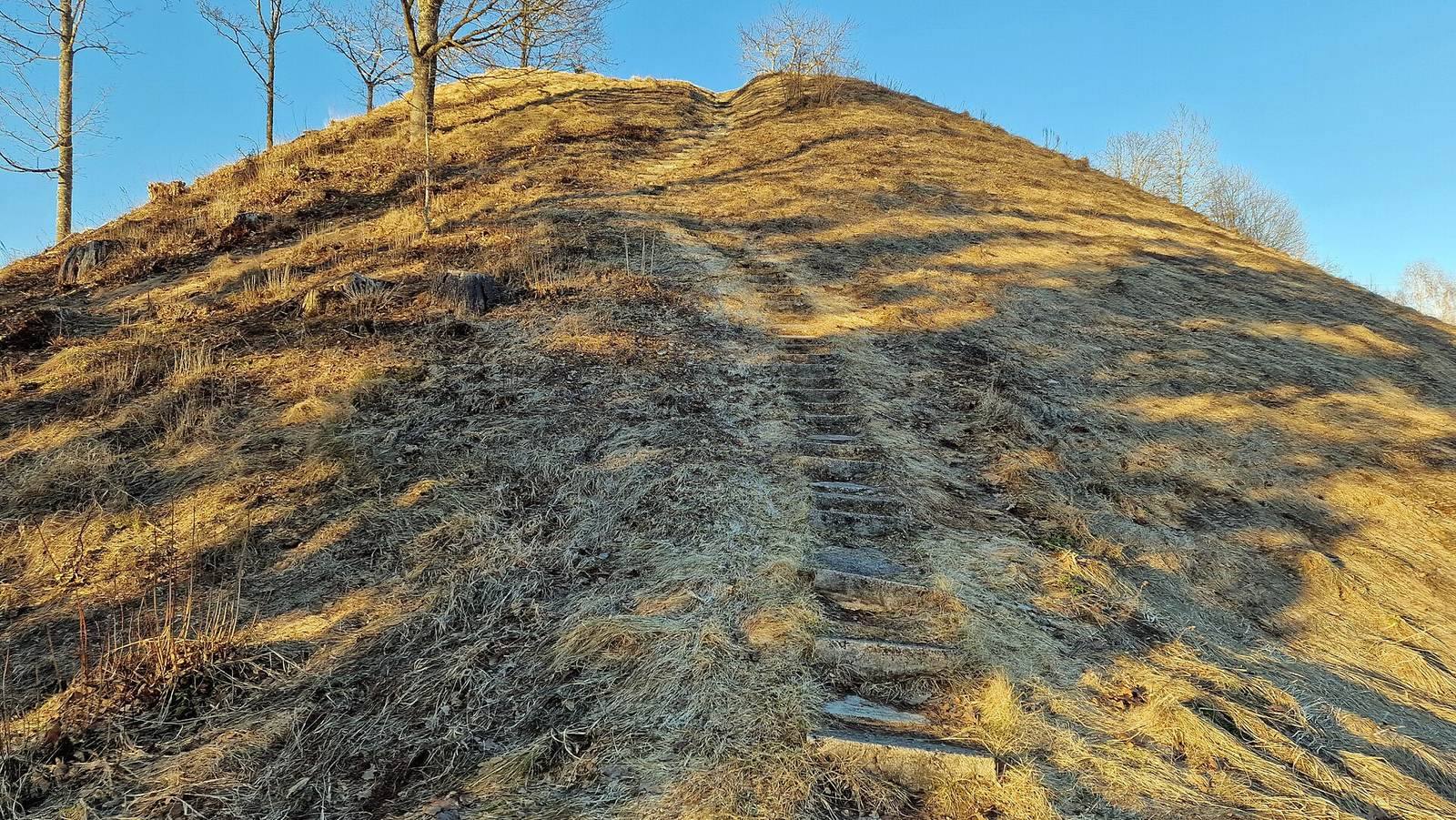
The fortress occupied the highest hillfort in the region, where steep slopes provided natural defenses. Its main fortified settlement, and later the principal castle, stood on the highest plateau, about 40 metres above the surrounding land. A second plateau, about 20 metres lower, formed a fortified suburb. The castle’s later stone form followed local building traditions, combining built defenses with the hill’s natural protection.
Surviving structures and finds
Outer wall and square building
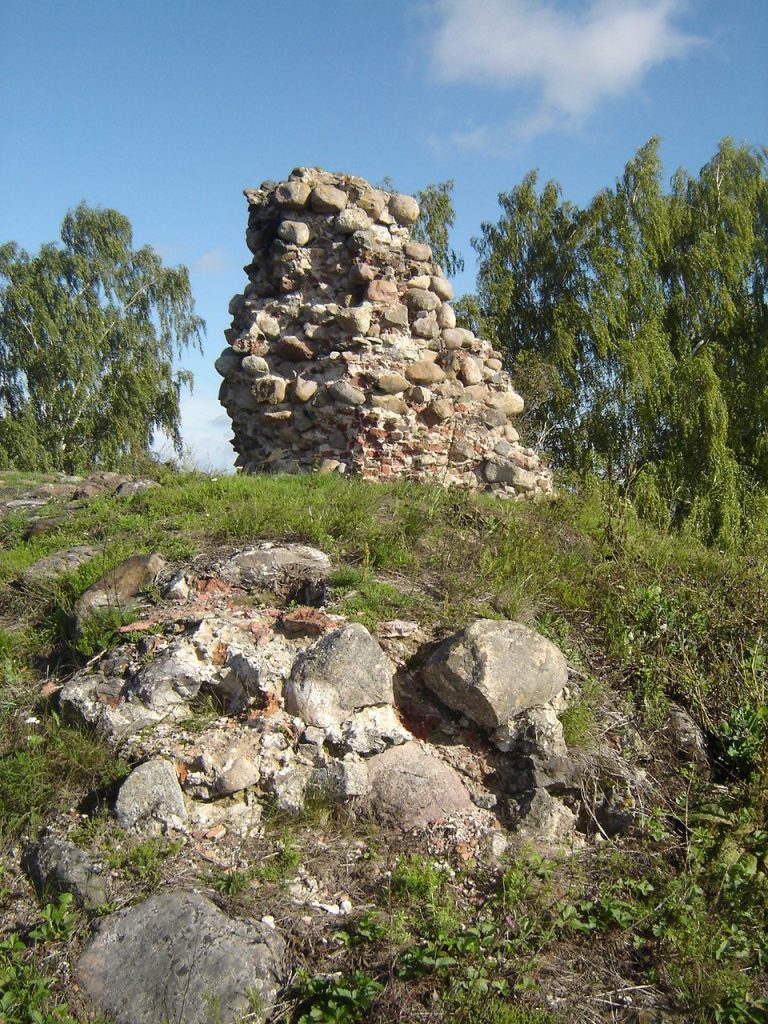
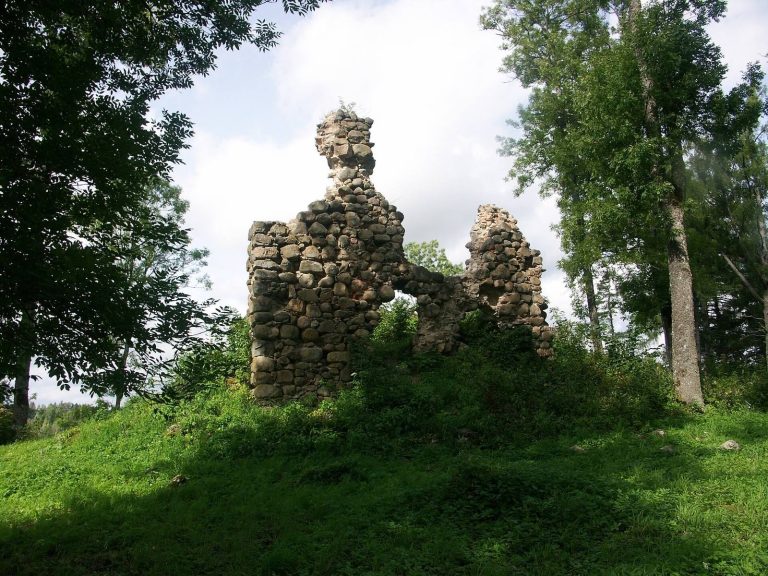
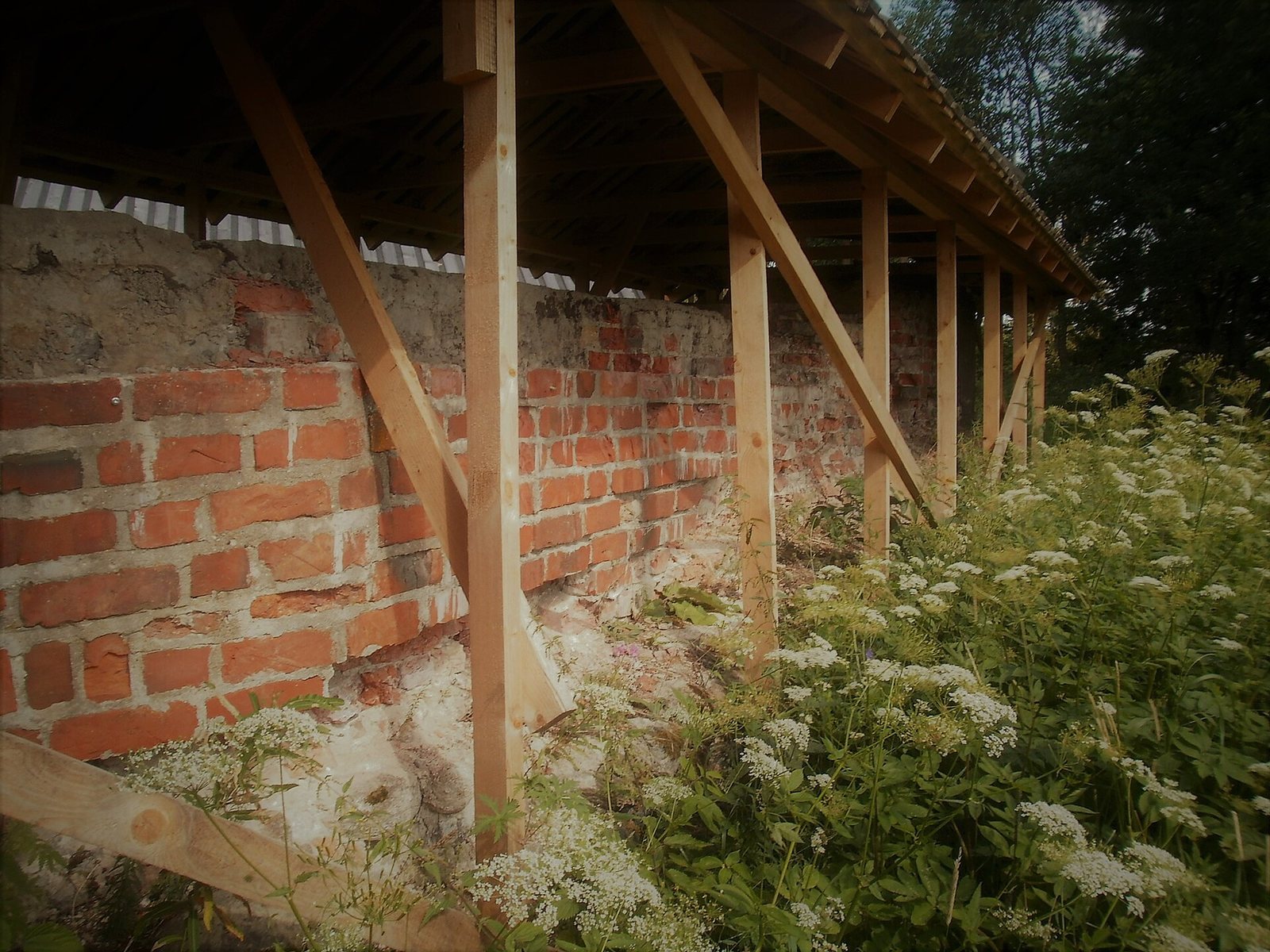
The outer wall followed the outline of the hill. On raised ground inside the enclosure are traces of a square building, which may have been a tower-centered castle, a fortified structure organized around a tower.
Stone castle walls
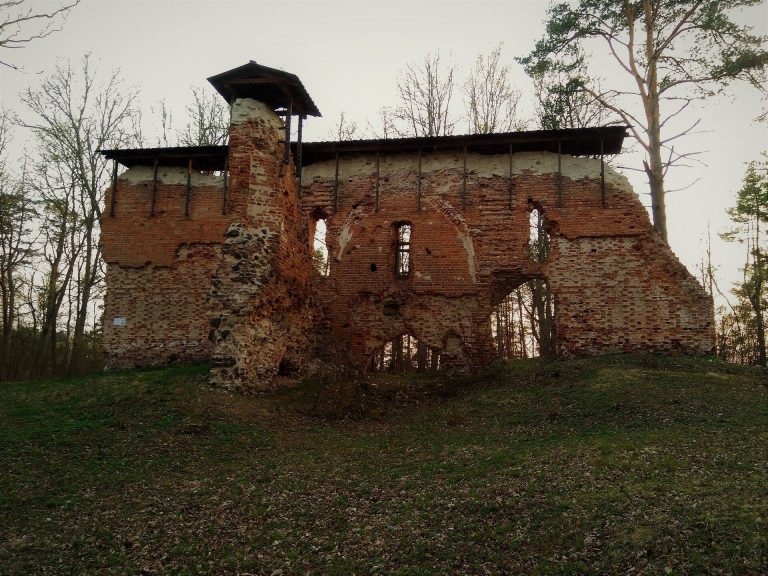
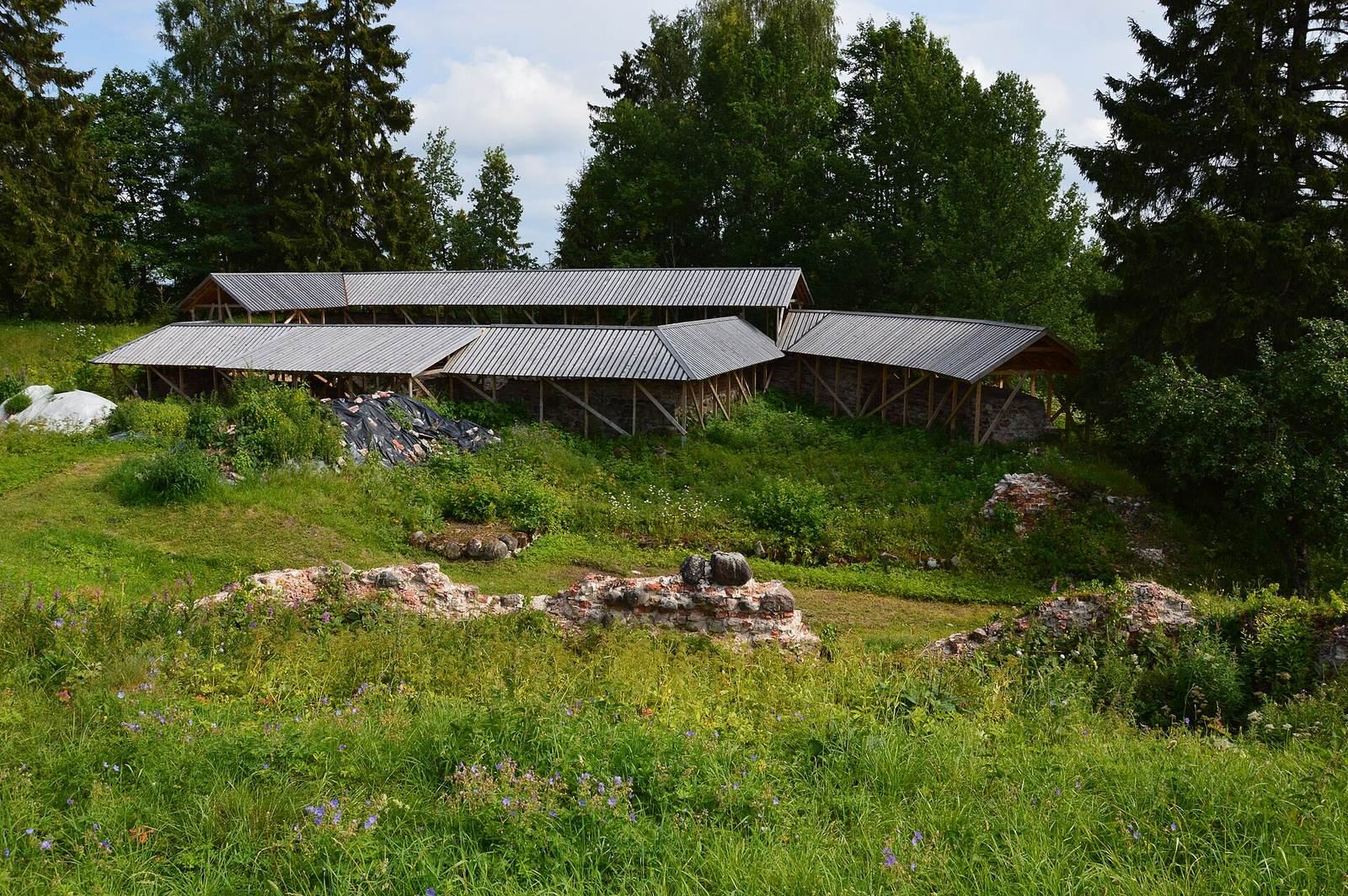
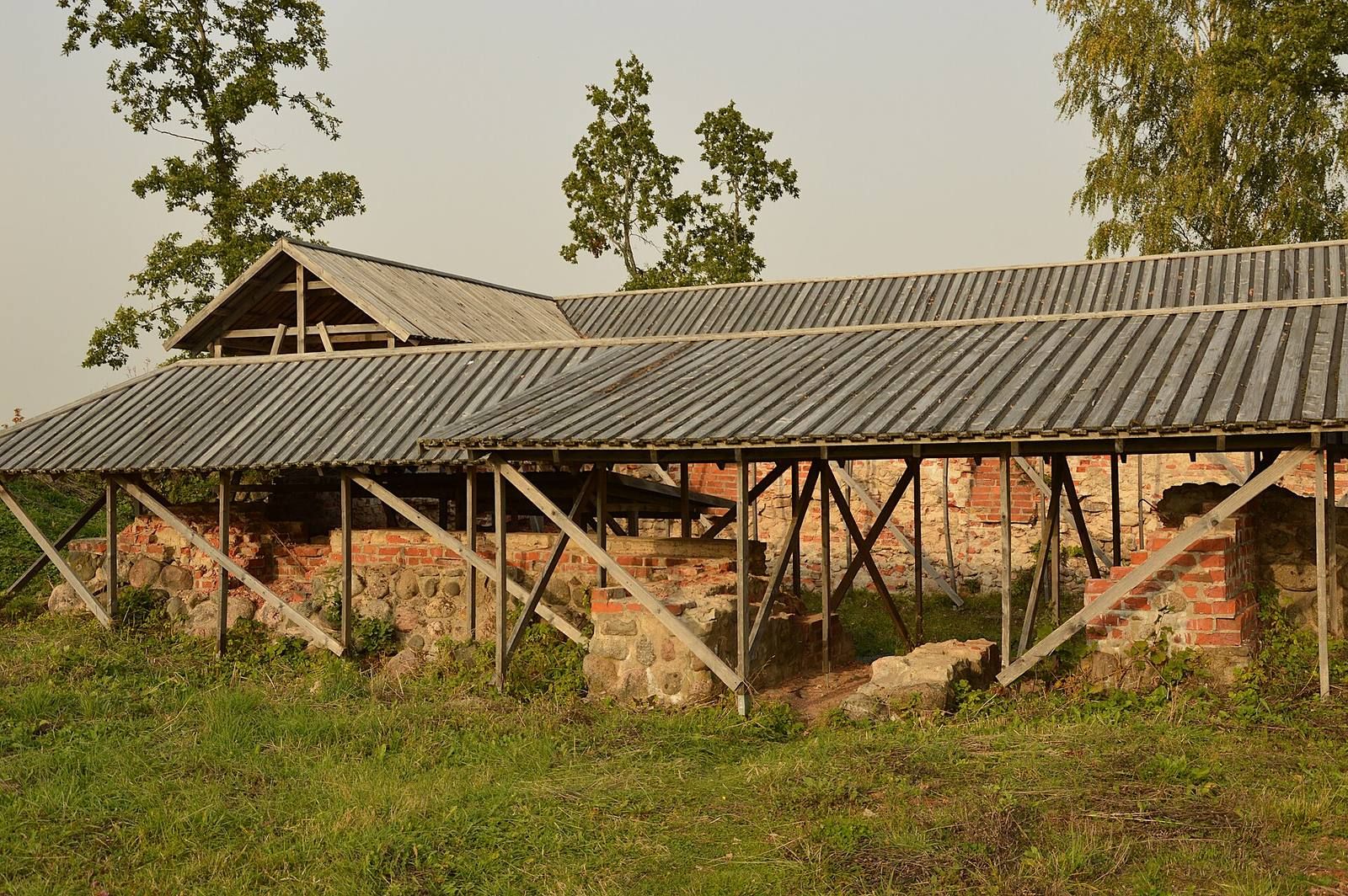
The lower portions of the castle’s Romanesque walls survive. Romanesque is a medieval style associated with rounded arches and substantial masonry. These wall remains may belong to the oldest stone building in the Baltic region. The castle may also have been Estonia’s first brick building.
Castle church
The walls of the 13th-century castle church have been excavated and preserved.
Archaeological finds
A rich layer of archaeological remains has yielded many arrowheads, objects associated with ancient religious practices and Ugandi warlords, and ornaments made from precious metals for books. Finds also include Estonia’s oldest wind instrument and one of Northern Europe’s oldest firearms. Some are notable in the wider European context.