Fort de Nogent: A 19th-Century Fort in the Defenses of Paris
Site at a Glance
- Popularity
- High
- Country
- France
- Primary era
- Modern
- Eras represented
- Modern
- Civilizations
- French
- Site type
- Military
- Remains
- Fort
On this page6 sections
History
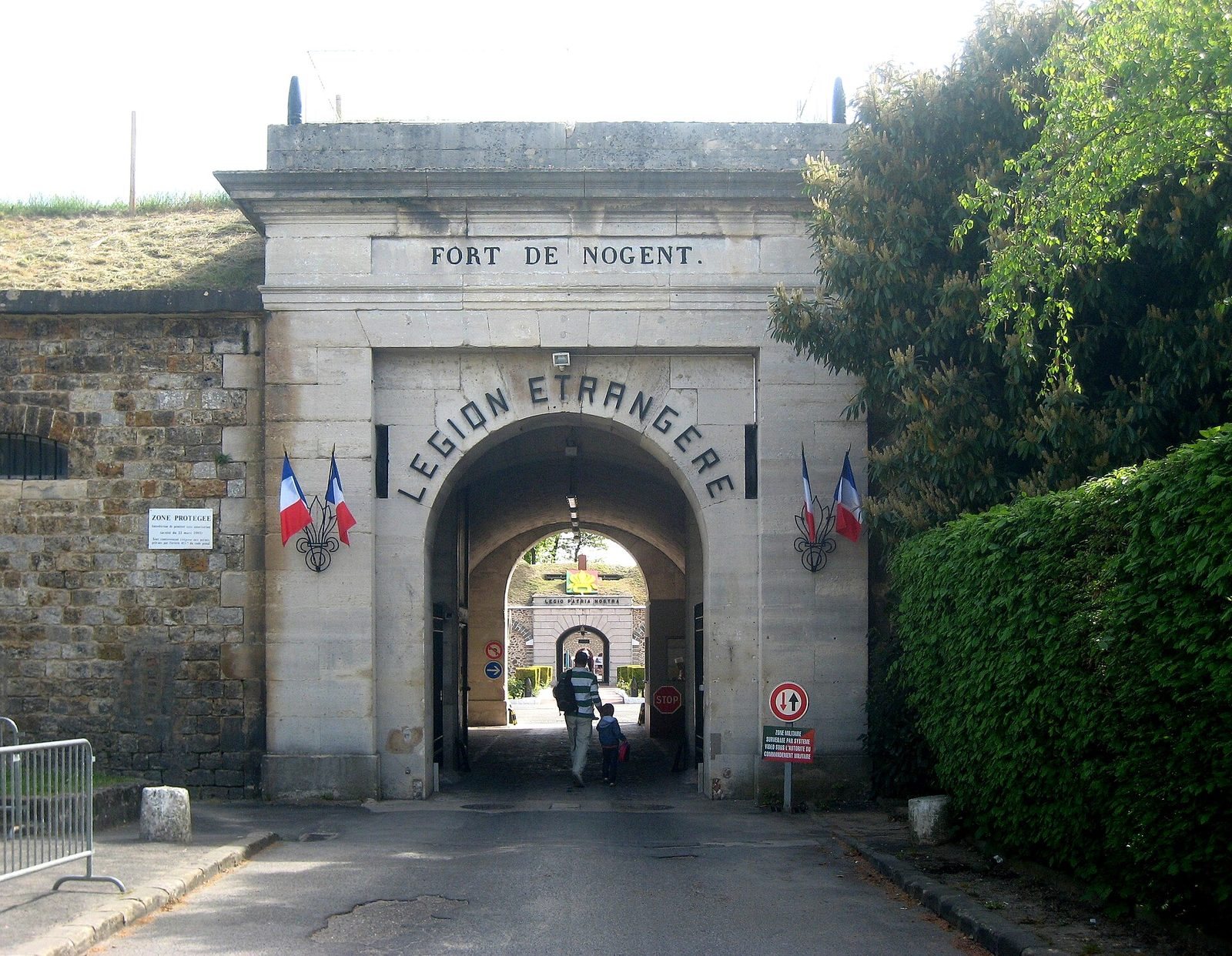
Fort de Nogent is a French 19th-century fort in Fontenay-sous-Bois, France, built to defend Paris. Although its name refers to Nogent-sur-Marne, the town it was intended to protect, the fort itself stands in Fontenay-sous-Bois. It formed part of a network planned in 1840 at the initiative of Adolphe Thiers, a French politician who headed the government. Construction took place from 1841 to 1848 under military engineer Guillaume Dode de la Brunerie. The fort’s defenses followed a bastioned tradition influenced by the designs of French engineer Vauban.
Construction and the Siege of Paris
During the Siege of Paris in the Franco-Prussian War of 1870-1871, a conflict between France and Prussia and its German allies, the fort was commanded by the retired officer Pistoulet. Squadron commander David led the artillery, battalion commander Revin directed the engineers, and naval medical major Aude oversaw medical services. The regular infantry included the 31st, 61st, and 77th companies, with 590 men and eight officers. The Mobile National Guard, a regional French reserve force, supplied the 11th Battalion and two companies of the 13th Battalion. Together they numbered 114 men and 30 officers, and were sent to Saint-Denis on 22 September 1870.
The artillery’s 2nd bis Battery of the 4th Regiment had 205 men and two officers. The engineering contingent comprised 40 men and two officers; 18 supply personnel, three doctors, and three attendants also served at the fort. Its weapons included six rifled 24-pounder guns, whose grooved barrels spun their projectiles, with 2,400 shells. Four guns designated 12P had 3,667 shells, eight 12S guns had 5,300, and five 4C guns had 1,000. Fourteen smoothbore 16-pounders, with barrels lacking those grooves, had 10,600 shells. Eight 12-pounder gun-howitzers, weapons combining gun and howitzer functions, were supplied with 2,900 shells. The other howitzers, designed for high-angle fire, comprised six 16-pounders with 3,265 shells and three 22-pounders with 1,285. Mortars, which launch shells on steep arcs, included six 15-pounders with 2,100 shells, four 22-pounders with 1,400, and two 27-pounders with 700. Cartridge stocks included 565,000 Model 1866 cartridges and 285,200 Model 1863 cartridges.
In November 1870, French forces tried to break the encirclement by advancing from the fort toward Champigny-sur-Marne, Villiers-sur-Marne, and Bry-sur-Marne. The attempts failed. Prussian guns then bombarded the fort in December. Its Vauban-influenced defenses were ill-suited to prolonged heavy shelling, and the barracks became untenable. The garrison held out until the fort was handed over to the Prussians under the surrender of 26 January 1871.
Wartime conflict and confinement
On 23-25 August 1944, German troops in the fort fought French Resistance forces, groups opposing the German occupation during the Second World War. Thirty residents of Fontenay-sous-Bois were killed. The German troops withdrew after shelling the railway freight depot.
From 15 October 1958, the fort sheltered Algerians for several months after they had chosen to side with France and were sought by the Algerian National Liberation Front, a nationalist movement fighting for Algerian independence. In April 1961, nearly 200 French army officers were confined at the fort after taking part in the Algiers putsch, an attempted coup by military figures opposing the prospect of Algerian independence. Among them were members of the 1st Foreign Parachute Regiment, a unit of the French Foreign Legion. The officers were held for almost two months while awaiting trial or reassignment. The regiment’s leaders were arrested and tried, while junior officers, corporals, and legionnaires could transfer to other units.
The released legionnaires were said to have departed singing Non, je ne regrette rien, meaning “No, I regret nothing.” The song became part of the Foreign Legion’s parade repertoire.
Foreign Legion and later uses
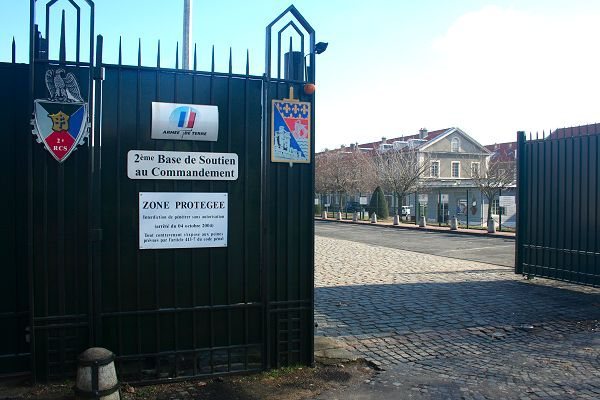
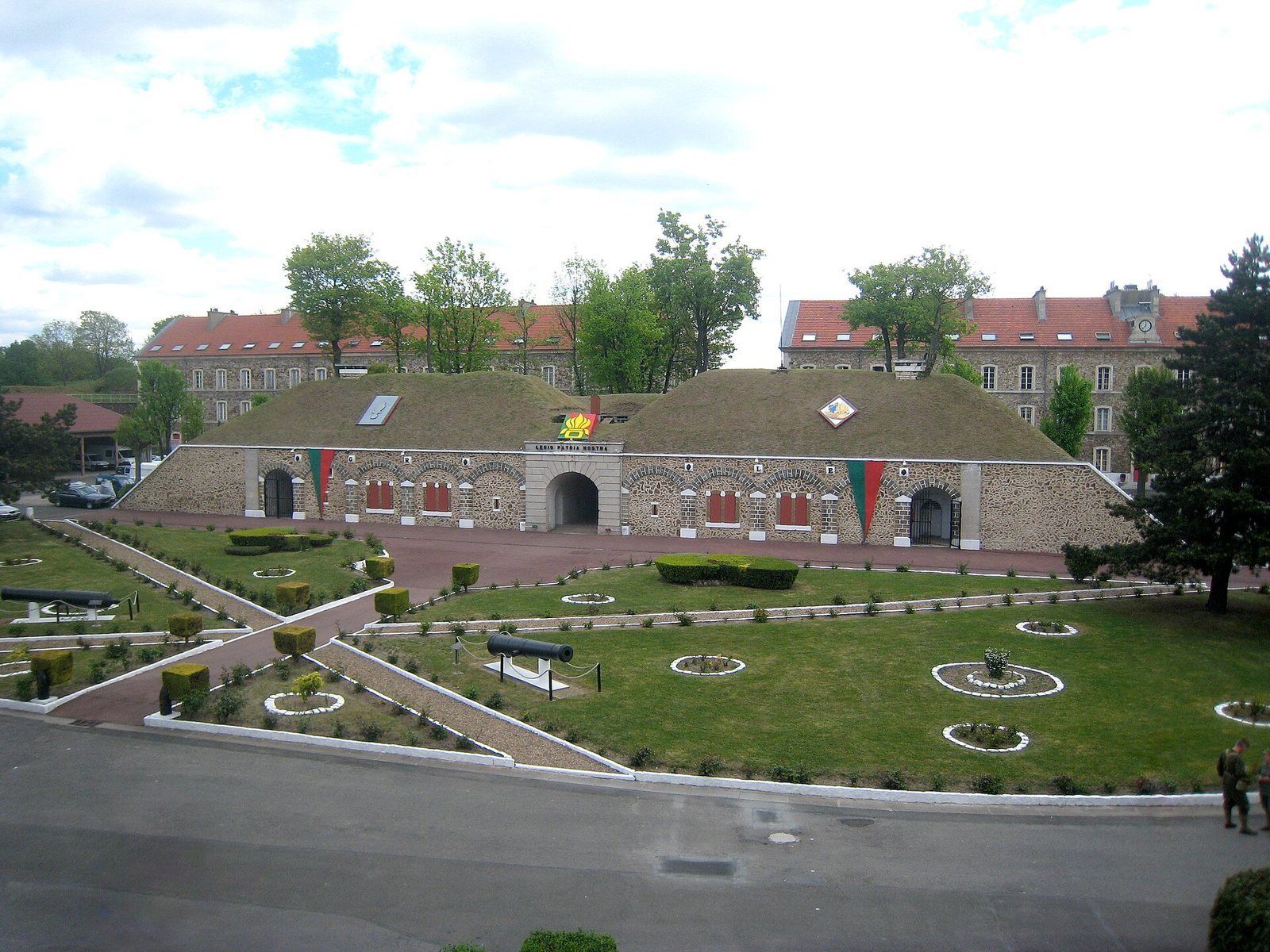
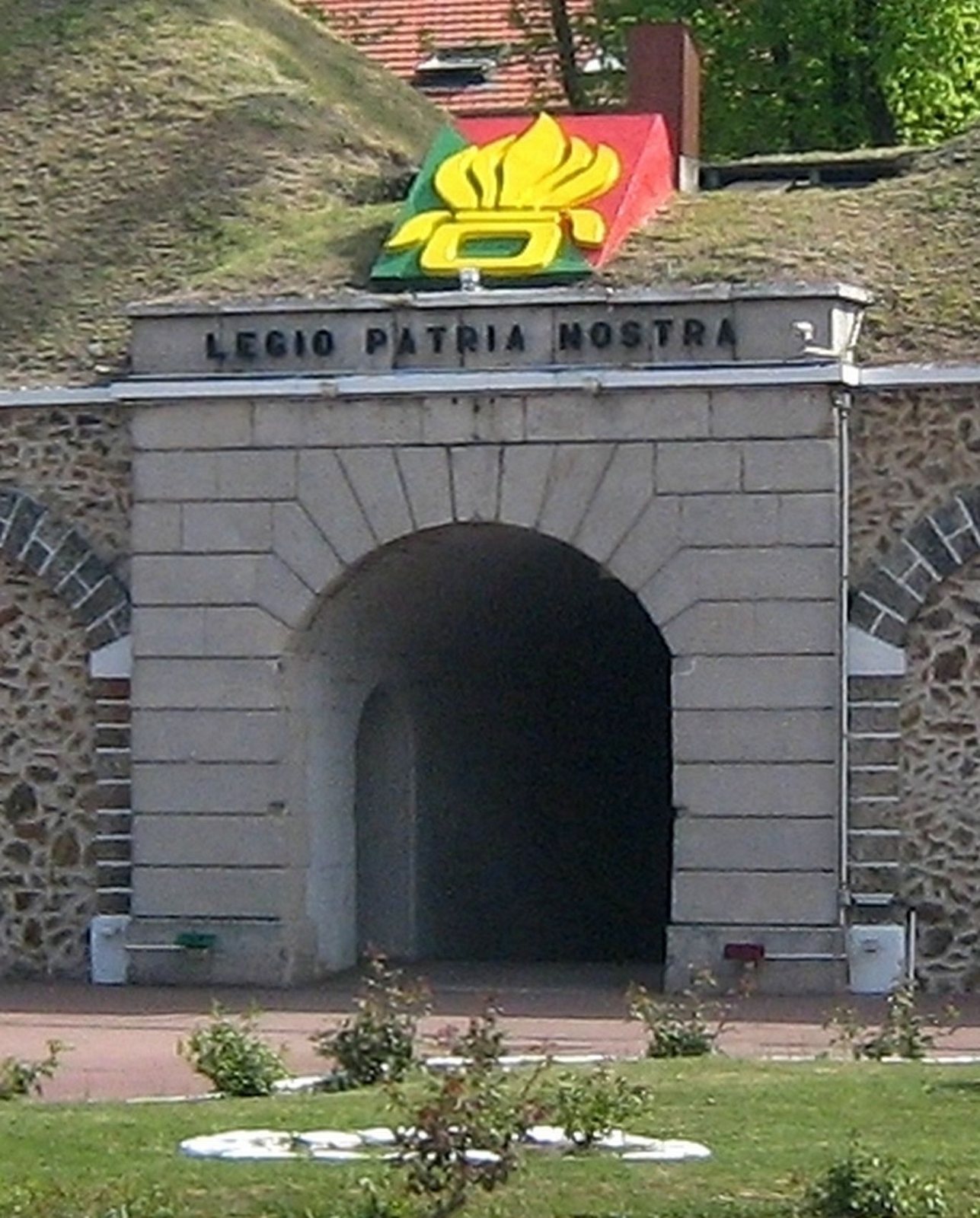
The French Foreign Legion established a presence at the fort in 1962. Its Paris detachment became the Legion’s transit company in 1989. The fort now houses the Legion’s recruitment group and candidate-selection center.
From winter 2006-2007 through winter 2014-2015, the Salvation Army operated a seasonal emergency shelter at the fort, opening from early December until late March. In 2015, its 160 places were made available to the French Army for soldiers mobilized under Vigipirate, France’s national security and protective-alert plan.
Remains
Rampart and entrances
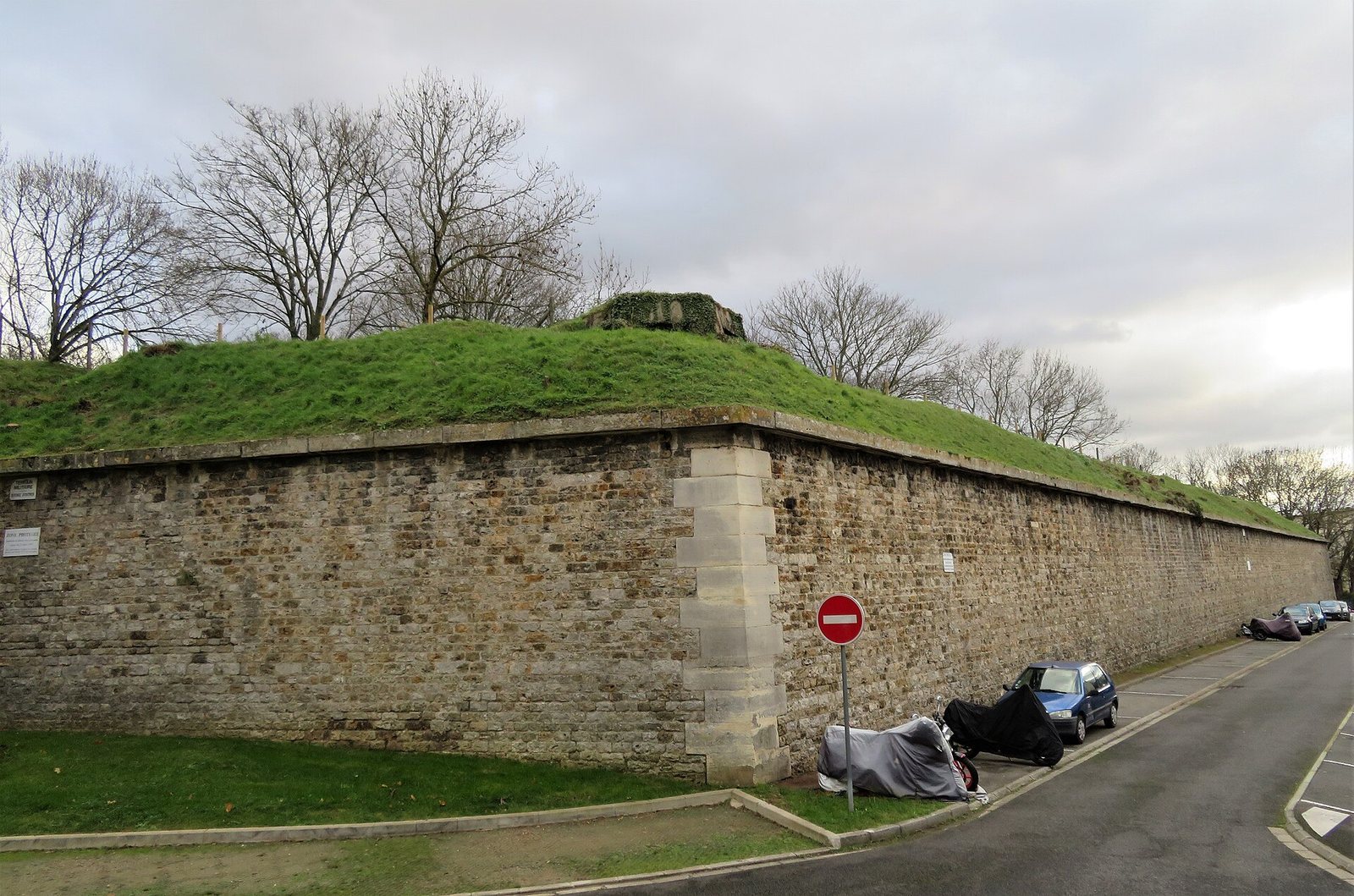
A pentagonal rampart, a raised defensive wall with projecting platforms for defensive fire, surrounds the fort. Each of its five sides measures 200 metres. The main entrance is on Boulevard du 25-Août-1944, while a second entrance is on Boulevard de Strasbourg.