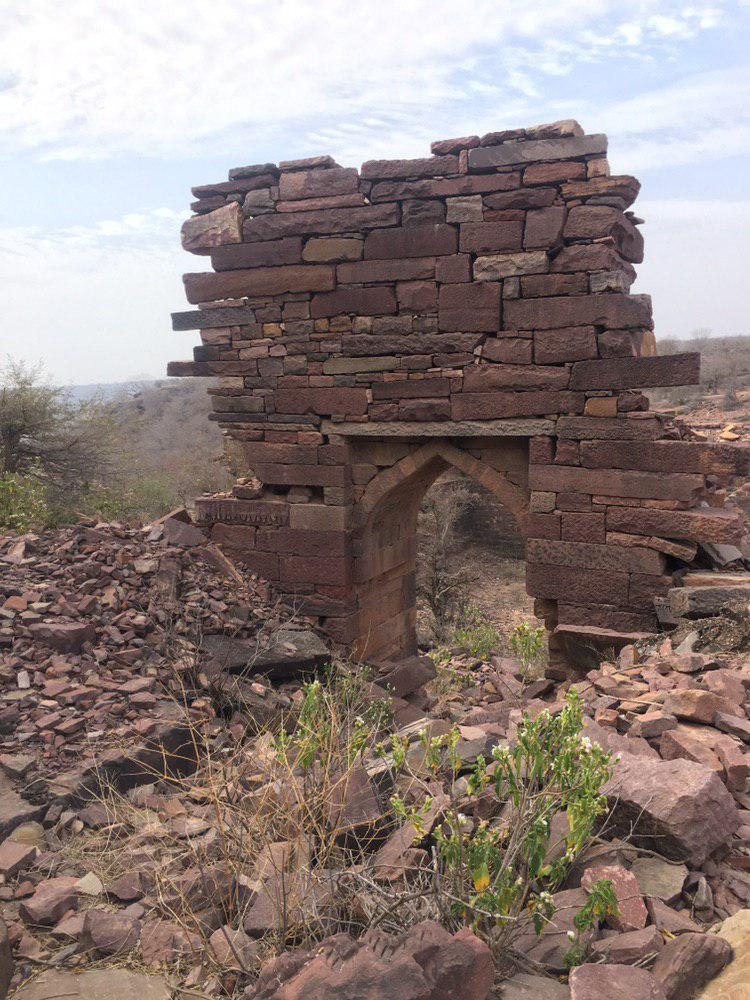
Lohagarh Fort: An Eighteenth-Century Fort in Bharatpur
Site at a Glance
- Popularity
- Very High
- Country
- India
- Primary era
- Early Modern
- Eras represented
- Early Modern, Modern
- Civilizations
- Unclassified
- Site type
- Military
- Remains
- Fort
On this page13 sections
History
Construction and Bharatpur’s victories
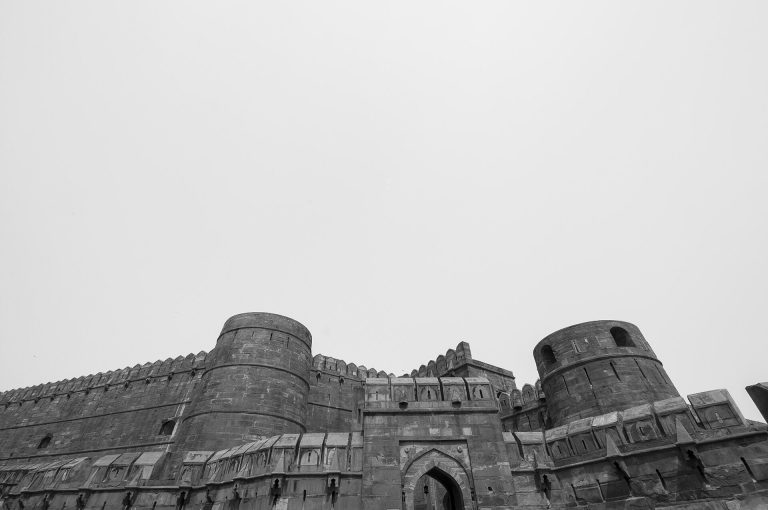
Lohagarh Fort is an eighteenth-century fort in Bharatpur, Rajasthan, India, commissioned by Maharaja Suraj Mal in 1732 and built by him in 1733. Suraj Mal was a prominent ruler of Bharatpur, and Maharaja is an Indian title meaning “great king.” The fort was designed to be impregnable.
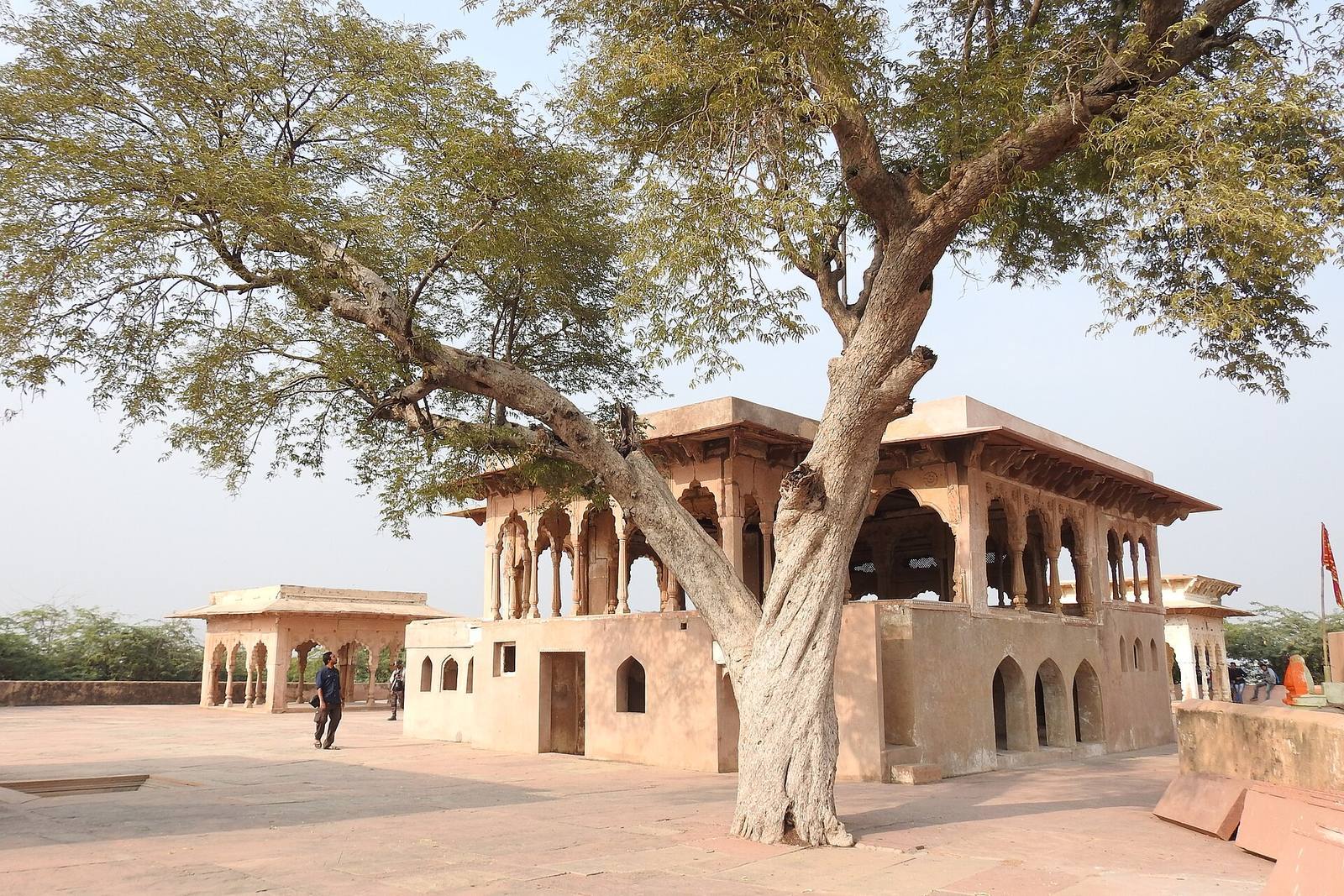
After Delhi was captured in 1764, the fort’s northern Ashtadhatu Gateway was taken from the Red Fort. Ashtadhatu means “eight metals.” In 1765, Maharaja Jawahar Singh built Jawahar Burj, or Jawahar Tower, to mark his victory over the Mughals, the dynasty that ruled much of South Asia, at the 1764 Battle of Delhi. The tower also served as a setting for Bharatpur rulers’ coronations.
Resistance to British attacks
In 1803, British general Lord Lake tried to destroy the fort using a large quantity of ammunition, but the effort failed. British forces made thirteen attempts to capture Lohagarh. During Lord Lake’s siege in January and February 1805, British troops failed in all four attempts to storm it. The siege lasted more than six weeks, and British losses exceeded 3,000 before the British had to reach an agreement. In 1805, Raja Ranjeet Singh built Fateh Burj, or Victory Tower, to commemorate Bharatpur’s success against the British.
Capture and later status
British troops under Lord Combermere surrounded Bharatpur from December 1825, then stormed and captured the fort on 18 January 1826. The capture ended Lohagarh’s reputation as completely impregnable. Bharatpur subsequently became a princely state, a territory ruled by a local monarch under British authority, during the British Raj, the period of direct British Crown rule in India.
The Jawahar Burj, Ashtadhatu Gateway, moat, fort walls, Chowburja Gate, and bridges at the two main gates are designated Monuments of National Importance, an Indian national-level heritage status. State-protected features include named buildings, a bathhouse, several mud-wall gates, and a bastion.
Remains
Fortifications and entrances
Mud walls and moat
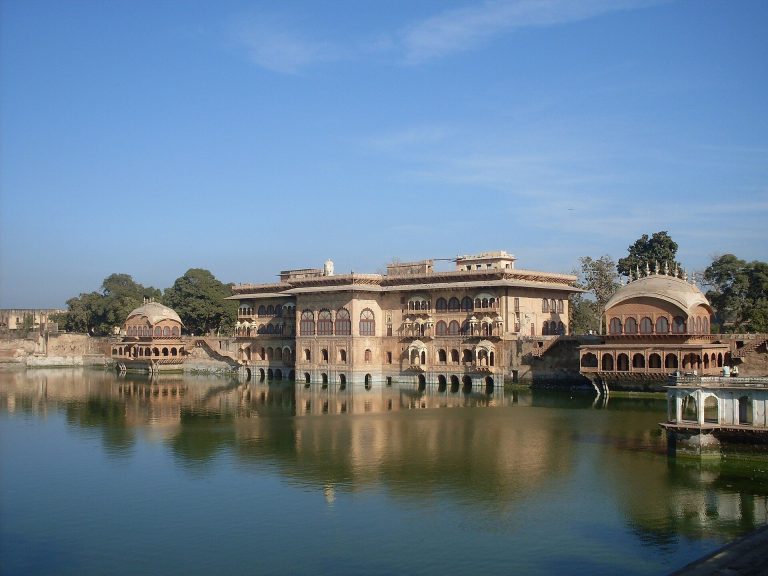
The fort stands on an artificial island in the center of Bharatpur. A moat surrounds its wall, which is built of thick mud. The mud absorbed cannonballs, allowing projectiles to sink into the defensive barrier.
Principal gates and bridges
The two principal entrances are the northern Ashtadhatu Gateway and the southern Chowburja Gate. Chowburja means “four-pillared,” and the gate is composed of four pillars. An approach bridge leads to each entrance.
Other gates
Other named gates are built into mud walls and bear the names Mathura, Binarain, Atal Bandh, Anah, Kumher, Govardhan, Neemda, and Chandpol.
Bastion
A bastion, a projecting defensive platform, stands near Suraj Pol.
Buildings and towers
Named buildings
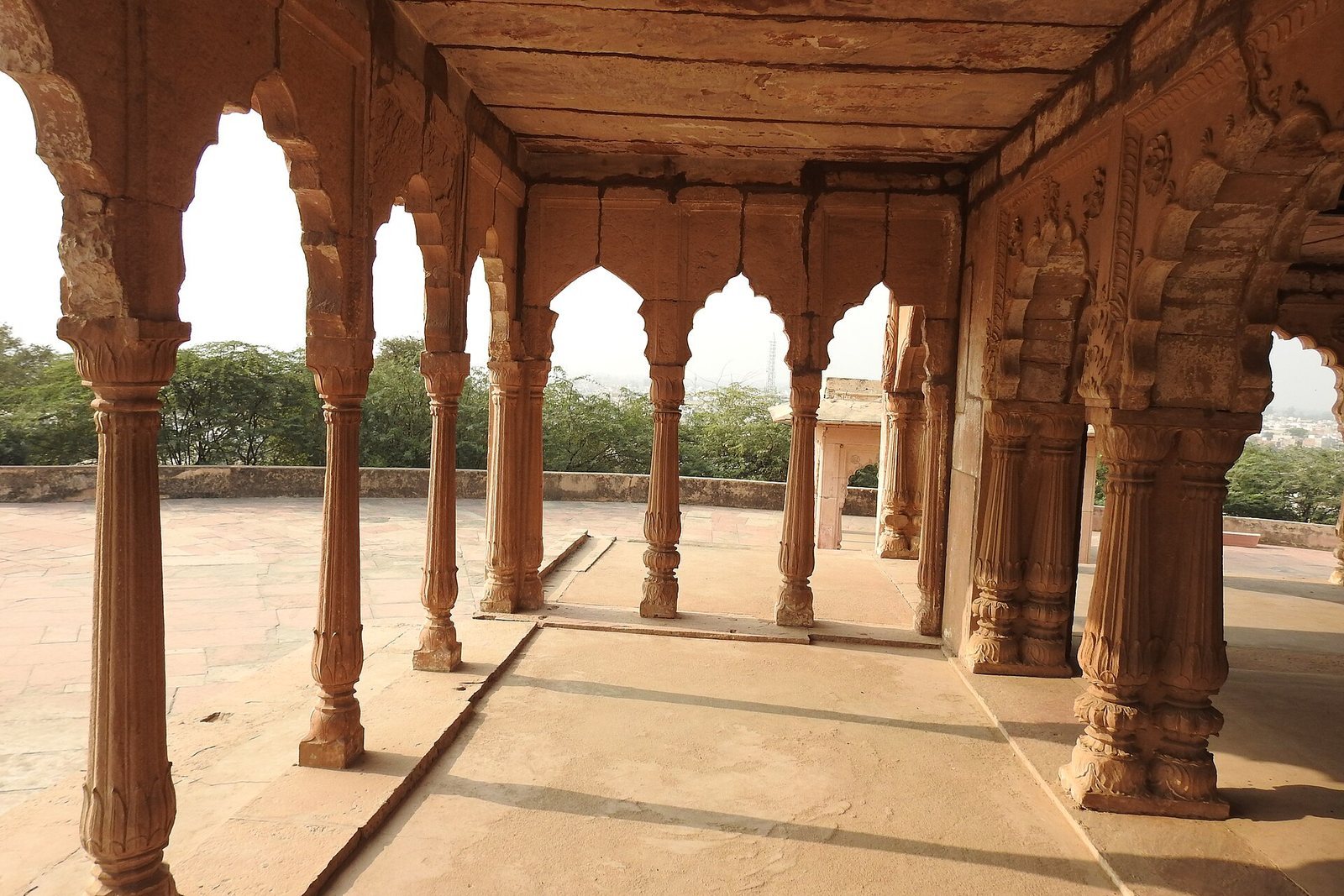
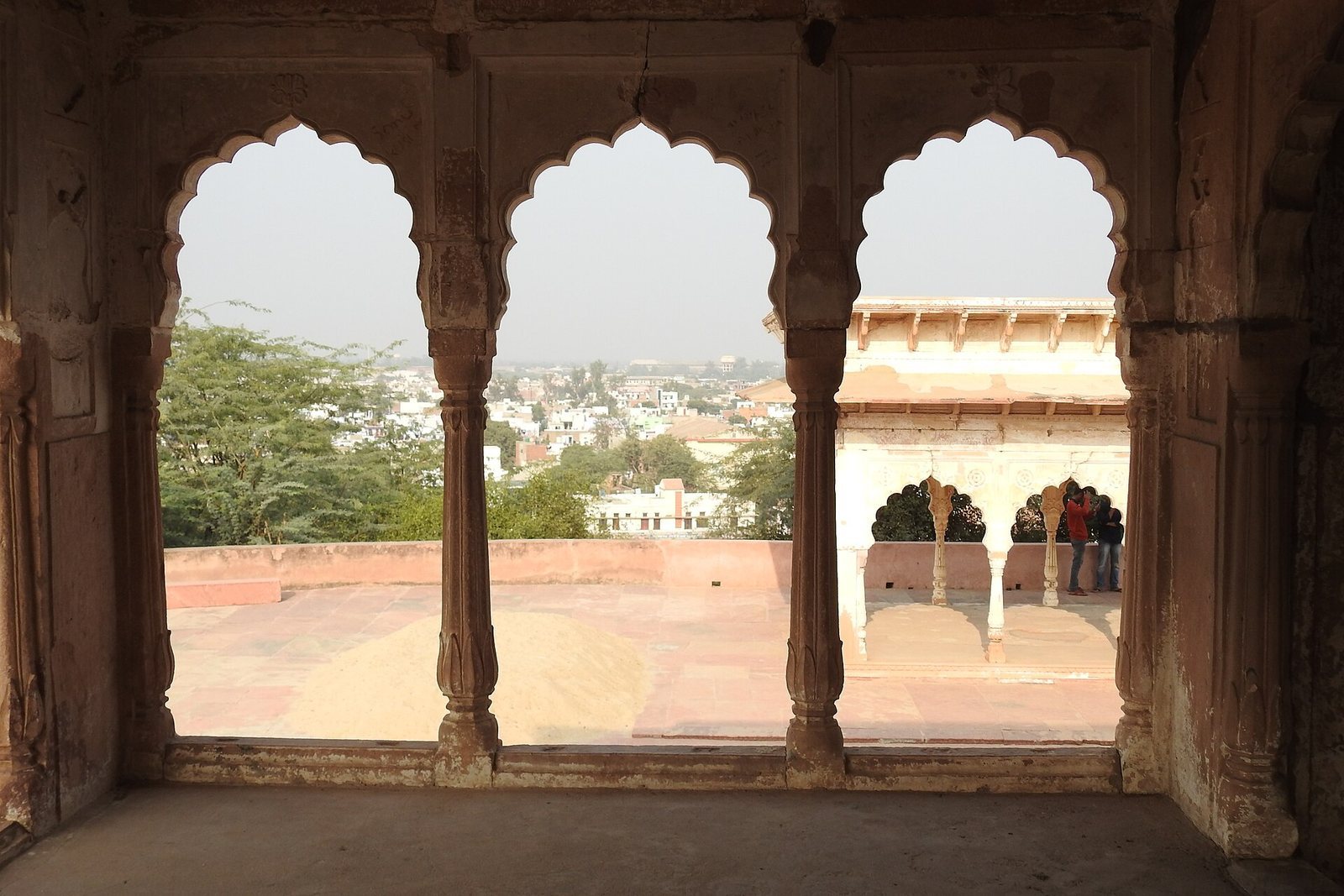
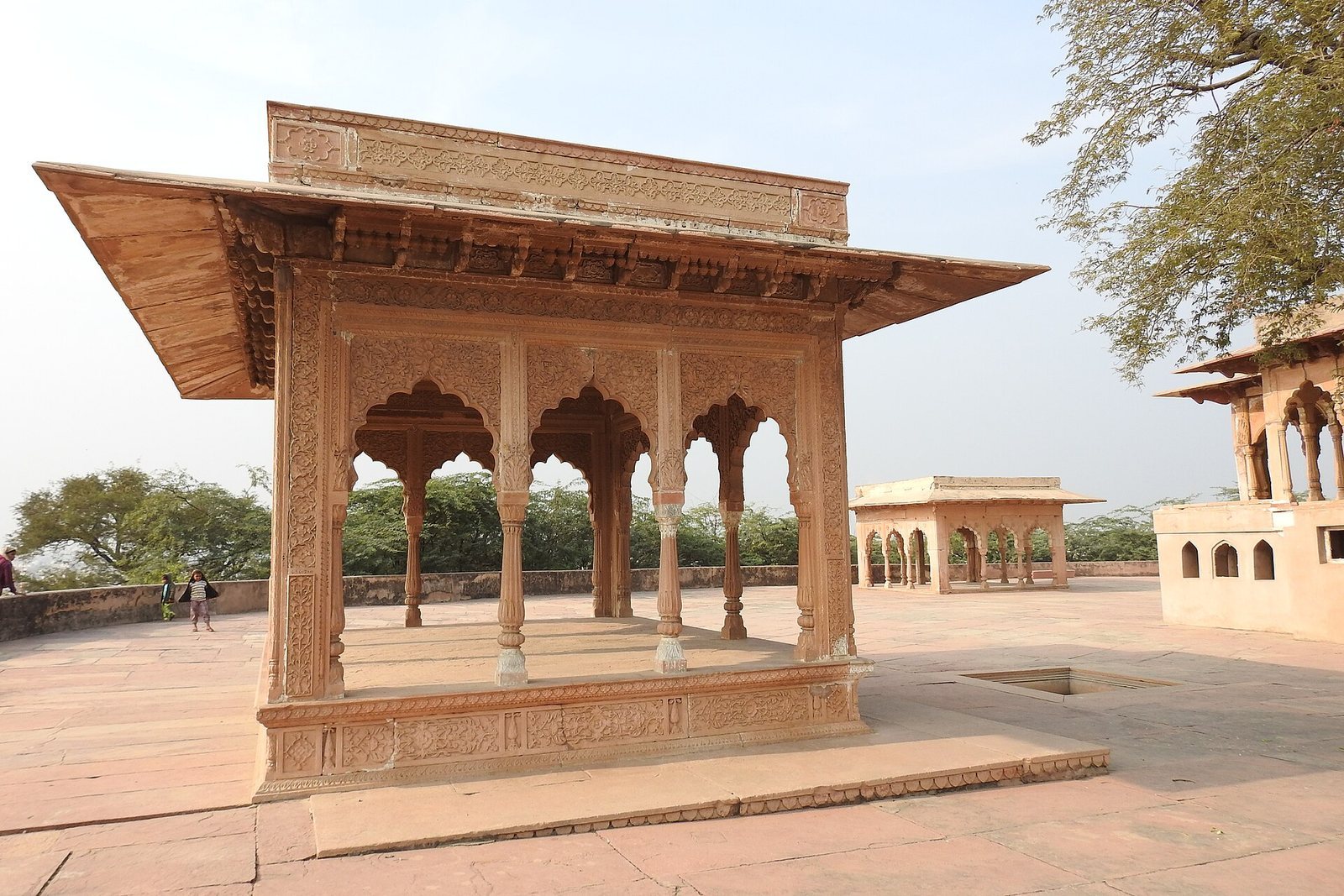
The fort’s named buildings and components include Kishori Mahal, Mahal Khas, Kothi Khas, Kamara Khas, Hansarani Mahal, Kachahari Kala, and Chaman Bagichi.
Towers and bathhouse
Jawahar Burj and Fateh Burj are named towers within the fort. Its other named feature in this group is a hammam, or bathhouse.