Château de Vaugien: A French Country Residence
Site at a Glance
- Popularity
- High
- Country
- France
- Primary era
- Modern
- Eras represented
- Modern
- Civilizations
- French
- Site type
- Domestic
- Remains
- Elite Residence
On this page7 sections
History
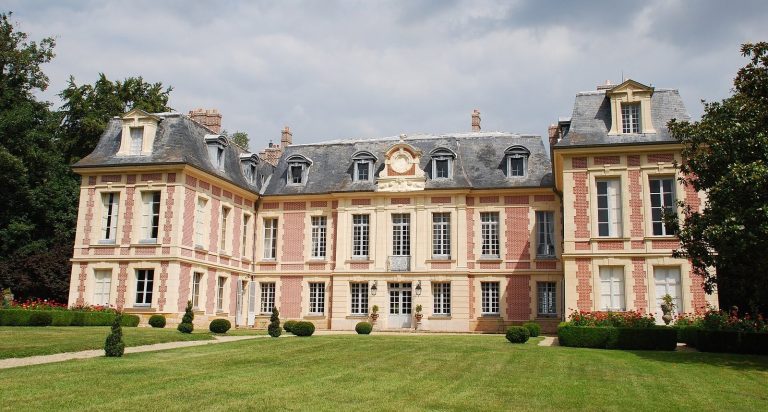
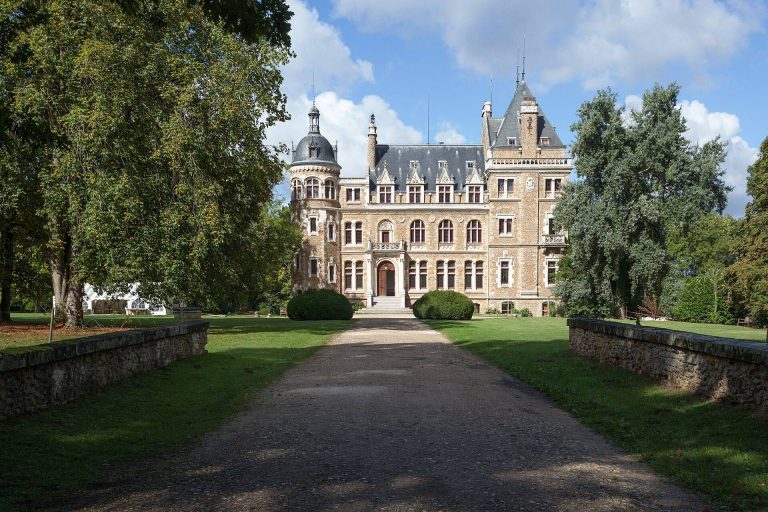
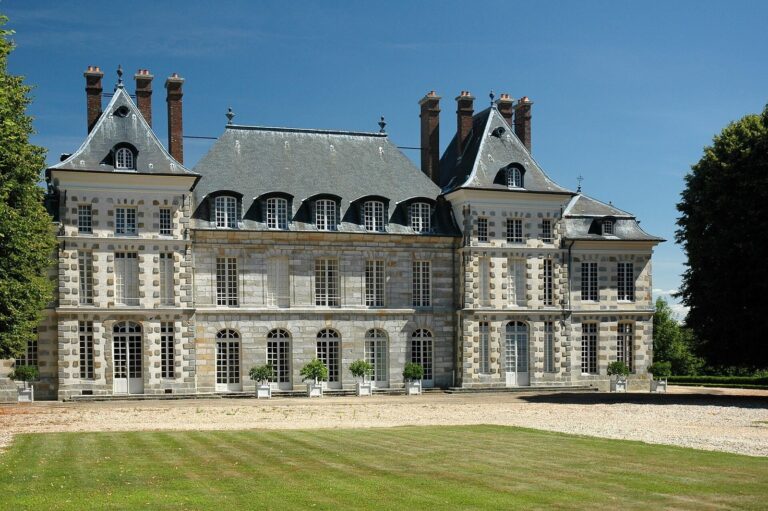
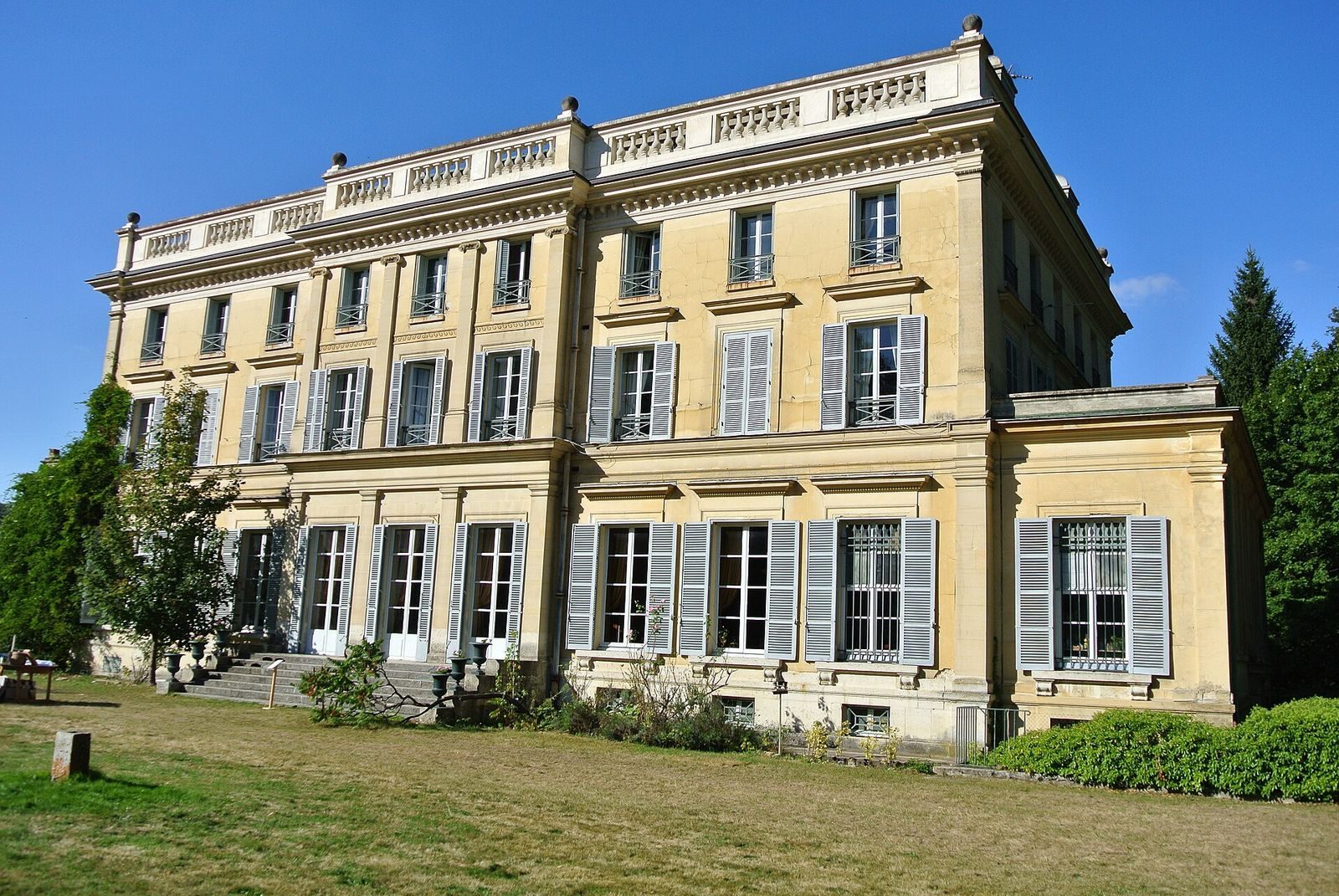
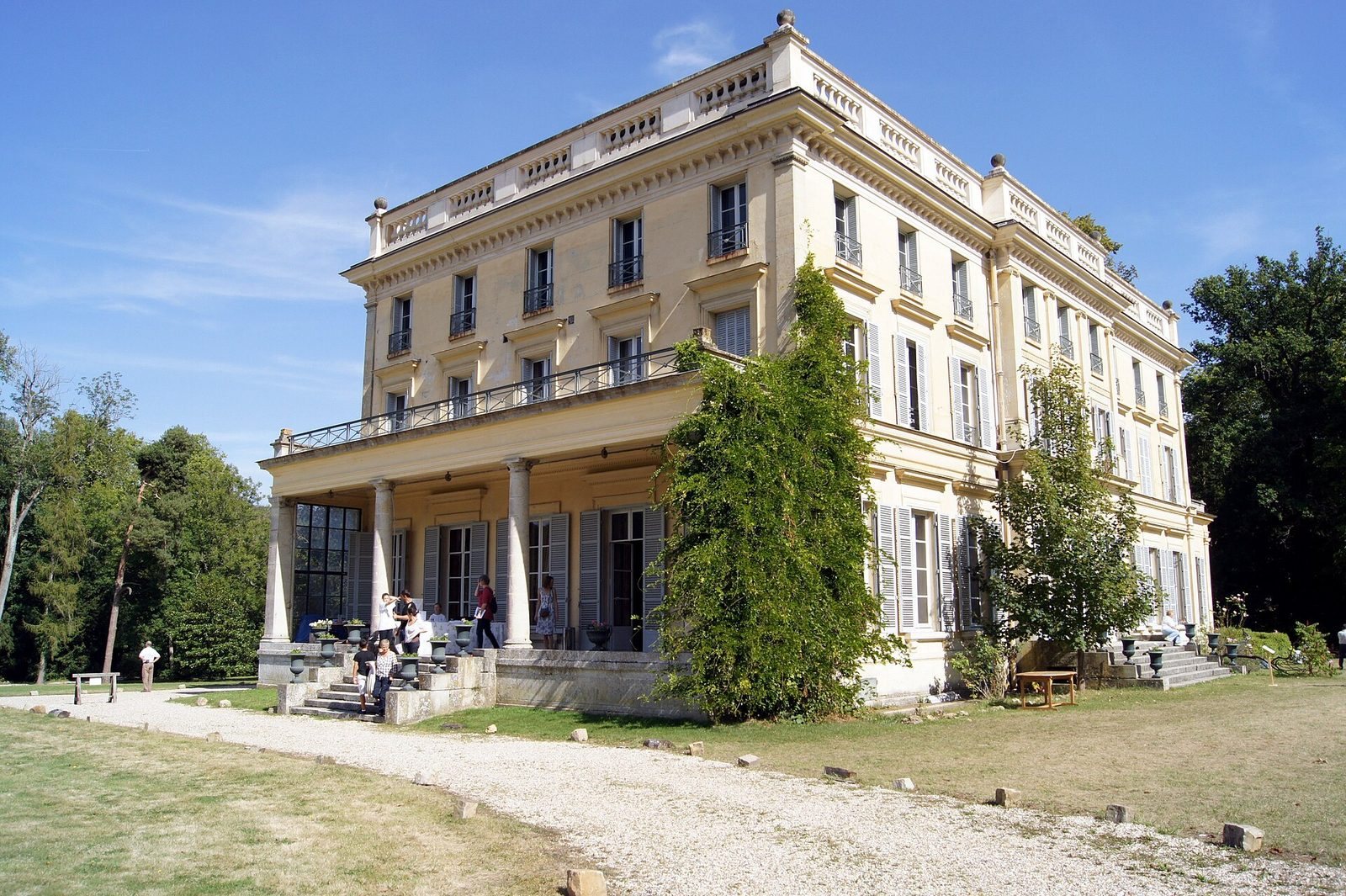
Château de Vaugien is a country residence in Saint-Rémy-lès-Chevreuse, France. Amable, Count of Théllusson de Sorcy, commissioned the present building in 1829 as a home for his family and a setting for hunting parties, replacing an earlier château. Architect Pierre Lorotte, a pupil of French architect Claude-Nicolas Ledoux, designed it with grand residences in Italy as his model.
Seventeenth- and eighteenth-century ownership
On 8 September 1635, Pierre de Feydeau and his wife, Catherine de Vivien, acquired the lordship of Vaugien in an exchange with Frédéric Canaye and his wife, Aimée de Houville. In return, the Feydeaus transferred the lordships of Pré le Fort and Longueneau at Huisseau. Pierre was a counsellor-secretary to the King and later treasurer of Burgundy. He died in 1653; Catherine died at Vaugien in 1657 and was buried at the church in Saint-Rémy-lès-Chevreuse.
Their son Denys, a corrector at the Chamber of Accounts of Paris, a royal auditing court, succeeded as lord of Vaugien. He married Catherine Forest in 1665 and died in 1682; she died in Paris in 1686. Their only child, Louise Madeleine de Feydeau, married Nicolas Bertin in 1683. After Louise Madeleine died in 1729, Bertin, a councillor of the Grand Council, a royal judicial body, sold the estate in 1739 to purchase Chaumont-sur-Loire.
Vaugien subsequently belonged to the Riquetti de Mirabeau family, descendants of Catherine Forest’s second marriage, and later to M. de Montluçon. In the 1770s it was owned by Henri Bertin, Controller-General of Finances, who headed the monarchy’s financial administration and later served as Minister of State. In the 1780s, the owner was Louis de La Toison de Rocheblanche, who died at Vaugien on 27 October 1790.
Rebuilding for the Théllusson family
Antoine Colliat acquired the estate in 1798, and it passed to the Guilleau de Formont family in 1824. Amable and Gabrielle Baguenault de Puchesse, who had married in 1821, bought it from them in 1828. The following year, Amable commissioned Lorotte to replace the earlier château with a larger residence.
Later inheritance and ownership
Amable and Gabrielle’s fourth daughter, Hélène de Théllusson, inherited the property and married the Marquis de Vaulserre. After her death in 1910, the estate passed to their eldest daughter, Berthe Henriette Hélène Marie de Corbel de Vaulserre. Berthe married Henri de Wendel, an ironmaster in Lorraine, in Paris on 4 July 1872; he died at the château on 10 October 1906.
The estate remains in family ownership and is now owned by the House of La Rochefoucauld. Château de Vaugien was registered as a historic monument on 20 February 2001.
Remains
The present château has a rectangular plan, a terrace roof and an open-sided gallery on the second floor. Its design drew on grand residences in Italy.
Earlier château and its setting
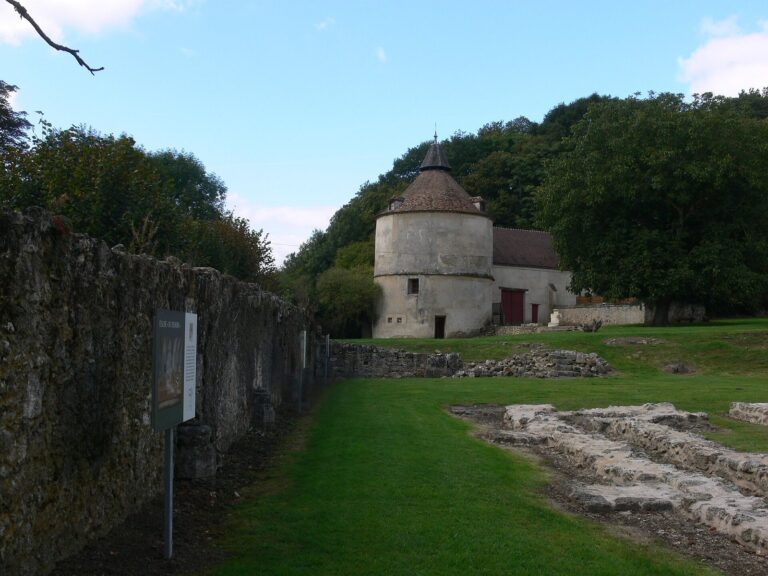
The earlier house stood at the edge of a plateau overlooking the Chevreuse valley. Two ponds bordered it, and avenues were laid out across its park. During the rebuilding, a small chapel dedicated to Saint Helen was retained from the former château.
Interior spaces
The interior includes a central hall lit from above through a roof opening, as well as a library, study, grand salon, billiard room and dining room.