Kasbah An-Nouar: A Fortified District in Fez, Morocco
Site at a Glance
- Popularity
- Medium
- Country
- Morocco
- Primary era
- Early Modern
- Eras represented
- Medieval, Early Modern
- Civilizations
- Alaouite, Almohad
- Site type
- Military
- Remains
- Citadel
On this page9 sections
History
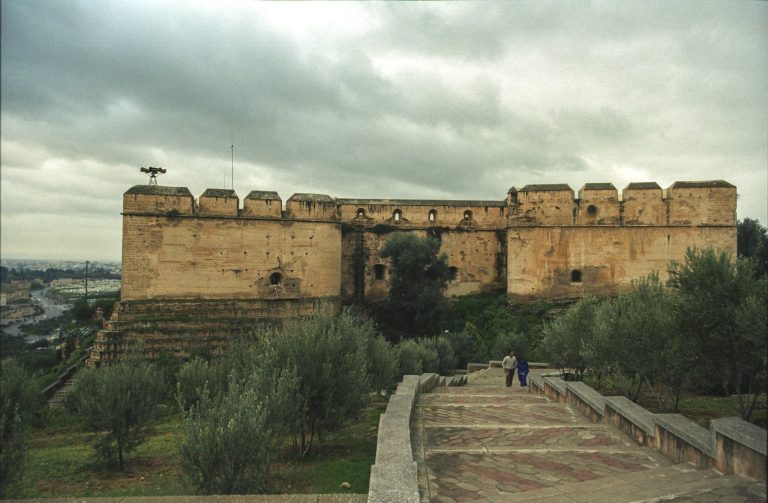
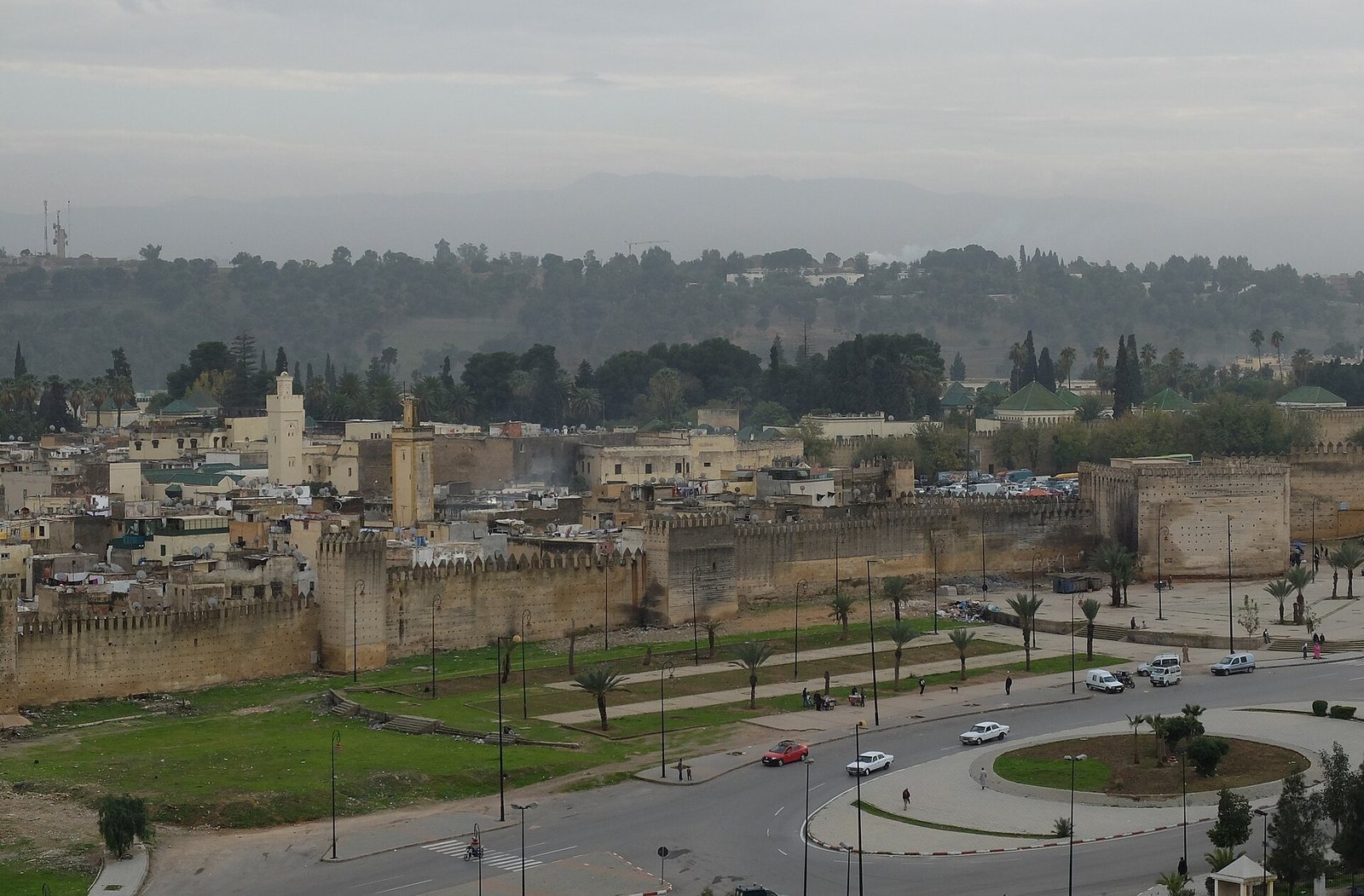
Kasbah An-Nouar is a fortified district at the western edge of Fes el-Bali, the old medina of Fez, Morocco. Its foundation is traditionally placed in the Almohad period, and it probably took much of its present form under the Alawi dynasty. As one of the citadels built to defend western Fez, it later became a distinctive community associated with settlers from Tafilalt, an oasis region in eastern Morocco.
Almohad foundation
After Abd al-Mu’min’s Almohad forces captured Fez in 1145 following a difficult siege, he ordered the city’s defenses demolished. The destruction punished resistance by the inhabitants and was intended to discourage further revolt.
Fez’s economic importance and its use as a military base for northern Morocco later led the Almohad caliph Muhammad al-Nasir, who ruled from 1199 to 1213, to rebuild the city’s defenses. He constructed a new wall circuit and two citadels in western Fez. The Almohad defeat at Las Navas de Tolosa in 1212, a major reverse for the empire, may also have encouraged renewed defensive building. Kasbah An-Nouar was one of the western citadels, beside Bab Mahrouk, a city gate built at the same time. Kasbah Bou Jeloud, the other citadel, stood farther south near Bab Bou Jeloud.
Later changes to Fez’s defenses
The Marinids, who succeeded the Almohads in the thirteenth century and made Fez their capital and residence, considered the existing citadels inadequate. They established Fes el-Jdid, a walled palace-city west of Fes el-Bali. Later, the Saadians moved the capital to Marrakesh and built new forts, including Borj Nord, to maintain control of Fez. Kasbah Bou Jeloud served as the governor’s residence at various times, including in the early twentieth century, though it is no longer fortified.
Alawi settlement and self-government
The first Alawi sultan, Moulay Rachid (1664–1672), restored Fez as Morocco’s capital. He assigned the kasbah to families from Tafilalt, giving rise to the name Kasbah Filala, meaning “citadel of the people from Tafilalt.” The district received a special status and autonomy from the rest of the old city. Moulay Rachid also built nearby Kasbah Cherarda to house tribes serving the ruler in a military capacity.
From the Alawi period, the community governed its own affairs rather than relying on central-government officials. Twelve elected elders formed a council that appointed a chief, secretary, and treasurer to oversee local services and infrastructure. Their resources included income from shops and rented houses set aside through waqf endowments, which dedicate revenue to a specified community or purpose.
Families of Filali origin continued to live in the kasbah until at least the twentieth century. They included many families claiming descent from the Prophet Muhammad and belonging to the extended Alawi royal family. This local self-government may have reflected practices in Tafilalt. The families’ presence may also have contributed to the district’s special status and to the name Bab Chorfa. Entry was forbidden to non-Muslims, while Muslims without local Filali family ties were generally unwelcome. In 1982, the kasbah was still described as closed to non-Muslims. Under Sultan Moulay Slimane (1792–1822), the walls and Friday mosque were restored, and Bab Chorfa took its present form during the Alawi period.
Remains
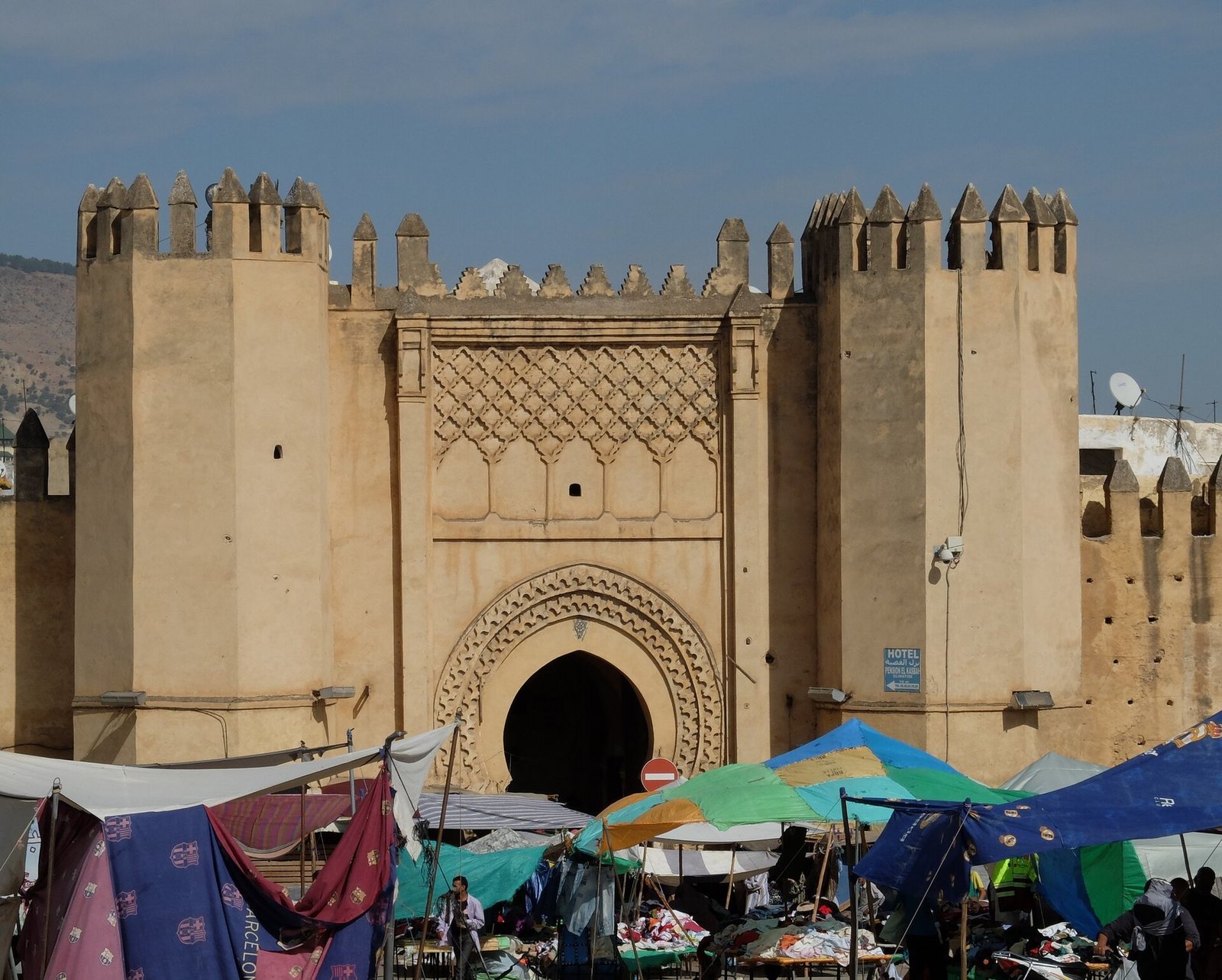
The kasbah occupies the western or northwestern tip of Fes el-Bali, between Bab Bou Jeloud and Bab Mahrouk. Its layout combines an enclosed residential quarter, a single monumental entrance, a Friday mosque, and a market outside the entrance.
Enclosure and entrance
Fortified boundary
Tall fortified walls enclose the district. The main city walls form its northwestern boundary, while a separate wall runs along the eastern and southern sides. Within the enclosure, houses stand along winding alleys.
Bab Chorfa
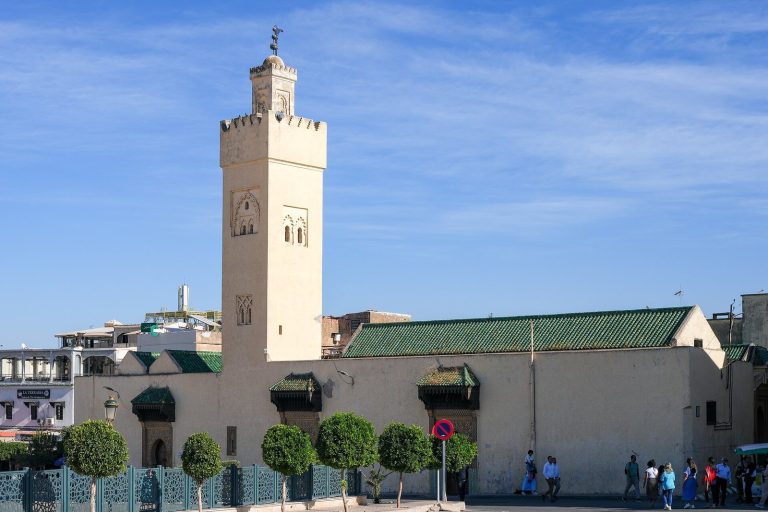
Bab Chorfa is the kasbah’s sole entrance, opening from Place Bou Jeloud, also known as Place Pacha el-Baghdadi or Place Baghdadi. Two substantial octagonal towers flank the monumental gate, and carved patterns decorate them. Inside, the passage changes direction at right angles several times and leads through a sequence of chambers. About a dozen chambers lie within the towers.
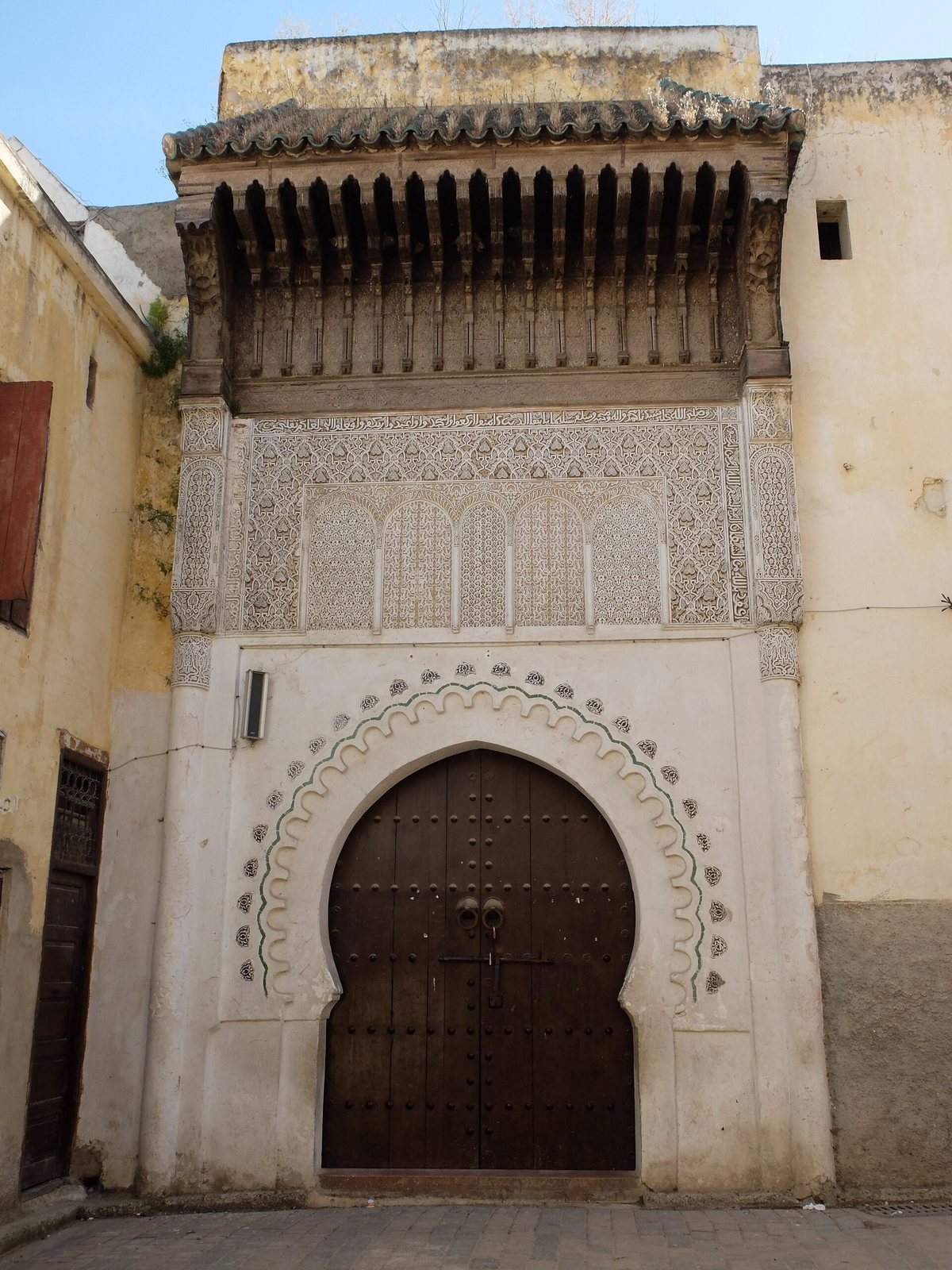
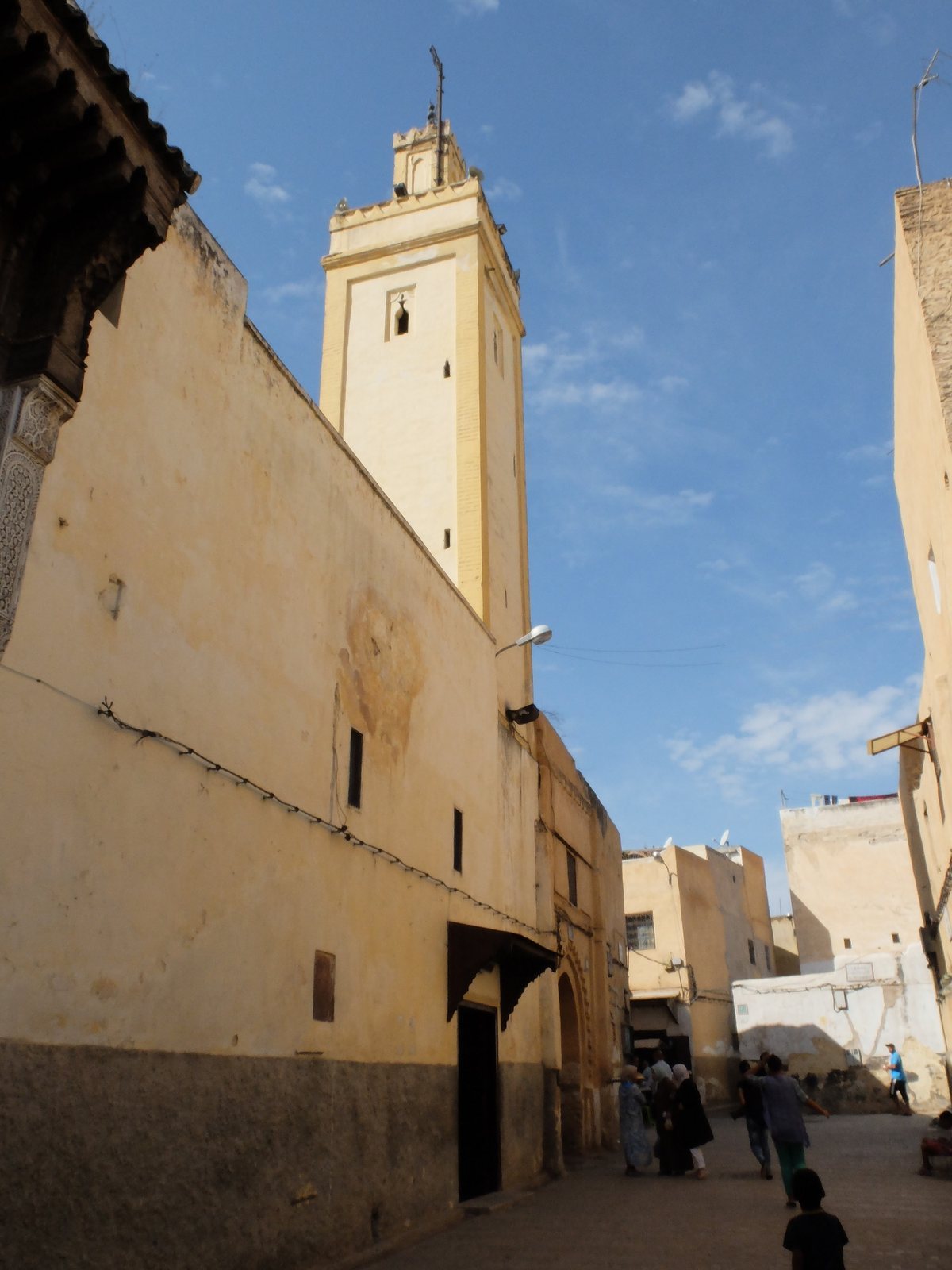
Mosque, square, and market
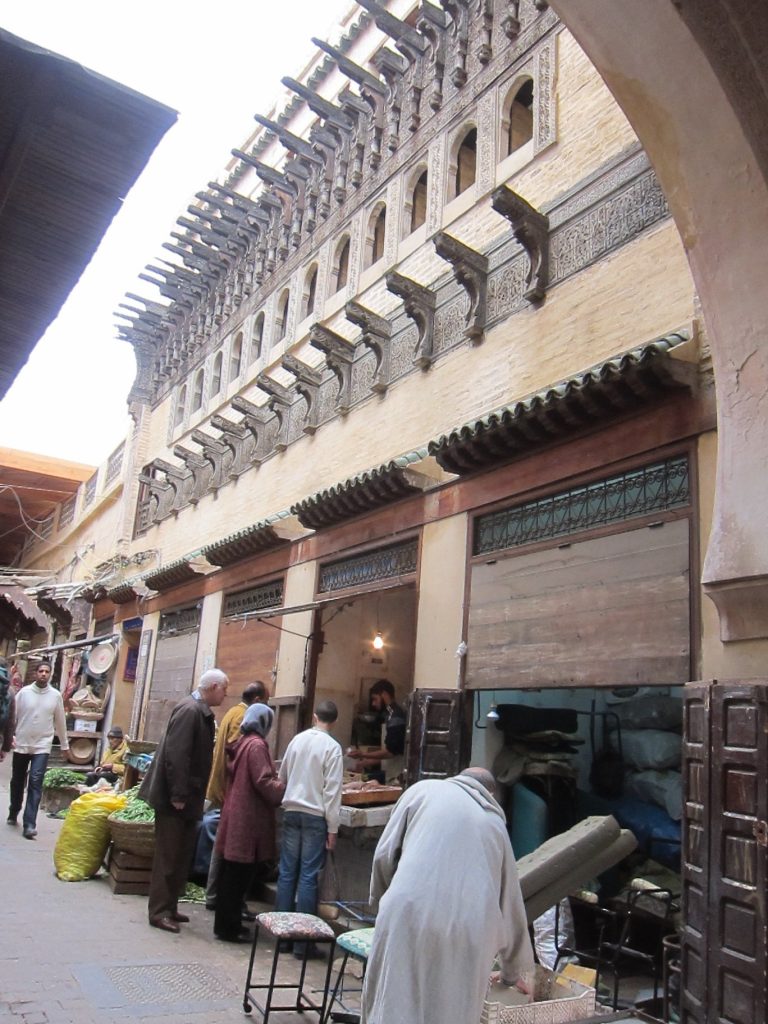
The Friday mosque stands just north of the entrance, near the beginning of the main street and beside a small public square. Its main portal faces the square, and its minaret can be seen from outside the kasbah. The mosque’s origins and date are uncertain; it may have been founded alongside the kasbah, possibly during the Almohad period. Outside the walls, in front of Bab Chorfa, an extensive open-air local market has operated for generations.