Château de Mareuil (Marne): A Historic Champagne Estate
Site at a Glance
- Popularity
- Medium
- Country
- France
- Primary era
- Early Modern
- Eras represented
- Early Modern, Modern
- Civilizations
- French
- Site type
- Domestic
- Remains
- Castle
On this page10 sections
History
18th-century origins and family life
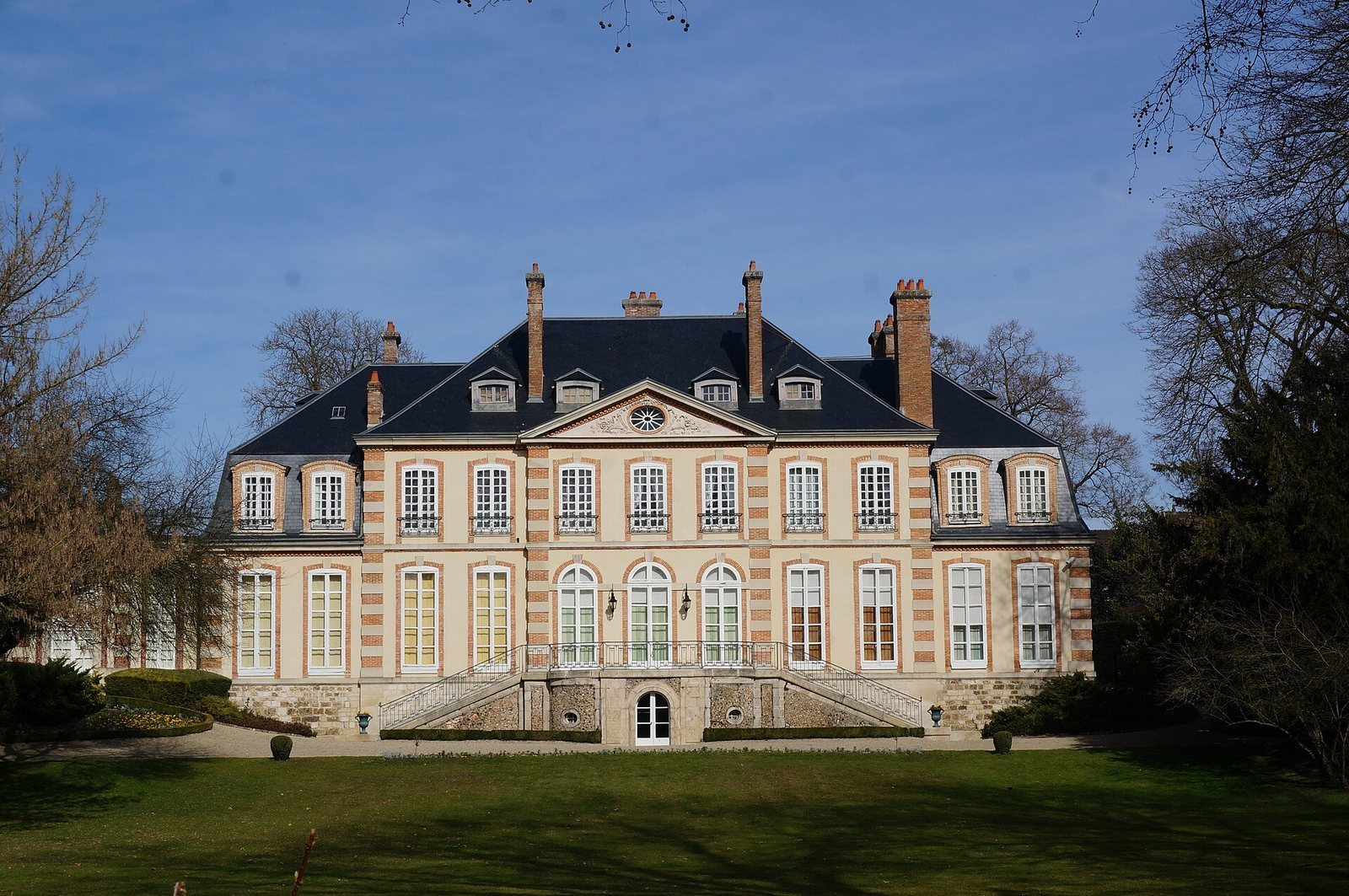
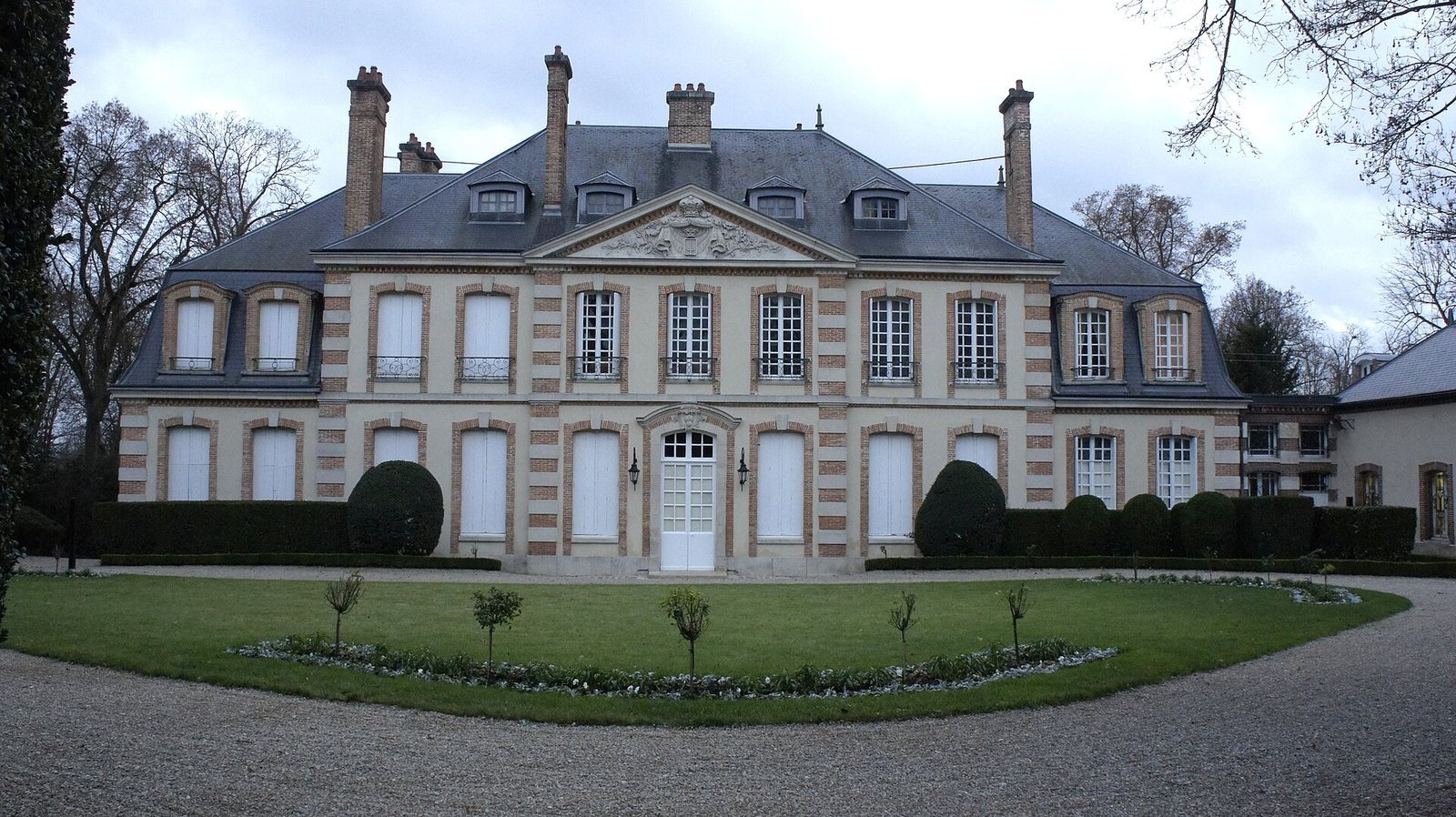
Château de Mareuil, also known as Château de Montebello, is an 18th-century château in France. French nobleman Jean-Baptiste-Nicolas Thomas de Pange received the lordship of Mareuil-sur-Aÿ as a marriage gift and commissioned a residence for his wife, completed in 1765. Between 1771 and 1774, he added red-brick facing in remembrance of Château de Pange, where he had spent his childhood.
After de Pange and his wife died, their four children remained at the château. Their daughter Anne-Louise de Domangeville married her cousin, the Count of Sérilly, in 1779. The family received relatives as well as political figures and writers, including poet André Chénier and essayist Joseph Joubert.
Changes of ownership and the Montebello champagne brand
Family disputes led to the estate’s sale in 1788 to the Duke of Orléans, later known as Philippe Égalité. He was executed by guillotine on 6 November 1793, after which the château passed through several owners.
In 1830, the two sons of Marshal Lannes, Duke of Montebello, took control of the estate, which included more than 100 hectares of vineyards. They founded the Alfred de Montebello champagne brand in 1834. Its products were distributed until the 1929 crisis. During the 1890s, the château received Tsar Nicholas II of Russia, and landscape architect Édouard Redont redesigned the park around 1896.
Modern ownership and heritage status
After the Montebello brand was purchased at a court sale by Reims entrepreneur René Chayoux, the estate passed, following Chayoux’s death, to his close associate Jean-Michel Ducellier and then to Ducellier’s son Alain. Alain sold it to Swiss businessman Jean-Jacques Frey, who ended the brand, kept the château and arranged a full renovation. The Frey family currently owns the château.
The château, its associated buildings and grounds were listed as French historic monuments on 5 November 2003. In 2015, the estate became a separately named component of the UNESCO World Heritage property Champagne Hillsides, Houses and Cellars.
Remains
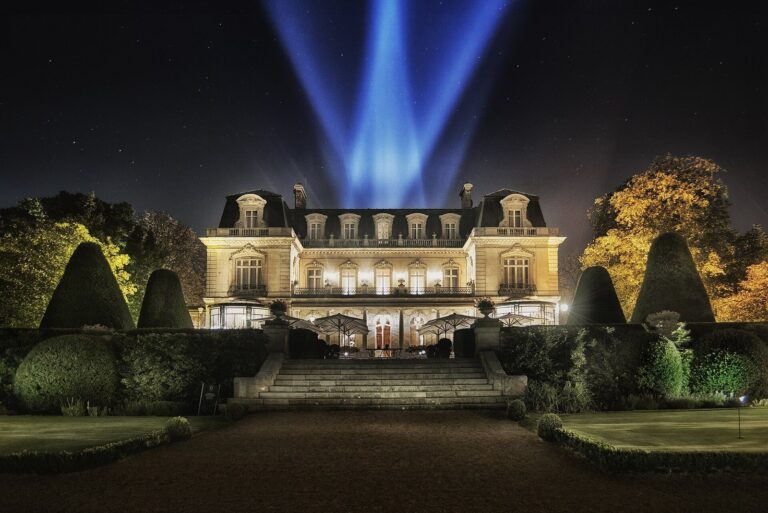
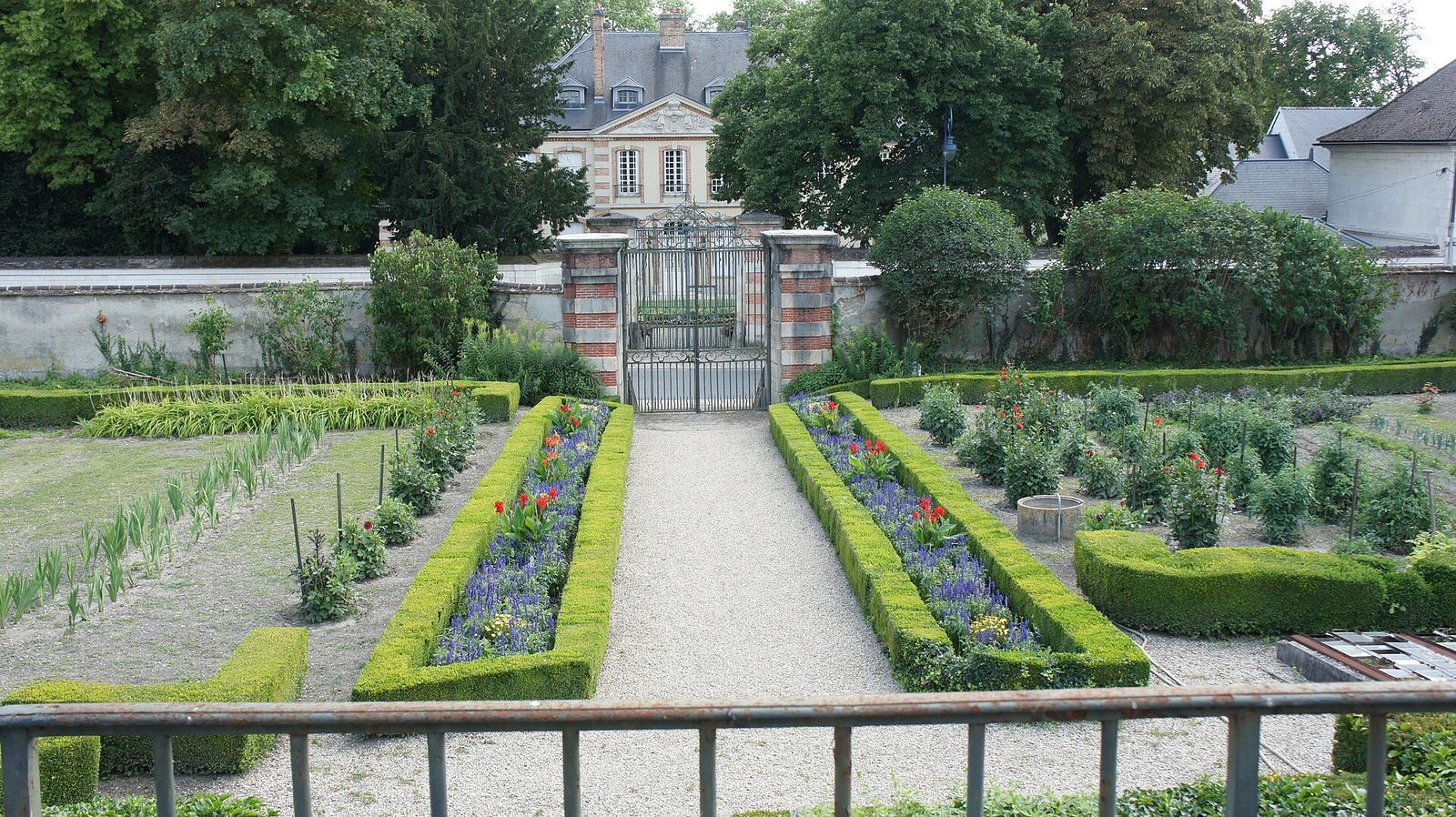
The estate brings together the main château, courtyard buildings and a park. The château’s plans are attributed to the 18th-century French architect Chevotet. Red brick appears in the exterior corner masonry and around the windows.
Château and courtyard buildings
Main château
The main residence forms the focus of the estate’s built complex. Its exterior retains red-brick details at the corners and window surrounds.
Outbuildings and entrance
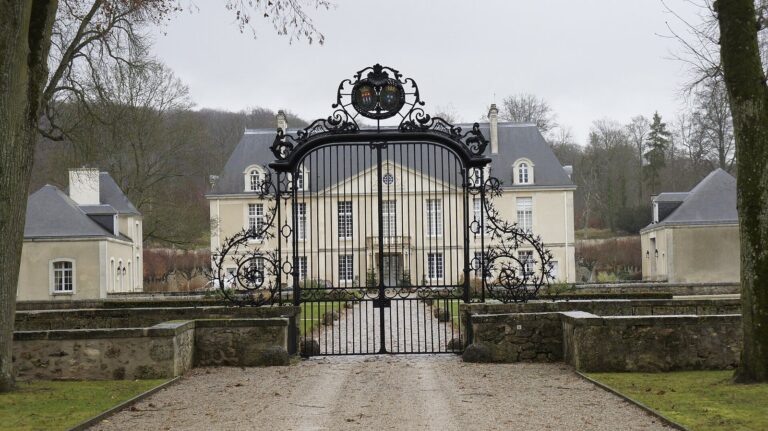
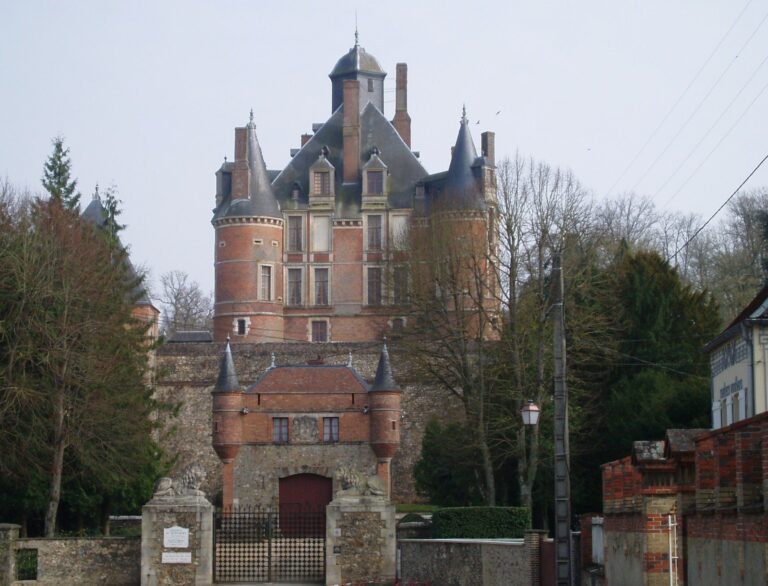
The outbuildings follow a U-shaped plan around the courtyard, and their north wing was altered in the late 19th century. Two pavilions mark the courtyard entrance. A former dovecote, originally built to house pigeons, has been converted into a reception space.
Champagne-production buildings
Buildings used for champagne production and the estate’s cellars remain. A tower in the middle of the courtyard formerly served as the Montebello brand’s administrative building; it contains decorated reception rooms.
Park and gardens
The park includes underground passages, an icehouse for storing ice, a fence and gate, and an orangery. Two walled kitchen gardens date from the late 18th century and retain their surrounding enclosure.