Penchâteau Chapel: A 15th-Century Gothic Chapel in France
Site at a Glance
- Popularity
- Very Low
- Country
- France
- Primary era
- Medieval
- Eras represented
- Medieval, Early Modern, Modern
- Civilizations
- Duchy of Brittany, French
- Site type
- Religious
- Remains
- Chapel
On this page5 sections
History
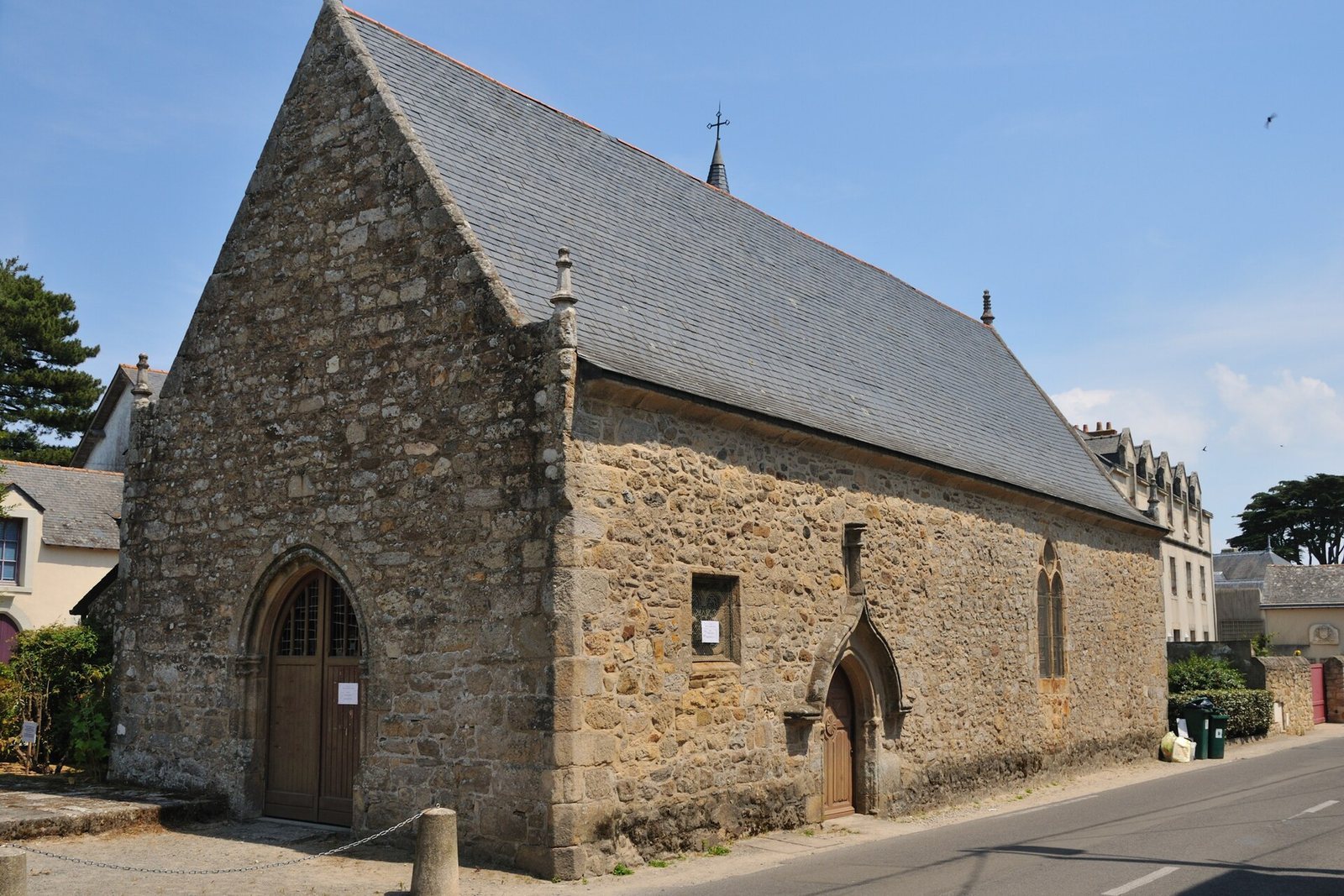
Penchâteau Chapel is a 15th-century Catholic chapel in Le Pouliguen, France, built in the Gothic style, a form of medieval architecture. Dedicated to Saint Julian the Hospitaller, a legendary Christian saint, it is also known as the Chapel of Saint Anne, whom Christian tradition regards as Mary’s mother. The chapel belongs to the Saint Yves of the Wild Coast parish in the Diocese of Nantes. Saint Yves was a 13th-century Breton priest and lawyer venerated as the patron saint of lawyers; a parish is a local church community, and a diocese is a territorial jurisdiction of the Catholic Church. The chapel is listed as a French historic monument.
Remains
Chapel and setting
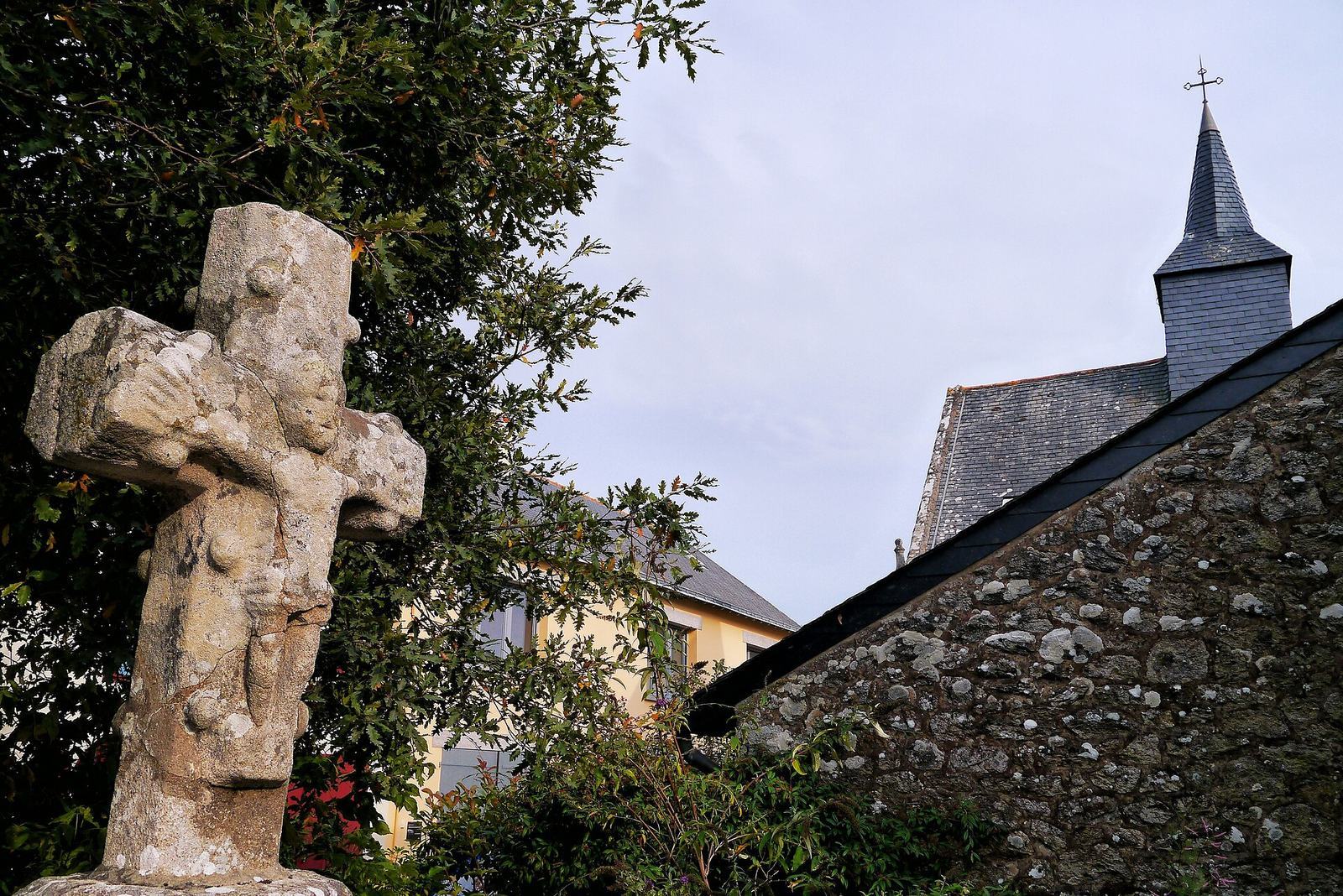
The small granite chapel stands on the Pointe de Penchâteau, in the Penchâteau locality of Le Pouliguen, near the coast of the Bay of Pouliguen. An elaborately worked roadside cross, known as the Penchâteau Cross, stands nearby.
Sculpture and altarpiece
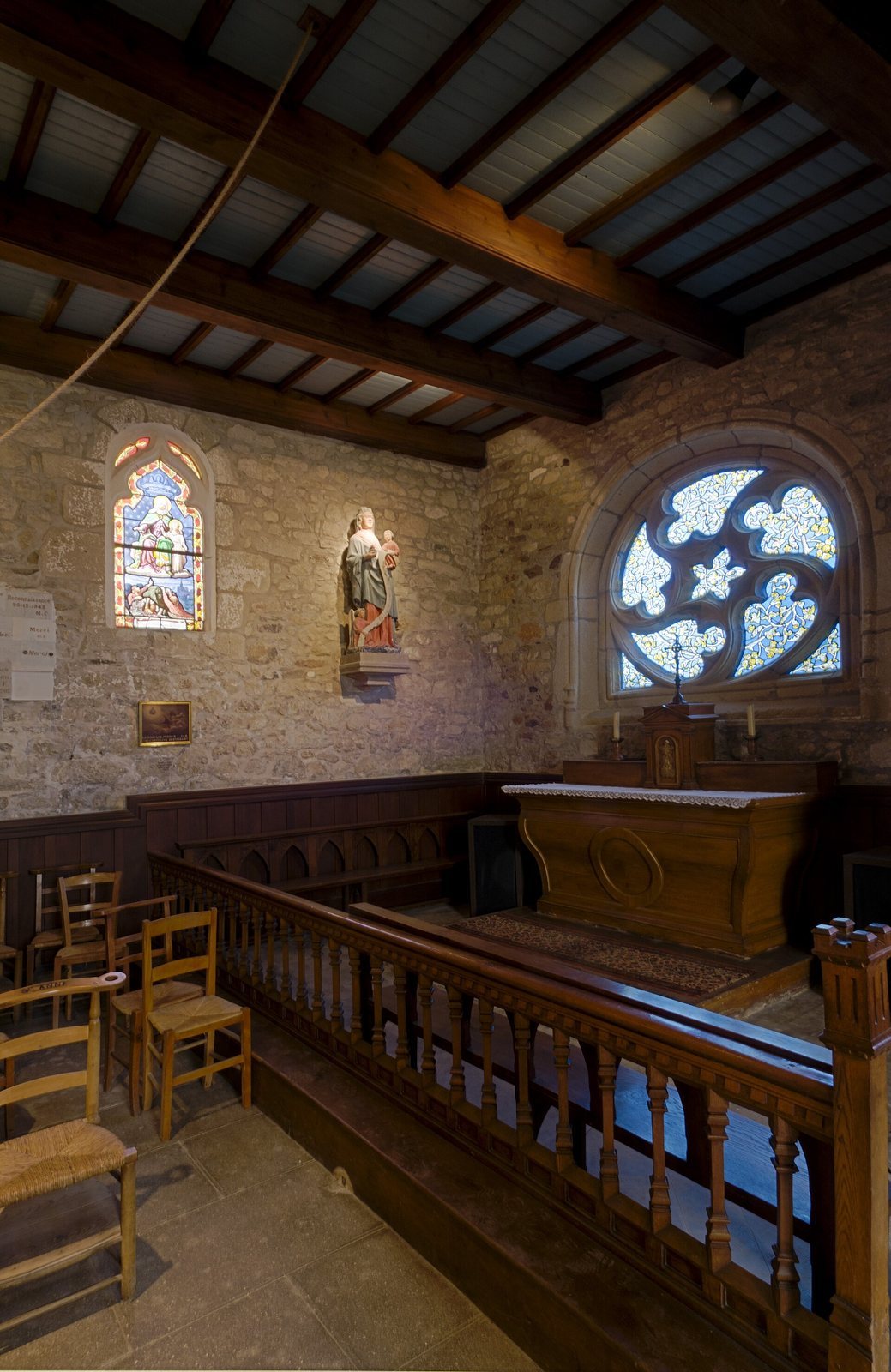
The chapel’s statues include Saint Barbara, venerated as an early Christian martyr; Mary Magdalene, a follower of Jesus; Margaret of Scotland, an 11th-century queen and saint; Saint Nicholas, a bishop of Myra; and Petronilla, an early Christian saint. A statue of Nicholas was made by Joseph Vallet in 1897. Other works include a 16th-century Holy Kinship, a Christian theme showing Jesus and his extended family, a 16th-century Virgin in Glory, and an 18th-century Virgin and Child. Two 16th-century carved relief panels, depicting the Adoration of the Magi and the Coronation of the Virgin, are parts of an altarpiece, an artwork placed at an altar.
Other devotional furnishings
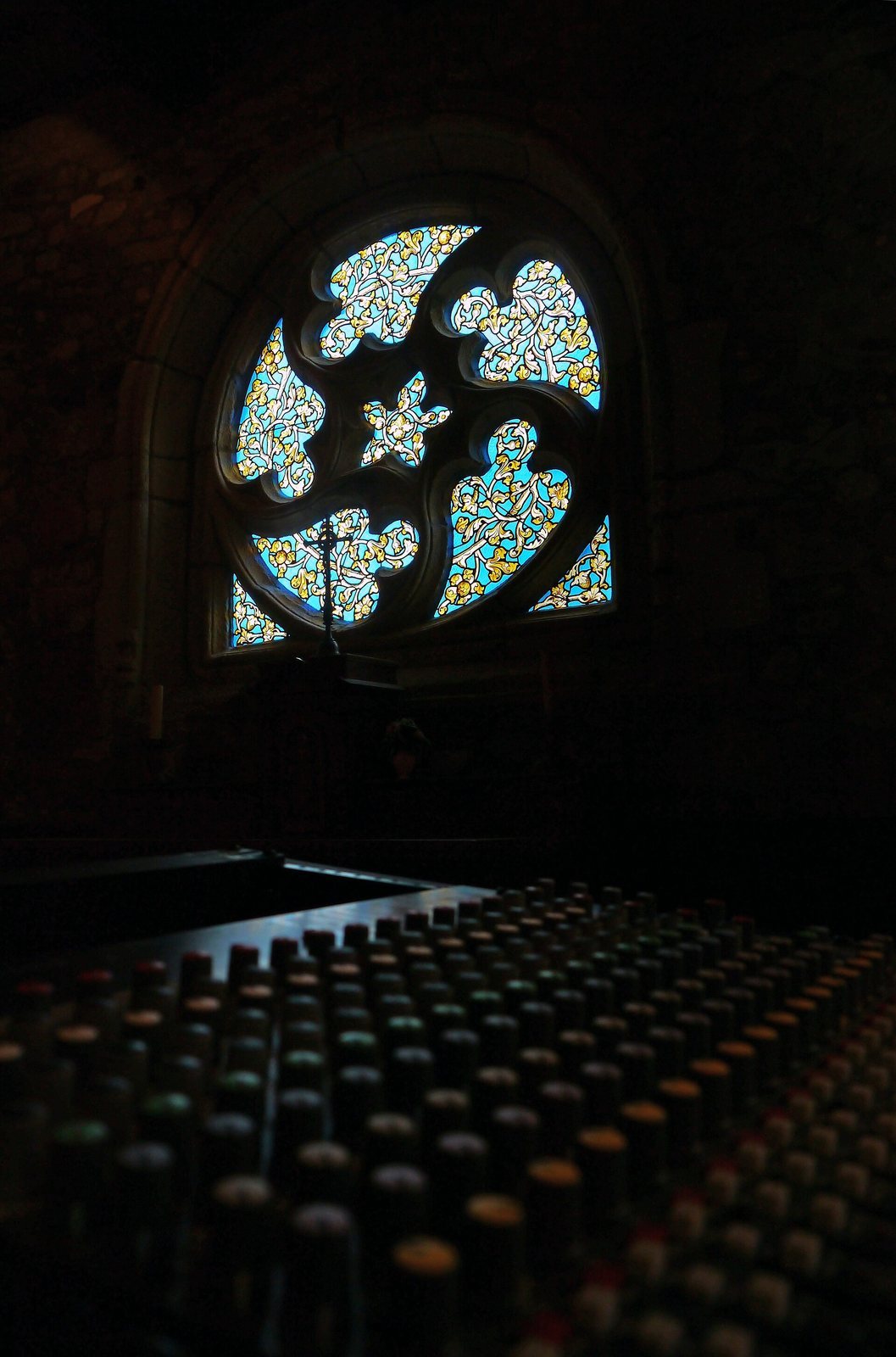
The furnishings include a 16th-century holy-water font and wooden crucifix. The Lost Rosalie, an 18th-century marine votive painting, was an offering made in connection with a vow or in gratitude. A 19th-century stained-glass window depicts Saint Julian the Hospitaller and was made by Antoine Meuret.