Manoir du Pouët: A Sixteenth-Century Manor in France
Site at a Glance
- Popularity
- Very Low
- Country
- France
- Primary era
- Early Modern
- Eras represented
- Medieval, Early Modern
- Civilizations
- French
- Site type
- Domestic
- Remains
- Manor House
On this page7 sections
History
The Manoir du Pouët is a manor in France that dates predominantly to the sixteenth century. The Pouët was a fief, a holding subject to a superior lord, within the barony of Preuilly, a lordship under which such holdings could be held. It was also associated with the former parish of Saint-Michel-du-Bois.
Sixteenth- and seventeenth-century ownership
The Périon family owned the property during the sixteenth and seventeenth centuries. Jean de Périon was lord of the fief in 1567, followed by Antoine de Périon in 1574 and Louis de Périon in 1656.
The family’s ownership probably gave rise to the names Grange-Périon and Grange-Périon-les-Preuilly. The fief was also known as La Grange-Jacquemin during the seventeenth and eighteenth centuries; Le Guillery and Gratepuy depended on it.
Eighteenth-century changes
On 22 August 1743, François de Gallifet, baron of Preuilly, bought the manor from Jacques Mayaud de Bois Lambert, an esquire, a rank of the French nobility. The name Le Poëte appears on the Cassini map, a map series of France made in the eighteenth century. In the late eighteenth century, Louis Villeret farmed the seigneury, the estate associated with a lordship, as a tenant.
The manor was registered as a Historic Monument in 1984, a form of statutory heritage protection in France.
Remains
Manor buildings
Main residence
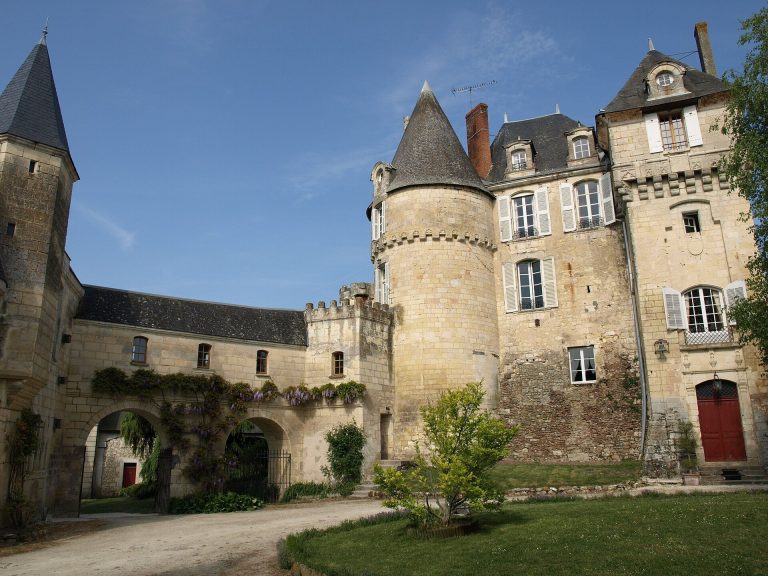
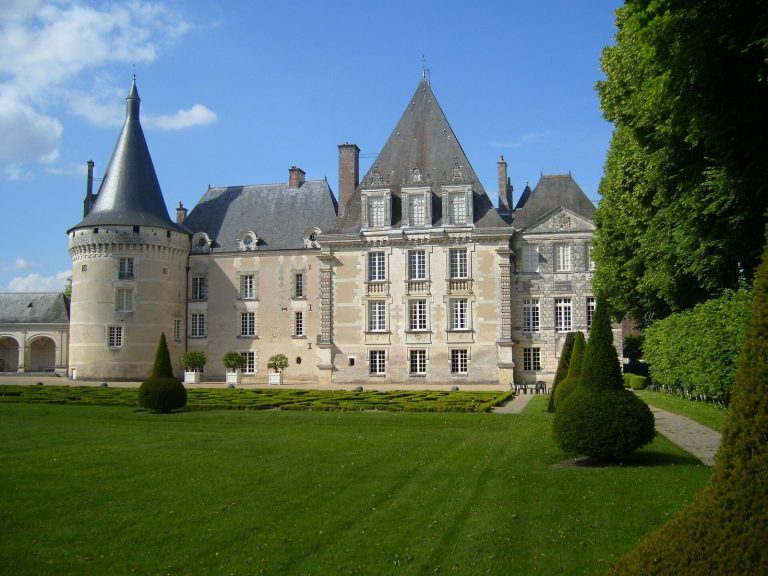
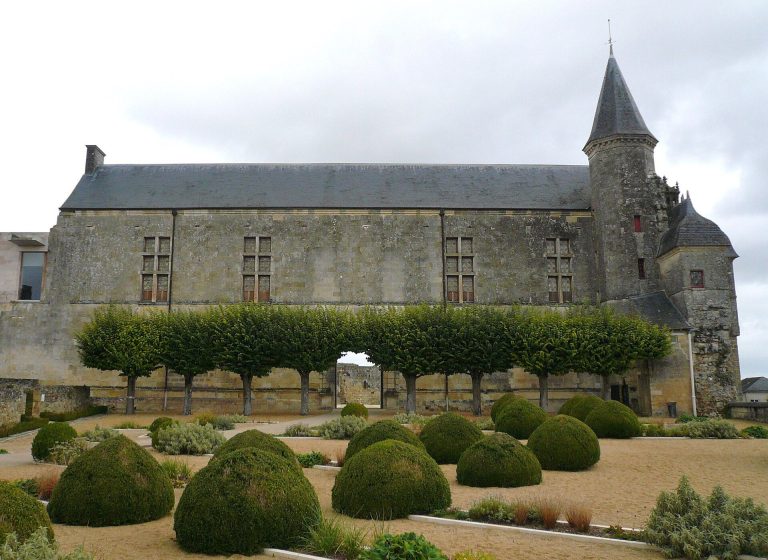
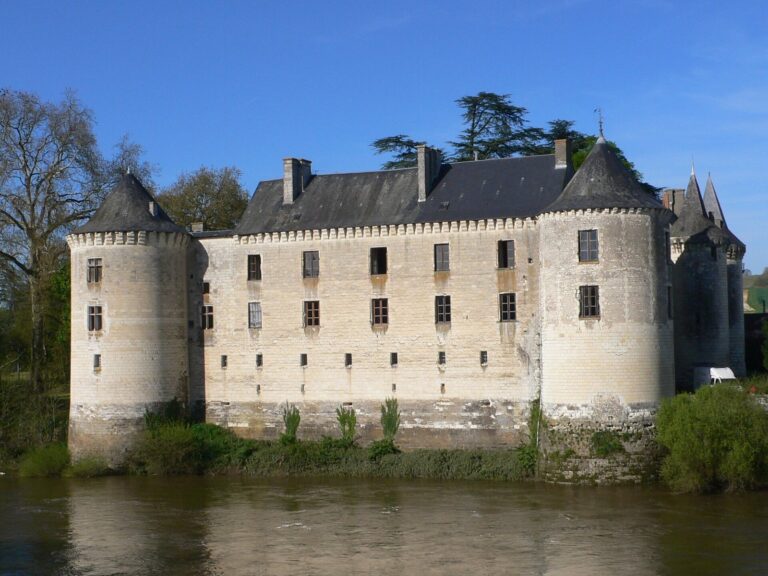
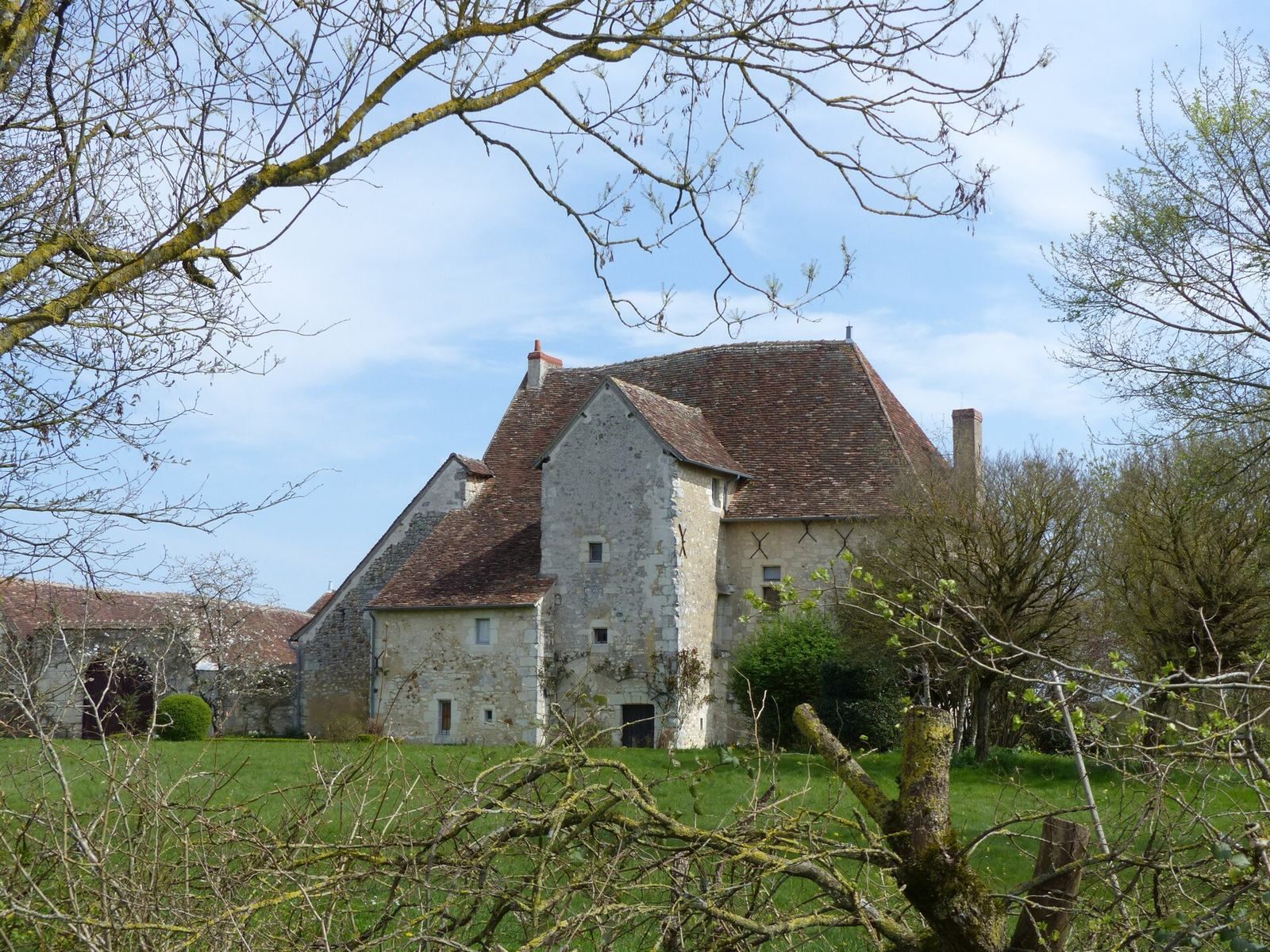
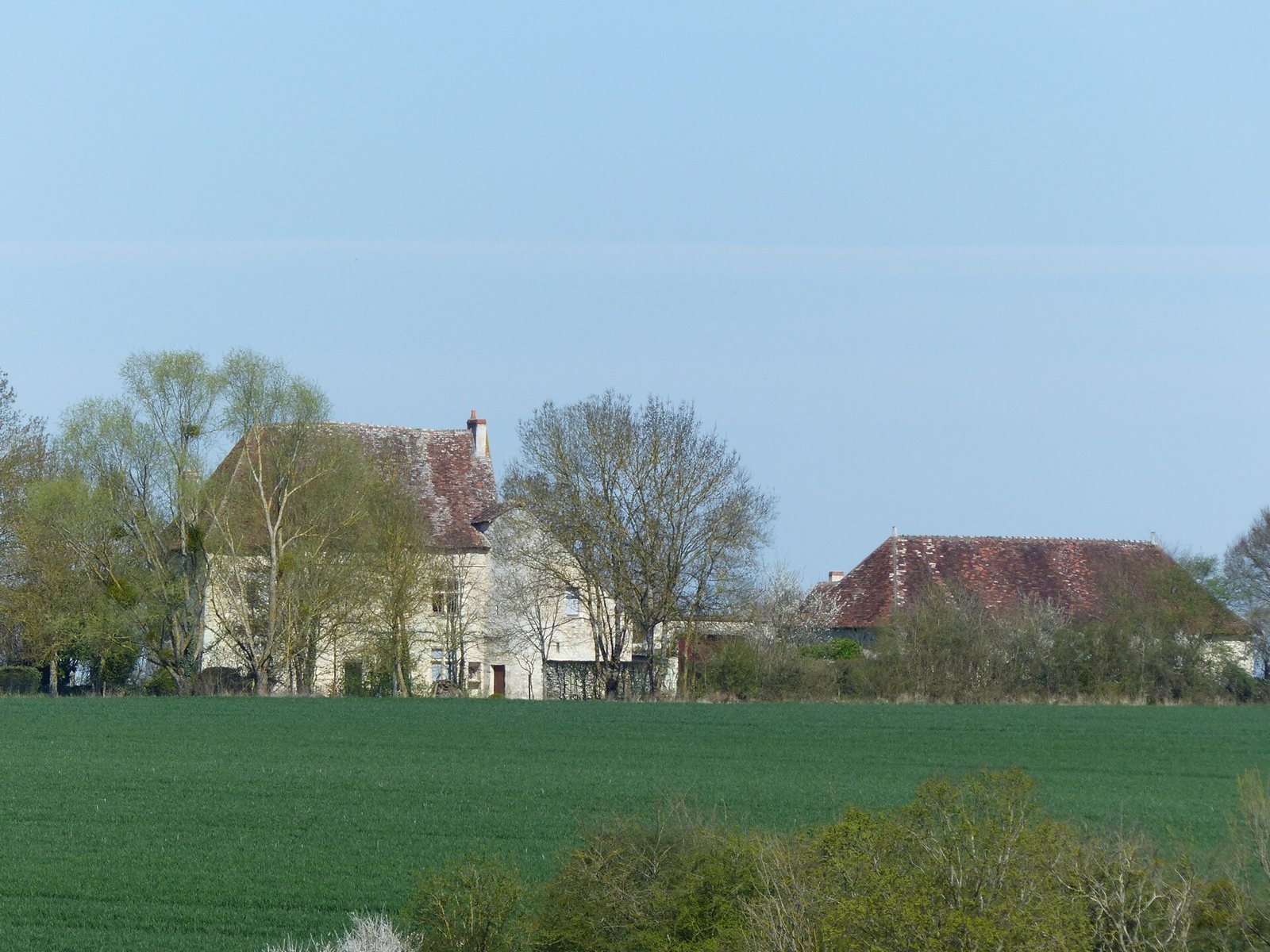
Set on a hillside overlooking the Claise valley, the principal building has a rectangular plan, a circular tower cut off at an angle, and an adjoining lean-to. At the center of the northwest façade, a projecting square tower contains a spiral staircase serving the floors. Two upper-storey windows retain cross-mullioned frames, with bars dividing each opening into sections. Traces of a coat of arms remain above the ground-floor entrance. Inside, a fireplace probably dating to the fifteenth century has a broad mantel supported by two columns.
Entrance portal
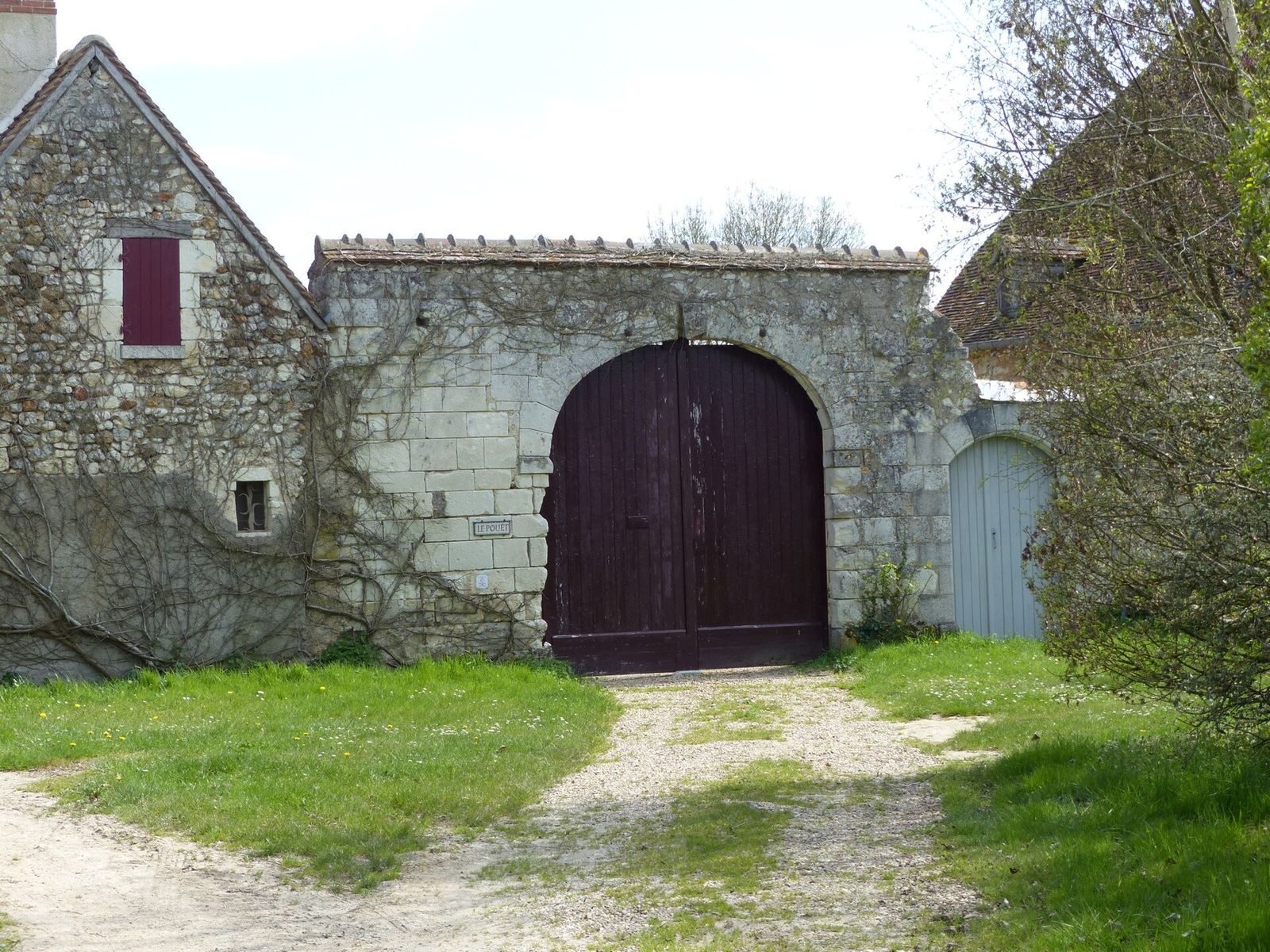
The imposing entrance portal consists of a carriage gate and an adjoining pedestrian door. It probably dates to the seventeenth century.