Gazi Pavilion: An Atatürk Museum in Diyarbakır
Site at a Glance
- Popularity
- Medium
- Country
- Turkey
- Primary era
- Medieval
- Eras represented
- Medieval
- Civilizations
- Aq Qoyunlu
- Site type
- Domestic
- Remains
- House
On this page12 sections
History
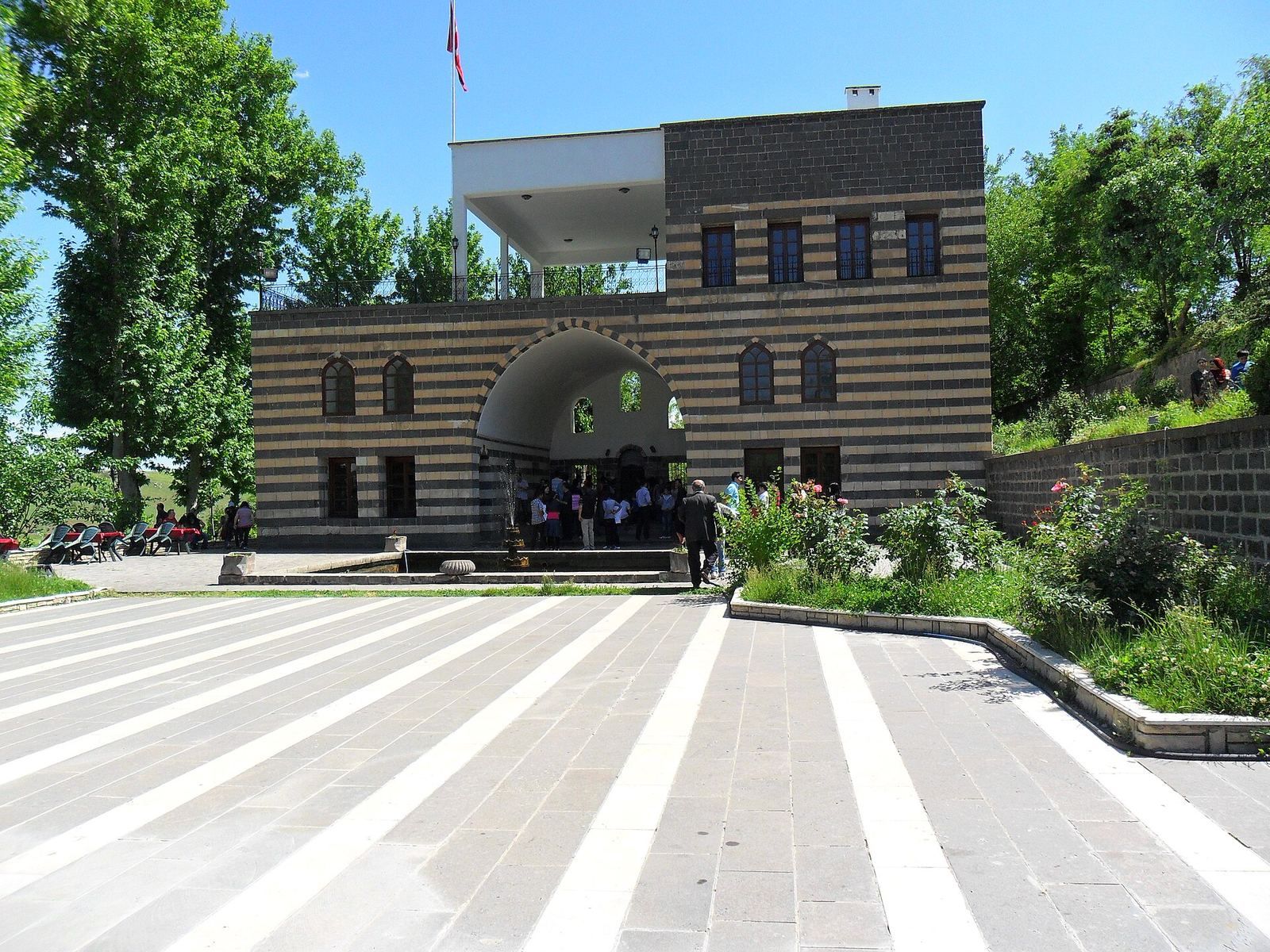
Gazi Pavilion is a two-storey historic pavilion outside Mardin Gate in Diyarbakır, Turkey. Its construction date and builder are unknown, but Metin Sözen and Adil Tekin attributed it to the fifteenth-century Aq Qoyunlu period on the basis of its architectural features. The Aq Qoyunlu were a Turkmen ruling confederation whose power extended across eastern Anatolia during that century.
Atatürk’s headquarters and later use
Previously called Semanoğlu Pavilion, the building served as the headquarters of Mustafa Kemal Atatürk while he commanded the 16th Corps in Diyarbakır during the First World War. Atatürk, a Turkish military officer and political leader who later became the country’s first president, arrived in the city on 14 March 1916 and remained at the pavilion until 27 March 1917.
In 1937, Diyarbakır Municipality bought the pavilion and presented it to Atatürk. During a later restoration, part of the upper floor was damaged and subsequently lost. The building is now used as an Atatürk museum, displaying his personal belongings.
Remains
Plan and setting
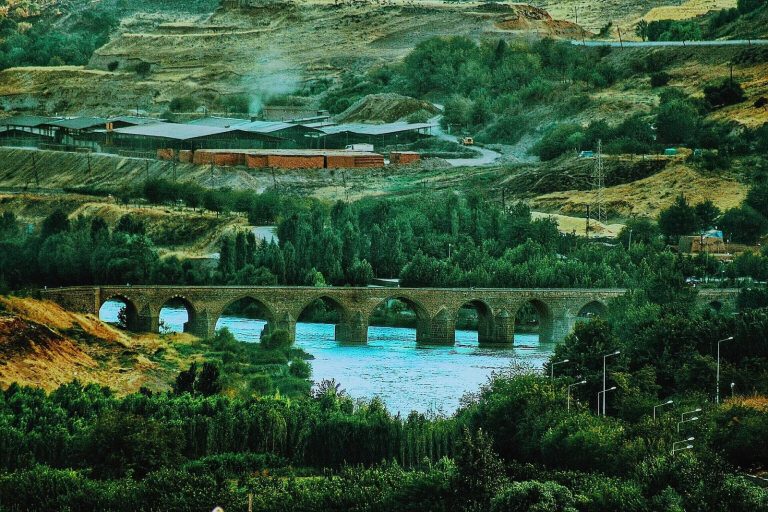
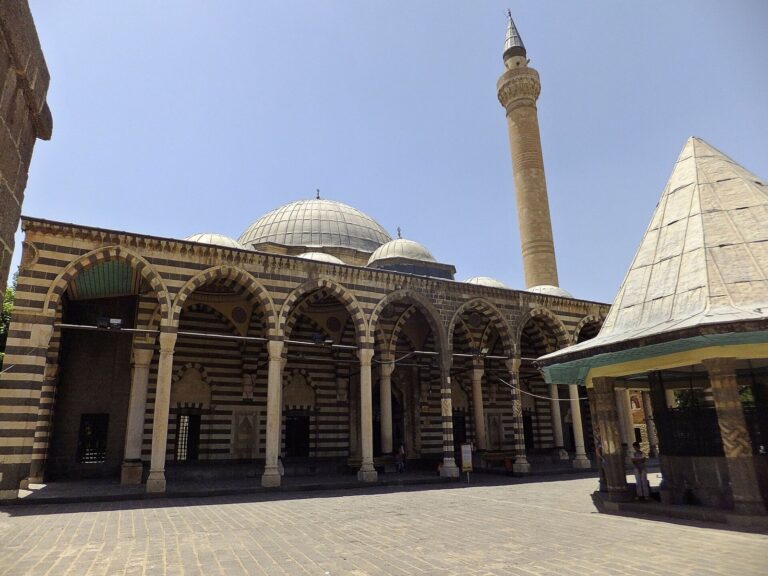
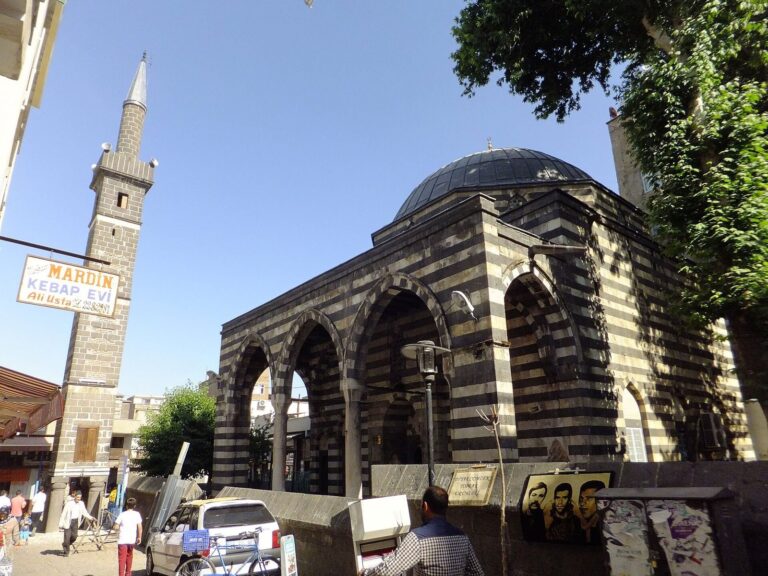
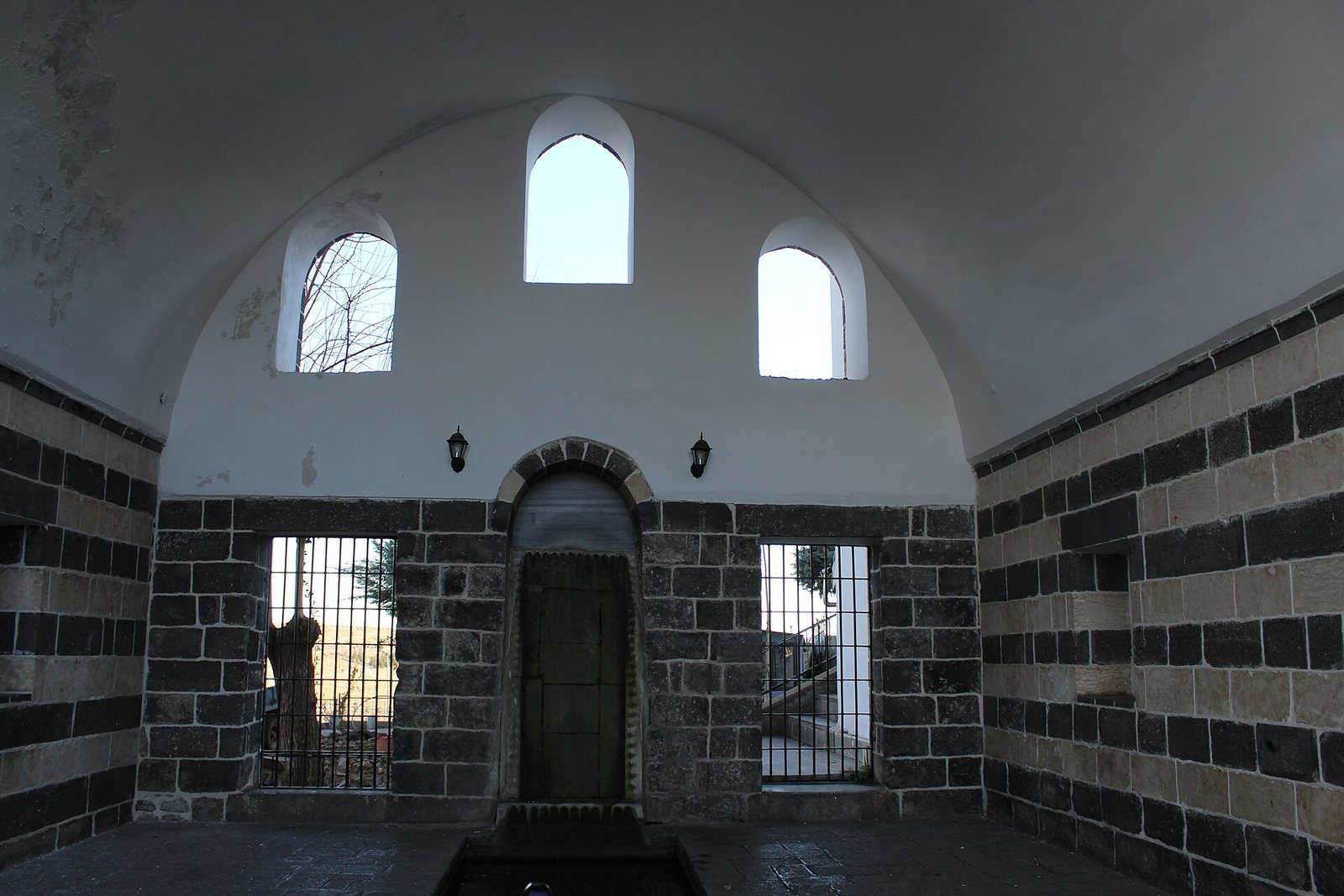
The pavilion stands in a large garden on the western slope of the Tigris Bridge. It follows the Diyarbakır house type, with a broad iwan, a vaulted hall or porch open on one side, and contrasting black and white cut stone. The ground floor has an east-west rectangular plan, 7.20 by 11.00 metres externally. The upper floor has an east-west, four-sided plan measuring 7.20 by 11.50 metres.
Ground-floor rooms
Tea room
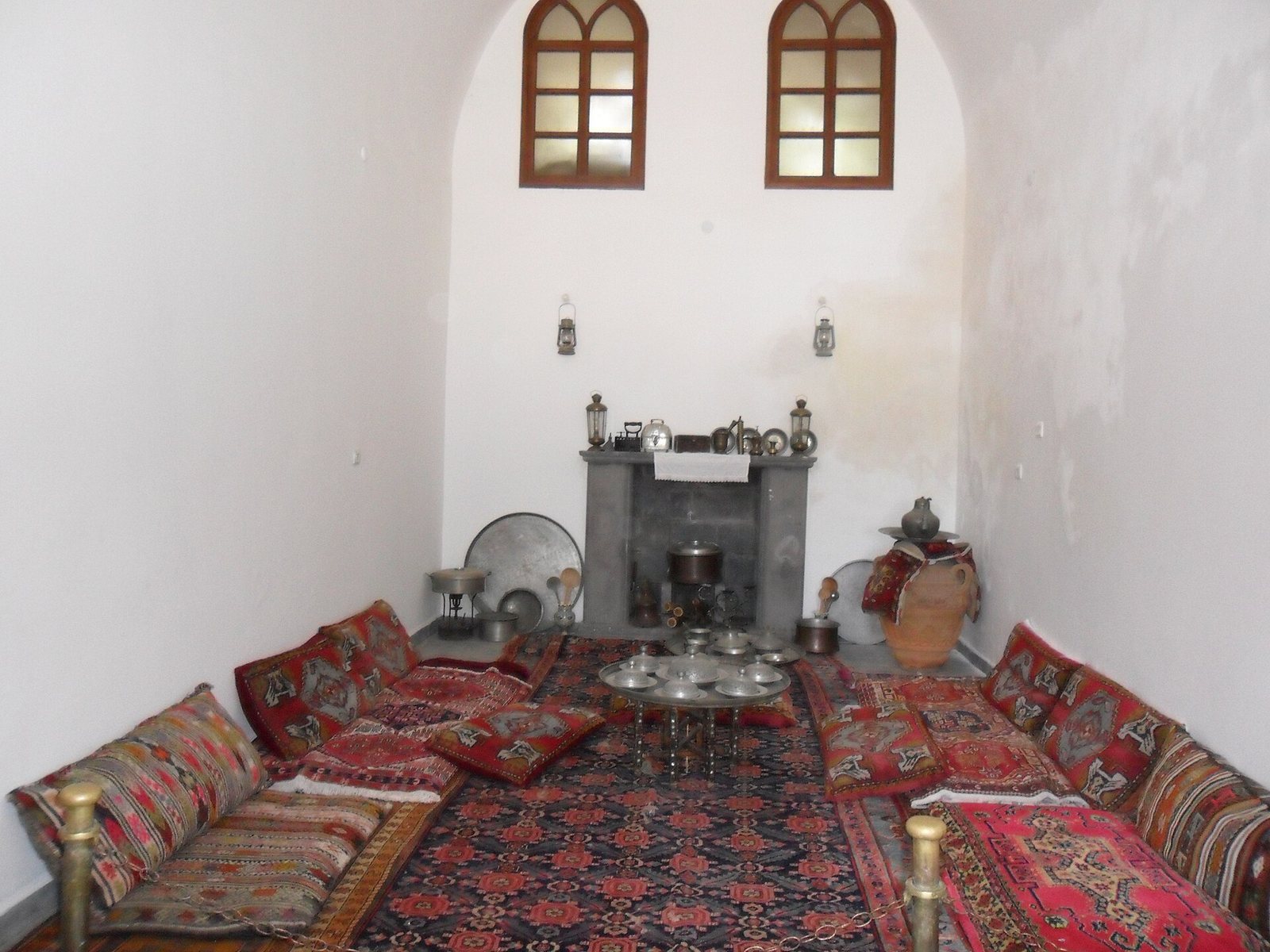
A small door to the right of the entrance leads to the kitchen, while one to the left opens into the rectangular tea room, designed to face the Tigris. On its south wall are two upper windows with pointed arches and two lower windows with flat arches. Broad, double-leaf windows with low arches occupy the west side; the north side has two upper pointed-arched windows and two lower windows. Wooden surrounds were added to the windows later. Inside, smoothly cut basalt forms the lower wall section, while reinforced concrete and gypsum plaster cover the upper section. A wooden doorway combines pointed and low arches, and niches are set into the walls.
Iwan
The ground-floor iwan has a vaulted ceiling, wall niches, and a stone fountain. Three round-arched windows and two lower, flat-arched openings pierce its south wall; V-shaped borders frame the edges. The fountain has a circular arch and a marble floor. Water passes from it into a rectangular basin, then through a covered channel to the larger garden pool. A pointed-arched doorway on the north side leads to an intermediate space with double-leaf, flat-arched windows and access to the kitchen. Stairs from the kitchen connect to the upper floor.
Upper floor
Tradition holds that this level once contained an iwan and two rooms. A terrace now occupies part of it, beneath a roof of Marseille tiles supported by reinforced-concrete posts. A passage from the kitchen reaches the centre of the floor and continues to a room with a bathroom. That room has three outward-facing, double-leaf windows fitted with iron grilles; two open onto the terrace.
Façades
North façade
The north façade has numerous windows with flat stone bands and pointed arches. Its masonry alternates courses of white limestone and basalt, a pattern also used in the pointed arch of the iwan. Smooth basalt and limestone appear in sequence across the façade.
South façade
The south façade is finished in reinforced concrete and plaster. The pavilion’s exterior has no ornamental elements.
Floors, roofs, and garden
Basalt is used for the interior floors and for the floors of the courtyard and iwan. Elsewhere, flat roofs rest on wooden beams. The roof covering, once earth, is now reinforced concrete. The garden contains a large pool with a tiled floor and a marble fountain, as well as a statue of Atatürk. A restoration inscription is associated with the pavilion.