Anta da Vidigueira: A Prehistoric Dolmen in Portugal
Site at a Glance
- Popularity
- Low
- Country
- Portugal
- Primary era
- Stone Age
- Eras represented
- Stone Age
- Civilizations
- Unclassified
- Site type
- Burial
- Remains
- Tomb
On this page6 sections
History
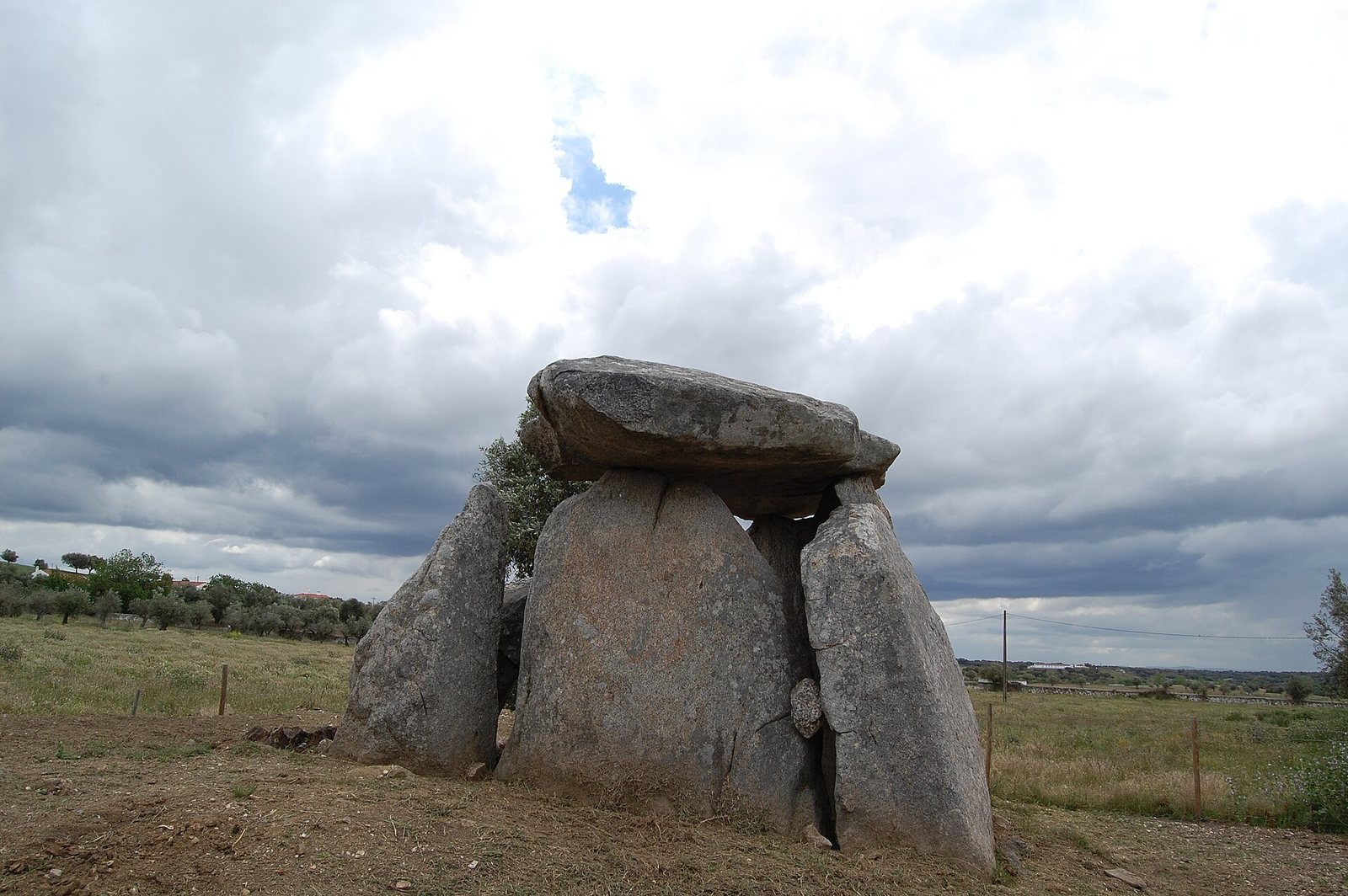
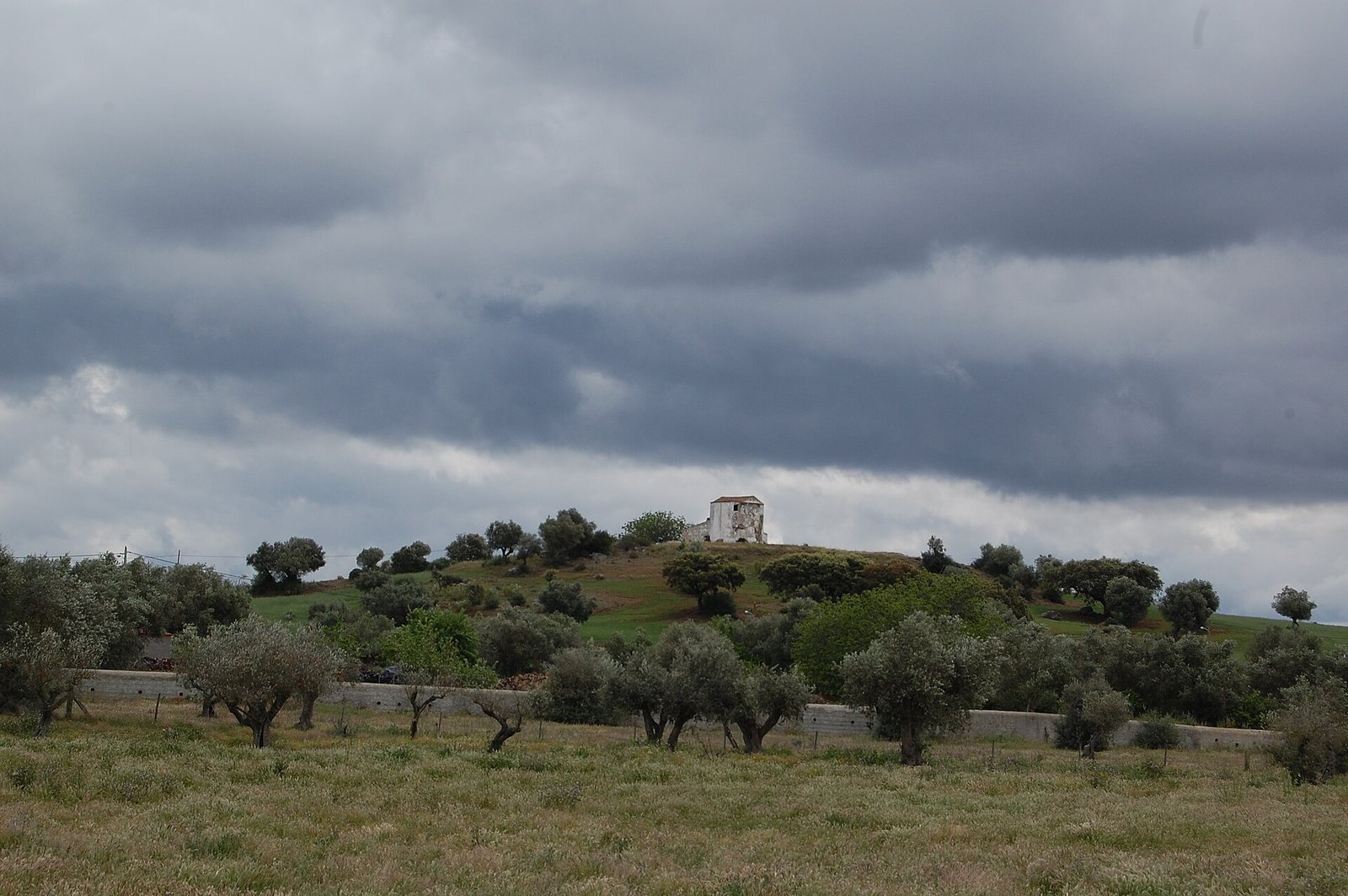
Anta da Vidigueira is a prehistoric dolmen, a stone-built burial structure, near Freixo in Portugal. It was probably built between the late fourth millennium and the first half of the third millennium BCE, spanning the Neolithic, a period of farming and settled communities, and the Chalcolithic, or Copper Age, which preceded the Bronze Age. The monument lies within a regional megalithic area: around 50 comparable monuments have been identified in Redondo municipality, including about 30 near Freixo.
Identification and archaeological study
Portuguese historian and antiquarian Gabriel Pereira identified the monument in 1879. It attracted wider attention in 1883, when architect and antiquarian Possidónio da Silva described it in a nationally circulated publication. Anta da Vidigueira has been classified as a National Monument since 1910.
German archaeologists Georg and Vera Leisner visited in March 1945, drew a plan, and published it in 1949 alongside information about other monuments in Redondo. They had worked intermittently in the municipality since 1932 but did not excavate this tomb. The first formal excavation took place over 12 days in March 2008, led by archaeologist Rui Mataloto of Redondo Municipality with help from archaeology students. Archaeologist Rui Boaventura is also associated with the site.
Remains
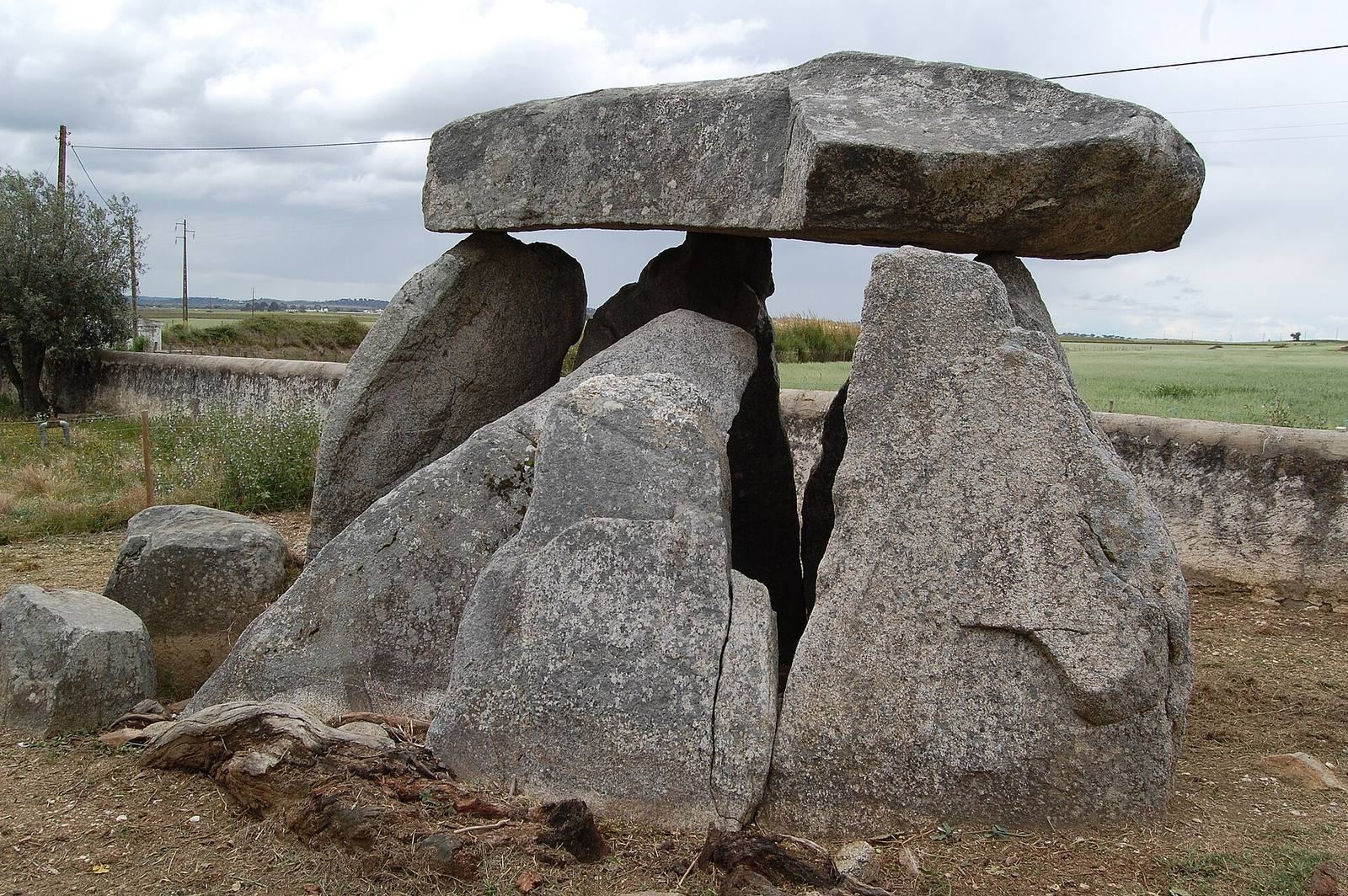
The tomb consists of a stone burial chamber reached by an entrance passage, with the remains of an earth-and-stone mound around it. Its principal structural stones are granite.
Tomb structure and finds
Chamber and entrance passage
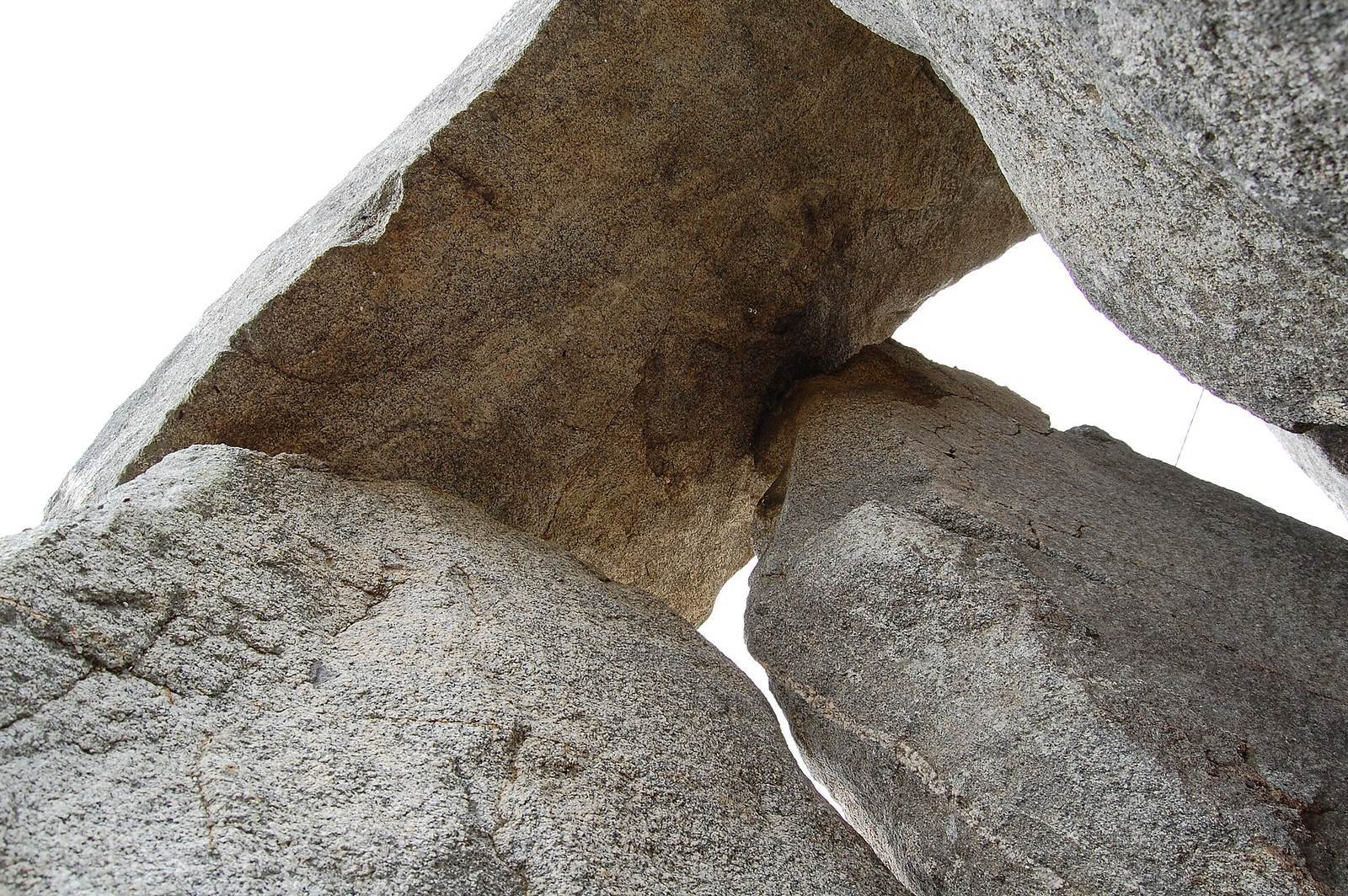
Seven upright granite stones form a polygonal chamber about 3 m across; the stones stand approximately 2.2 m high. A large covering stone, slightly damaged and marked with several engraved dimples, rests over the chamber. The entrance passage extends about 4 m. Four of its original upright stones remain visible, and the passage has no covering slab.
Mound and excavated finds
Recognizable remains of the earth-and-stone burial mound extend to about 8 m in diameter. Excavations recovered two large flint blades from the chamber, as well as flint fragments from both the chamber and passage. Four arrowheads came from within and around the passage, including two made of flint and one of white quartz. Beads made from shale were also found. The stone objects appear to have served chiefly as offerings. Prehistoric pottery was scarce and undecorated, and pottery from the Roman period was also recovered.