Collegiate Church of Sant’Antonio Abate: A Roman Catholic Church in Locarno
Site at a Glance
- Popularity
- Low
- Country
- Switzerland
- Primary era
- Early Modern
- Eras represented
- Medieval, Early Modern, Modern
- Civilizations
- Swiss
- Site type
- Religious
- Remains
- Church
On this page9 sections
History
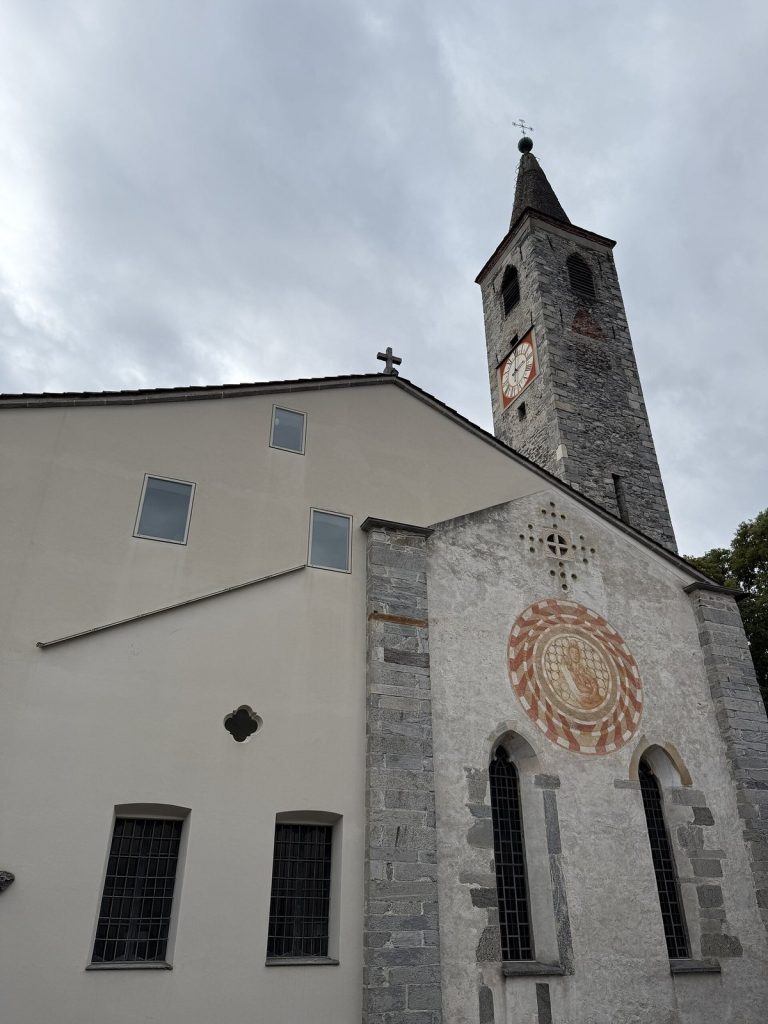
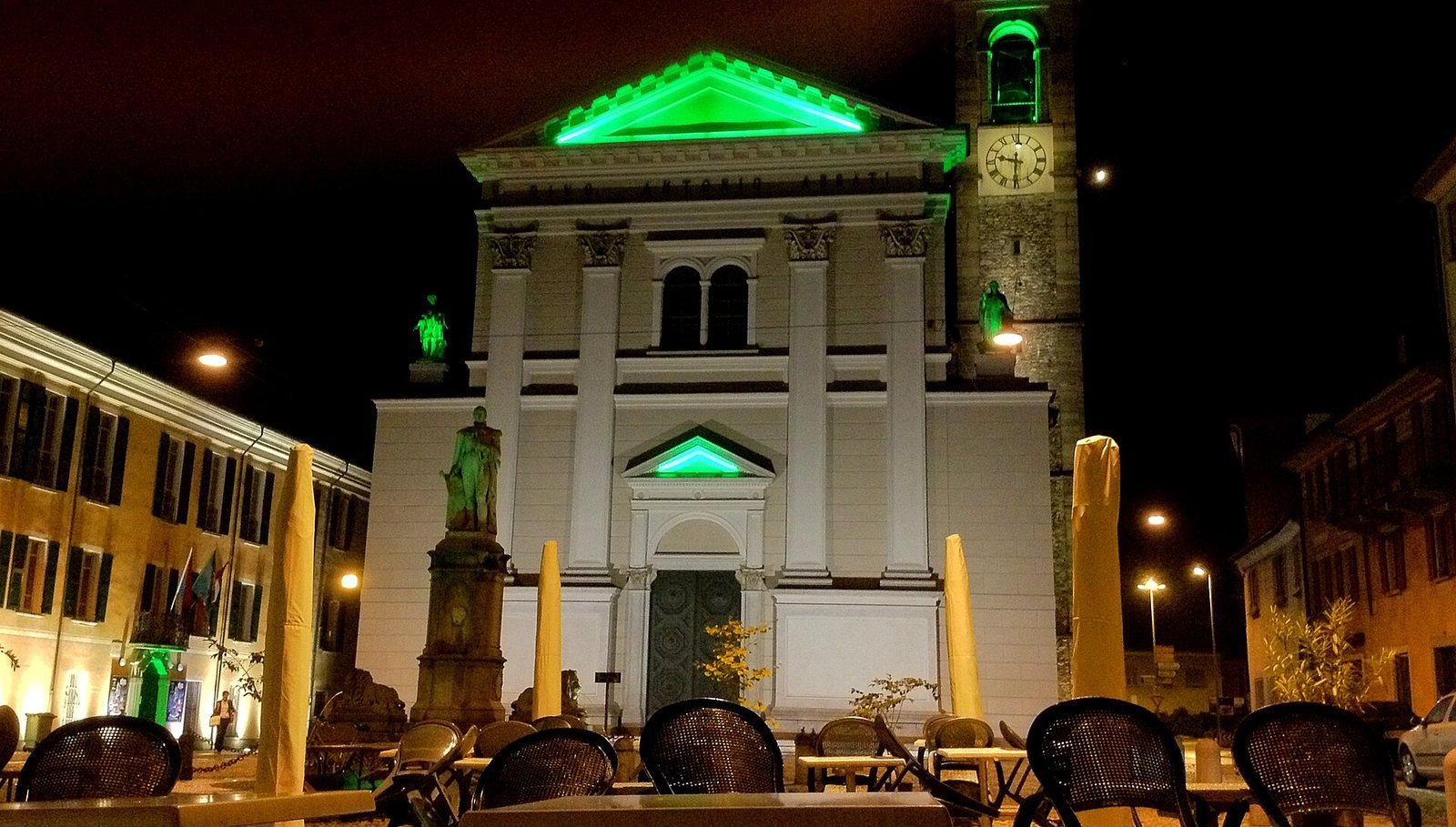
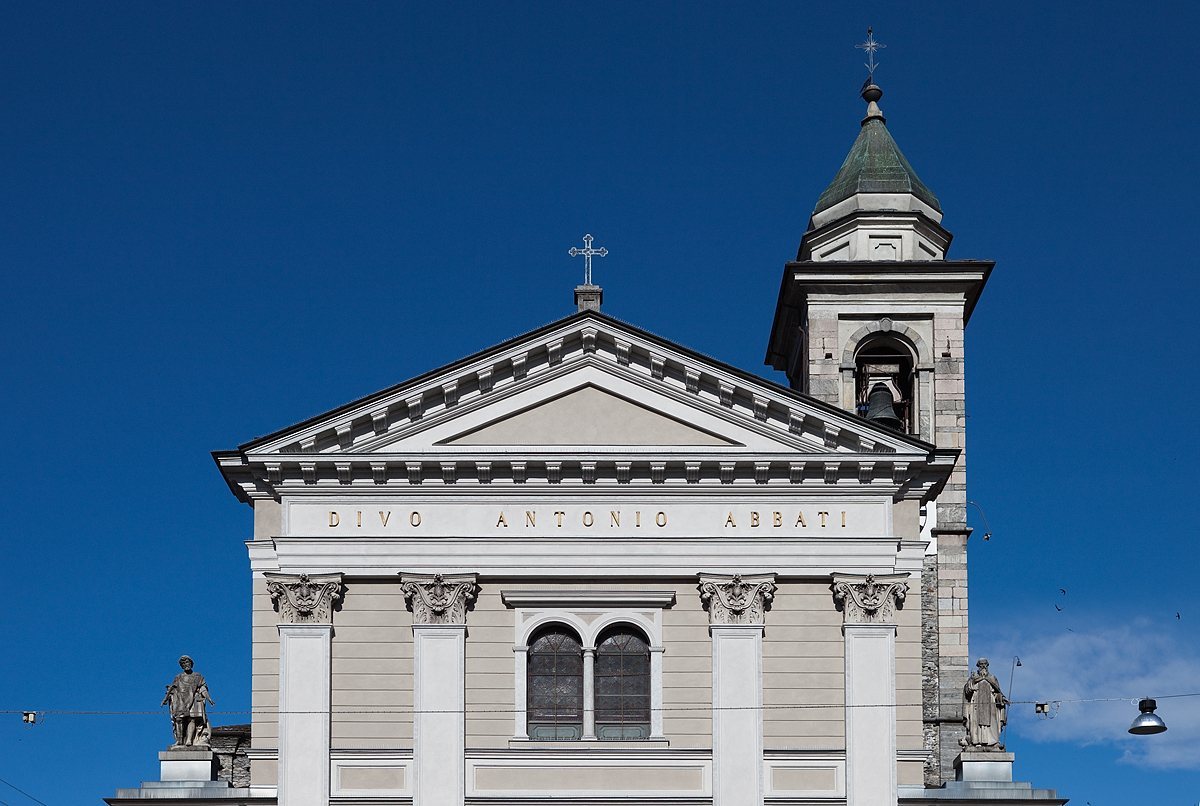
The Collegiate Church of Sant’Antonio Abate is a Roman Catholic church in Locarno, Switzerland, served by a clergy chapter for worship and administration rather than as a bishop’s seat. It belongs to the Diocese of Lugano. Erected in the first half of the 14th century, the church has a Baroque architectural character and a Neoclassical façade.
Foundation and Baroque works
Later building campaigns shaped the church’s present form, apart from its façade. The exterior work ended in 1664, work on the choir was completed in 1682, and the nave followed in 1692. Pietro Bottini served as architect, and the church was consecrated in 1682.
The 1863 collapse and rebuilding
On 11 January 1863, a vault over one bay collapsed, killing 47 people inside the church. Reconstruction after the disaster brought changes to the façade, which was redesigned in the Neoclassical style with inspiration from the Church of San Vittore in Cannobio.
Organ and later conservation
A new organ was built in 1872 by Adeodato Bossi-Urbani. Subsequent alterations and restorations changed its original characteristics; Italo Marzi carried out the latest of these in 1991. After about a decade in poor condition, air leaks and low-quality materials from earlier restoration work contributed to its rapid deterioration. Extensive maintenance by Ilic Colzani in spring 2016 improved the instrument’s ability to express its tonal qualities. The church’s cantonal protection required materials from earlier interventions to be retained.
Remains
Architectural layout and fittings
The church has a single nave crossed by a transept, with several chapels along each of the nave’s two long sides. Corinthian pillars, whose capitals are traditionally decorated with stylized foliage, support the ceiling. The nave bays have barrel vaults, curved ceilings shaped like half-cylinders, while a dome covers the crossing where nave and transept meet.
Bell tower
The 17th-century bell tower was heightened several times during the 18th century. It contains five electrified bells.
Paintings and frescoes
Paintings and frescoes by local masters of the 18th and 19th centuries decorate the interior walls and side chapels. In 1742, Antonio Felice Orelli painted the decoration in the southern chapel of the transept.
Pipe organ
The pipe organ stands on a wooden gallery against the interior face of the entrance façade. Its original austere Neoclassical case survives. The instrument has two 61-note keyboards and a 32-note concave-radial pedalboard, a curved arrangement of pedals played with the feet. Its 43 stops control which pipes or groups of pipes sound. The action, the mechanism that transmits the player’s movements, is mechanical for the keyboards and pedals, and electric for the stops and combinations.