San Martino di Tours: A Romanesque Church in Erli, Italy
Site at a Glance
- Popularity
- Very Low
- Country
- Italy
- Primary era
- Medieval
- Eras represented
- Medieval, Early Modern
- Civilizations
- Unclassified
- Site type
- Religious
- Remains
- Church
On this page14 sections
History
Early church and parish role
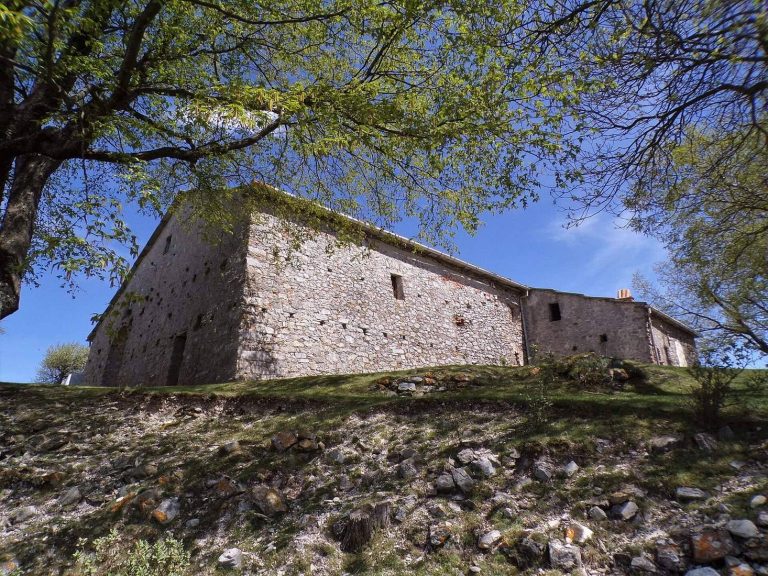
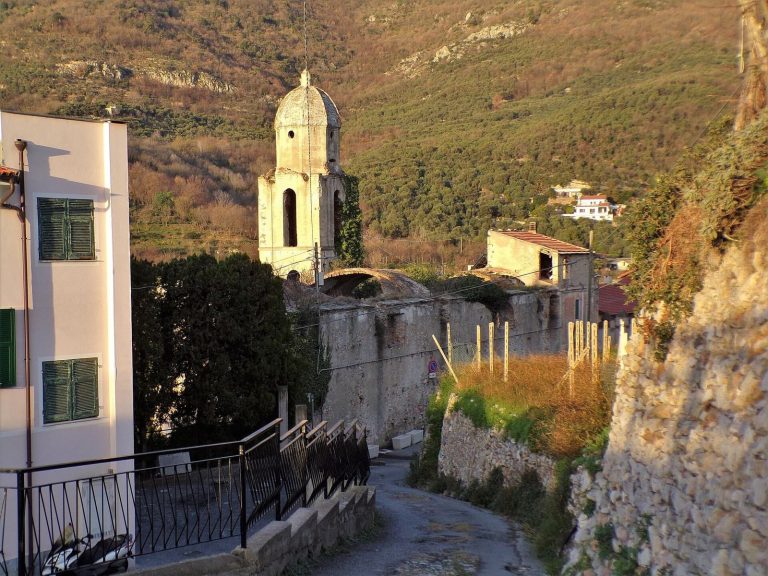
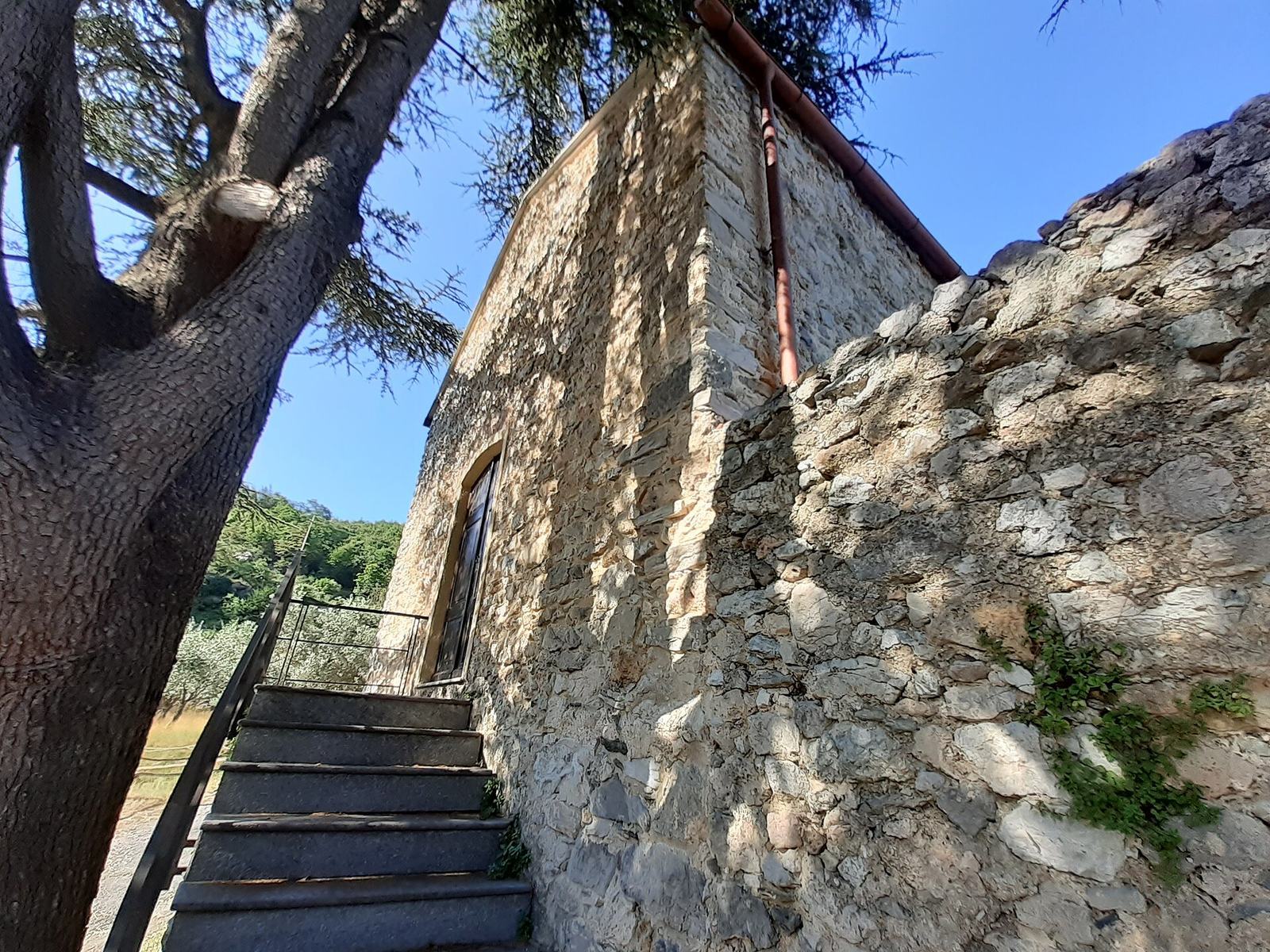
San Martino di Tours is a Romanesque church, built in a medieval European style, in Erli, Italy, during the tenth or eleventh century. It is considered one of the oldest churches in the Neva Valley. Its position near routes through Praetto and Berrioli may have made it a resting place for pilgrims travelling toward Piedmont. Carthusian monks, members of a Catholic monastic order devoted to contemplative life, probably also had a mission to spread Christianity in the upper Neva Valley.
The church was linked to the parish of nearby Castelvecchio, which also served churches at Zuccarello, Verzegge, and Cisano di Garessio. The leading village in the area gave its name to the valley, known in Latin as Vallis Cohedani. In 1467, Adriano Beffa, a local syndic or civic official, arranged repairs to the churchyard. Enrico Gastaldi undertook roof work, and new bells were acquired in 1484.
Around 1471, Erli’s territory was assigned to the diocesan district of Zuccarello within the Diocese of Albenga, a territory administered by a bishop. A new parish church dedicated to Saint Catherine was then begun in a more central location. San Martino continued as the parish church until 1583, when Bishop Luca Fieschi transferred the sacraments to the new building.
Funerary chapel
After losing its parish role, San Martino continued in use as a funerary chapel until 1929. Repairs between 1585 and 1606 addressed the front of the church, its bells, and the cemetery. The choir was moved toward the eastern end in 1624. The second altar, dedicated to the Madonna, was dismantled under diocesan orders issued in 1602. It still appeared in an inventory dated 3 February 1606, so its removal occurred later. The last recorded burial was in 1628, a date associated with the completion of work at the nearby cemetery.
Disuse and restoration
The church fell into disuse after a larger municipal cemetery was built at Marenghi in 1929. Its abandonment was also associated with the Second World War. More than one postwar restoration followed, but damp and mould inside remained a problem. The church was officially blessed in November 1956, and its latest recorded repairs took place in 1988.
Remains
Church fabric
Plan and entrances
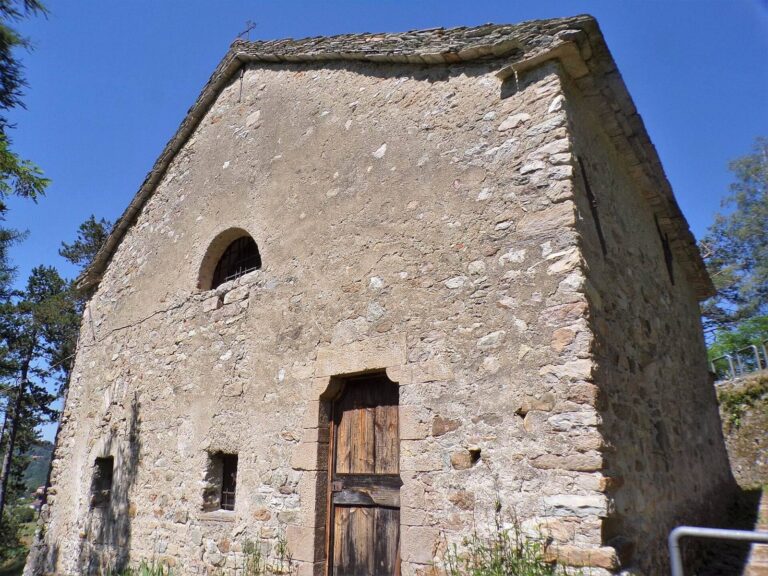
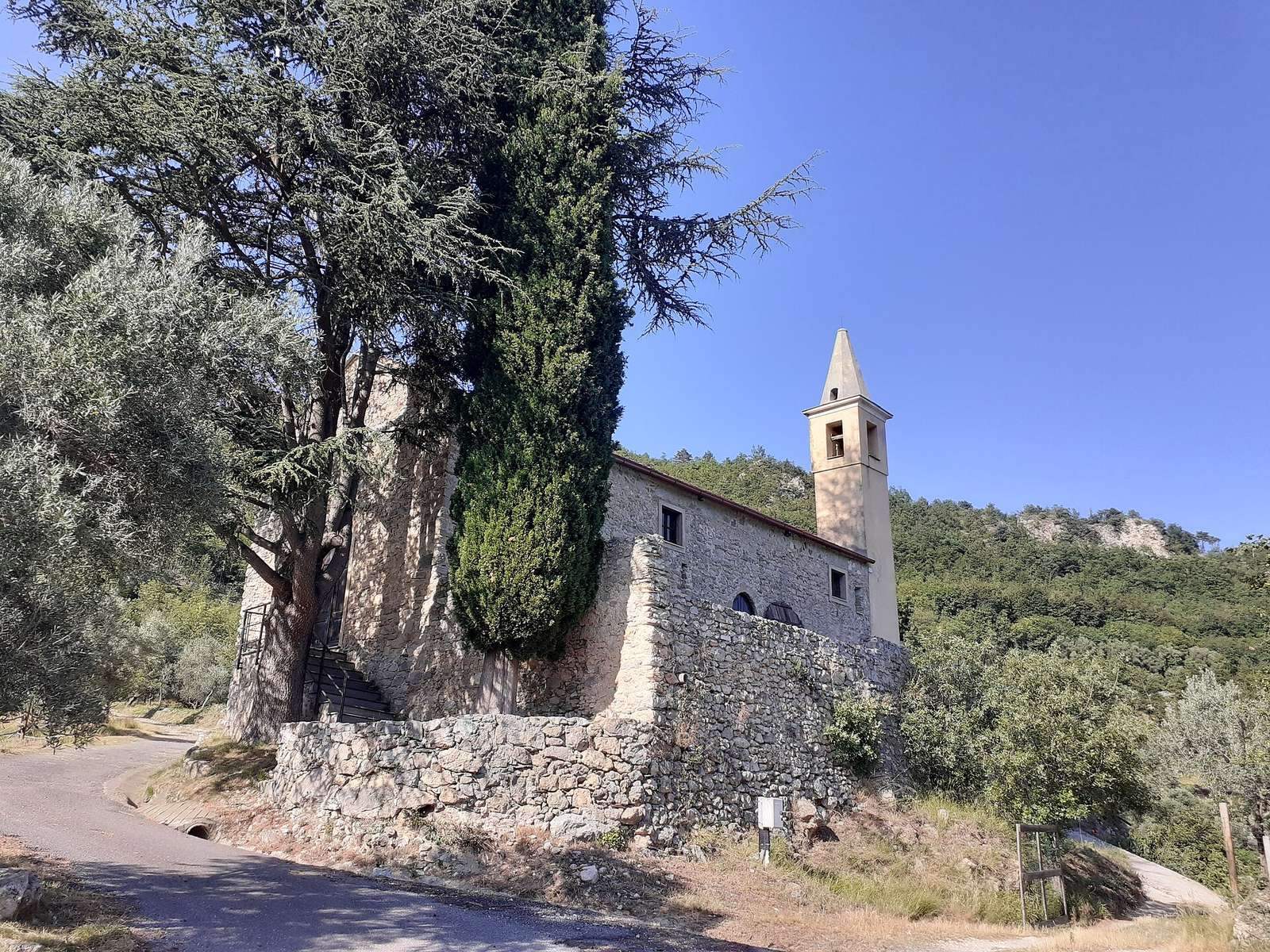
The church has a small basilica plan, a long layout organized around a main body, or nave, and an apse, the recessed end of a church, facing east. It originally had three entrances. The main entrance remains visible and in use, while one of the two entrances in the south wall is also visible.
Bell tower
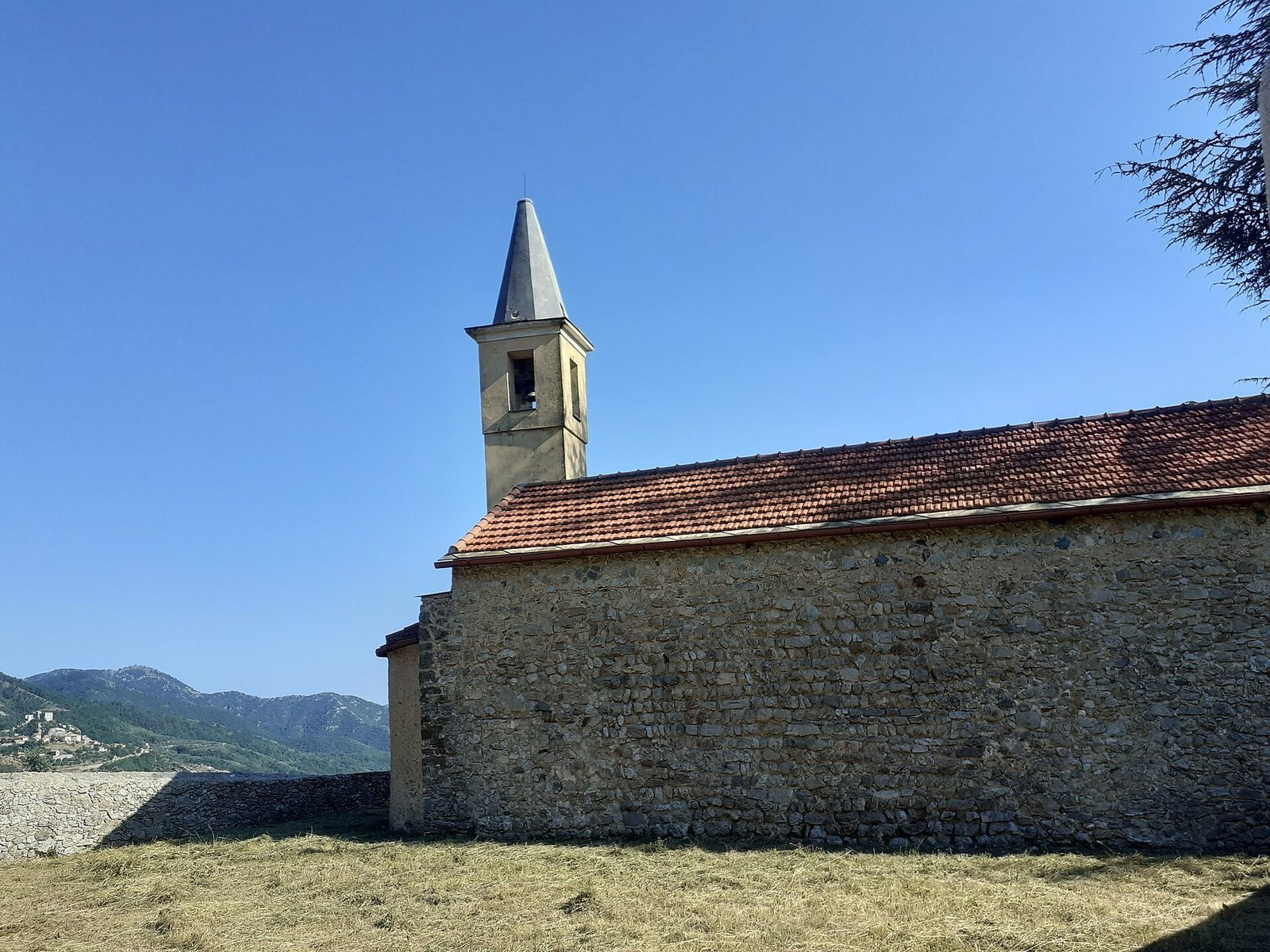
Attached to the original church, the bell tower was built between 16 June and 3 July 1610. It replaced a smaller sail-shaped bell gable, a wall-like structure with an opening for a bell. Later repairs included work on the tower.
Later repairs
In 1951, after flooding damaged the area, the roof was repaired and returned to its original framework-supported form. Later work renewed doors and windows, whitewashed the interior while preserving the paintings, and repaired the floor with new stone tiles from Marina di Finale.
Burial spaces
Burials took place in a crypt, an underground chamber used for burial. A retaining wall defined the boundary of the old cemetery, as described in a 1602 report by Bishop Luca Fieschi.
Paths and connections
A network of paths around the church once provided the only links between the hamlets of Praetto, Costa, and Pozzo, and also connected toward Berrioli and the Via della Sale. San Martino stood on the main route to Castelvecchio, the Via del Curlo; the route’s traces extend only a short way beyond Costa del Curlo, near Stra.
Frescoes
Nave panels
The nave walls carry frescoes arranged in a white-and-red band. One sequence includes Saint Stephen, a polyptych or multiple-panel painting of Saint Anthony, the Madonna and Child depicting Mary with Jesus, Saint Catherine, and Saint Lucy, followed by two separate panels of Saint Michael, the archangel. An unidentified fragment, possibly showing Saint Thomas, one of Jesus’s apostles, was painted by a different hand. Another sequence depicts Saint Catherine of Alexandria, Saint Anthony, and Saint Pantaleon, Christian martyrs; two figures in this group are not precisely identified. This group is attributed to a different workshop from the polyptych.
Saints near the altar
A much taller image of Saint Christopher, traditionally associated with travellers, survives in its lower portion. Nearby are Saint Martin, regarded as the protector of the hamlet of Pozzo, and a depiction of the martyrdom of Saint Sebastian, associated with protection against plague. The Saint Sebastian image is close to the altar. The paintings date to the second half of the fifteenth century and have been attributed to the Master of Erli, possibly the painter Segurano Cigna, although that identification remains debated. During repairs between 1585 and 1606, the interior was painted over, covering the original frescoes.