Chiesa del Gesù: A Jesuit Church in Como, Italy
Site at a Glance
- Popularity
- Low
- Country
- Italy
- Primary era
- Early Modern
- Eras represented
- Early Modern, Modern
- Civilizations
- Duchy of Milan, Italian, Spanish
- Site type
- Religious
- Remains
- Church
On this page10 sections
History
The Chiesa del Gesù is a Catholic church on Via Primo Tatti in Como, Italy, built by the Society of Jesus, a Catholic religious order commonly called the Jesuits, in 1576. Formally dedicated to Saints Felix and Amantius, two early bishops of Como, it is more commonly known by the name of the order that established it. The church belongs to the Diocese of Como and follows the Roman rite, the liturgical tradition used by most of the Latin Church.
Jesuit foundation and use
Jesuit architect Giovanni Tristano completed the church’s design in 1575. Construction began the following year on the site of Como’s former broletto, a civic palace used for municipal government in northern Italian towns. Giovanni Antonio Piotti revised the design while work was underway between 1577 and 1579.
From 1590, the church held the remains of Saint Amantius, transferred there from the Basilica of Sant’Abbondio. The Jesuits administered the church and its adjoining convent until their order was suppressed in the final three decades of the eighteenth century.
After the Jesuits
After the Jesuit order’s suppression, the convent was converted into gendarmerie barracks. In 1898, at the initiative of Bishop Teodoro Valfrè di Bonzo, the church and former convent were entrusted to Vincentian missionaries, members of a Catholic missionary congregation. They began conducting services at the church in 1904.
The church is now a branch of the parish of the Basilica of San Fedele. It underwent restoration in 1968.
Remains
Exterior
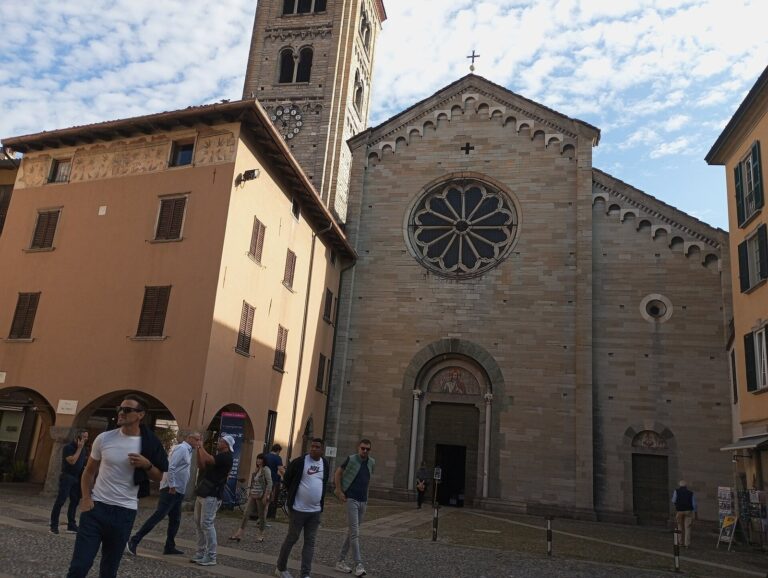
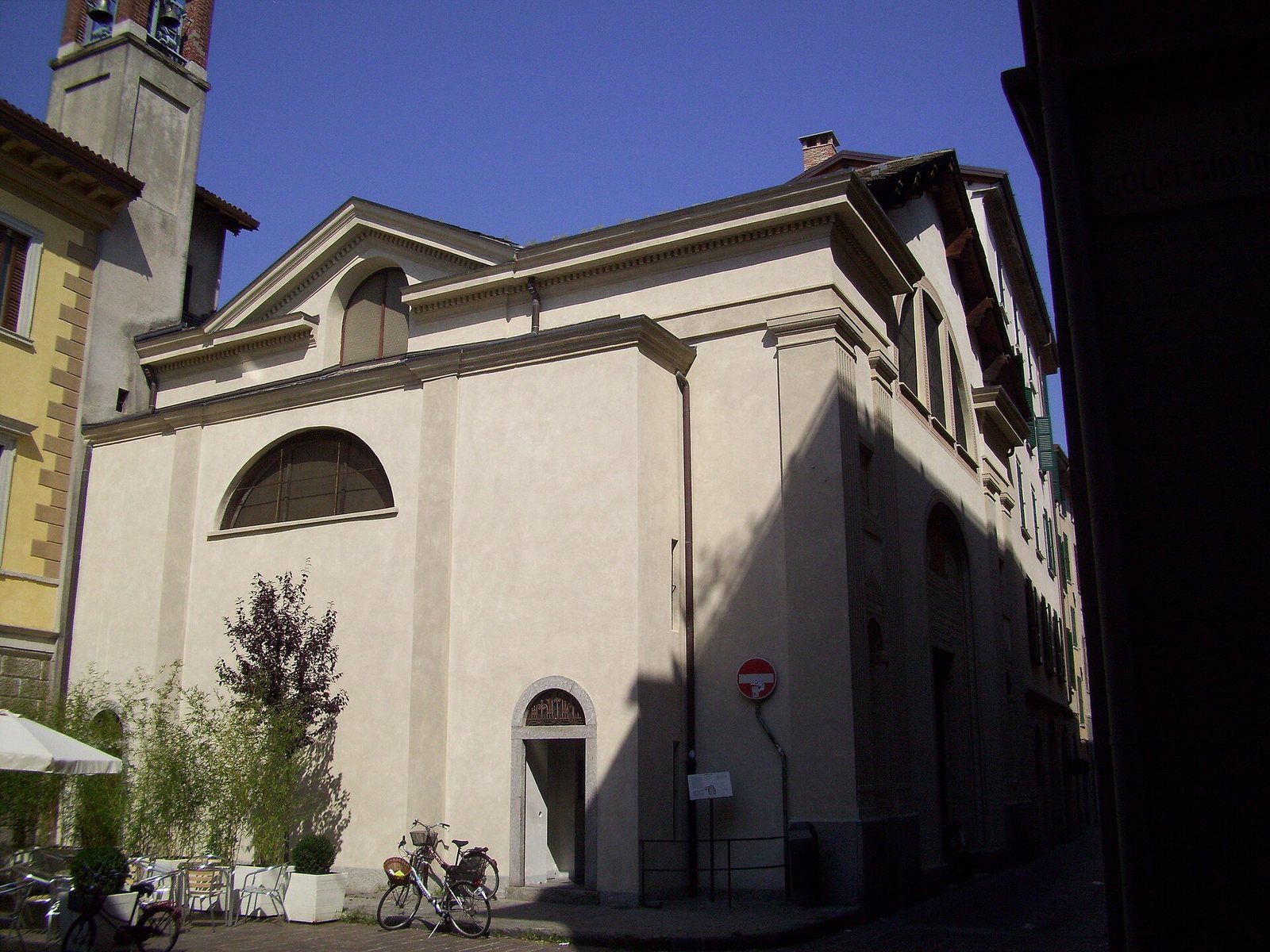
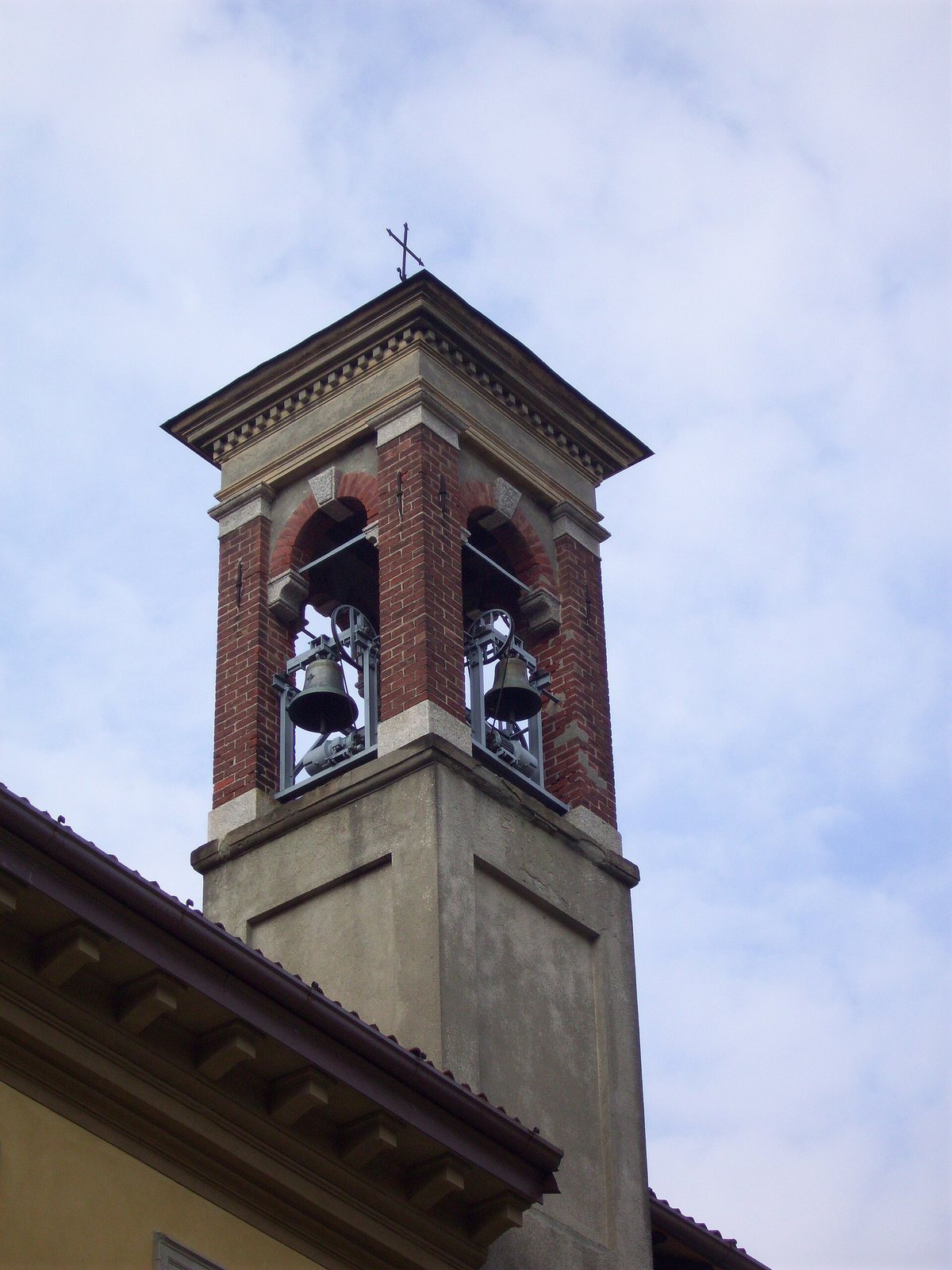
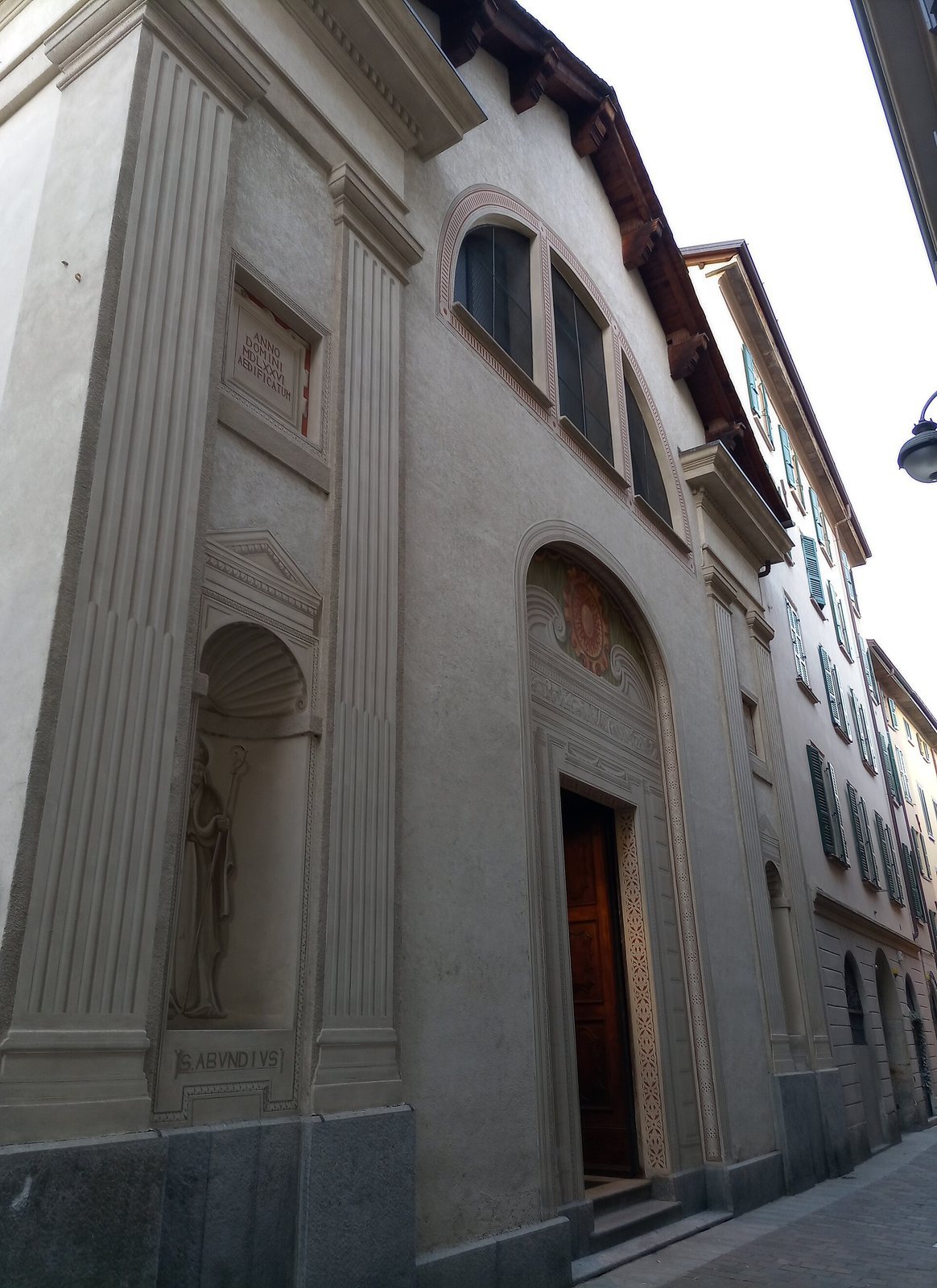
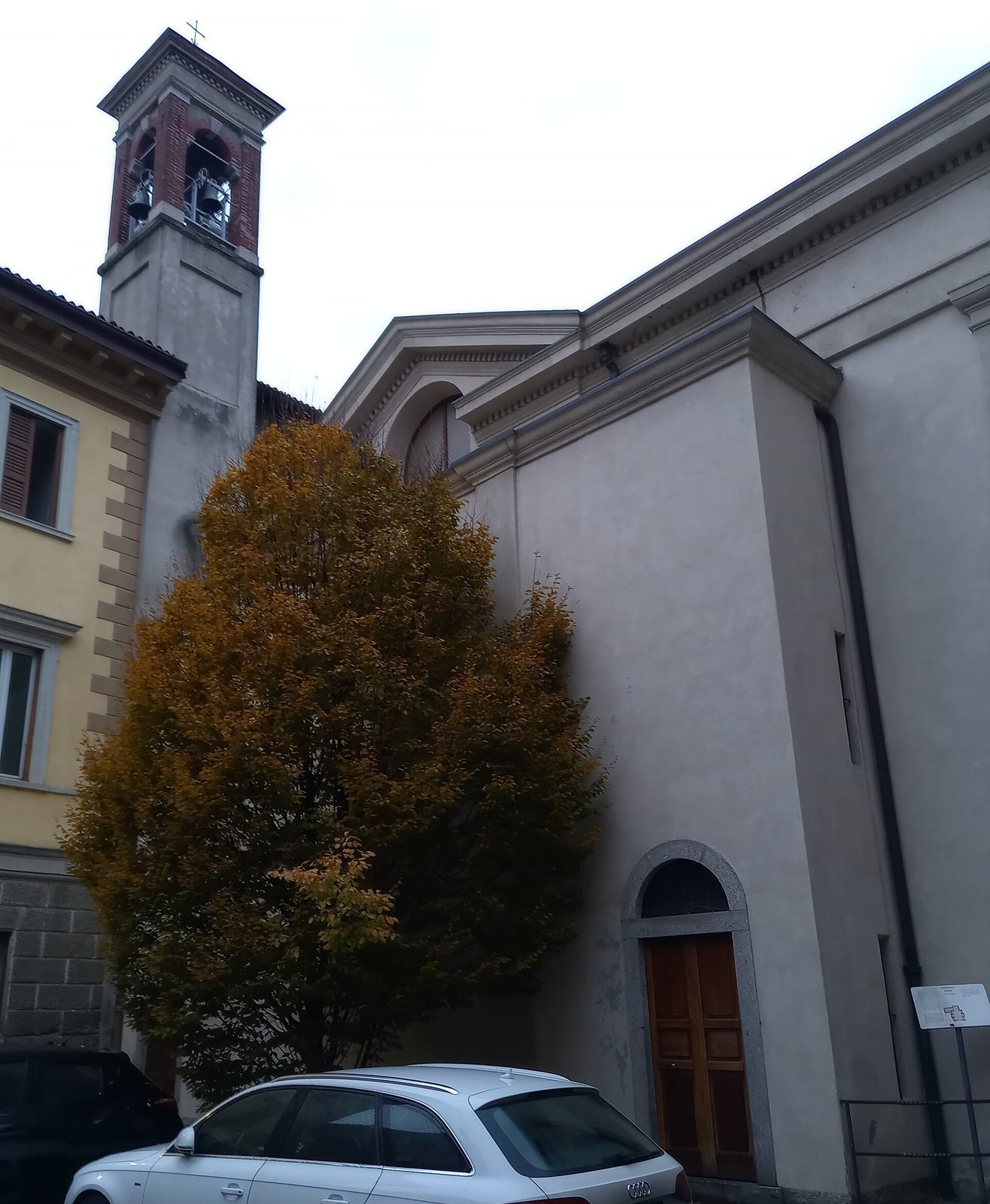
Four shallow vertical bands divide the façade. Above the entrance doorway is a semicircular panel, with a large window higher up; niches to either side contain representations of Saints Abundius and Amantius. Local painters Eugenio and Giovanni Rossi added the façade’s scratch-through decoration, called sgraffito, in 1950. The church’s left side faces a small square, with a bell tower at the far end.
Interior
Nave and presbytery
The interior has a single nave beneath curved vaults with semi-elliptical profiles. A painting of the Glory of Saint Amantius, attributed to Giuseppe Antonio Petrini, decorates the ceiling above the presbytery, the area around the main altar. Torildo Conconi painted frescoes on the remaining vault in 1938 and 1968.
Chapel of Saints Ignatius and Francis Xavier
The chapel on the left, once under the patronage of the Gallio family, is dedicated to Saints Ignatius of Loyola and Francis Xavier. Its three paintings, made by the Recchi painters around 1635, depict Saints Ignatius and Francis Xavier Contemplating the Name of Jesus, Christ with the Cross Appearing to Saint Ignatius, and The Preaching of Saint Francis Xavier. The first painting is set on a marble altar made by Raimondo Feraboschi of Laino. A case beneath it contains Saint Amantius’s remains. The Recchi painters also created the chapel’s stucco decoration.
Organ gallery
An upper gallery on the left holds an organ built by Dutch organ maker Willem Hermans. It has 726 pipes and a swell enclosure, a set of movable shutters around pipes that allows the sound’s volume to be varied. The organ was modified several times and extensively restored in 1930 and 2010.
Chapel of Our Lady of Pompeii
The chapel on the right contains a fresco painted by Volonterio in 1935 and a statue of Mary. Circular panels around the statue, dated 1898, depict the Mysteries of the Rosary, events in the lives of Jesus and Mary contemplated in the Catholic prayer.