Sømarkedyssen: A Neolithic Polygonal Dolmen in Denmark
Site at a Glance
- Popularity
- Very Low
- Country
- Denmark
- Primary era
- Stone Age
- Eras represented
- Stone Age, Bronze Age
- Civilizations
- Unclassified
- Site type
- Burial
- Remains
- Tomb
On this page4 sections
History
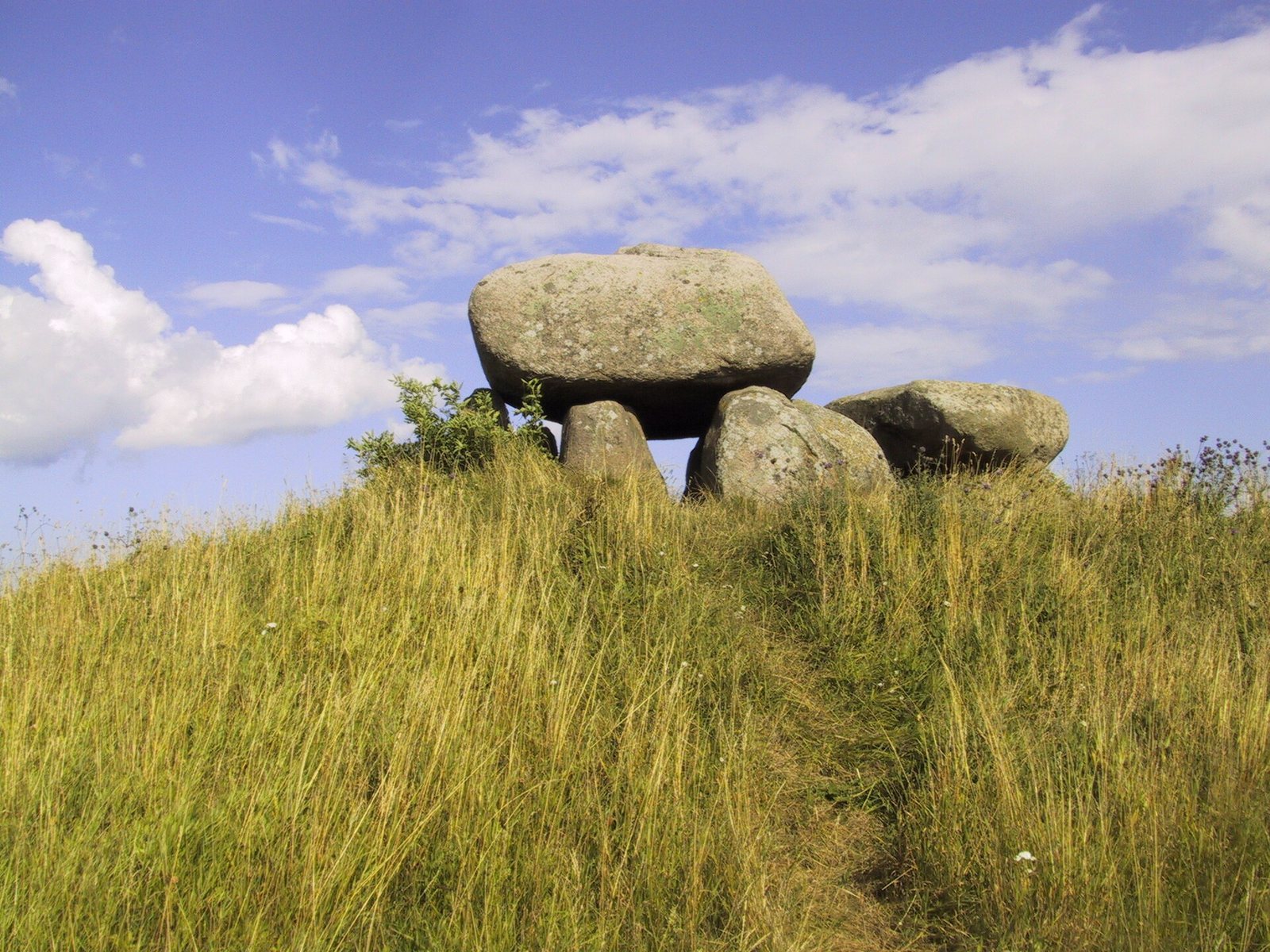
Sømarkedyssen is a Neolithic polygonal dolmen on a hill east of Sømarke, in eastern Møn near Borre, Denmark. Built around 3400 BC by Neolithic communities, it is a megalithic tomb from the New Stone Age. It belongs to a regional group of 119 known tombs on Møn and Bogø, of which 38 have been preserved and protected. The regional inventory also includes 21 passage graves associated with the Funnel Beaker culture, a Neolithic culture of northern and central Europe named for its distinctive pottery. Passage graves and polygonal dolmens emerged in the region between about 3500 and 2800 BC.
Neolithic tombs are understood as expressions of the culture and beliefs of their communities. Their emergence and use are also regarded as evidence of social development.
Remains
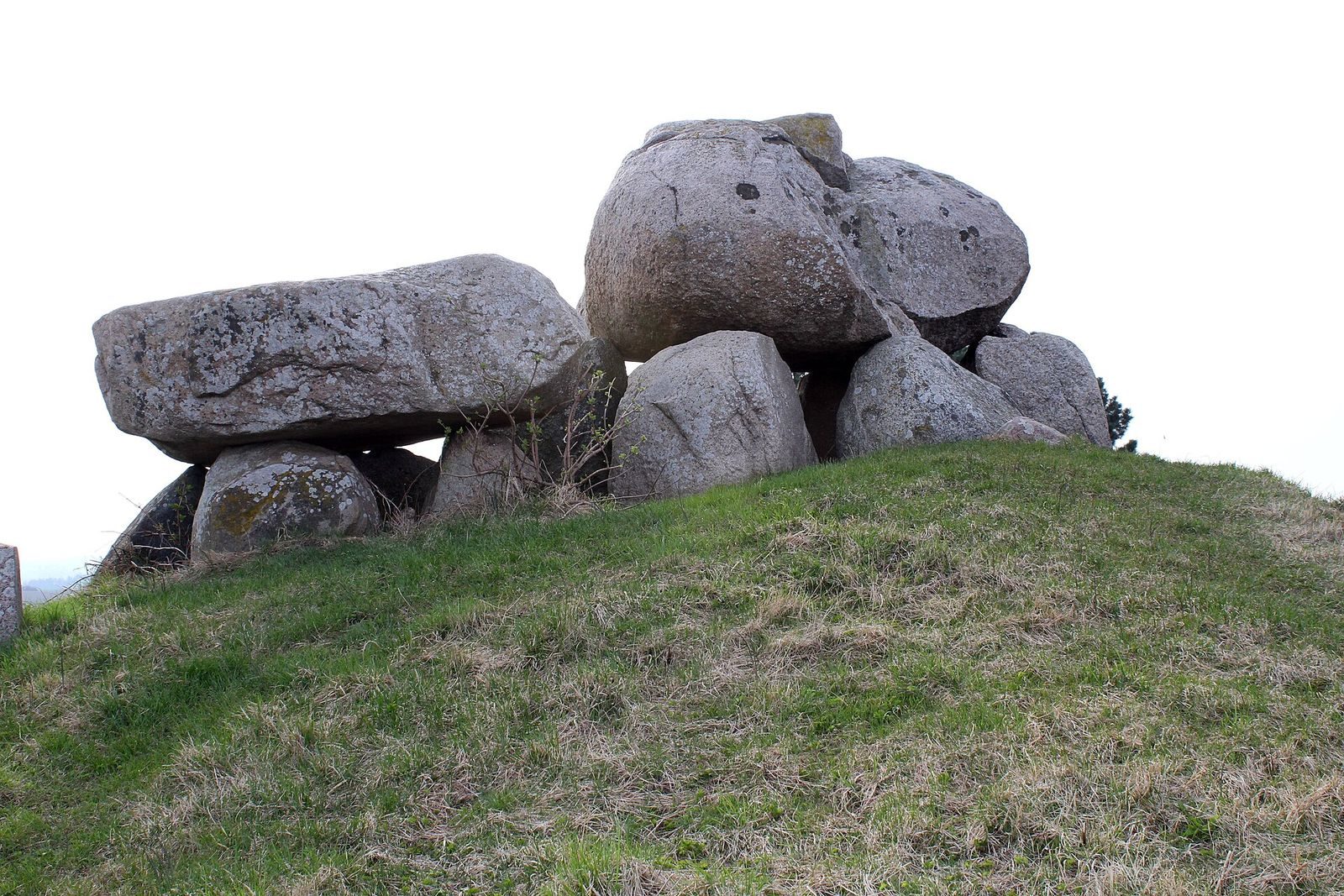
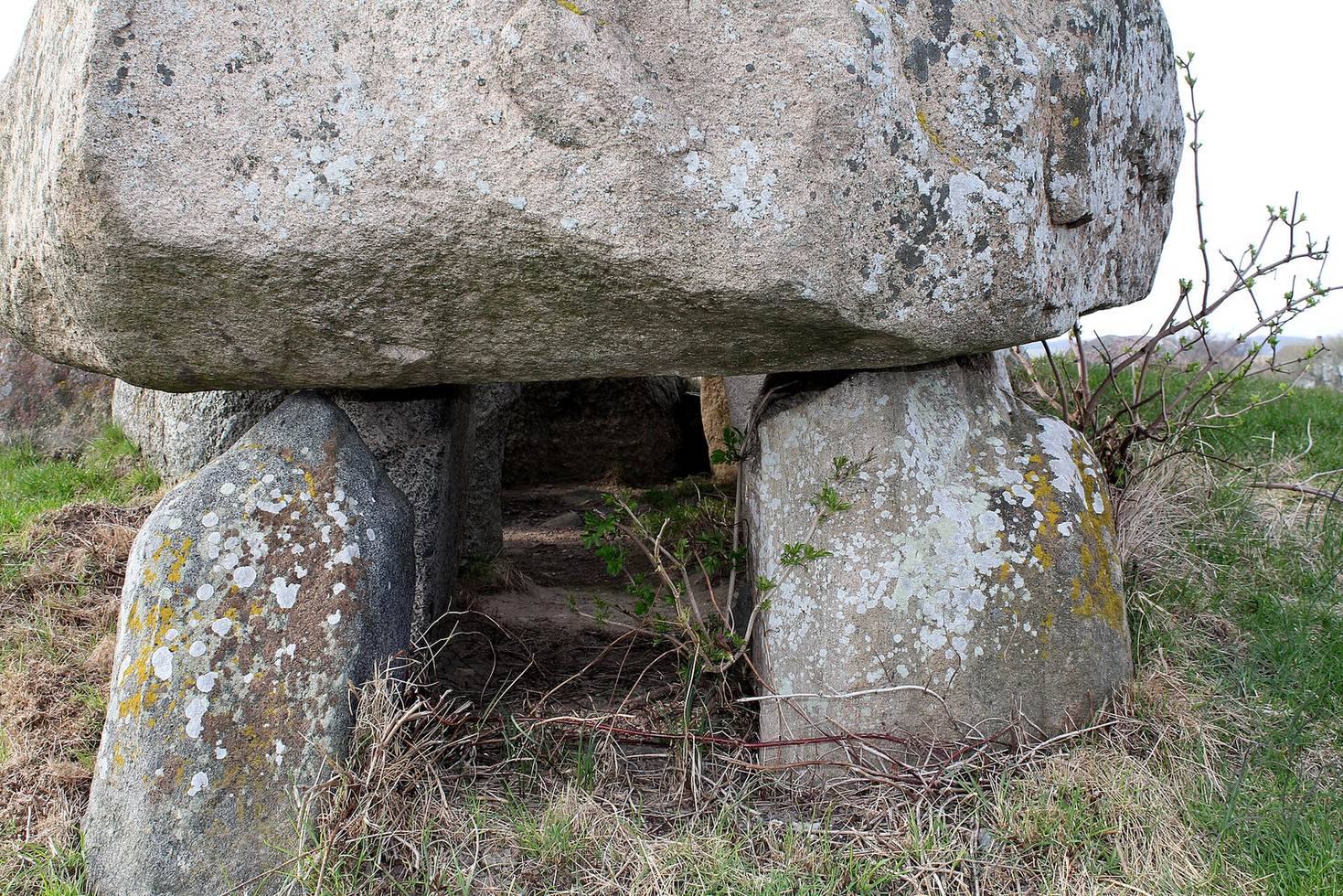
The tomb is built from large boulders and consists of an octagonal burial chamber with a short passage leading into it. Large capstones cover both the chamber and the passage.
Chamber and passage
A large capstone rests on seven supporting stones above the burial chamber. The passage is covered by a smaller capstone that overhangs its supports, four stones in total.
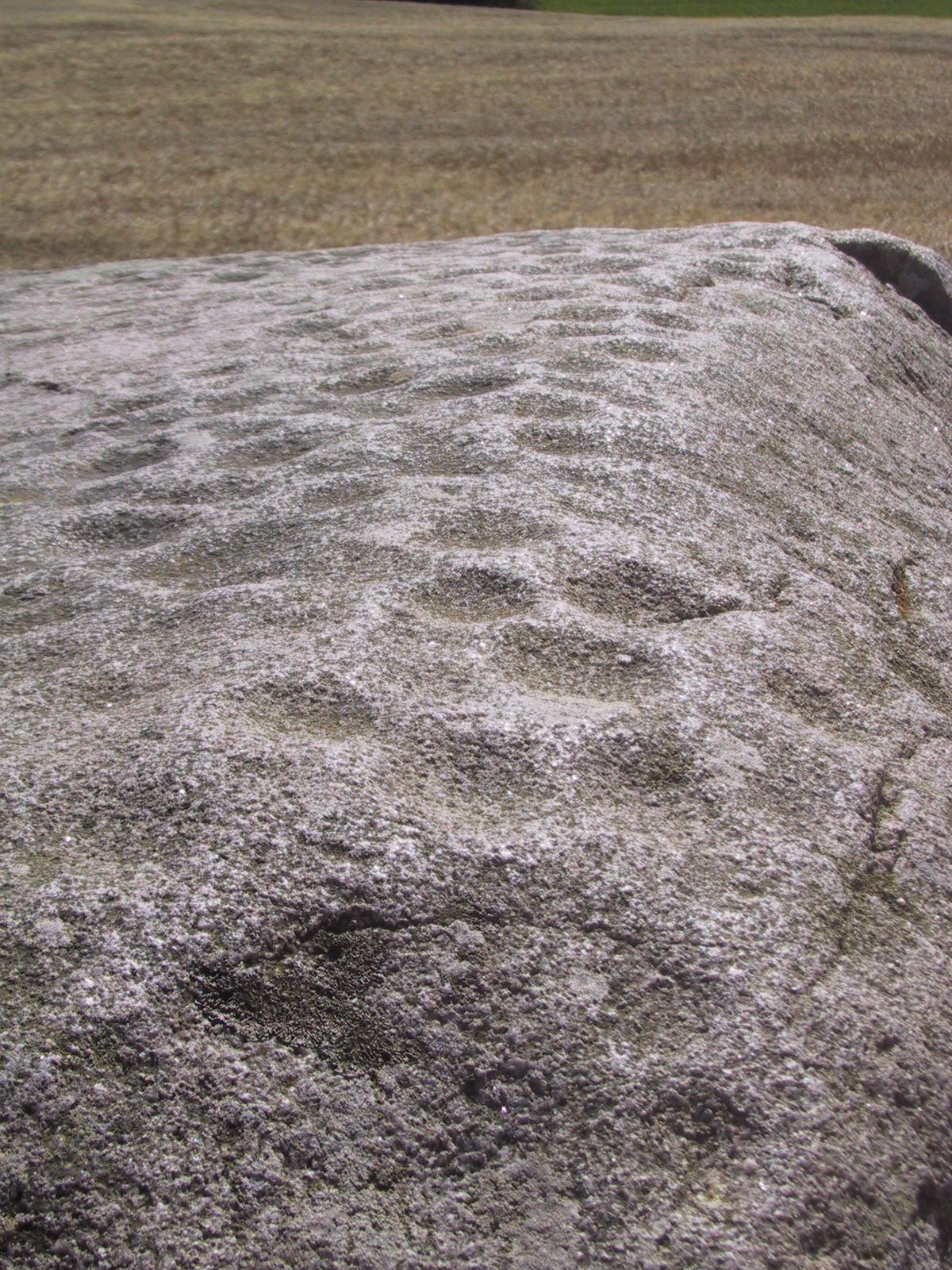
Marks on the passage capstone
More than 450 cup-shaped depressions cover the upper surface of the passage capstone. They probably date to the Bronze Age, the period when bronze became widely used as a metal.