Bacheburg: A Medieval Moated Castle in Germany
Site at a Glance
- Popularity
- Low
- Country
- Germany
- Primary era
- Medieval
- Eras represented
- Medieval
- Civilizations
- Holy Roman Empire
- Site type
- Military
- Remains
- Castle
On this page4 sections
History
Construction and destruction
Bacheburg, also known as the Lower Castle, is a ruined medieval castle in Germany. The local nobleman Jorg Bache built it in 1403 on his family’s property at Neustädterhof. It probably followed an earlier fortified residence on an artificial mound, called Schneirersbuckel or the Upper Castle, which remained in existence until about 1400.
In 1440, troops serving the archbishop of Mainz captured and destroyed Bacheburg after Jorg’s sons attacked travelers under the archbishop’s protection. The archbishop held senior church office as well as territorial and political authority. Hans Bache, named as the principal offender, was kept under house arrest for a year at the burned castle. In 1441, his brothers sold the family’s remaining property at Neustädterhof.
Later damage
In the late eighteenth century, a local tenant farmer took stones from the castle walls to repair a bridge over the Mömling and protect the riverbank.
Remains
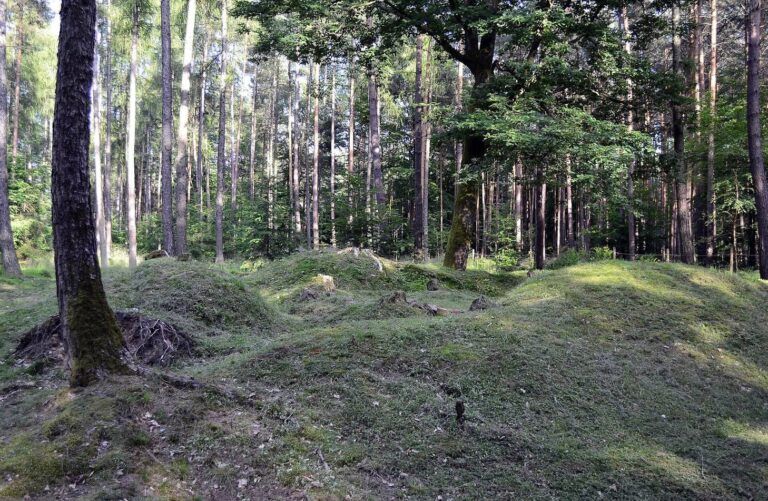
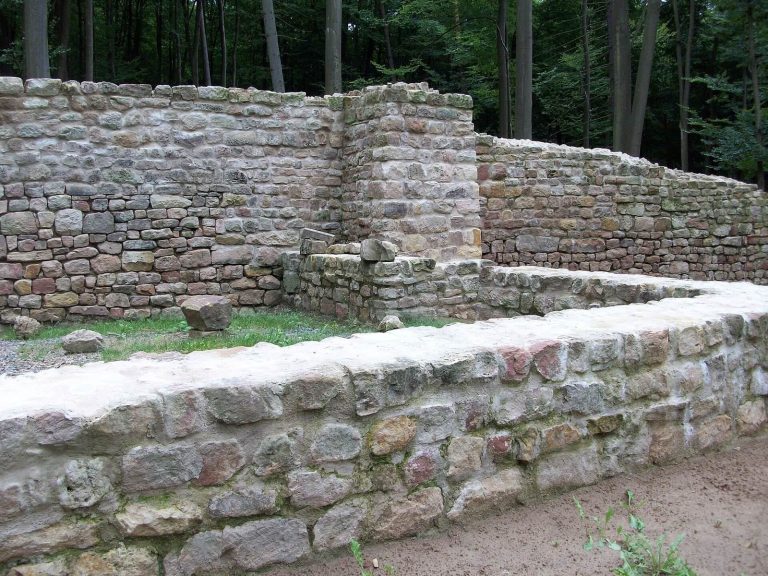
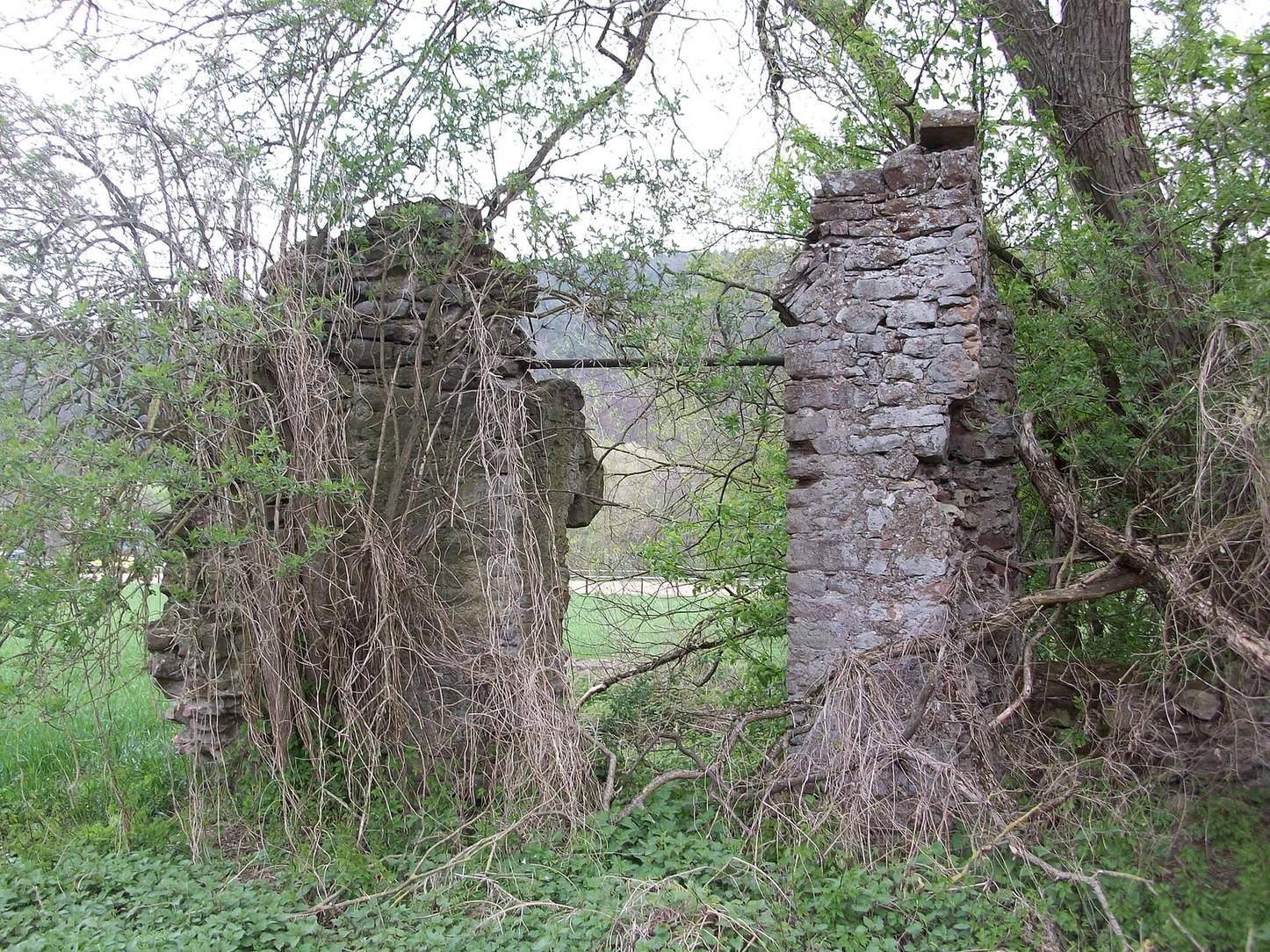
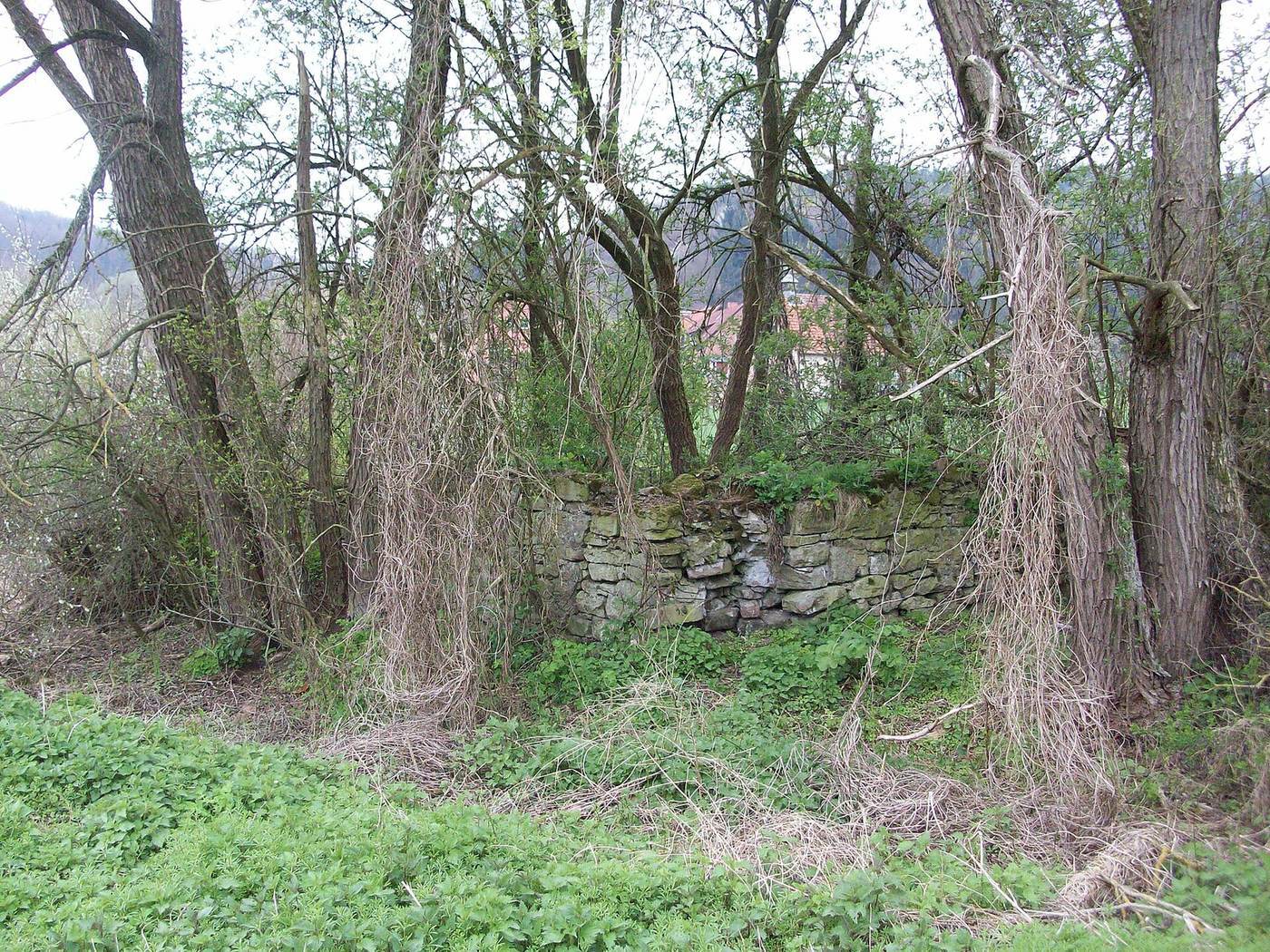
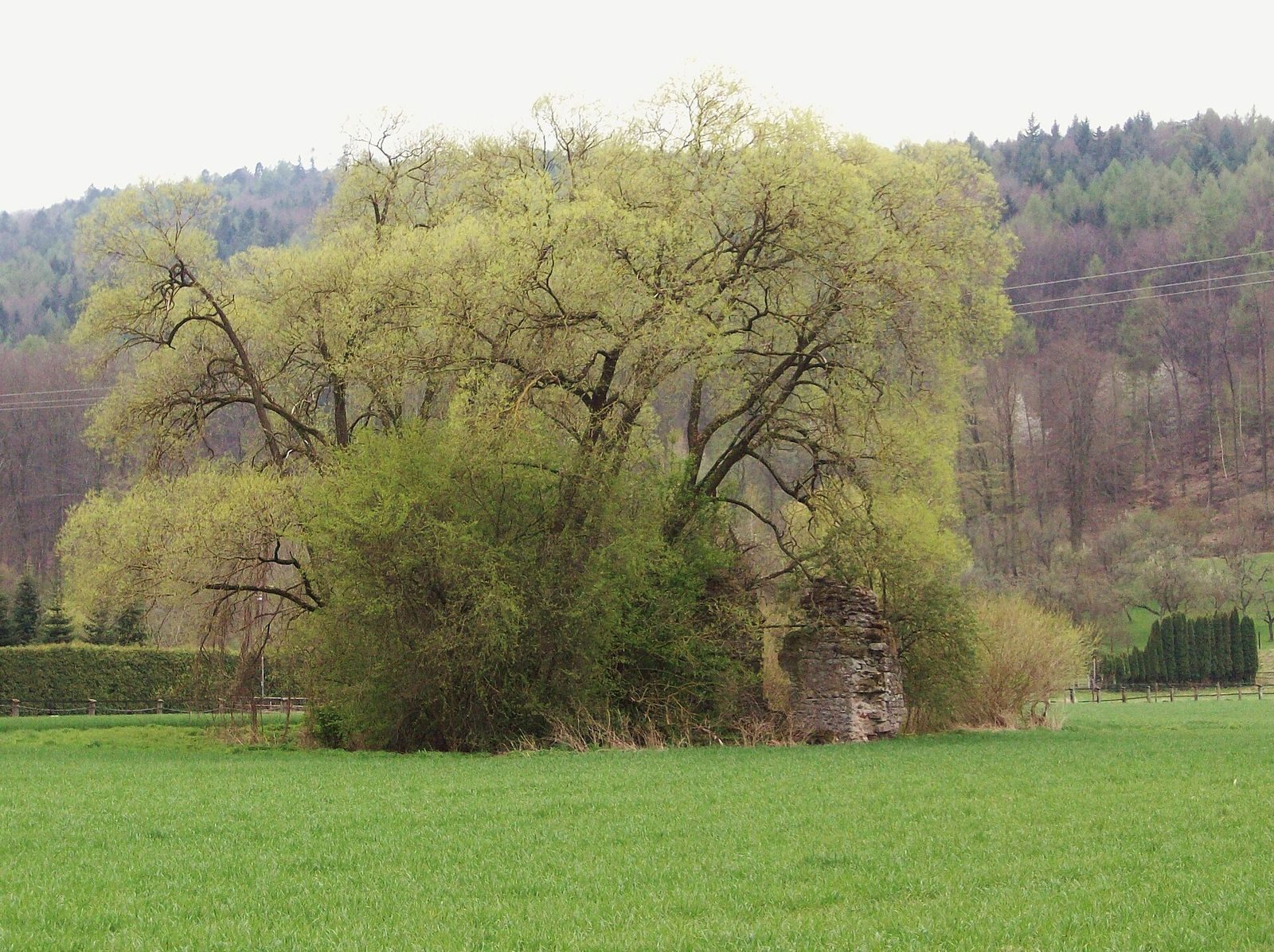
Bacheburg was nearly square, with two lower storeys of stone and upper storeys built with timber framing. A moat about six metres wide enclosed the castle, and traces of it remain visible beneath accumulated silt. On the northwest side, the remains include a gate arch and part of a gatehouse. A drawbridge once connected the entrance to the forecourt. Sections of the perimeter wall survive on the northeast side.