Rötenberg Castle: A Medieval Aristocratic Stronghold in Germany
Site at a Glance
- Rating
- 4
- Popularity
- Very Low
- Country
- Germany
- Primary era
- Medieval
- Eras represented
- Medieval, Modern
- Civilizations
- German, Holy Roman Empire
- Site type
- Military
- Remains
- Castle
On this page7 sections
History
Rötenberg Castle is an aristocratic stronghold on the Turmberg in Fichtenberg, Germany. Its construction date is uncertain, but it is generally placed in the 12th century; the form of its surviving keep points to the first half of the 13th.
Possible origins
An earlier origin in the 10th or 11th century has also been proposed. This theory links the site to the territorial organization of the Kocher Gau, a medieval district named for the Kocher River, directed from Comburg, a medieval monastery near Schwäbisch Hall. Another possibility is that the castle was built in the 12th or 13th century. Its original owners are unknown, although its name may come from the Lords of Rot, a medieval noble family.
Medieval records and destruction
The castle enters written records in 1338, when Rugger Väzzewin is identified as its Vogt, a local official who exercised authority on behalf of a lord or institution. In 1350, Engelhard von Lobenhausen burned it on imperial orders, allegedly because it had sheltered robber knights. Whether it was rebuilt afterward is uncertain.
In 1377, Albrecht Haug von Rosenstein sold the castle to Albrecht von Limpurg for 1,400 pounds Heller, a monetary unit of account based on a medieval coin. In 1406, members of the Limpurg family who held the court office of cupbearer granted it, together with Kranzberg Castle near Laufen am Kocher, as a fief to the Electoral Palatinate, a principality of the Holy Roman Empire whose ruler held an electoral vote. The castle was probably destroyed in the early 15th century and dismantled, while its keep resisted attempts to bring it down.
Later care and local tradition
By the mid-19th century, rubble and earth had accumulated inside the keep, and trees were growing on it. The trees were removed because their roots threatened the masonry, and the tower was made accessible again. A local legend says that the ghost of the Tower Hunter haunts the ruins.
Remains
Hilltop layout
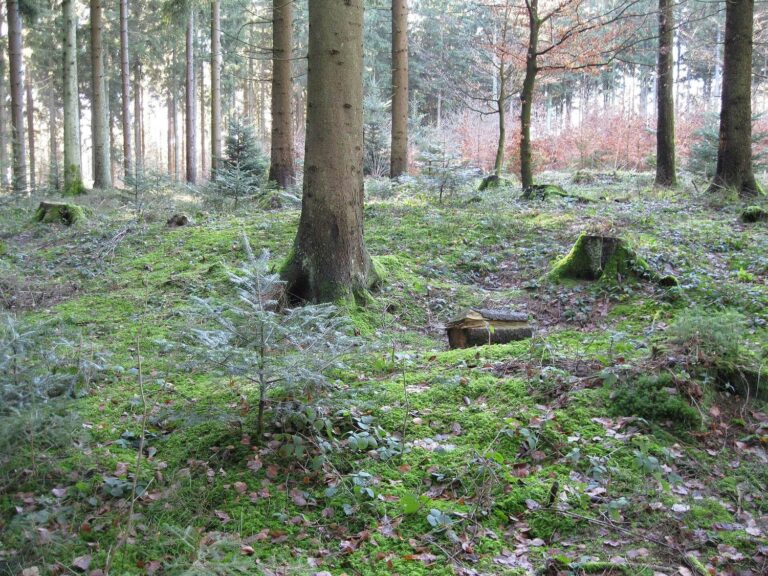
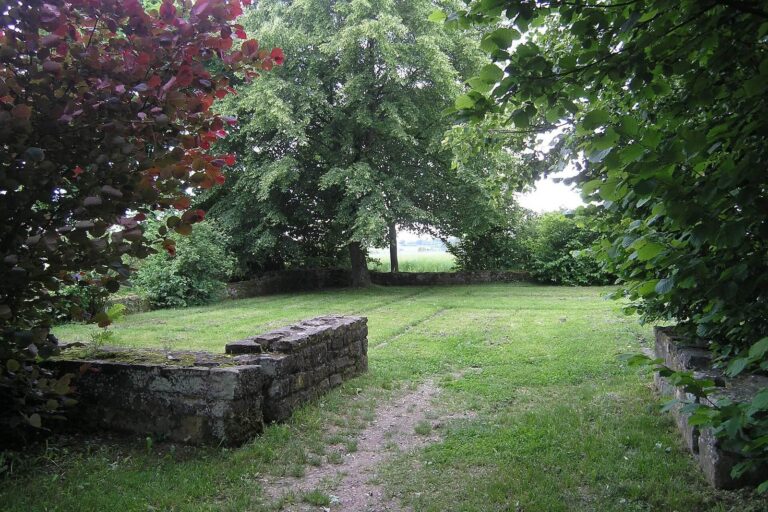
The castle stands on a steep-sided spur known as the Turmberg, 455.7 metres above sea level and about 0.8 kilometres south of the hamlet of Mittelrot. Steep slopes surround the hilltop site. Ditches are also recognizable among the remains.
The keep
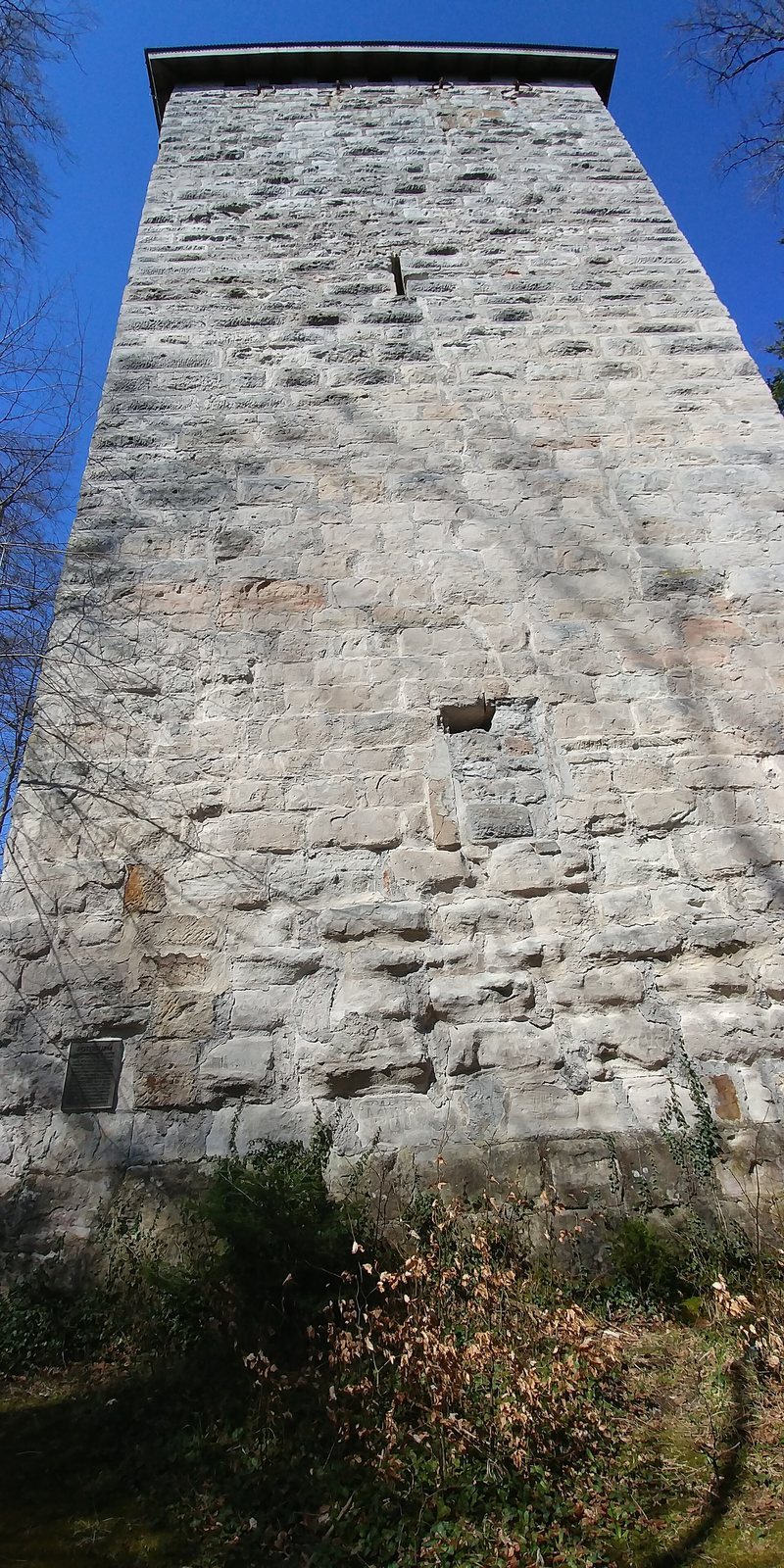
The surviving keep, also known as the Röterturm, rises 21 metres from a square footprint measuring 9.3 metres on each side. Its walls are built of bossed ashlar, squared stone blocks with rough, projecting faces. The entrance is set high in the tower, 10.8 metres above ground level.
A major repair in 1970 addressed stones that had loosened in the masonry. During the work, openings in the walls were closed, access openings were walled up, and a metal roof was added.