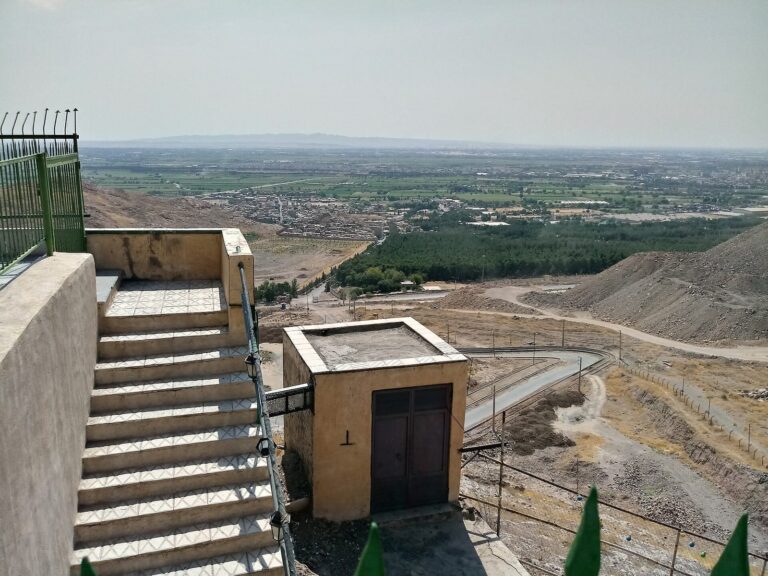
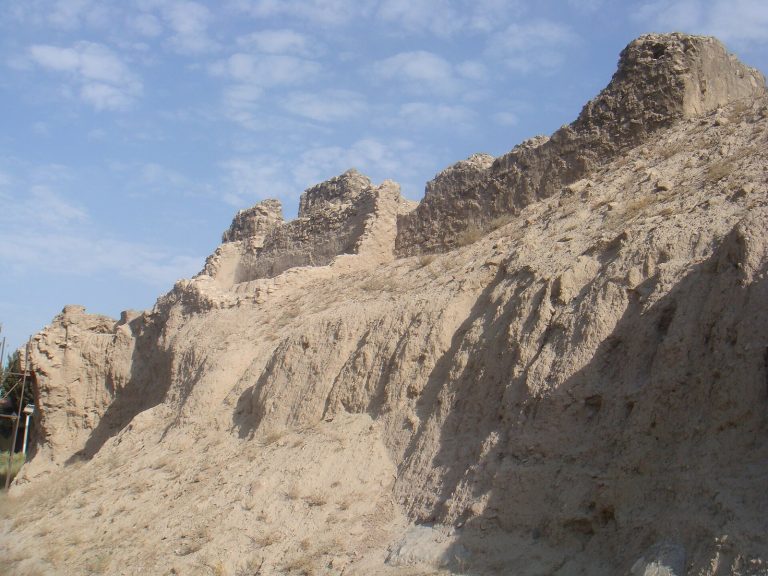
Shah Abbasi Caravanserai of Eyvanki: A Safavid Roadside Inn in Iran
Site at a Glance
- Popularity
- Medium
- Country
- Iran
- Primary era
- Early Modern
- Eras represented
- Early Modern
- Civilizations
- Safavid
- Site type
- Economic
- Remains
- Caravanserai
On this page6 sections
History
The Shah Abbasi Caravanserai of Eyvanki is a roadside lodging complex in Garmsar, Iran, dating to the Safavid period (1501–1736), when the Safavid dynasty ruled Iran. A caravanserai provided lodging and services for people traveling in caravans. Eyvanki served as the first stopping place for caravans heading from Tehran toward Khorasan, a historical region east of Tehran that includes parts of present-day Iran and neighboring countries.
In 1996, the caravanserai was registered as an Iranian National Monument.
Remains
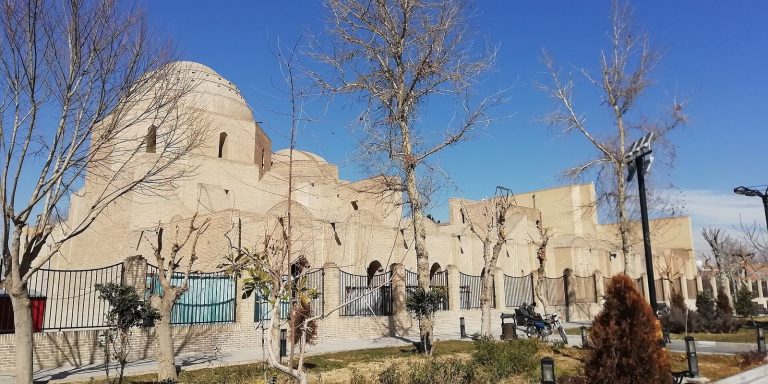
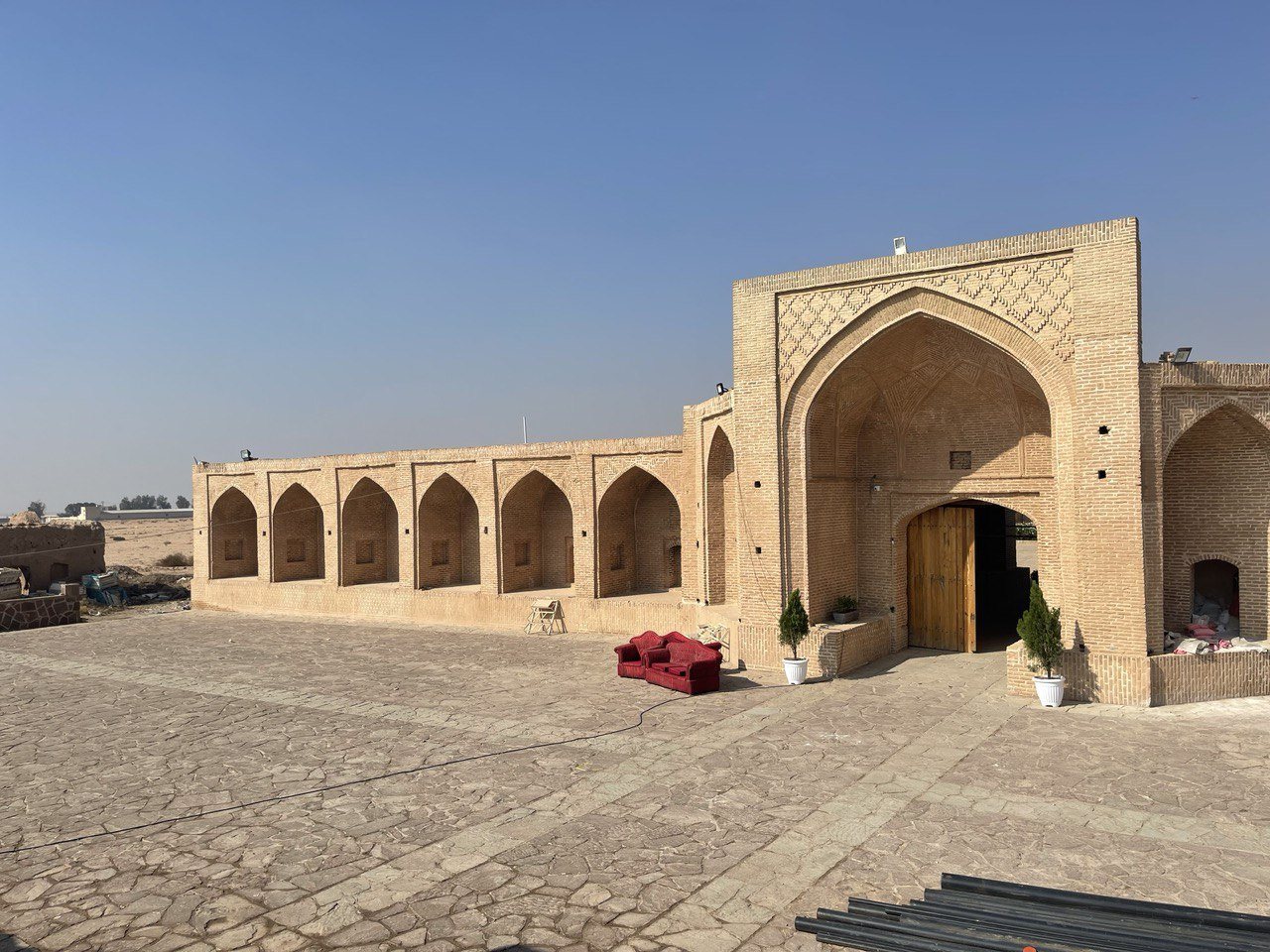
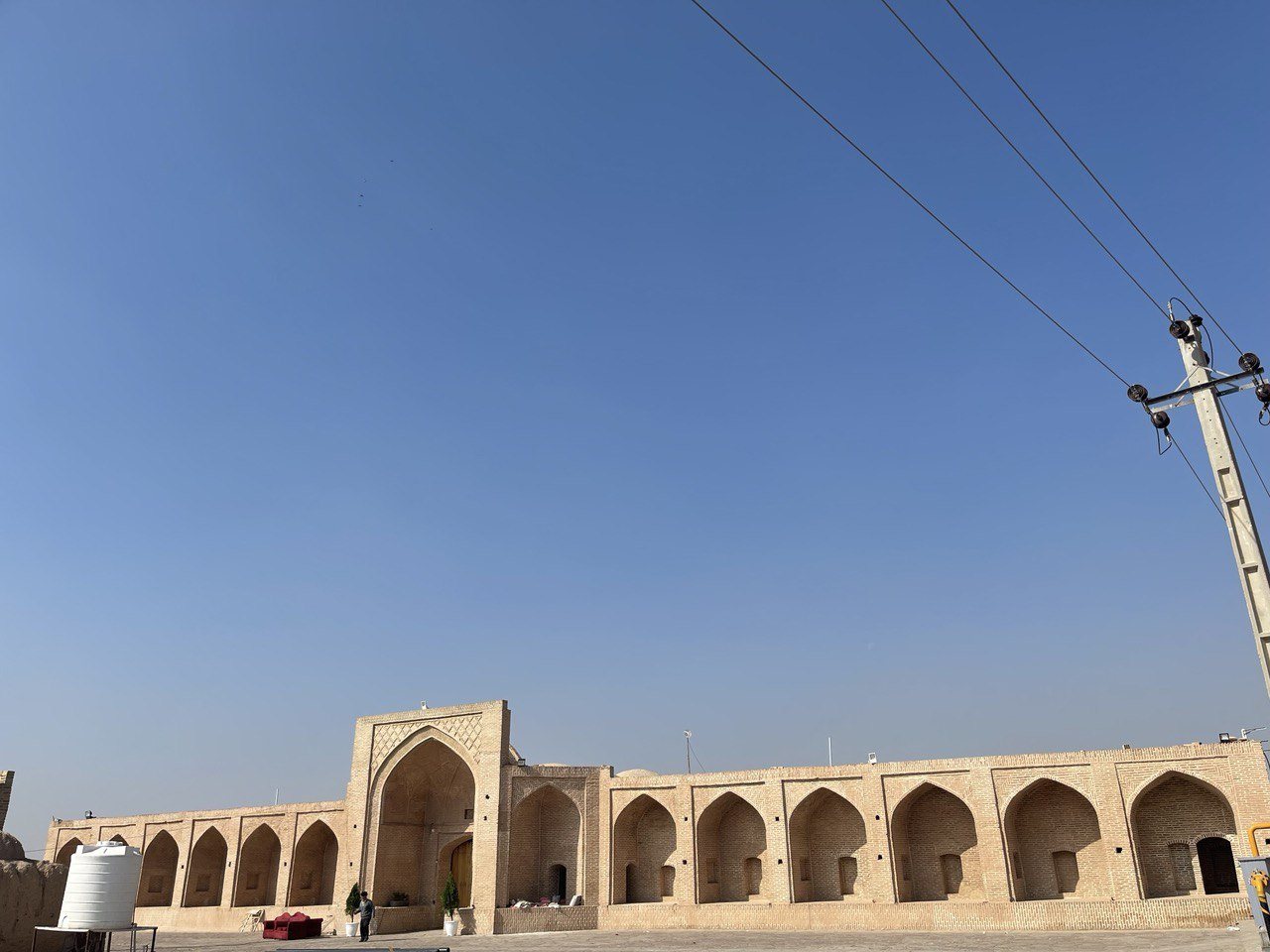
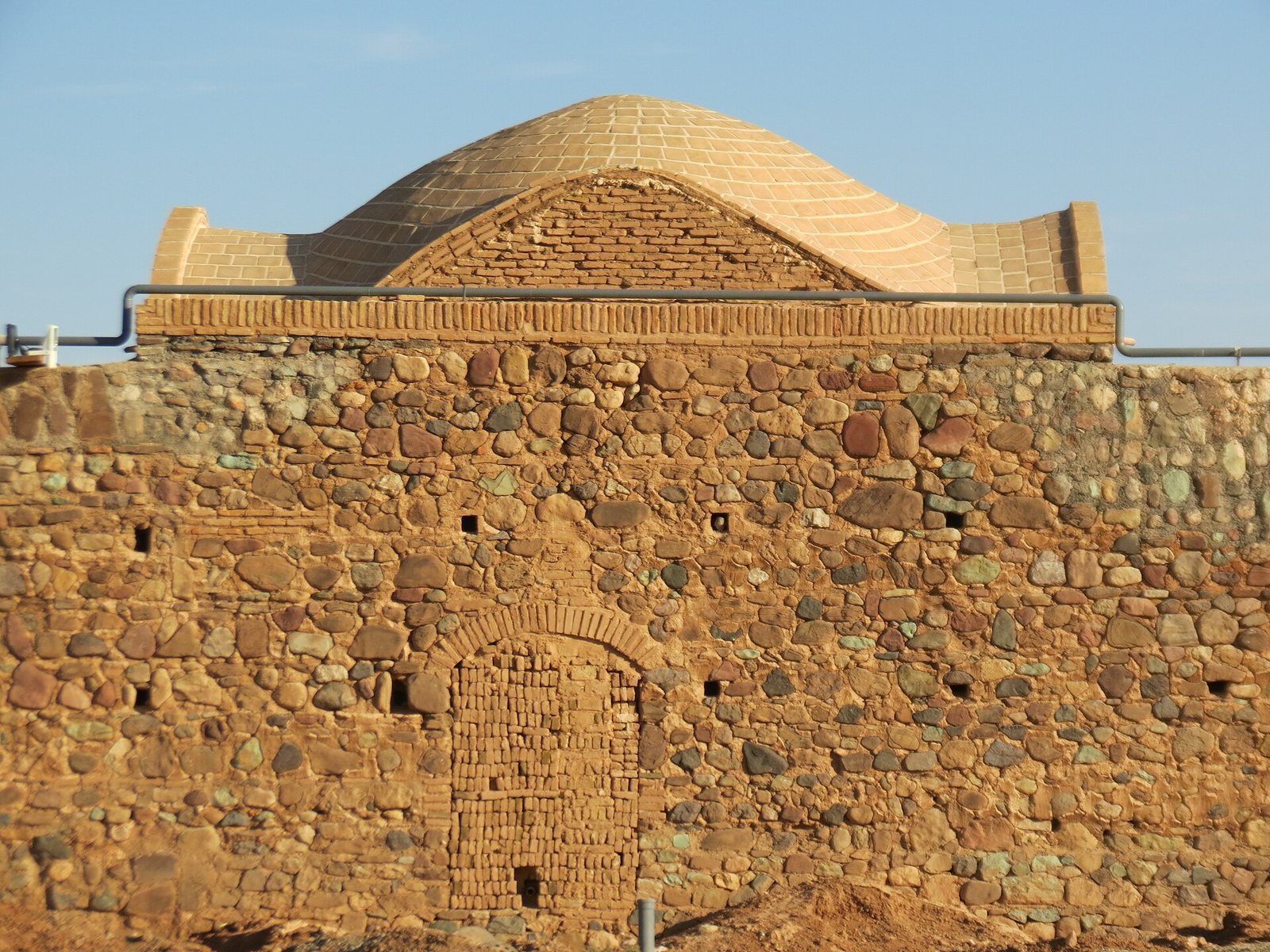
The complex has a symmetrical square plan aligned east–west, organized around a courtyard and four iwans, vaulted halls open on one side and commonly facing a courtyard. Stone, brick, mudbrick, and mud are among its building materials.
Courtyard complex
Entrance and iwans
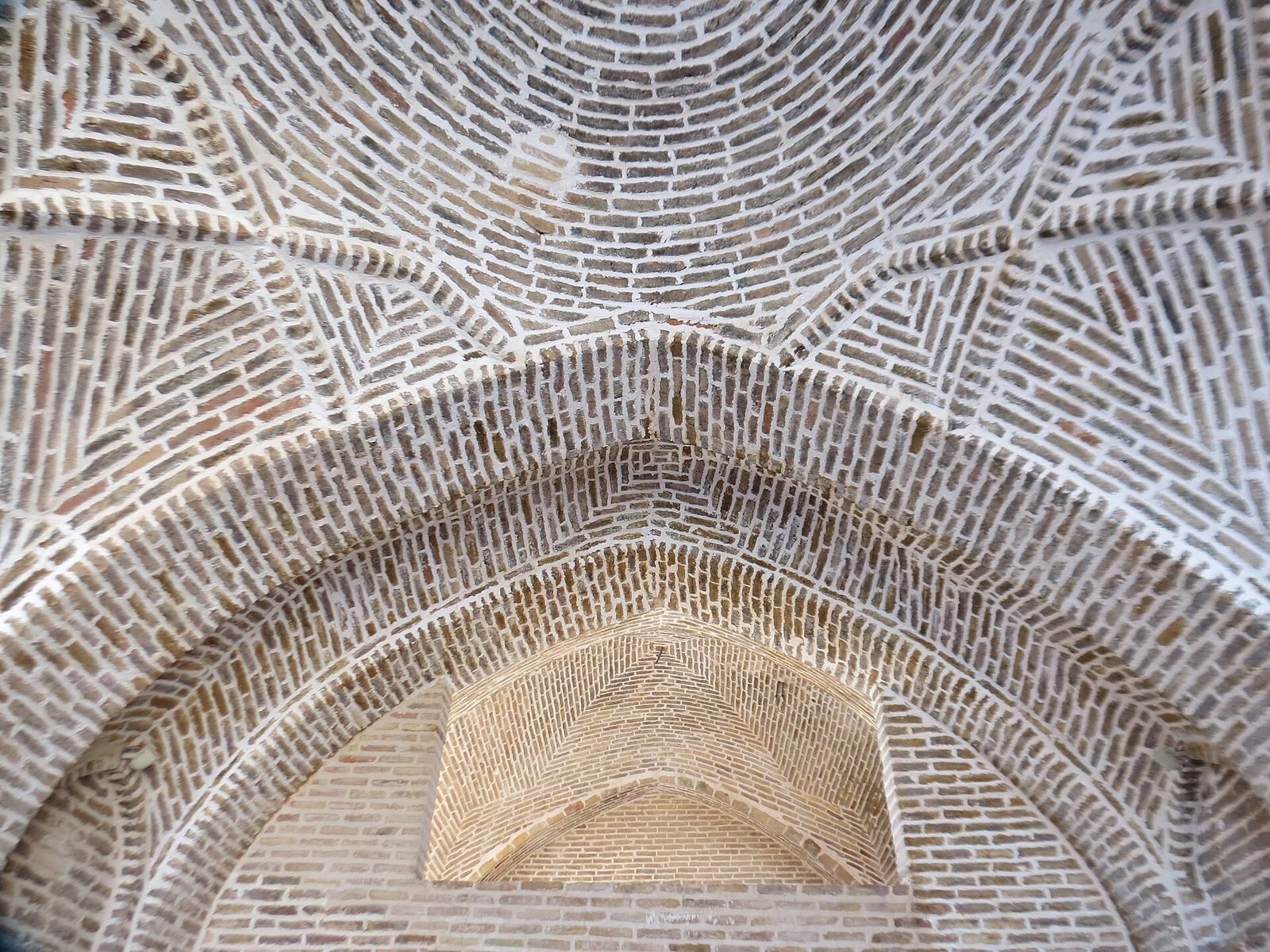
The entrance is on the eastern side, where a prominent portal marks the approach to the courtyard. The four principal iwans are broad and low, with pointed arches. Brickwork decorates the exterior of the entrance.
Guest and service spaces
The courtyard is surrounded by 24 chambers. Smaller iwans in front of the chambers offered travelers space for summer use, while four areas were set aside for animal stabling. Two principal reception rooms occupy the eastern and western sides: one is above the entrance portal, and the other is above the iwan opposite the entrance.
Travelers’ cistern
A cistern built for travelers stands opposite the caravanserai. Surface-level repairs have been carried out at the complex, but neglect has contributed to the deterioration of much of it, and the cistern is also deteriorating.