Lozer Castle: Historic Seat of the Lordship of Huysse
Site at a Glance
- Popularity
- Low
- Country
- Belgium
- Primary era
- Modern
- Eras represented
- Modern
- Civilizations
- Belgian
- Site type
- Domestic
- Remains
- Castle
On this page7 sections
History
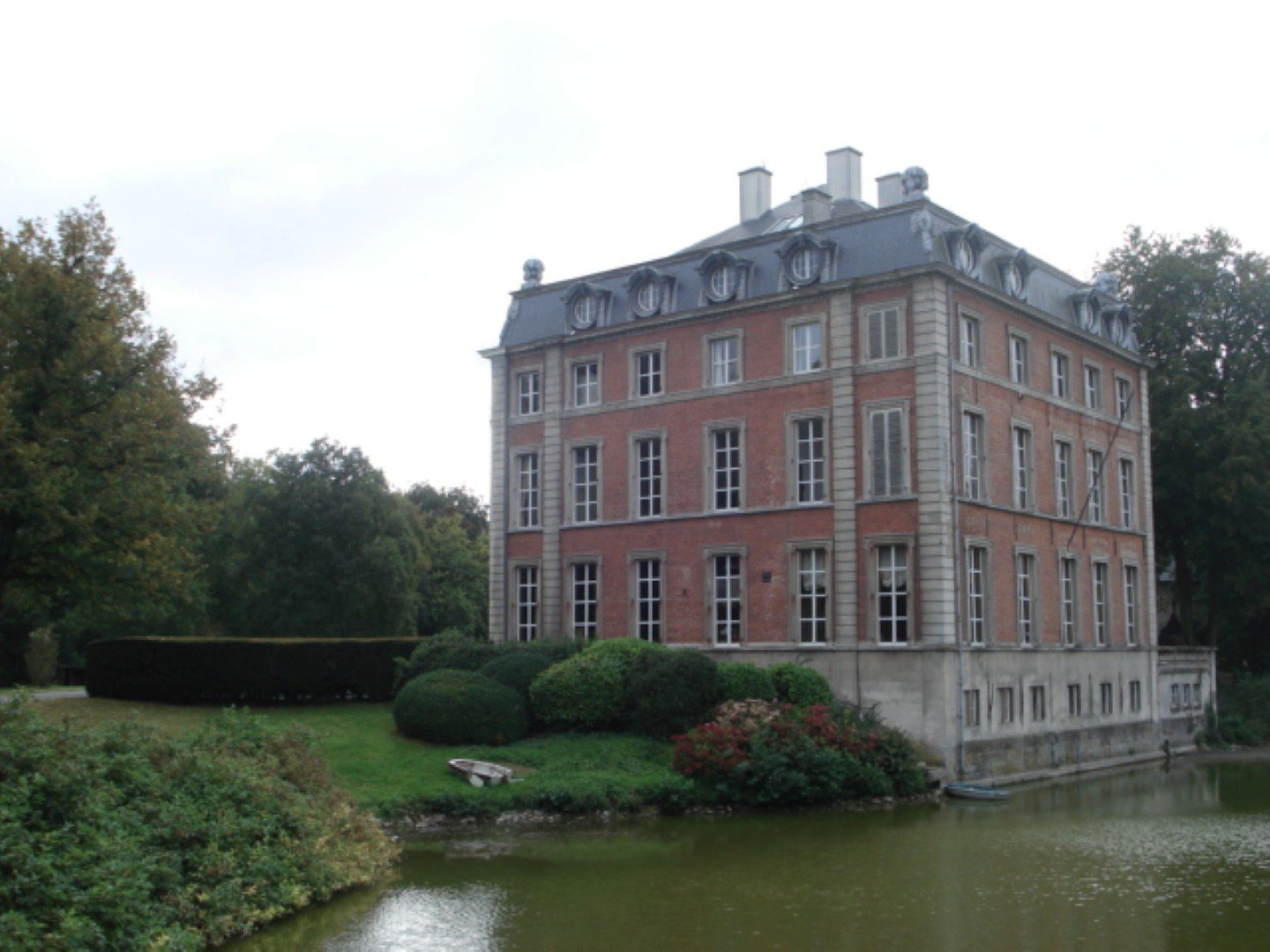
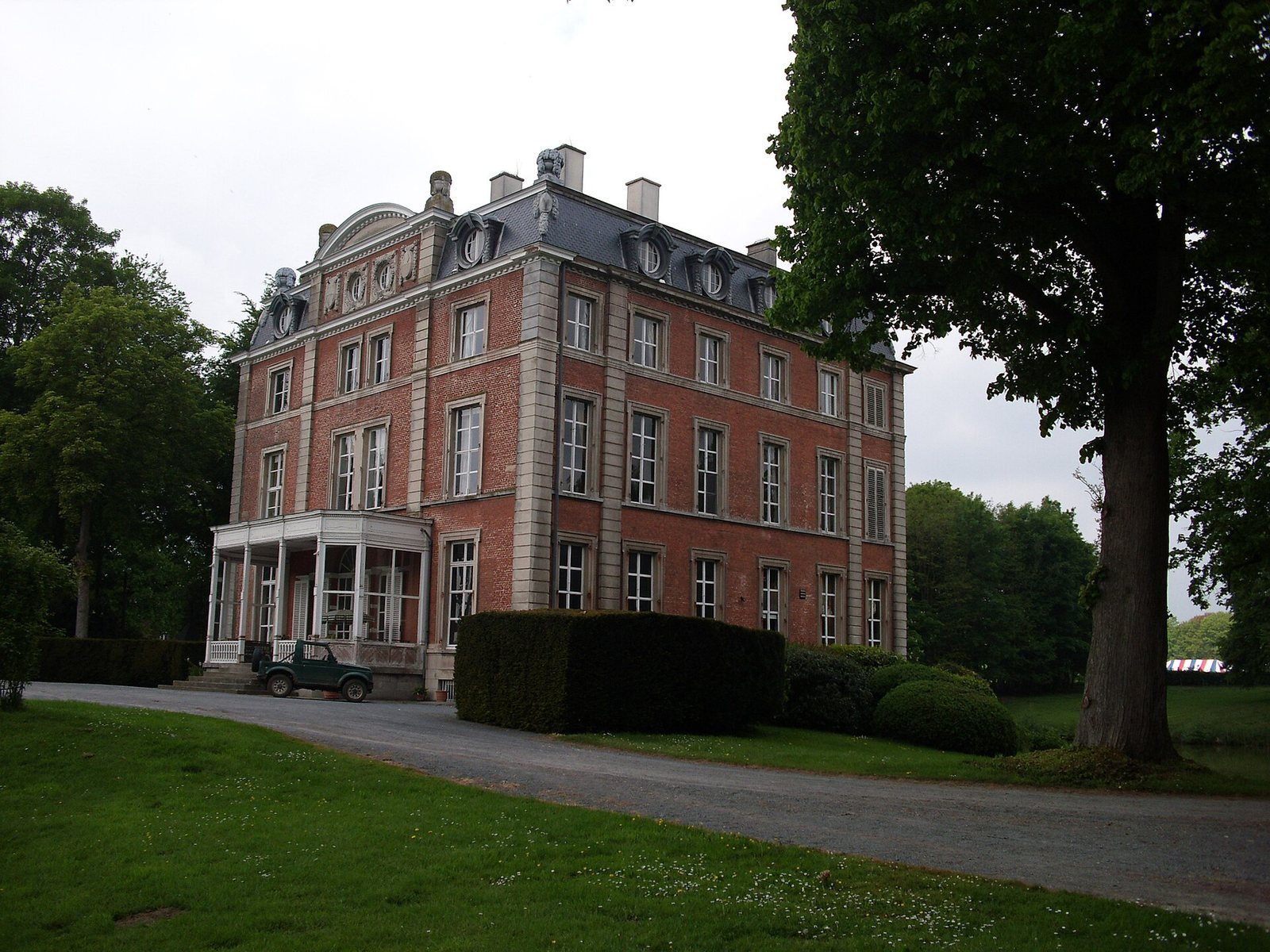
Lozer Castle is a historic estate in Lozer, part of Kruisem, Belgium, recorded by 1080 as the seat of the lordship of Huysse and altered around 1914 into its present Neo-Louis XVI form.
Early lordship and noble ownership
A charter from 1080 names Eustachius van Vijve, also known as Eustachius de Usa, as the earliest known lord of the castle site. During the fifteenth and sixteenth centuries, the estate passed through the Vilain de Gand and Montmorency-Nivelle families.
In the sixteenth century, Philippe de Montmorency, Count of Horn, acquired the estate. He joined the noble opposition during the Revolt of the Beggars, an uprising in the Low Countries against Spanish Habsburg rule, and challenged the policies of Cardinal Granvelle, a senior churchman and adviser to Philip II. In 1568, the Duke of Alba accused Montmorency of an offense against the sovereign. He was beheaded on the Grand Place alongside Lamoral, Count of Egmont. Both became early victims of the Council of Troubles, a tribunal that prosecuted suspected rebels and opponents of Spanish rule in the Netherlands.
The della Faille family
In the seventeenth century, the estate was known as Goed Uplosere. Jean-Baptiste della Faille, then grand bailiff of Ghent, acquired the castle in 1654. A grand bailiff held senior judicial and administrative responsibilities. After Huysse became a barony in 1736, the family became known as della Faille d’Huysse. The family still owns the castle, runs a guesthouse in its outbuildings, and has provided several mayors of Huysse.
Park and later alteration
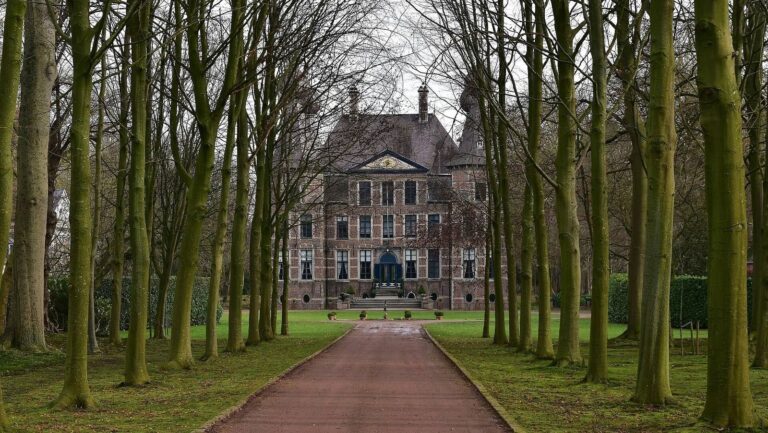
Landscape architect Friedrich Eduard Keilig laid out the wooded castle park in 1885. The castle was last altered around 1914, in work attributed to Belgian architect Valentin Vaerwyck.
Remains
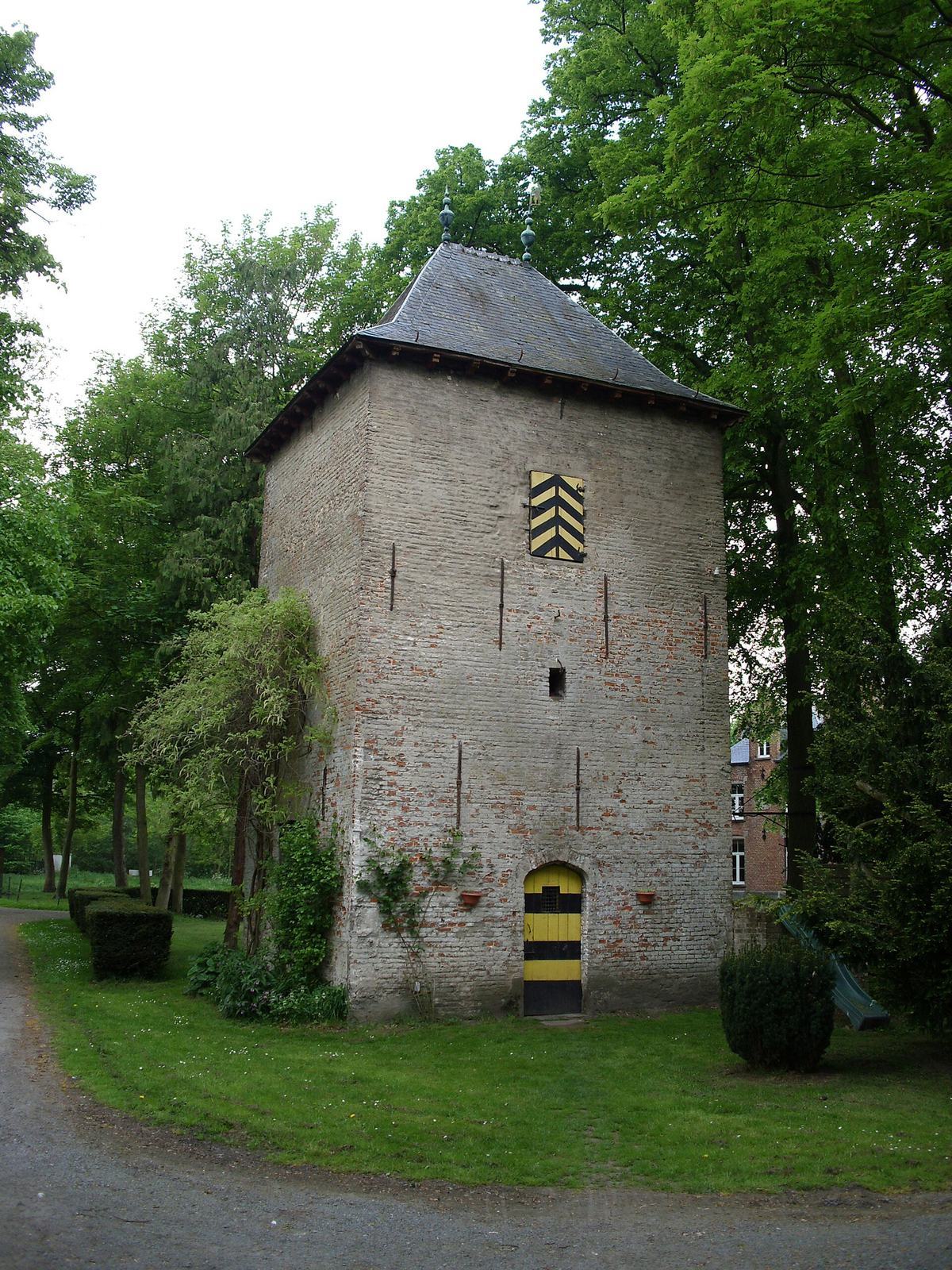
The estate is arranged around the castle and includes a gatehouse, coach house, farmyard, service buildings, and a tower-shaped garden pavilion. Its grounds extend into a wooded park with ponds.
Castle and associated buildings
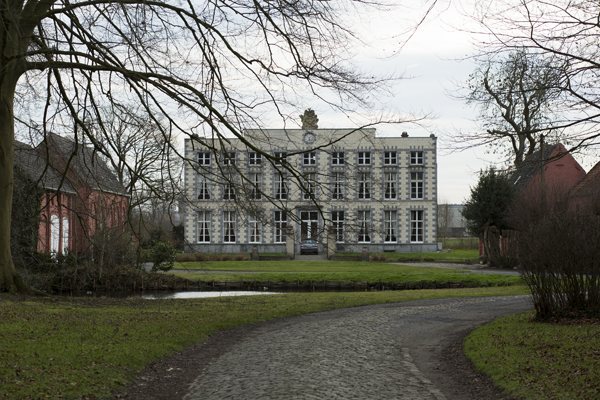
The principal building has a Neo-Louis XVI appearance. The surrounding estate buildings include the gatehouse, coach house, farmyard and service buildings, as well as a garden pavilion shaped like a tower.
Landscape park
The wooded park covers 13 hectares and contains ponds. Its design follows the English landscape-garden style that became popular in the nineteenth century.