Schloss Perlachsoed (Neusönner Castle): An Aristocratic Residence in Munich
Site at a Glance
- Popularity
- Low
- Country
- Germany
- Primary era
- Early Modern
- Eras represented
- Early Modern
- Civilizations
- Electorate of Bavaria, Holy Roman Empire
- Site type
- Domestic
- Remains
- Castle
On this page6 sections
History
Foundation and later changes
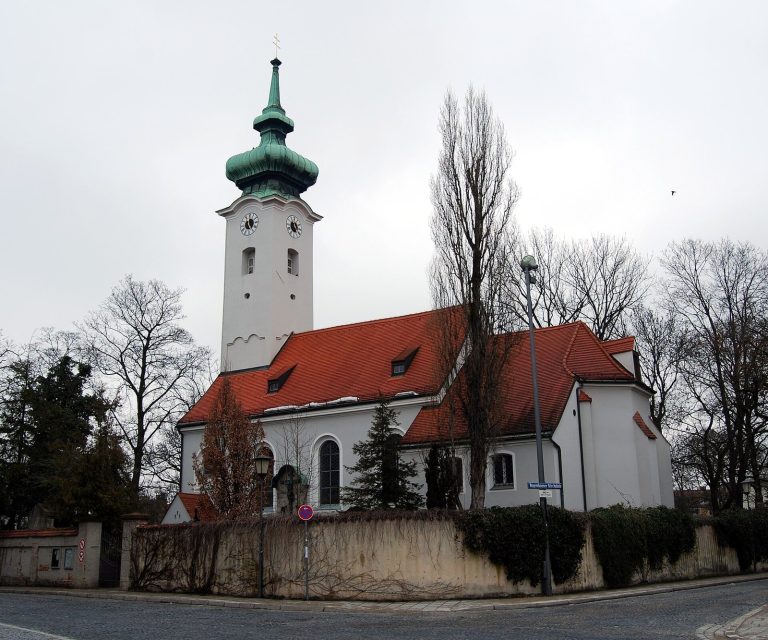
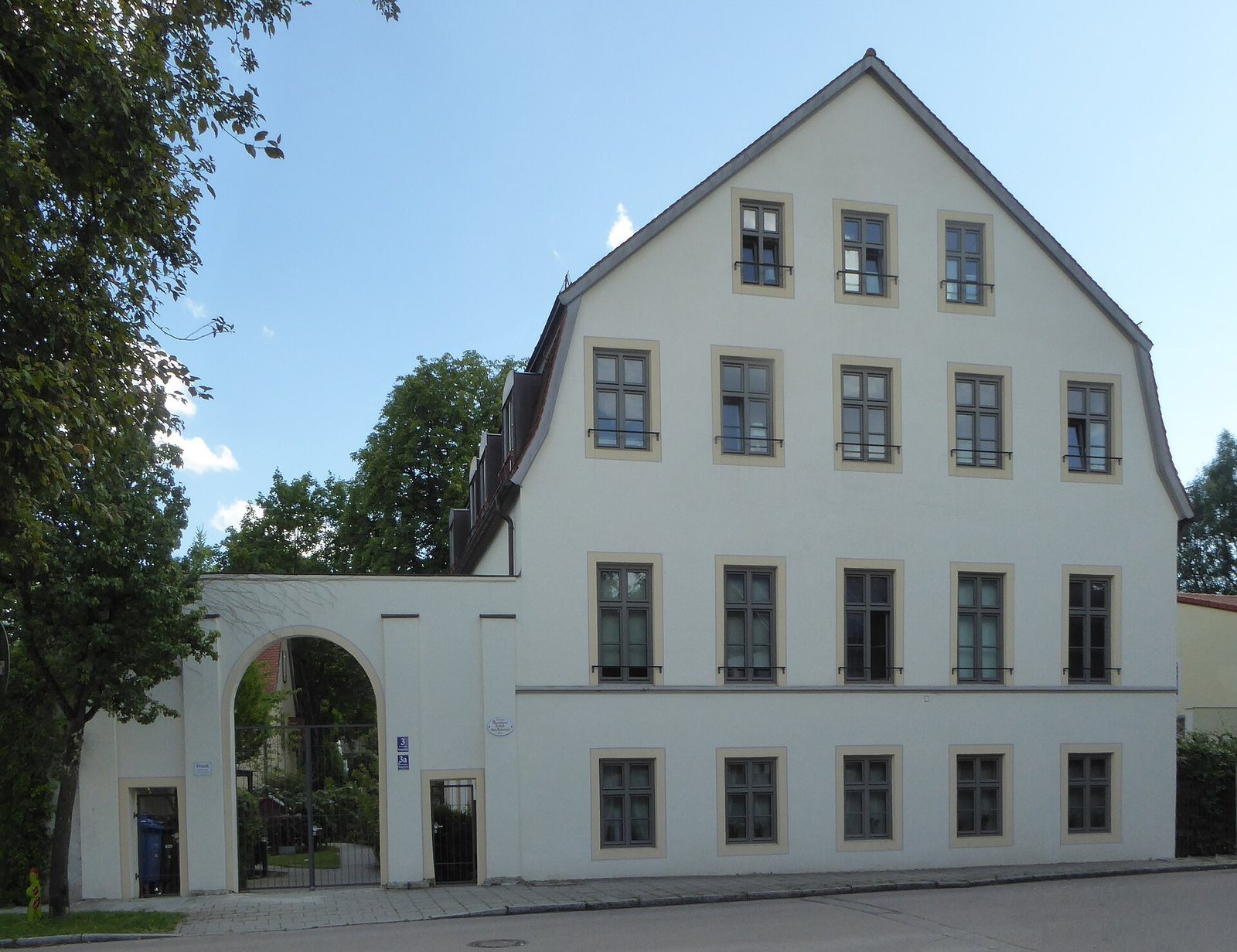
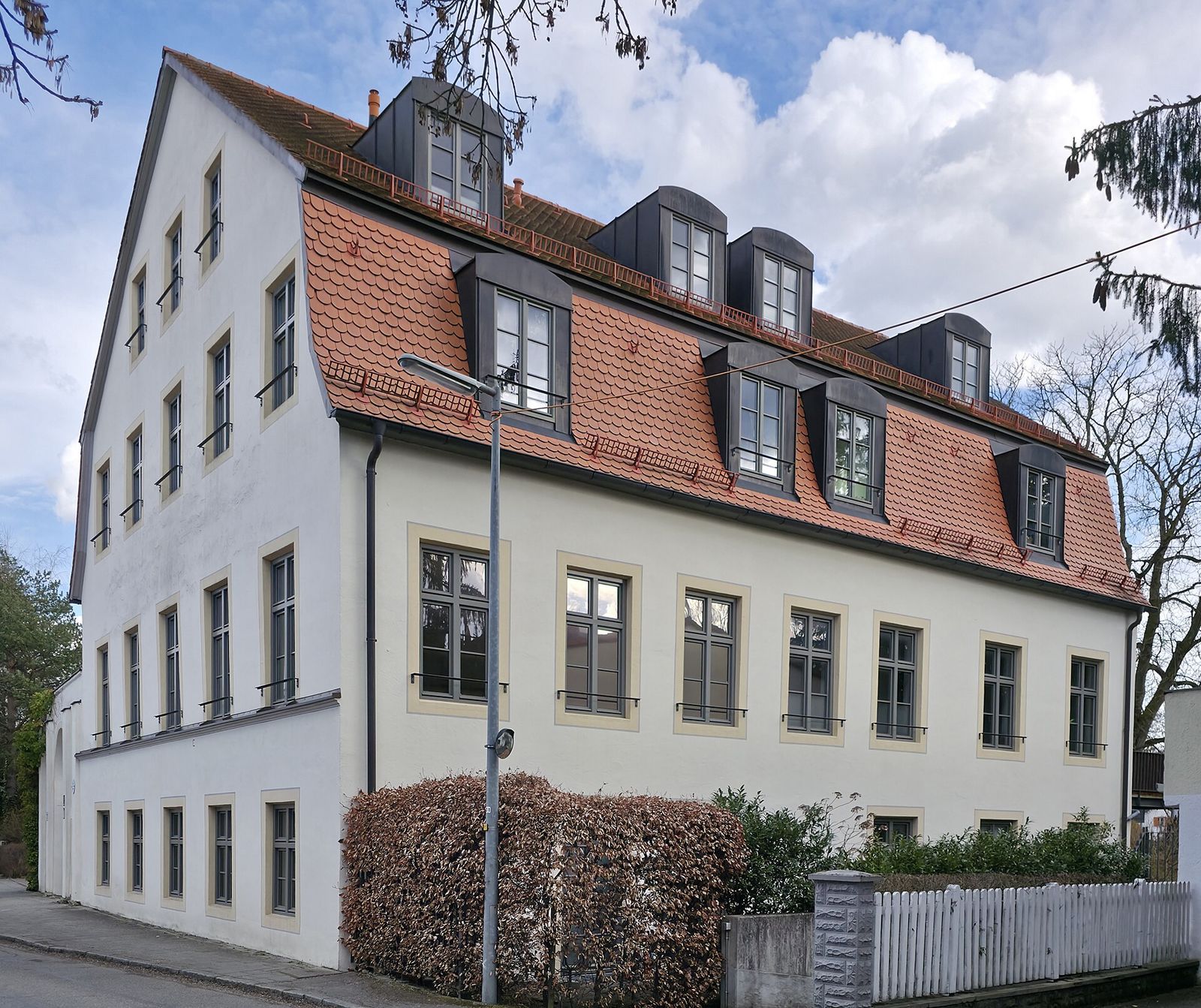
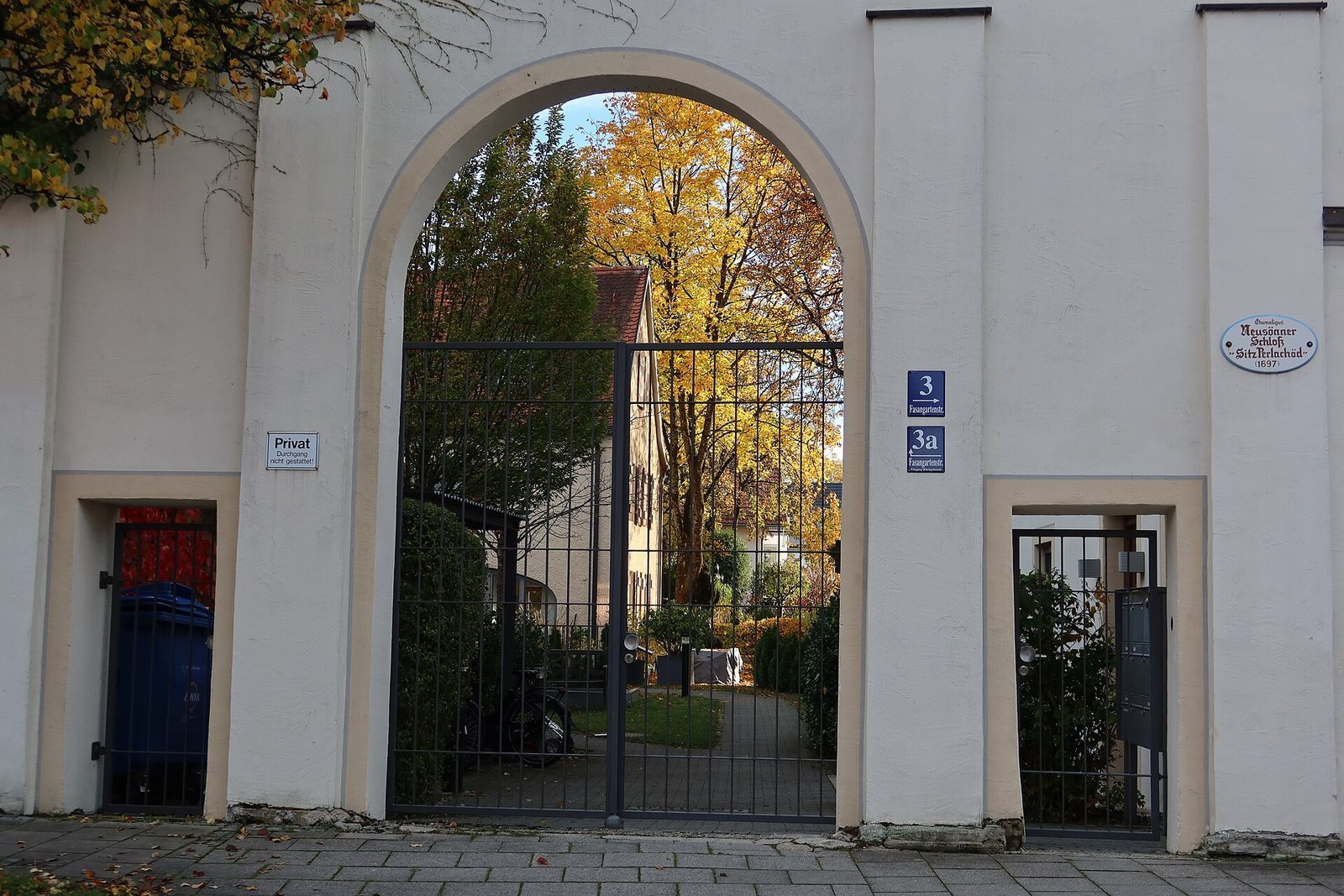
Schloss Perlachsoed, also known as Neusönner Castle, is an aristocratic residence in southern Perlach, Munich, Germany. Construction began in 1697 for Johann Sebald Neusönner, a Bavarian official who served as a confidential secretary and later became a governor. On March 12, 1696, Neusönner had acquired the original estate and adjoining farmland. On January 17, 1697, Elector Max Emmanuel of Bavaria, the ruler of Bavaria and a prince entitled to take part in choosing the Holy Roman Emperor, granted the estate special legal status as a privileged noble residence.
The castle was expanded in 1727 and extensively renovated in 2008–09. It is protected as both a built monument and an archaeological monument in Perlach.
Remains
The surviving estate includes the castle, a servants’ house, and archaeological remains beneath the former grounds, which also include a Baroque garden. Baroque refers to the ornate European style prominent in the 17th and 18th centuries.
Castle and estate grounds
The castle
The castle originally had two storeys. Elaborate wall paintings and stucco decoration survive on the first upper storey, which contained the principal reception floor of the aristocratic residence.
Courtyard and grounds
Stables and farm buildings once surrounded the castle courtyard. A servants’ house survives from the estate’s service buildings. Beneath the former estate area are archaeological remains from the early modern period, between the late Middle Ages and the modern era.