Dolmen de Chamgefège: A Group of Limestone Dolmens in France
Site at a Glance
- Popularity
- Very Low
- Country
- France
- Primary era
- Unclassified
- Eras represented
- Unclassified
- Civilizations
- Unclassified
- Site type
- Burial
- Remains
- Necropolis
On this page9 sections
History
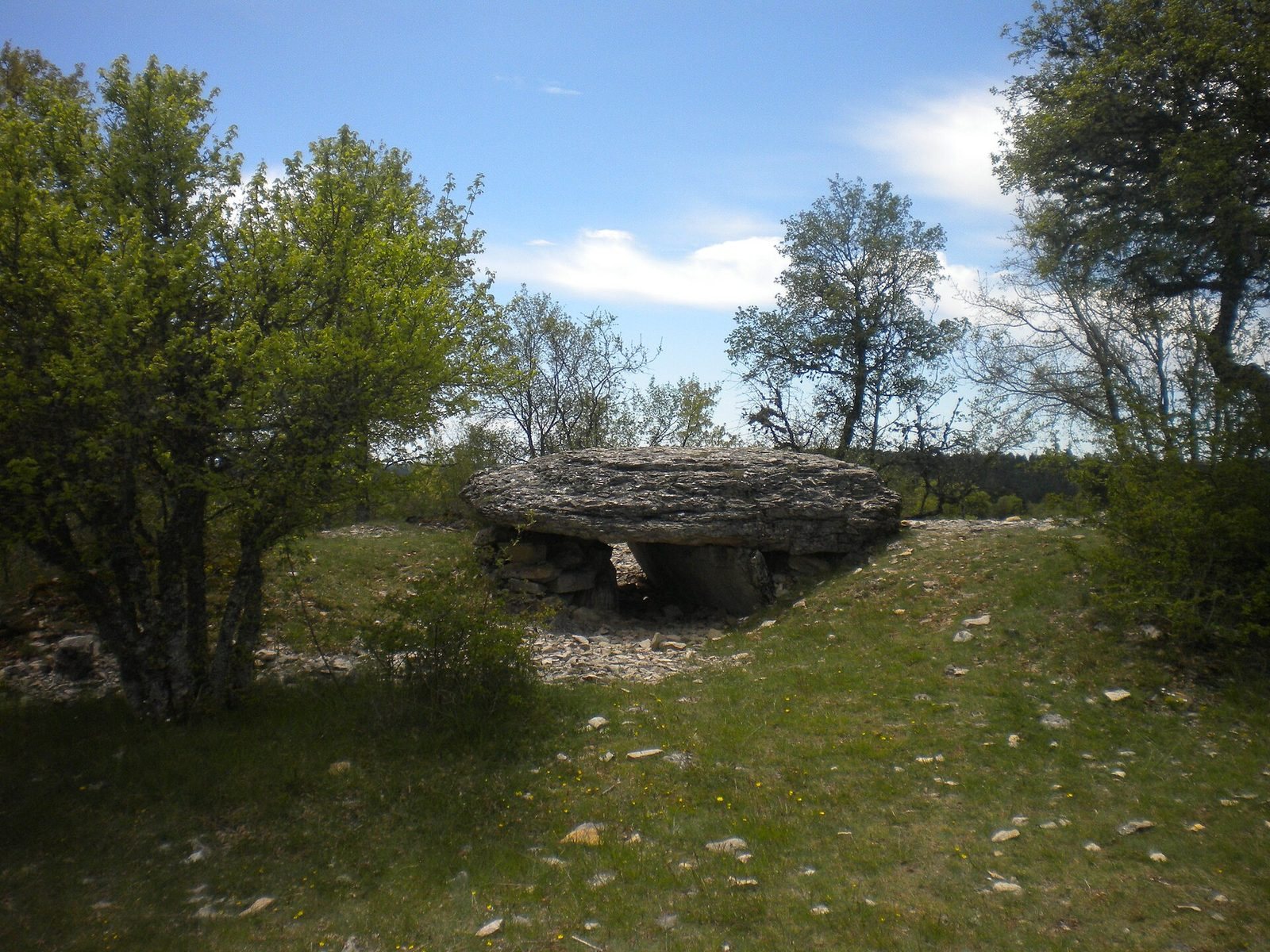
The Dolmen de Chamgefège is part of a group of limestone dolmens near Changefège, in Balsièges, Lozère, France. A dolmen is a megalithic structure made from upright stones supporting a large slab, often interpreted as a tomb. The group lies on the Causse de Changefège, a limestone plateau.
Several dolmens in the group were excavated during the final quarter of the nineteenth century by de Vibraye and Émile de Moré. An old tradition called the monuments the “Cave of the Giants” and the “Tile of the Giantess.” The Tuile de la Géante, also known as the Dolmen de la Tuile, was listed as a historic monument in 1889.
Remains
Limestone dolmens
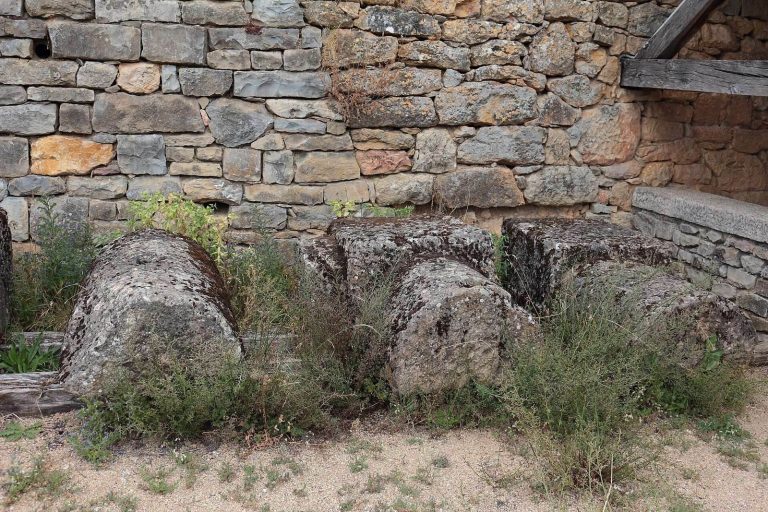
The group comprises limestone structures, several with a bent passage, an approach that changes direction before reaching the chamber. Individual dolmens stand near the hamlet and on the surrounding plateau, with chambers, passages, and mounds surviving in varying forms.
Tuile de la Géante (Dolmen de la Tuile)
About 300 m west of Changefège, this dolmen has a bent passage leading from the southeast into a trapezoidal chamber. The chamber is 3.9 m long, narrowing from 1.40 m at the entrance to 0.70 m at the rear. Its two upright stones measure 4.20 m and 3.45 m in length. The cracked covering stone is 4.65 m long, up to 3.40 m wide, and 0.60 m thick, with an average clearance of 1.45 m beneath it. The passage is 1.50 m long and 0.80–1.10 m wide.
The mound was probably circular originally, about 13 m across, and was later reshaped with stones cleared from nearby fields. Finds associated with the dolmen include two coarse-pottery vessels, a flint blade, and bone beads.
Dolmen de la Couronne de Mende
About 300 m northeast of the hamlet, this dolmen stands on a plateau spur overlooking the Lot valley. Its bent passage enters a rectangular chamber at the southeast corner. The chamber measures 4.85 m long, 1.20 m wide, and about 1.20 m high. The northern upright stone is split in two and leans inward. The large covering stone measures 3.20 m by 1.90 m and is 0.55 m thick.
Dolmen de Belchassouse
This dolmen stands within a mound 15 m in diameter and 2 m high. Its chamber is 3.50 m long, 1 m wide, and 1.10 m high, and a 1.30 m passage leads to it. The passage bends before reaching the chamber.
Dolmens de Claparal
The two Dolmens de Claparal are less than 80 m apart, and their mounds remain clearly visible. One retains its covering stone, which now rests on the mound.
Dolmen du Valat de Claparal
This double dolmen consists of two chambers built successively.
Dolmens at Cros Méjo
One dolmen lies within a mound 8 m in diameter and measures 2 m long. The remains of a second include an upright stone and the slab at the rear of its chamber.