Gyllebo Manor: A Historic Estate and Its Fortifications in Sweden
Site at a Glance
- Popularity
- Medium
- Country
- Sweden
- Primary era
- Modern
- Eras represented
- Medieval, Early Modern, Modern
- Civilizations
- Danish, Swedish
- Site type
- Domestic
- Remains
- Manor House
On this page8 sections
History
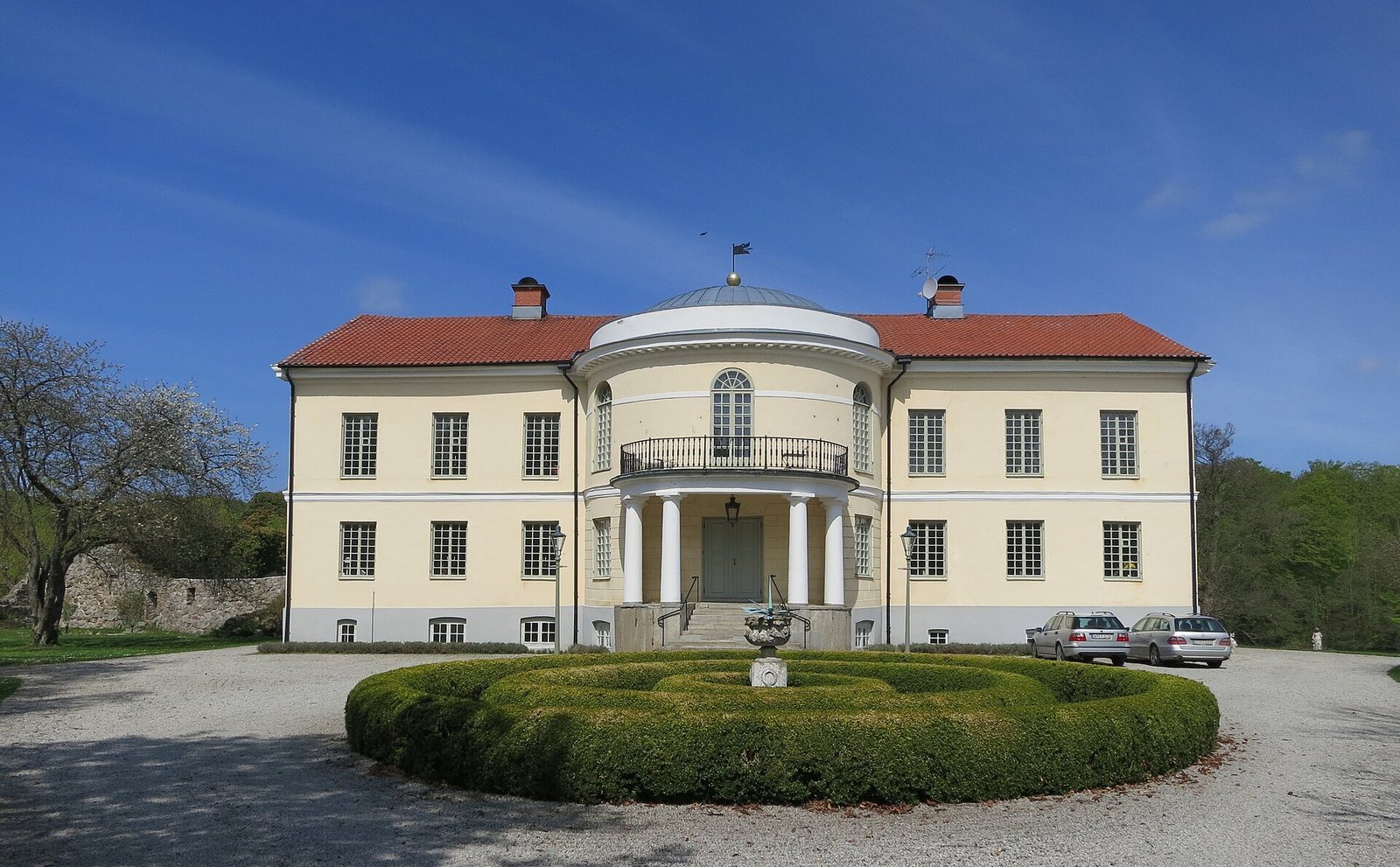
Gyllebo Manor is a historic estate on the shore of Lake Gyllebo in Scania, southern Sweden. Its present manor house is an early nineteenth-century building in the Neoclassical style, inspired by ancient Greek and Roman architecture.
Medieval and sixteenth-century fortifications
The name Gyllebo derives from the Glits family, who came from Schleswig in Germany. A fortress stood at Gyllebo by about 1280, but it was destroyed around 1500. Laurids Lauridsen Knob built the Gyllebohus stronghold between 1538 and 1544, and it was then among the largest fortresses in Scania. Gyllebo’s castle also served at some point as a monastery, housed Danish nobles, and provided a residence for Margaret I, a late-medieval Danish ruler who exercised authority across other Scandinavian kingdoms. The castle burned several times, most recently around 1700.
From Danish to Swedish control
After the Danish-Swedish War of 1658–1660, a conflict between the two kingdoms, Gyllebo was among 18 estates in Scania belonging to Danish nobles that were ceded to Sweden in exchange for Bornholm, which returned to Denmark.
From 1713 to 1754, Christina Beata Dagström controlled the estate. The law governing married women treated them as legally subordinate in property matters, so formal ownership rested with her husband, Olof Dagström, while Christina managed the estate without his interference. Olof had been sentenced to life imprisonment for treason.
The Schönström family and later use
After Christina’s death in 1754, the estate remained with the Schönström family until 1904. Hedvig Sofia Schönström had the present manor house built between 1813 and 1818; it officially opened in 1818.
In the early twentieth century, the manor became a national site in Sweden before later passing into private ownership. In 1927, the estate land was divided into smaller farms, and the authorities bought the manor house and converted it into a rest home. The home operated until 1971.
Remains
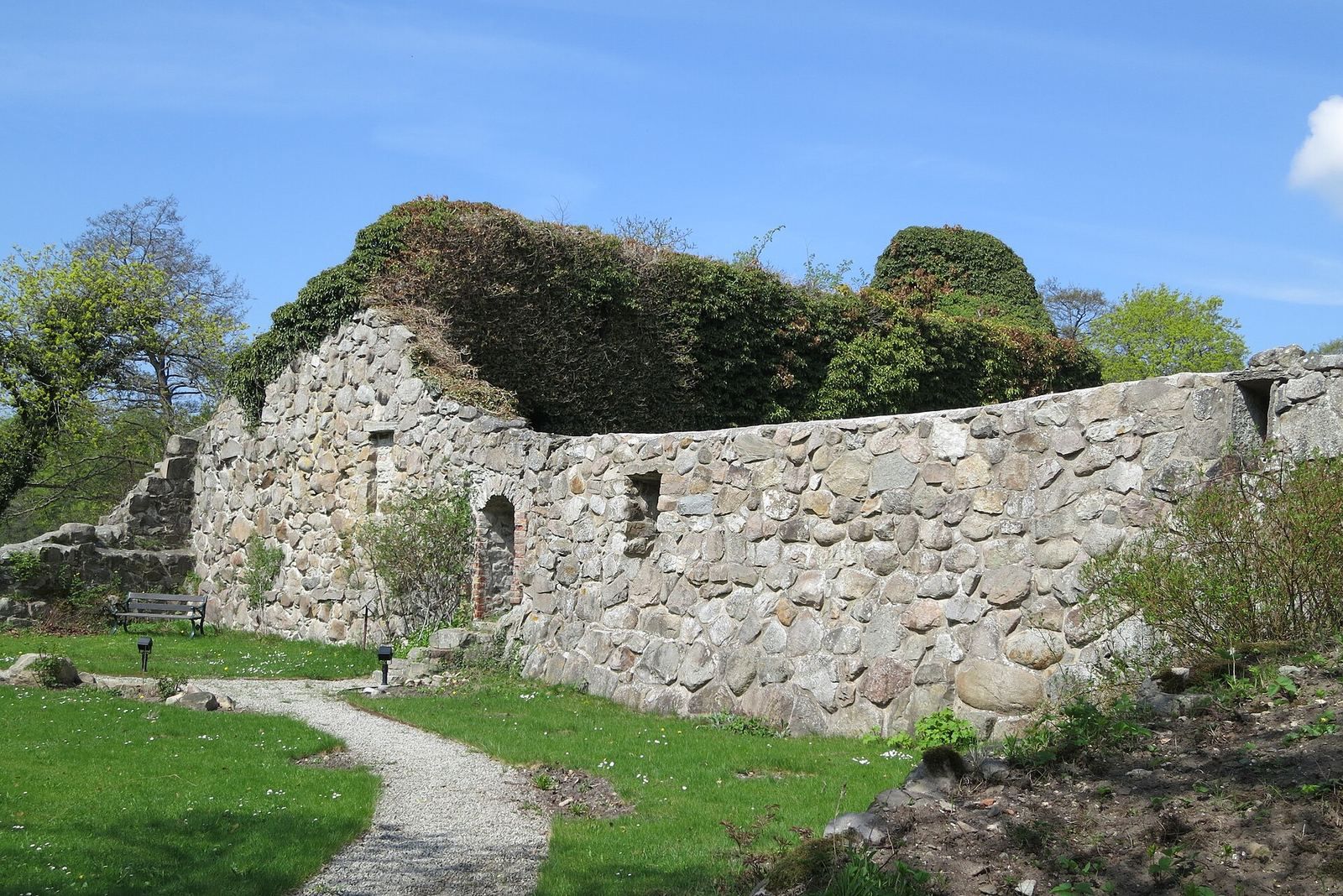
The surviving complex brings together the Neoclassical manor house, remains of an earlier fortress, and the adjoining ruins of Gyllebohus. The earlier fortress stood near the present manor.
The manor house
The main building has two storeys and a decorated dome on one side.
The earlier fortress
The fortress was square and built of granite around an inner courtyard. A water-filled moat encircled it, and its remains lie near the present manor.
Gyllebohus
The ruins of Gyllebohus adjoin the manor.