Oldendorfer Totenstatt: A Group of Prehistoric Burial Mounds in Germany
Site at a Glance
- Popularity
- Medium
- Country
- Germany
- Primary era
- Stone Age
- Eras represented
- Stone Age, Bronze Age
- Civilizations
- Unclassified
- Site type
- Burial
- Remains
- Necropolis
On this page12 sections
History
Prehistoric origins and use
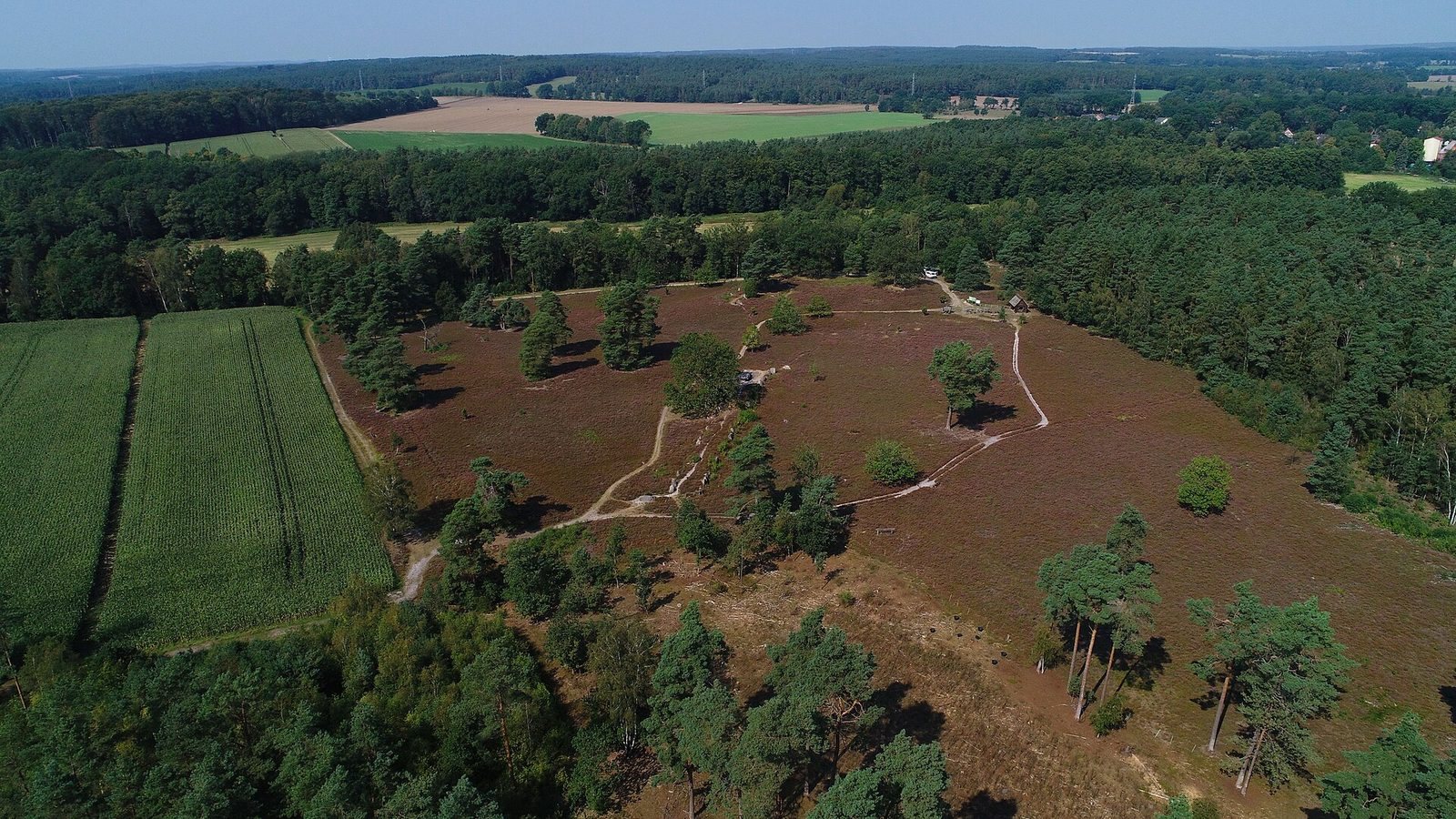
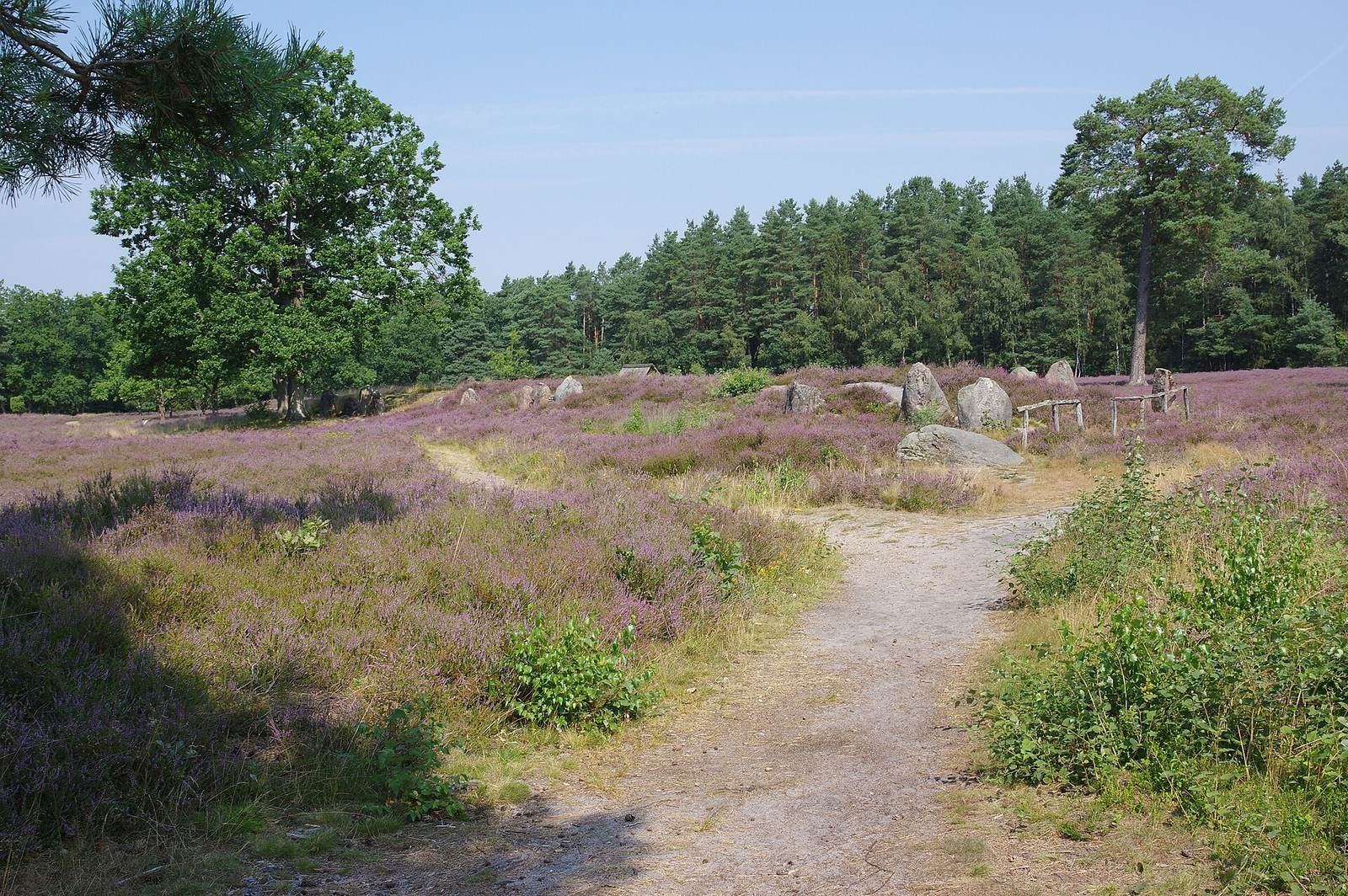
Oldendorfer Totenstatt is a group of six prehistoric burial mounds and megalithic monuments at Oldendorf, north of Amelinghausen in the Luhe valley of Germany. The site’s origins are placed between 3500 and 2800 BCE, and its megalithic monuments are attributed to the Funnelbeaker culture. The Funnelbeaker, Globular Amphora, and Single Grave cultures are named for distinctive pottery forms or burial practice.
Separate layers within the chambers of Monuments II and IV contain remains associated with all three cultures. A burial mound partly investigated in 1964 was excavated further in 2023, when a stone battle axe was recovered.
Remains
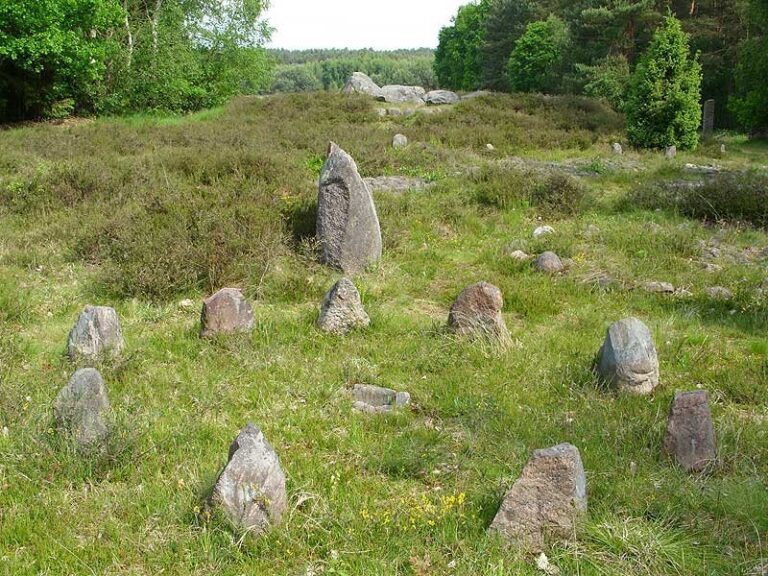
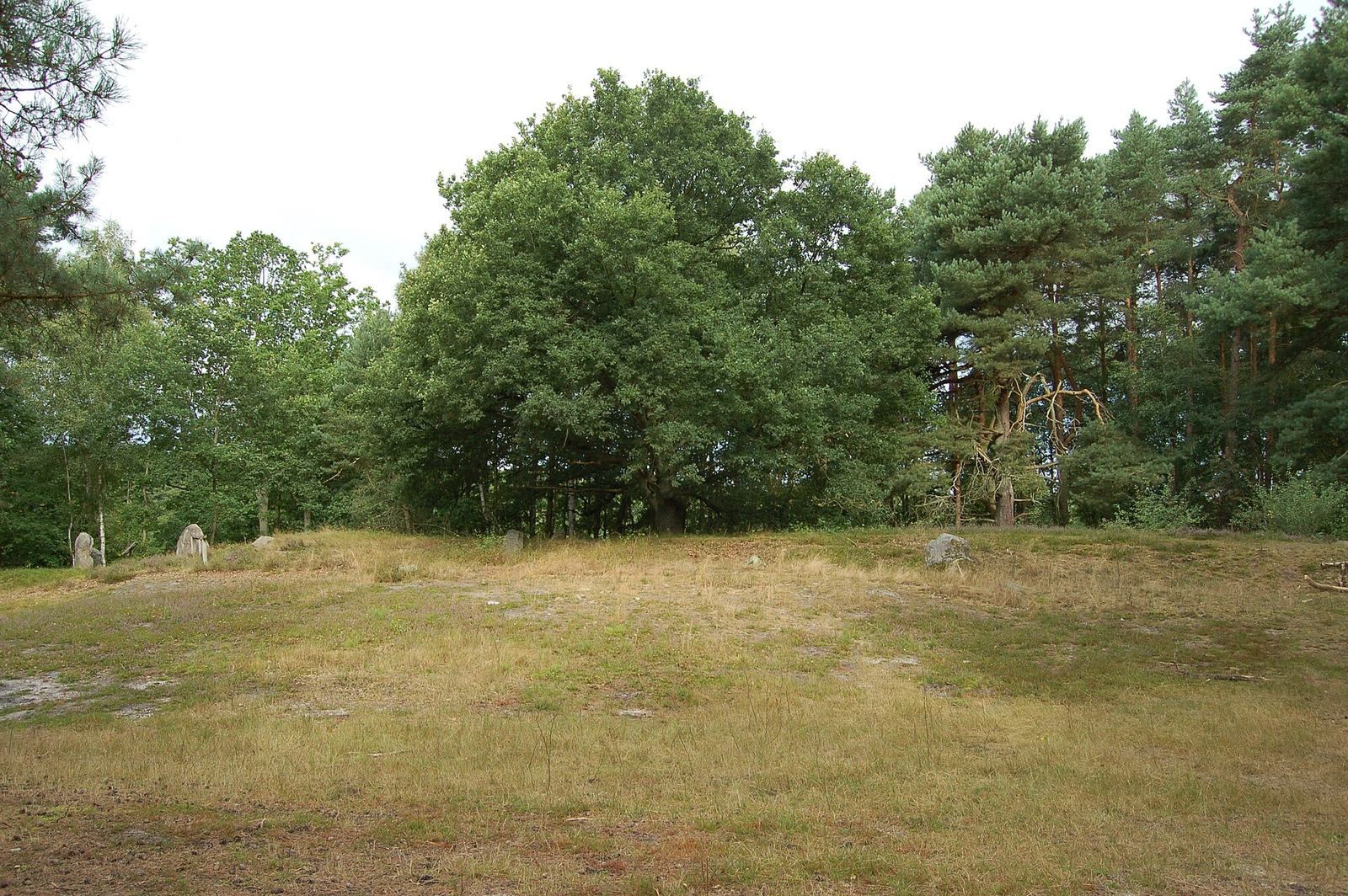
The group consists of three elongated long barrows, Monuments I, III, and IV, and three circular mounds, Monuments II, V, and VI. Earthworks, boundary stones, and stone-built burial chambers make up the surviving features.
Long barrows
Monument I
Monument I is a 45-metre-long long barrow that has been heavily damaged.
Monument III
Monument III survives as a 43-metre stretch of earth mound. Some boundary stones remain upright, while others have fallen over.
Monument IV
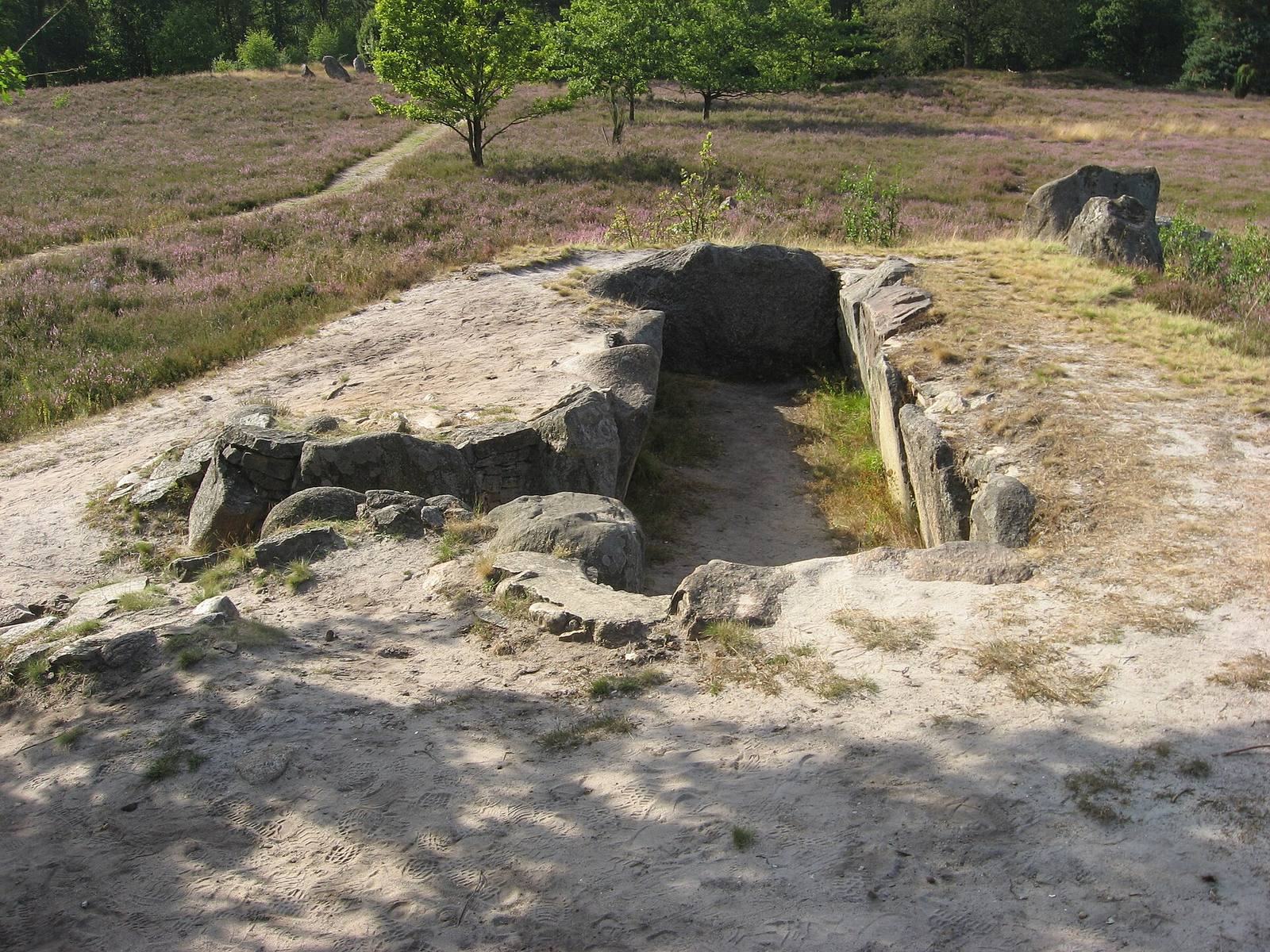
Monument IV is an 80-metre-long long barrow with a passage grave, a stone tomb whose burial chamber is reached through a passage. The chamber is about eight metres long and has 12 upright support stones and two passage stones. Positioned at the far end of the mound, it has an entrance strongly offset to one side. This arrangement identifies it as a Holstein Chamber, a regional type of passage grave.
About 100 boundary stones originally marked the mound. Fourteen remained in place, and the others were re-erected during restoration. A section of the mound was also restored with stone infill.
Round mounds
Monument II
Monument II is a round mound about 20 metres in diameter. Remains of a passage grave at its centre include upright stones and a threshold stone. A replica of a band-handled cup associated with the monument is among the site’s finds.
Monuments V and VI
Monuments V and VI are round burial mounds from the Bronze Age, the period when bronze became important for tools and weapons.
Finds
Stone battle axe
The excavated mound yielded a greenish stone battle axe more than 4,000 years old. It apparently came from Jutland and dates to either the Late Neolithic, the final phase of the Stone Age, or the Early Bronze Age. Its wooden handle has decayed, and the axe was probably never used.