Dolmen de Santa Elena: Two Copper Age Burial Monuments near Biescas, Spain
Site at a Glance
- Popularity
- Medium
- Country
- Spain
- Primary era
- Stone Age
- Eras represented
- Stone Age
- Civilizations
- Unclassified
- Site type
- Burial
- Remains
- Tomb
On this page8 sections
History
Eneolithic tombs
The Dolmen de Santa Elena is a pair of prehistoric stone-chamber tombs near Biescas, Spain. The two monuments date to around 5,000 years ago, during the Eneolithic, also called the Copper Age, a transitional period between the Neolithic and Bronze Age. Similar tombs in the Pyrenees and Pre-Pyrenees are associated with pastoral communities. The first dolmen was reused and looted over time, repeatedly disturbing its human remains; only a few grave goods were recovered.
Discovery and reconstruction
Biescas physician Roque Herráiz discovered the megalithic group in 1931. Martín Almagro Basch, a Spanish archaeologist and prehistorian, excavated the first dolmen in 1934 and published his findings in a journal of the Spanish Society of Anthropology, Ethnography and Prehistory.
The first dolmen was destroyed during the 1937 Biescas Offensive, a military action in the Spanish Civil War. The Provincial Museum of Huesca and Biescas municipality reconstructed it in 1975. In 2018, the Biescas Cultural Association ERATA initiated a search for the second dolmen, which lay beneath rubble from a disused quarry. An old photograph and a local resident’s testimony helped pinpoint it. Once the rubble was cleared, the monument was found in the same condition as in 1931.
The site is designated a Spanish Asset of Cultural Interest, a formal heritage status for places considered to have cultural value.
Remains
The two stone burial chambers stand on the Santa Engracia plain, at the entrance to the Tena Valley and about four kilometres from Biescas. The site lies on the left bank of the Gállego River and the right bank of the Lasieso ravine. Both chambers open east, and the second dolmen is about 50 metres west of the first.
The dolmen chambers
First dolmen
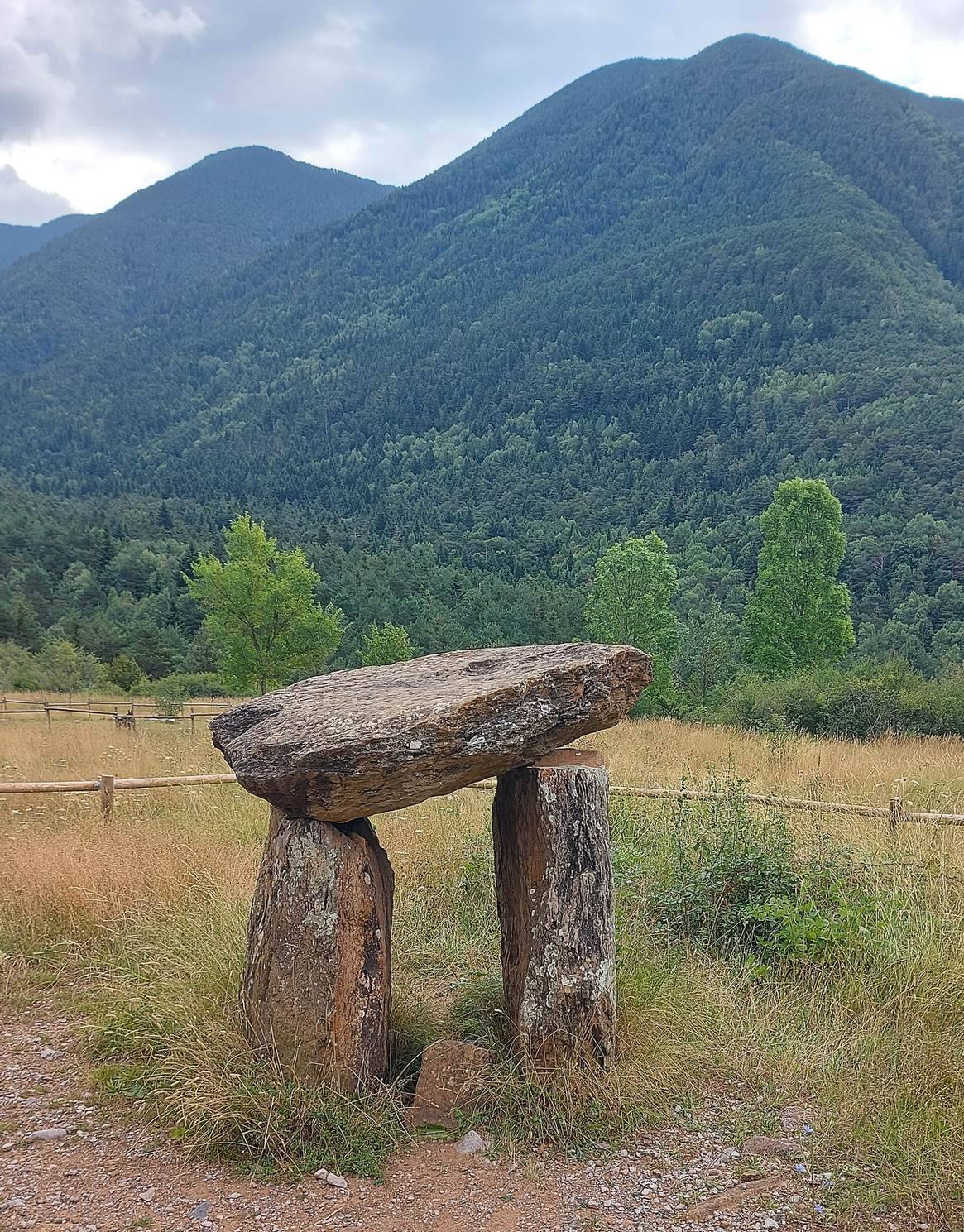
The first dolmen’s chamber measures 1.45 metres long, 0.72 metres wide and 1.5 metres high. Two upright stone slabs support its capstone. Finds include a 53-millimetre lance-shaped arrowhead, a pendant made from a polished deer tooth and a button with a V-shaped perforation.
Second dolmen
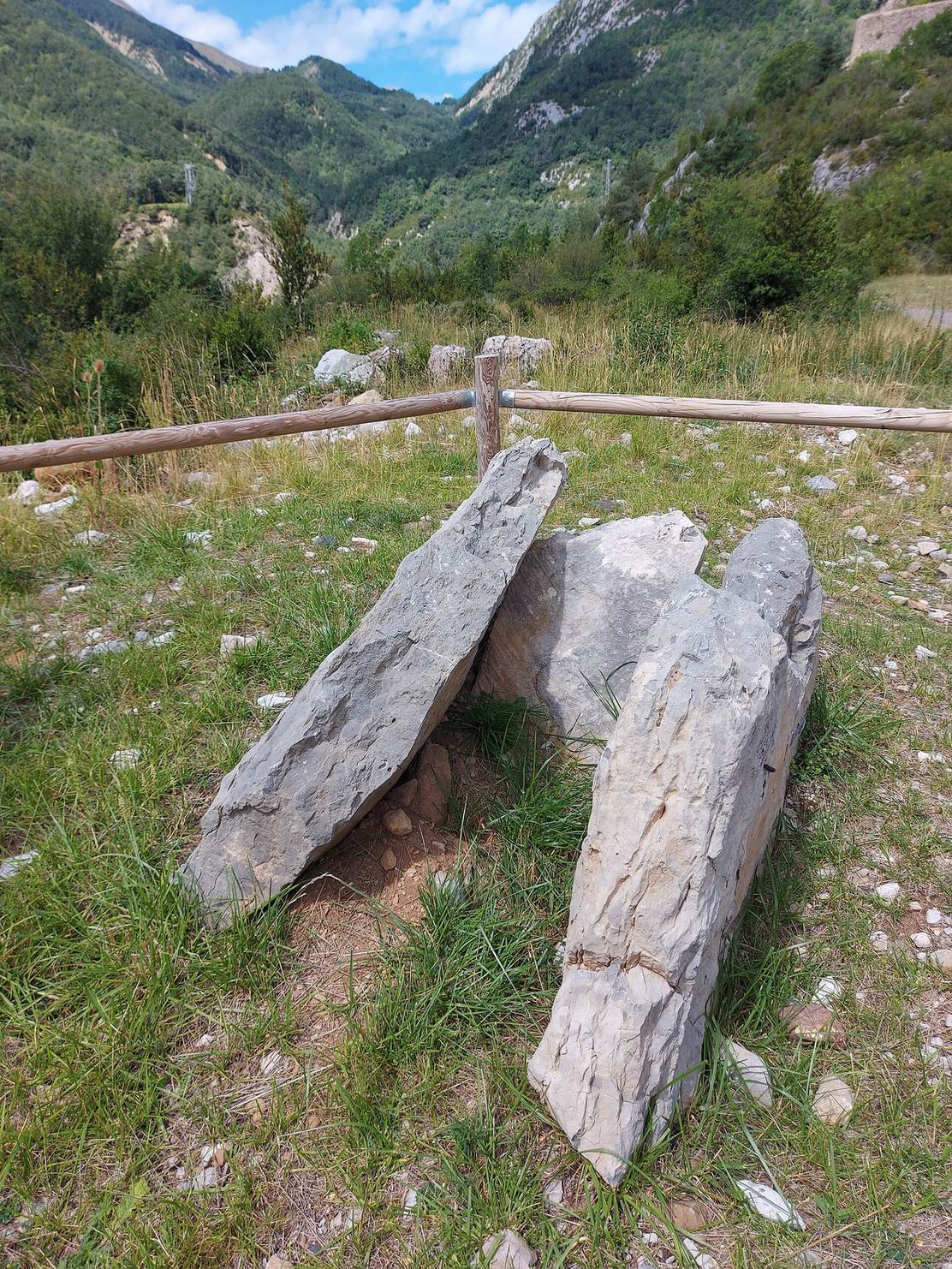
The second chamber is about 1.5 metres high. Its three chamber stones measure 1.7 metres, 1.3 metres and 0.6 metres. One stone shifted, causing the capstone to fall. Finds from the tomb include a 25-millimetre arrowhead, a piece of jet, a white-stone necklace bead and a fragment of polished bone.
Nearby chapel and monuments
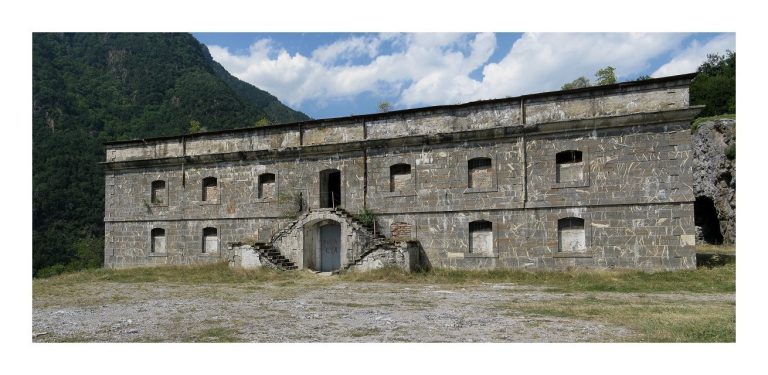
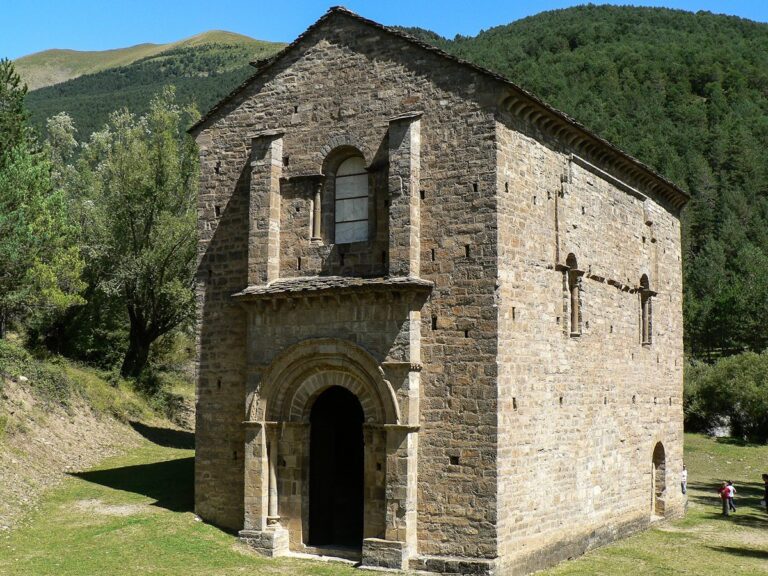
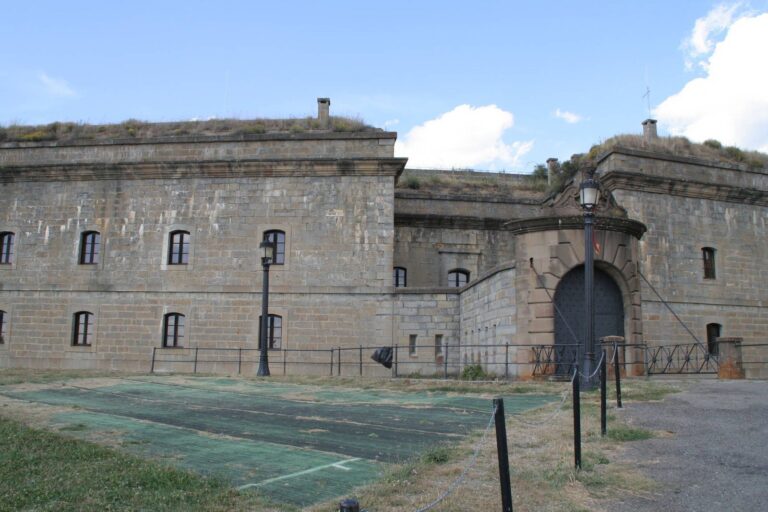
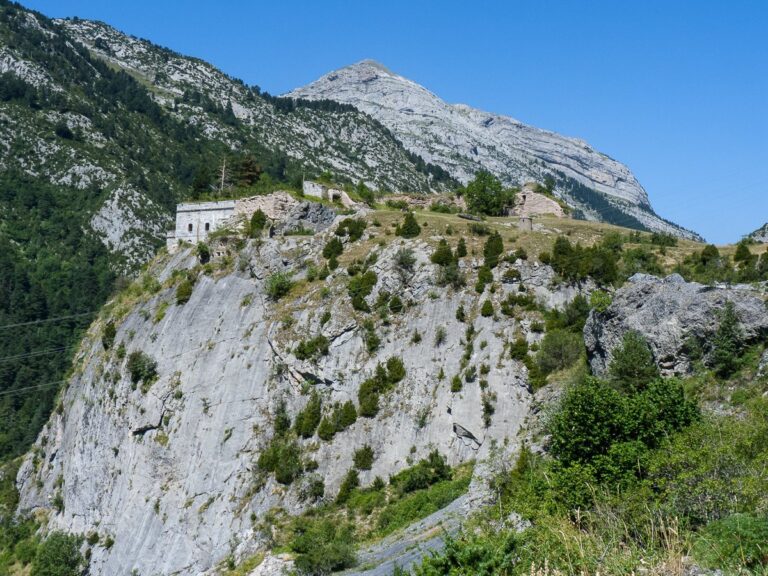
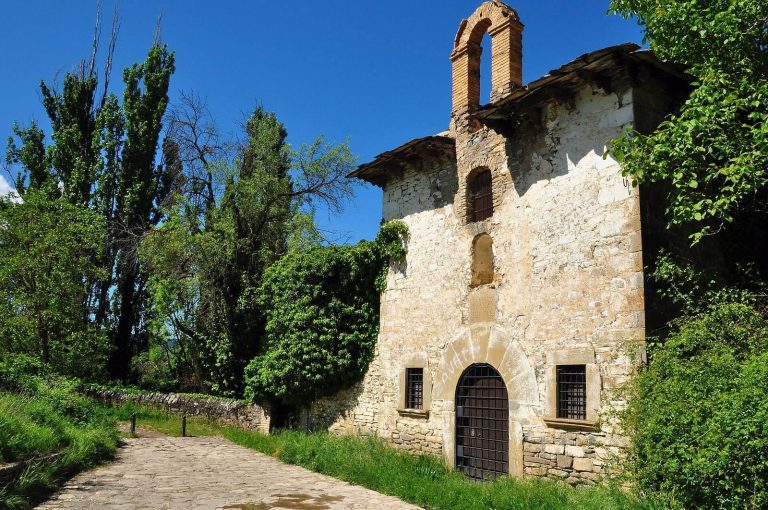
A restored chapel of Santa Engracia stands beside the second dolmen. Santa Engracia is a Christian martyr venerated in Zaragoza. The chapel’s alms box contained 47 coins from various origins and periods. The Fort of Santa Elena and the Hermitage of Santa Elena also lie nearby; Saint Helena is Biescas’s patron saint.