Fuerte de Santa Elena: A Military Stronghold on Spain’s French Frontier


Site at a Glance
- Rating
- 4.1
- Popularity
- Very Low
- Country
- Spain
- Primary era
- Early Modern
- Eras represented
- Early Modern
- Civilizations
- Spanish
- Site type
- Military
- Remains
- Fort
On this page6 sections
History
Royal frontier defence
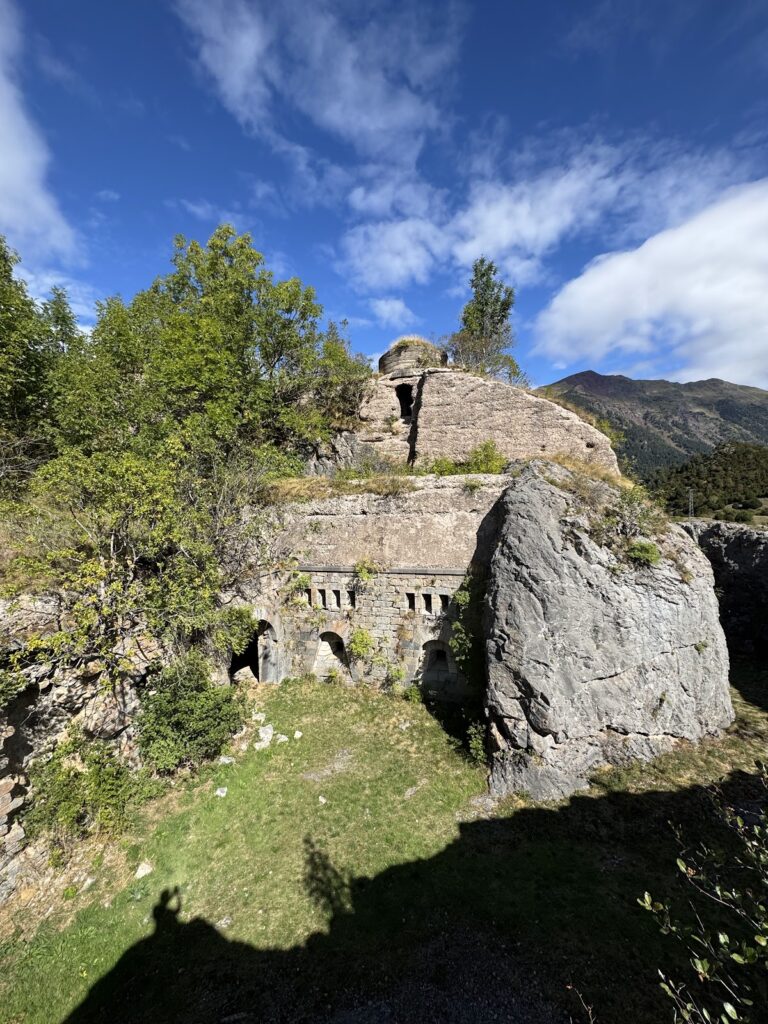
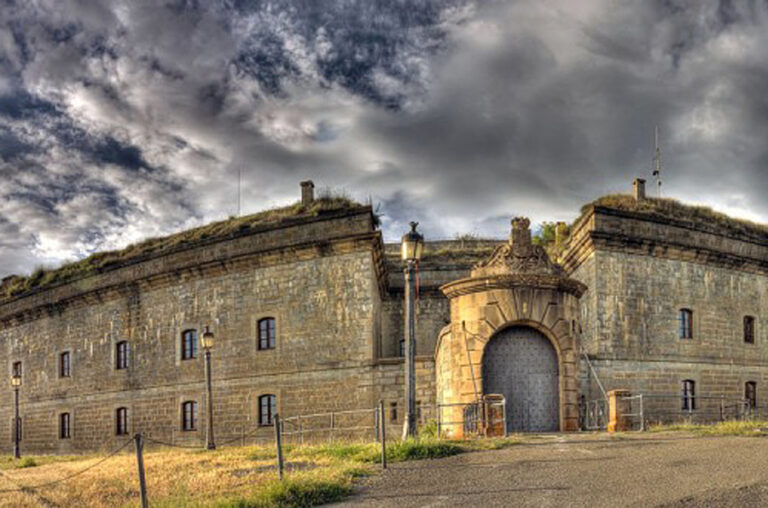
Fuerte de Santa Elena is a military stronghold in Spain, in the municipality of Biescas in the Tena Valley of Huesca Province. Construction began during the reign of Philip II, who ruled Spain from 1556 to 1598, as part of the country’s defensive system on the French frontier. The fort was enlarged during the reign of Charles III, king of Spain from 1759 to 1788.
Destruction and rebuilding
The fort was partially destroyed during the Peninsular War, the Iberian phase of the wider Napoleonic Wars fought in Spain and Portugal from 1807 to 1814. It was rebuilt between 1884 and 1889, at the same time as Rapitán Fort and Coll de Ladrones Fort, and rebuilt again in 1905. From 1926, the site was used for civilian purposes.
The Tena Valley Pocket
In 1937, during the Battle of Sabiñánigo in the Spanish Civil War, Commander Cabrerizo and Nationalist troops took refuge in the fort as Republican forces advanced. Nationalist forces supported the military uprising and Franco’s side, while Republican forces defended the Spanish Republic. This action initiated the “Tena Valley Pocket”, in which approximately 350 Nationalist soldiers and 1,500 civilians resisted a Republican siege for several months while maintaining almost no communication with the rest of the Nationalist army.
Later ownership and protection
The Spanish Ministry of Defence sold the fort to the private investor Corporación Aragonesa Grupo Octopus in 2004. The site was protected under the generic heritage provisions established by the Decree of 22 April 1949 and Spain’s Historical Heritage Law 16/1985. In 2006, it was designated an Asset of Cultural Interest, a formal Spanish heritage classification for places with recognised historical, artistic, architectural, archaeological, or cultural value. The declaration was issued on 17 April and published on 22 May.
Remains
Fuerte de Santa Elena survives as a vast military structure on Mount Santa Elena, on the left bank of the Gállego River. Its position overlooks the A-136 road and the route crossing the Pyrenees toward France through the Portalet pass. These physical and geographic relationships explain the fort’s place within the defensive system established on the frontier.
Nearby sites