Saint-Eutrope Hill and the Former Fortress of Orange
Site at a Glance
- Popularity
- Medium
- Country
- France
- Primary era
- Early Modern
- Eras represented
- Medieval, Early Modern
- Civilizations
- Holy Roman Empire
- Site type
- Military
- Remains
- Citadel
On this page7 sections
History
Saint-Eutrope Hill is a historic hilltop site in central Orange, France, associated with the town’s successive fortresses. It was probably occupied continuously from at least the protohistoric period, before written records for the region, through the end of the seventeenth century. Its defenses were rebuilt and strengthened over several centuries.
Medieval fortress
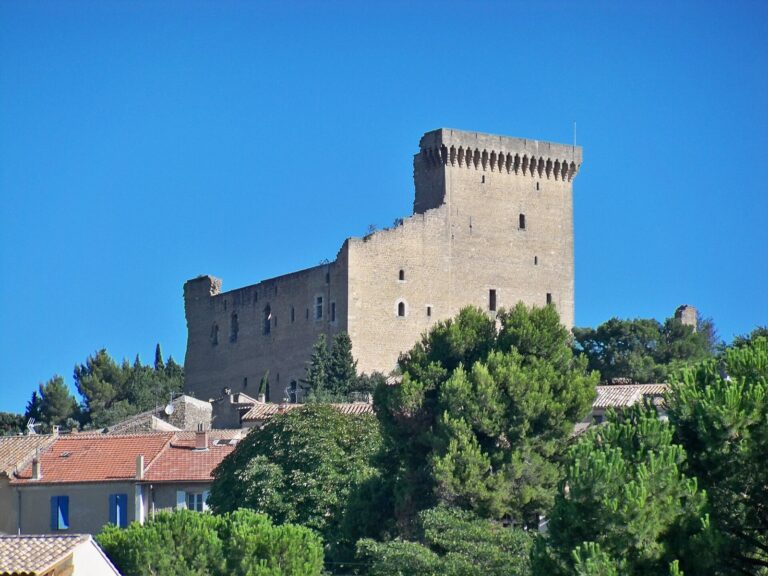
In the twelfth century, Tiburge, daughter of Raimbaud, Count of Nice, arranged for Orange’s ancient walls to be restored and its old fortress rebuilt. During the fourteenth century, the princes of Baux reinforced the keep, the castle’s principal fortified tower, and the surrounding ramparts against attacks by the Great Companies, bands of mercenary soldiers whose raids affected Provence. The population gathered around the fortress within an enclosure much smaller than the Roman-era perimeter. In the final years of the century, Jean de Chalon added three wings to the keep, giving it a square plan.
The early modern fortress and its destruction
After the old castle was damaged during the Wars of Religion, it underwent extensive changes. From 1621 to 1624, Maurice of Nassau, a Dutch military commander and statesman, commissioned a modern fortress. In 1672, Louis XIV ordered the Count of Grignan to besiege and destroy the citadel. The order was retaliation against William III, Prince of Orange and stadtholder, a senior governor in the Dutch Republic, for defending Dutch interests and the Protestant religion. Demolishing the massive walls required gunpowder.
Protection and investigation
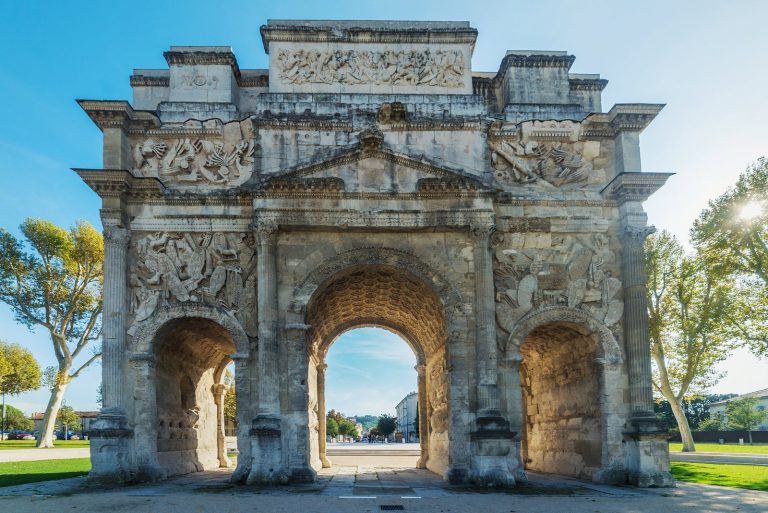
In 1935, 25 hectares of the hill received protected-site status under France’s environmental classification system. Queen Juliana of the Netherlands planted an oak there on 29 July 1952. Excavations in 1991 examined the fortress as an architectural and military complex. Since 2007, the hill has been included in the UNESCO World Heritage property covering Orange’s Roman Theatre and Triumphal Arch, recognized under criteria (iii) and (vi).
Remains
Fortifications
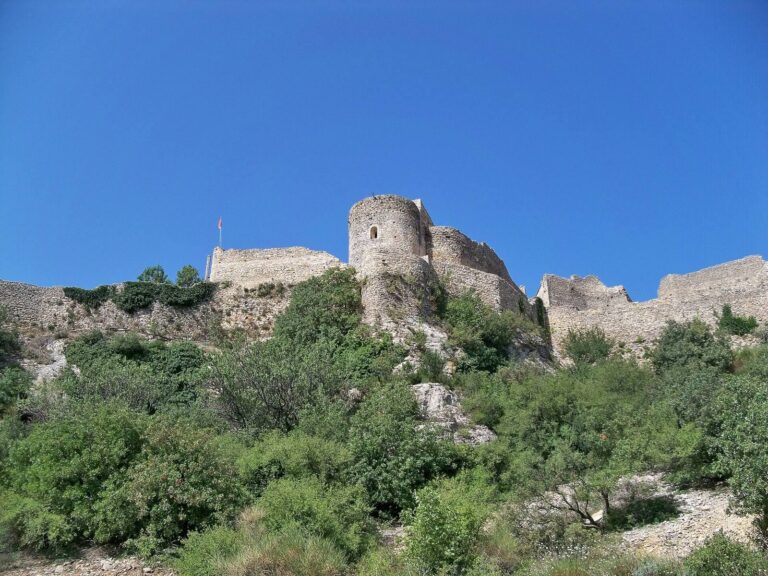
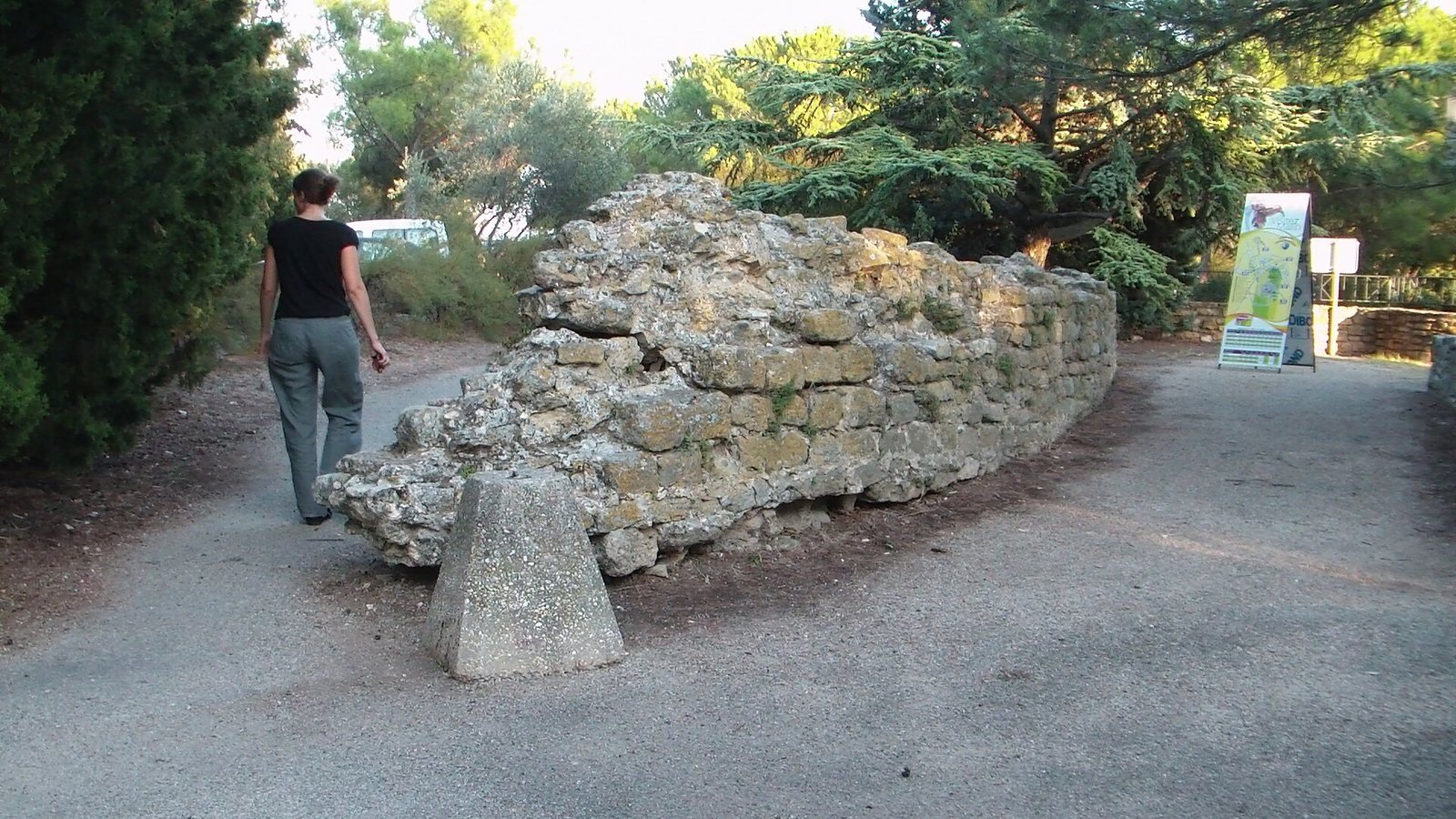
The former castle of the princes of Orange, also known as Nassau Castle, occupied the hilltop. The modern fortress combined a fourteenth-century keep, a curtain wall linking defensive structures, and the Vignasse, an open esplanade. The historian Joseph de la Pise described the esplanade as able to accommodate 10,000 men in battle. The wider citadel extended across the hill, with 11 outward-projecting bastions connected by curtain walls and ditches. Its walls were exceptionally thick and solidly built; fragments remain.
Hill setting and present features
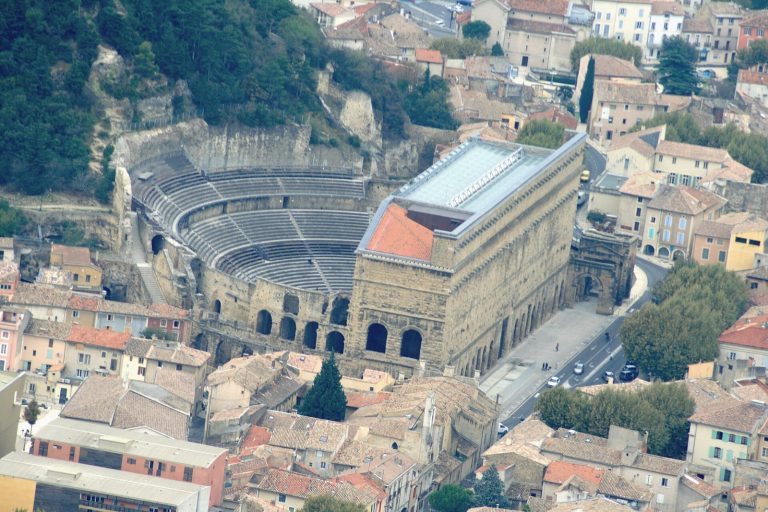
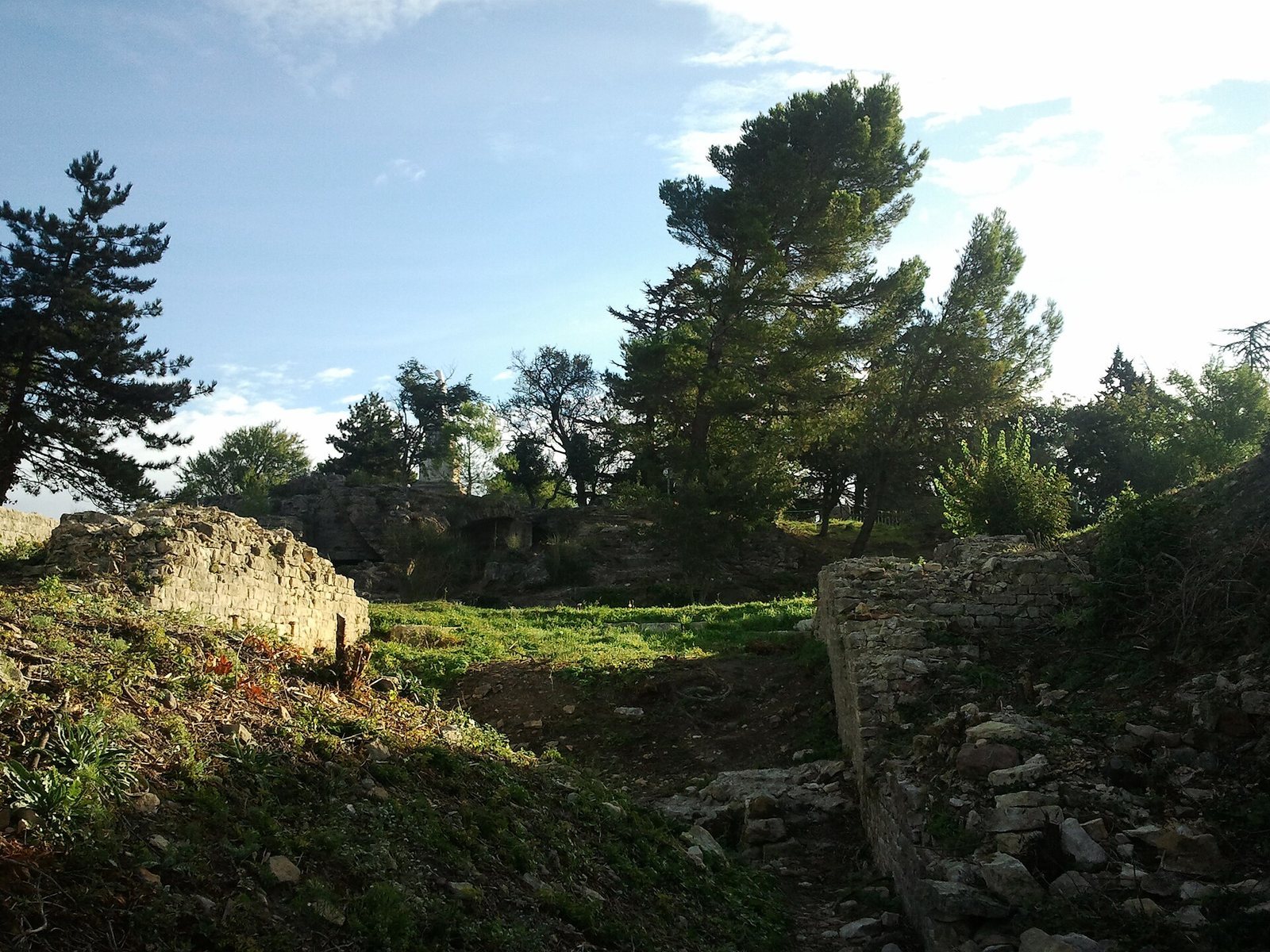
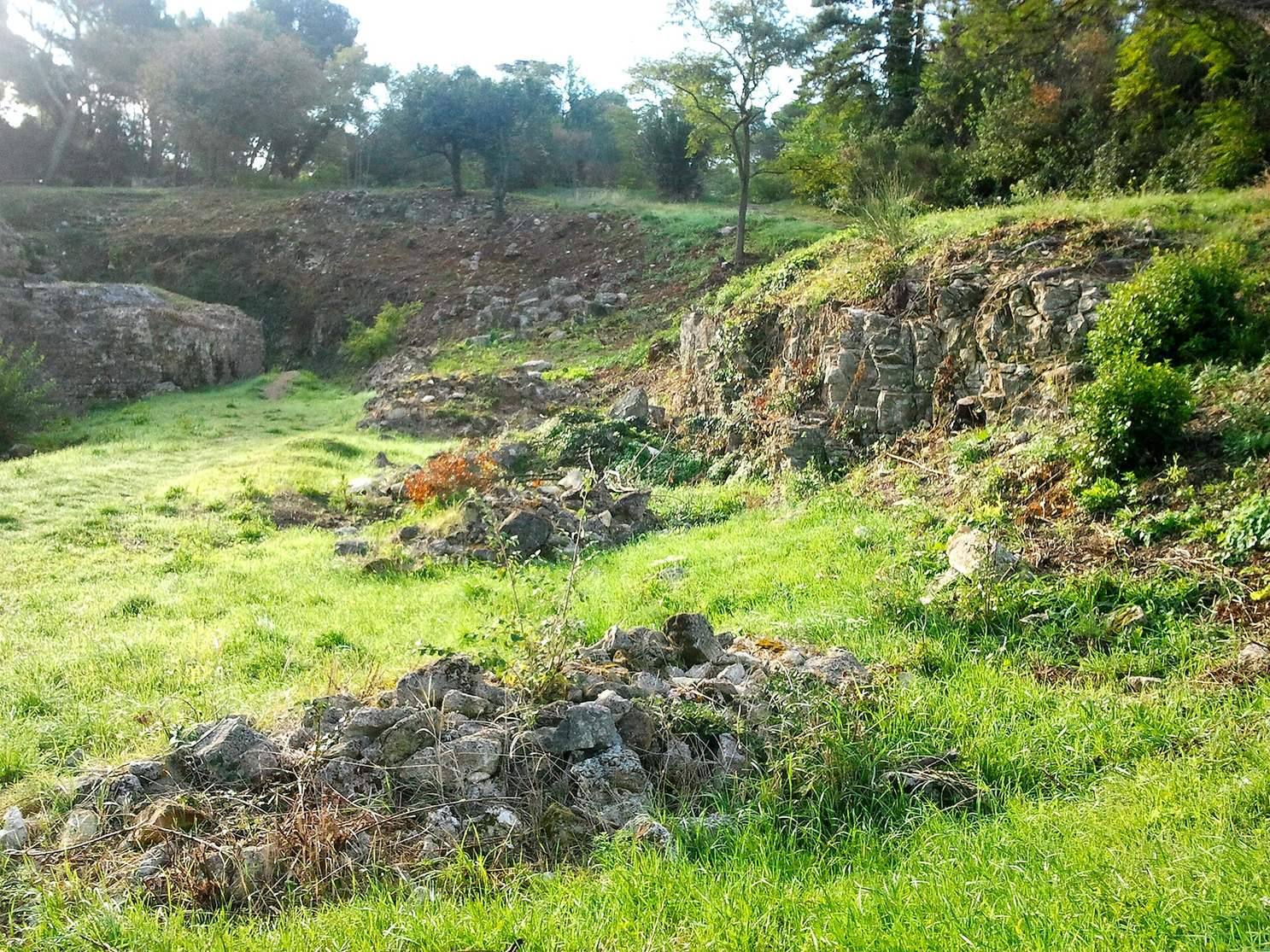
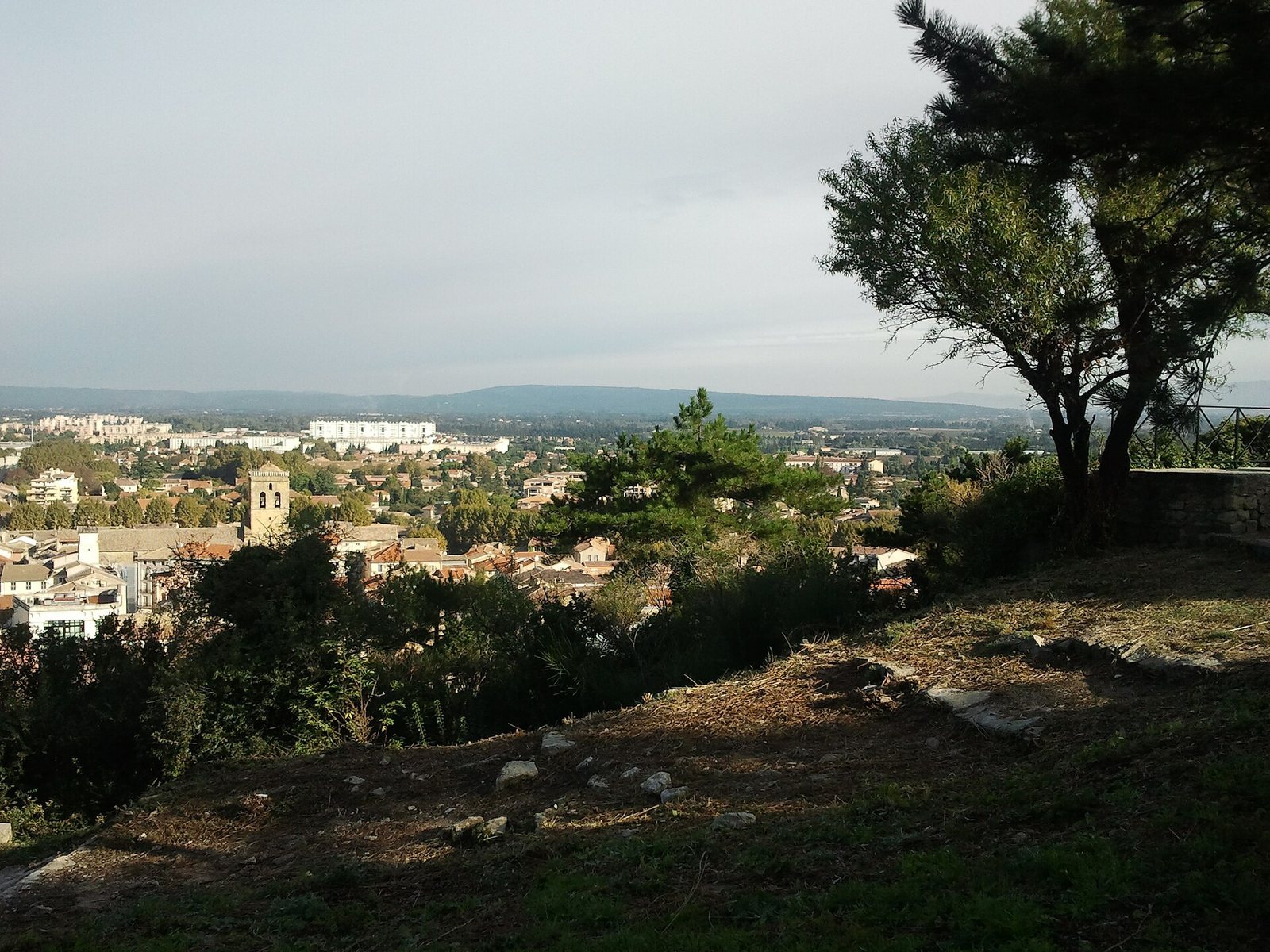
The hill lies in central Orange, covers 9.45 hectares, and rises to 105 metres above sea level. It overlooks the northern part of the town, with the ancient theatre below. Tree-covered slopes form a backdrop to Roman remains, and views extend across the Comtat beyond Avignon and from the Cévennes to Mont Ventoux. A monumental statue of the Virgin Mary, a playground, four panoramic areas, and an orientation table are among the features on the hill; the Cèdres municipal swimming pool is abandoned. The Saint-Louis secondary-school complex and an old quarry occupy the eastern flank, while Saint-Clément Cemetery lies on the western flank.