Kitsuneyama Kofun: A Fifth-Century Burial Mound in Sakai, Japan
Site at a Glance
- Popularity
- Low
- Country
- Japan
- Primary era
- Classical
- Eras represented
- Classical
- Civilizations
- Yamato
- Site type
- Burial
- Remains
- Burial Mound
On this page6 sections
History
The fifth-century mound group
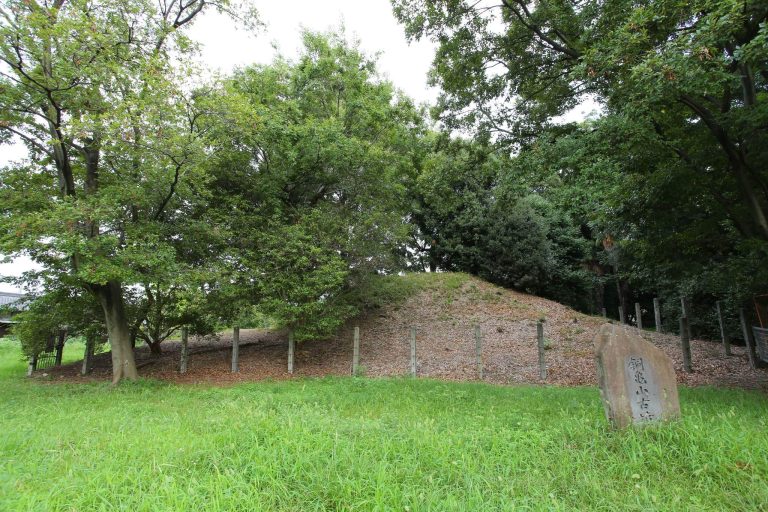
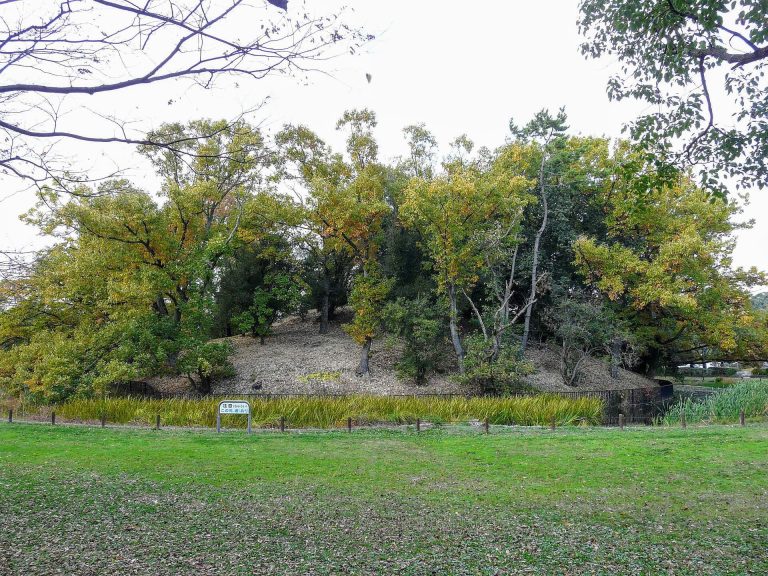
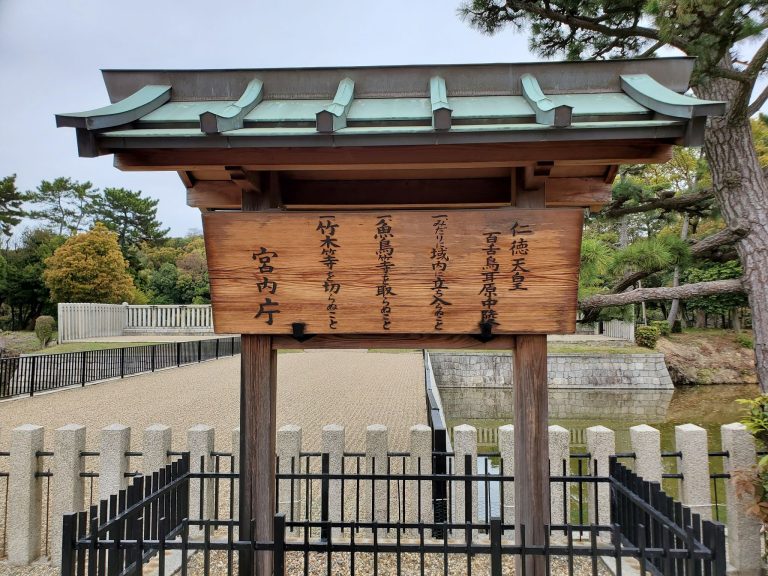
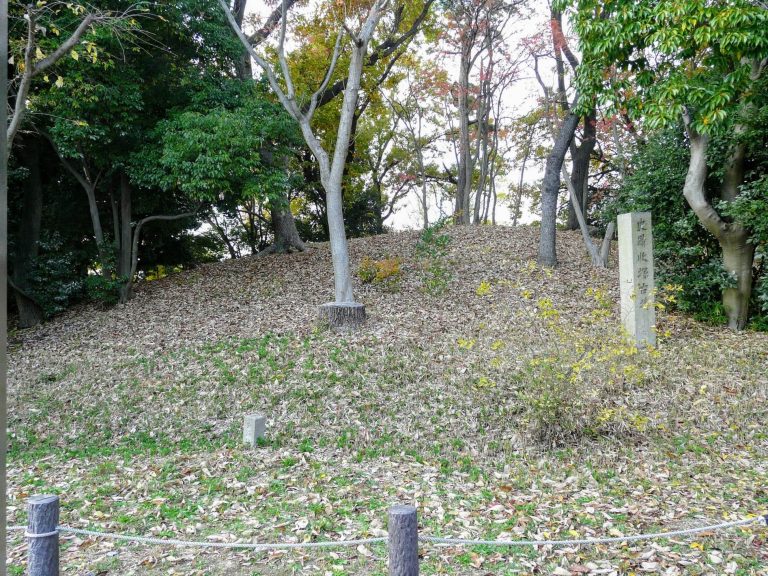
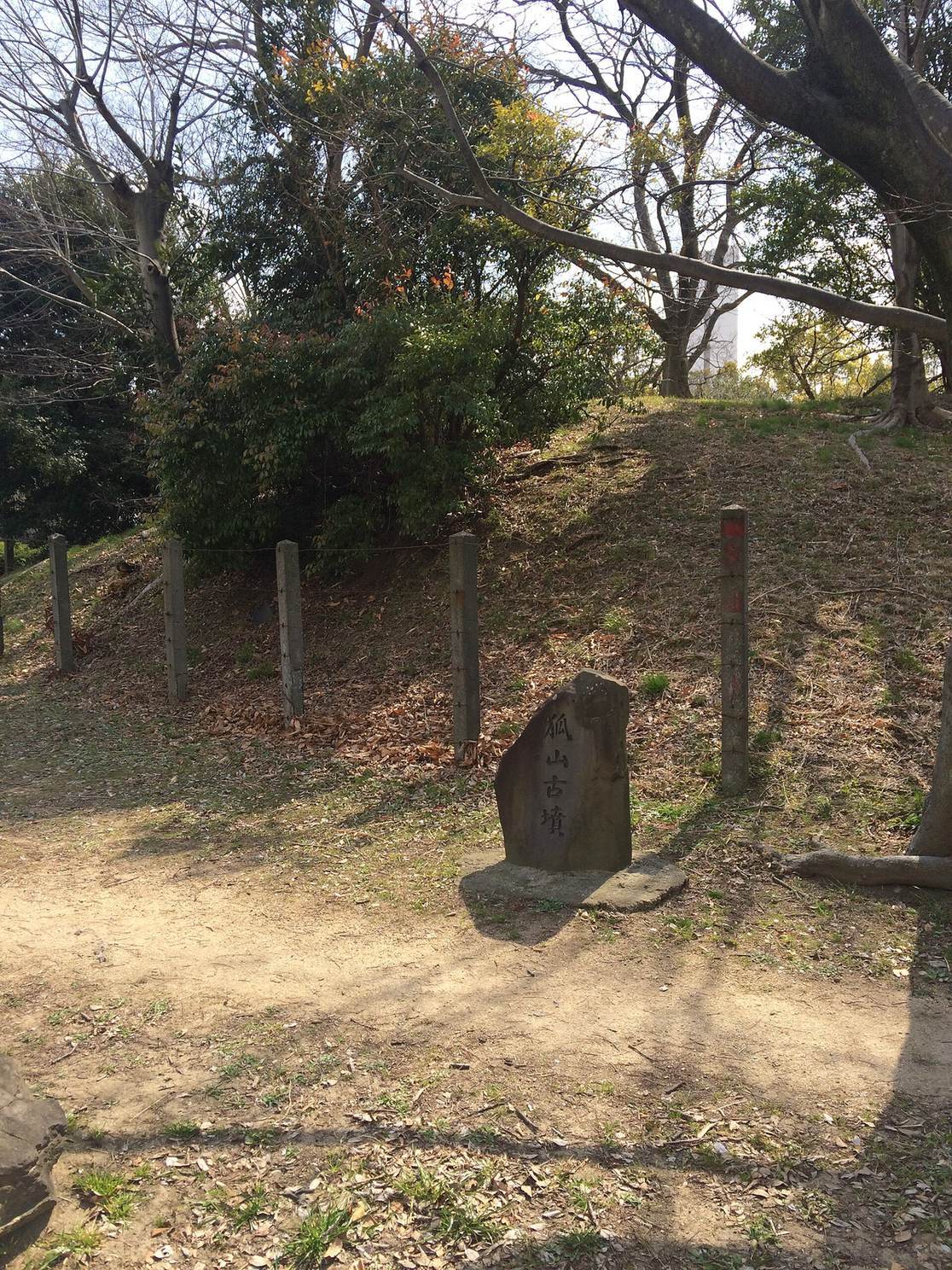
Kitsuneyama Kofun, an ancient monumental burial mound, stands in Daisen Park in Sakai, Osaka, Japan. It belongs to the Mozu Kofun Group, a cluster of burial mounds in Sakai. The Imperial Household Agency, the state institution responsible for the imperial household and designated imperial mausoleums, manages it as a subsidiary mound, meaning a smaller tomb associated with a principal mausoleum, of Daisenryo Kofun. Daisenryo is identified as the mausoleum of Emperor Nintoku, a ruler in Japan’s traditional imperial succession.
Finds of haniwa, clay funerary objects associated with burial mounds, place Kitsuneyama’s construction in the later part of the third quarter of the fifth century, nearly 25 years after Daisenryo Kofun. South of Daisenryo, scallop-shaped keyhole tombs were built in succession alongside circular mounds such as Kitsuneyama. The mound’s place within this group has attracted archaeological interest.
Later history and investigation
Medieval pottery recovered from the bottom of the moat suggests that accumulated sediment was removed from it from the thirteenth century onward. Before Daisen Park was established, the mound stood within the agricultural faculty grounds of Osaka Prefecture University.
A survey to establish the mound’s extent took place on its west side on 5 October 1998. Ground-penetrating radar work followed from 9 June to 30 September 2008, and the first excavation around the mound took place in winter 2009 as part of that fiscal year’s investigation.
Local legend tells of a guardian of Daisenryo who rescued a fox wounded by a hunter’s stray shot. Later, while struggling with a tomb robber, the guardian was thrown into the moat and pulled ashore by a mysterious rescuer. The next morning, he found the fox dead in the moat and buried it carefully in gratitude.
Remains
Mound and moat
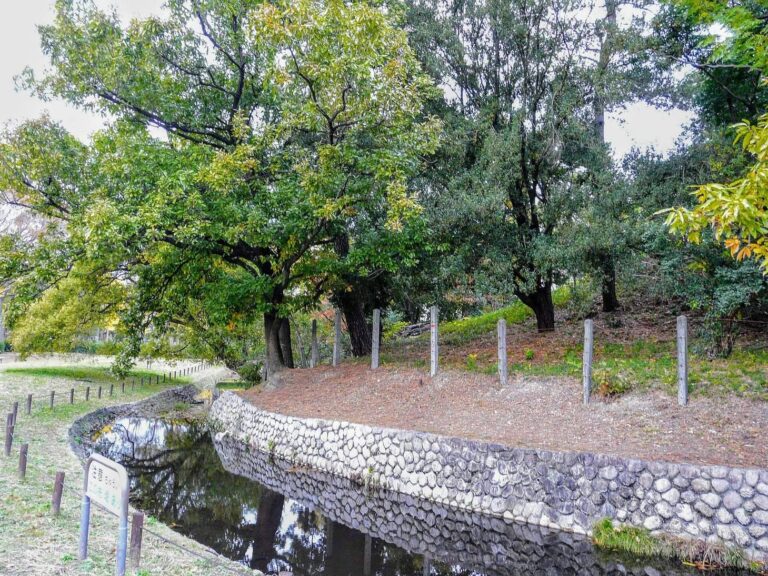
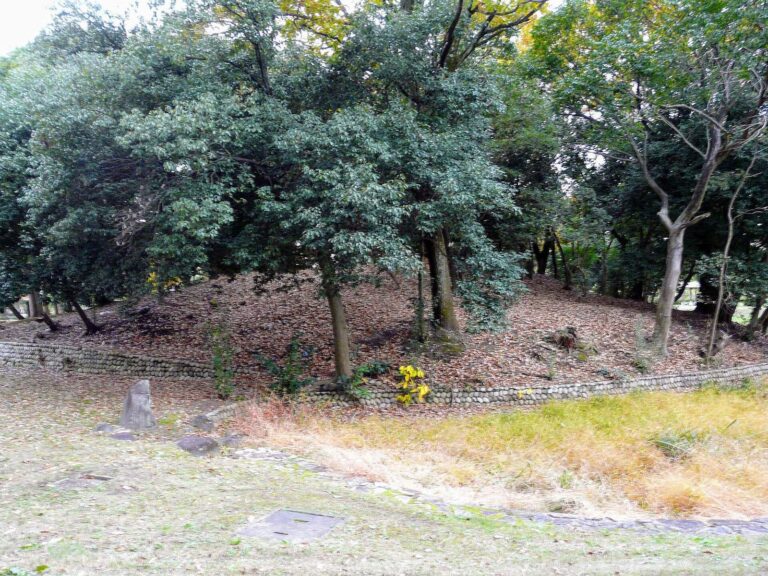
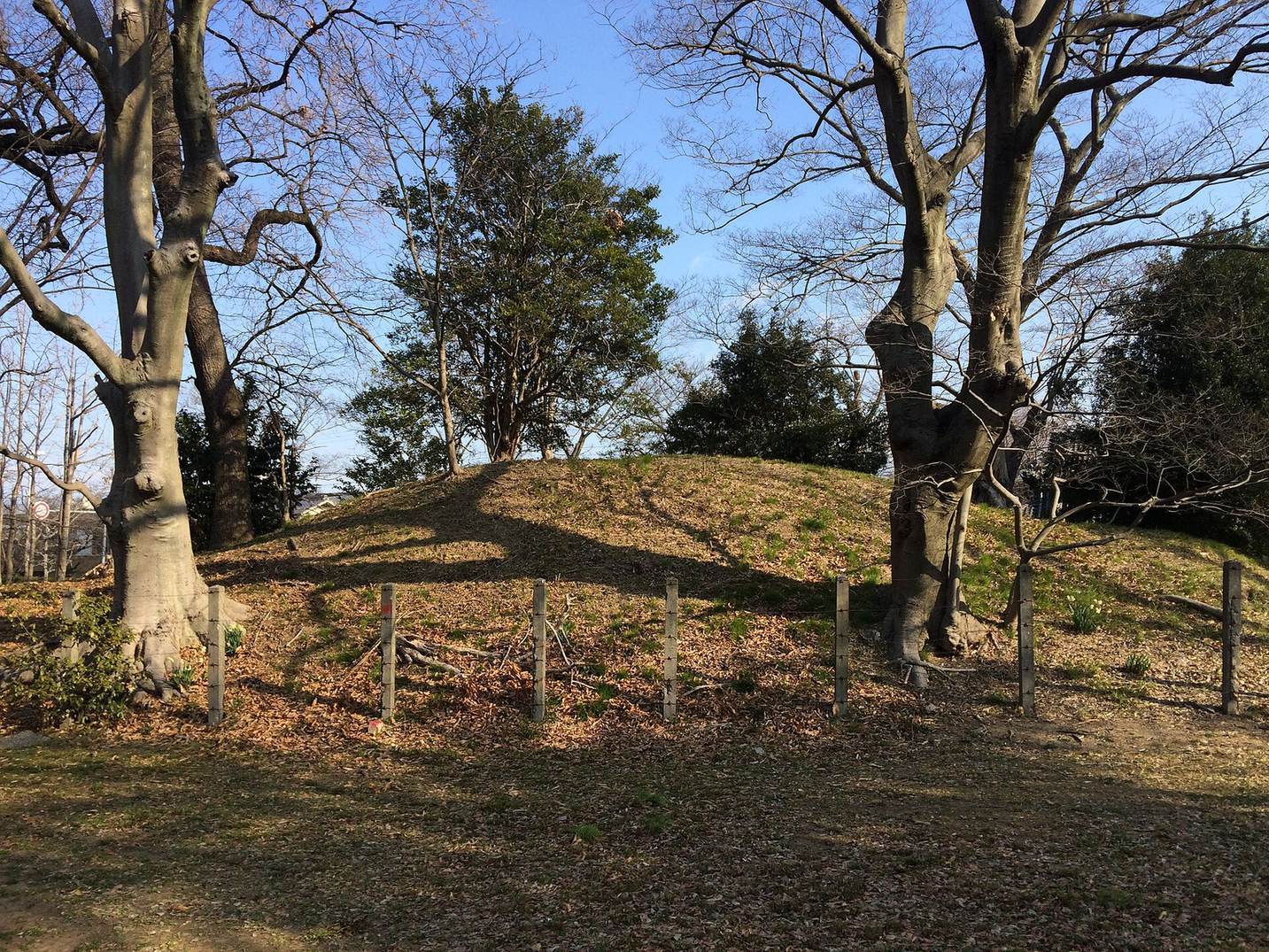
The mound stands in Daisen Park about 30 metres from the outer moat at the southwest corner of Daisenryo Kofun. An earlier description gave it an irregular outline, a maximum length of about 23 metres, and a height of 2–3 metres. Excavation established a diameter of about 30 metres and a height of about 5 metres from the moat bottom to the mound top. Radar detected a depression in the ground 4–7 metres beyond the mound’s then-visible edge, suggesting a surrounding moat. Excavation found the moat on the west, south, and east sides, where it was about 5 metres wide. These features make a circular plan likely, although the mound’s form and the moat’s cross-section have also led to a square plan being considered. Around 1930, the north-side traces of the moat were described as open ground, part of which formed a pool.
Construction evidence and finds
Stone facing, haniwa, and pottery recovered from the moat indicate that stones covered the mound’s slopes and haniwa were arranged on it. Some cylindrical haniwa fragments were recovered in the west-side survey. The moat also contained abundant Sue ware, a type of high-fired Japanese pottery, with examples dating to the early fifth century and to the late fifth century or later.