Blanc Val Covered Gallery Tomb: A Neolithic Communal Burial Monument in France
Site at a Glance
- Popularity
- Very Low
- Country
- France
- Primary era
- Stone Age
- Eras represented
- Stone Age
- Civilizations
- Unclassified
- Site type
- Burial
- Remains
- Tomb
On this page6 sections
History
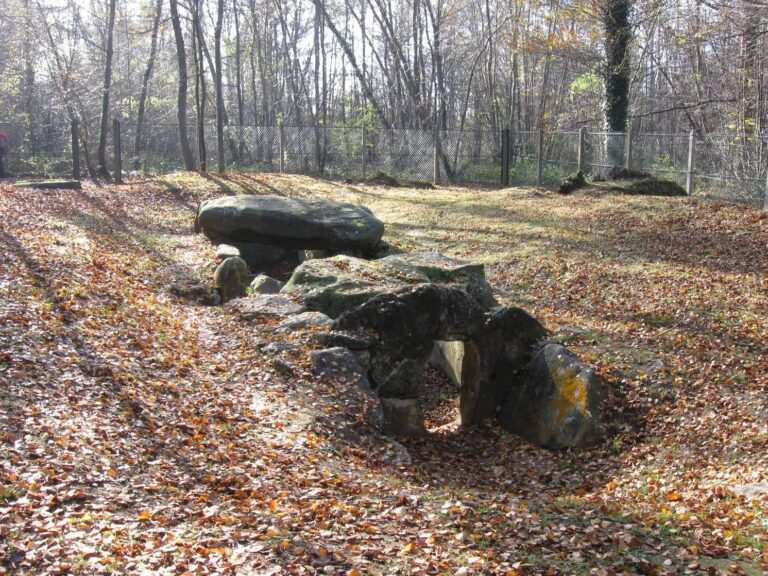
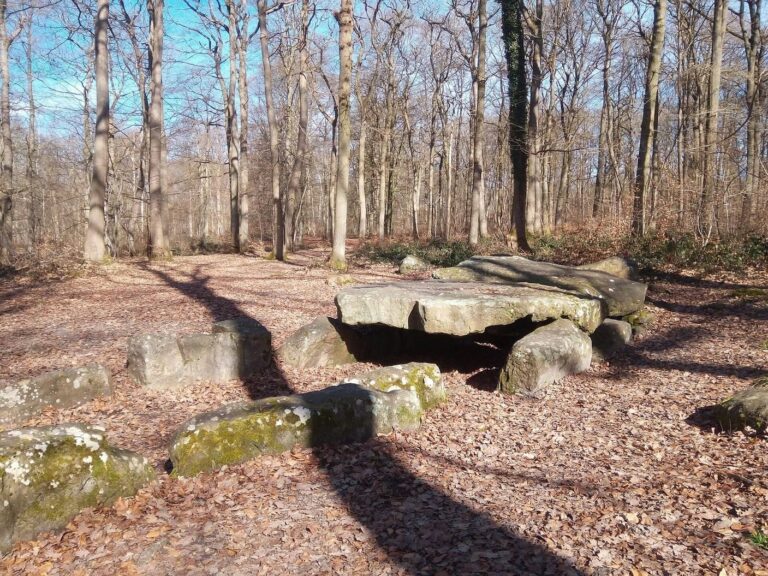
The Blanc Val Covered Gallery Tomb is a Neolithic communal burial monument at Presles, France, with a chamber reached through an entrance passage. It is associated with the Seine-Oise-Marne culture, a Neolithic archaeological culture of the Paris Basin, and with megalithism, the use of large stones in prehistoric monuments.
A farmer named Blanquaert discovered the tomb while ploughing in 1949, although it may have been known earlier. It was examined secretly at first. After Blanquaert alerted Presles mayor Laval, Laval excavated it in 1958. The tomb was classified as a historic monument on 10 April 1951. Following repeated vandalism, it was restored in May 1956.
Remains
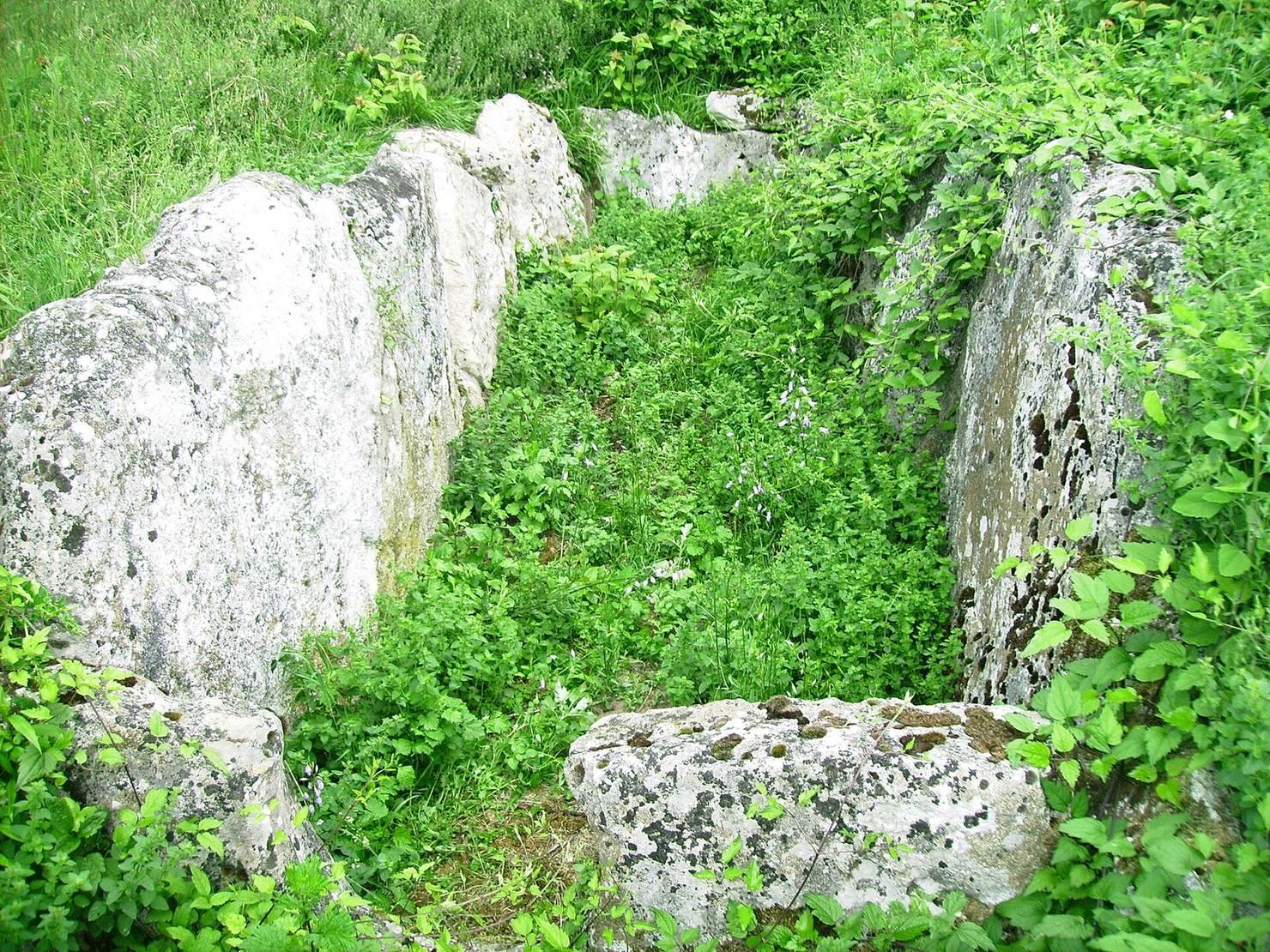
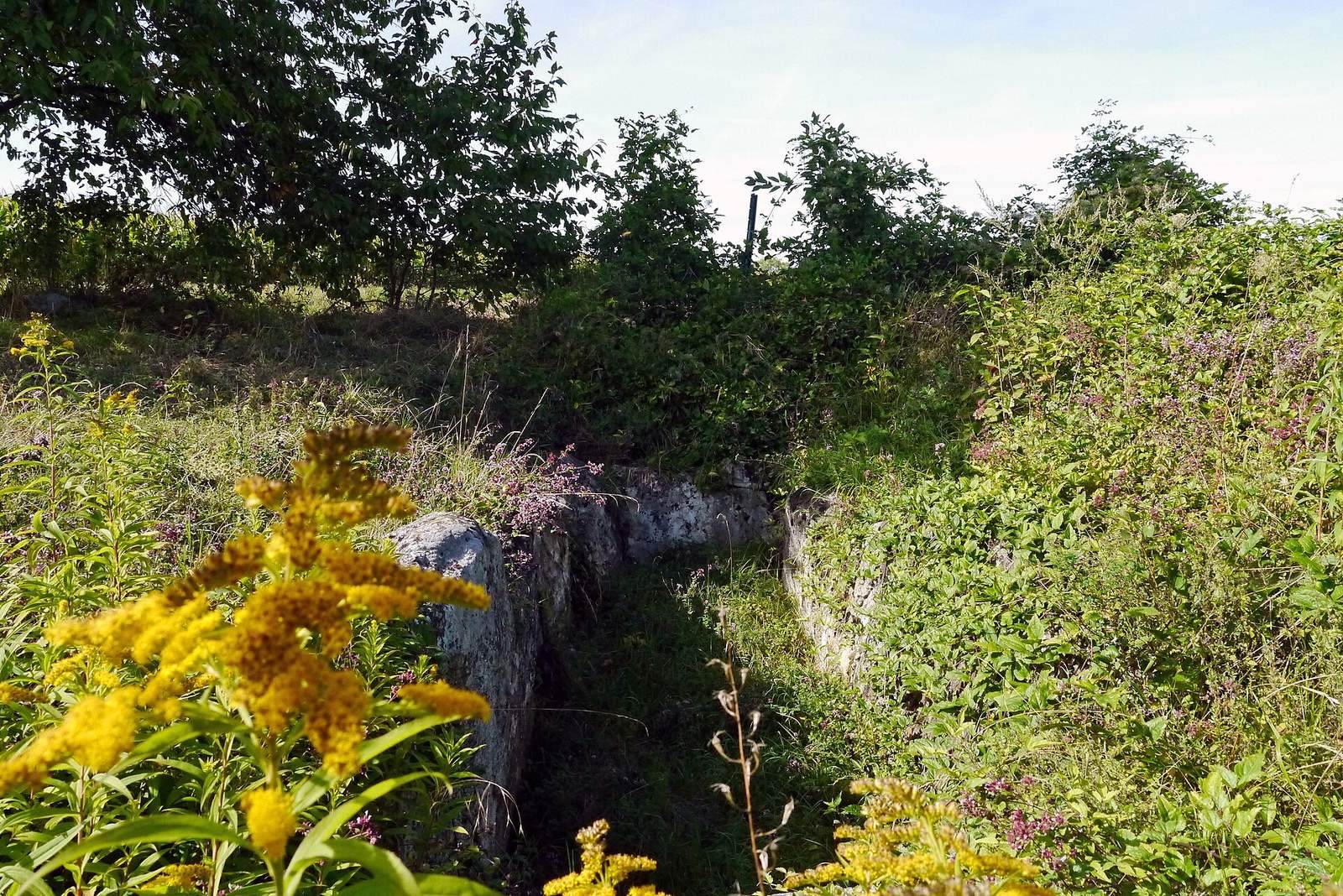
The small stone gallery stands on flat ground at an elevation of 82 metres. Its axis runs north-northwest to south-southeast, with the entrance facing southeast toward a small valley. It now lies about one metre below ground level, though it probably stood at ground level originally.
Main chamber
The tomb measures about 6.5 metres overall, including a chamber 5.3 metres long. Its width ranges from 1.5 metres at the back to 2 metres near the entrance, and its present maximum height is about 1.45 metres. Nine supporting stones form the chamber. The stones are coarse limestone from nearby outcrops, and successive ploughing broke their upper portions. The roof may have been made of wood or thatch, and access was probably from above.
Antechamber and entrance
The antechamber is about 1.2 metres long and wide. Three supporting stones form it, with an upright stone on either side. A limestone entrance slab, 1.75 metres wide and 0.30 metres thick, contains a circular opening about 50 centimetres across. Its surviving shape may result from a break in the upper part, at roughly two-thirds of its height, or from an original design of two stacked, notched slabs, of which the lower remains.
Burial remains
The burial contained compressed, tangled human bones, including long bones and skulls. Laval estimated that about 50 skeletons were present, while the likely number of burials is estimated at 21. Poor preservation and careless recovery made analysis difficult, and researchers could study only 14 skulls. The estimated group included adults aged 25 to 35, one person about 60, an adolescent, and a child.
Objects from the tomb
Finds included two polished greyish flint axes, a small axe made of diorite or diabase, another roughly polished axe, a polished greyish flint chisel, two large pale-grey flint blades, broken blade fragments, and a blade preform. Other objects included two tools of uncertain type, possibly chisels or burnishers, awls, antler tool sheaths and handles, greenstone axes, flint blade flakes, and bone and antler objects. Sherds of coarse, poorly fired pottery were also recovered. The human remains and finds are held at the Institute of Human Paleontology in Paris.