Iinuma Tenjinzuka Kofun: A Sixth-Century Burial Mound in Japan
Site at a Glance
- Popularity
- Very Low
- Country
- Japan
- Primary era
- Medieval
- Eras represented
- Medieval
- Civilizations
- Yamato
- Site type
- Burial
- Remains
- Burial Mound
On this page5 sections
History
Iinuma Tenjinzuka Kofun, also known as Iinuma Unsai-ji Kofun, is a burial mound in Iida, Nagano Prefecture, Japan. It was built in the first half of the sixth century, during the Kofun period, an era of Japanese history associated with large burial mounds. The tomb belongs to the Kamigo unit of the Iida Kofun Group, a cluster of ancient mounds in Iida.
Later use and rediscovery
A shrine to Tenjin, the deified spirit of ninth-century scholar and statesman Sugawara no Michizane, once stood on the mound’s front section. In 1793, expansion of the grounds of Unsai-ji temple exposed the stone burial chamber and brought many burial objects to light. The discovery was described in a short history of the temple and an illustrated record of old objects held there.
The tomb became a Nagano Prefectural Historic Site in 1965. In 2016, it was included as part of the Iida Kofun Group, designated a national Historic Site.
Remains
Mound and setting
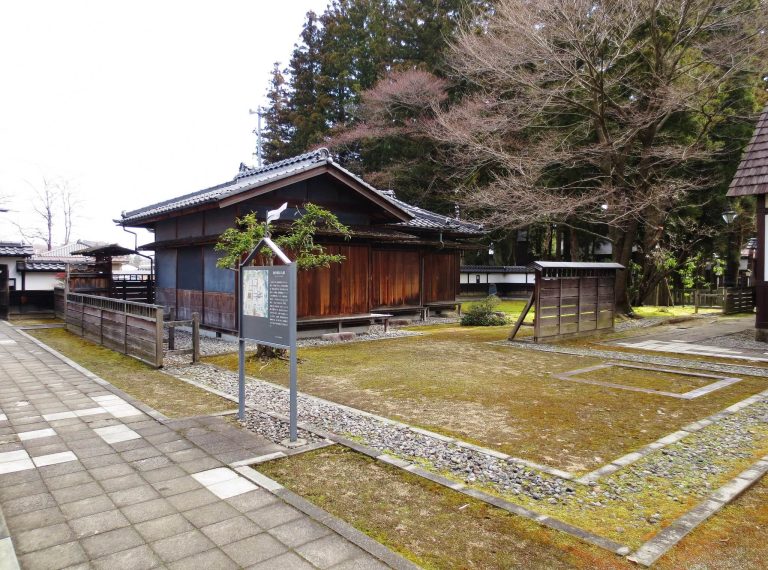
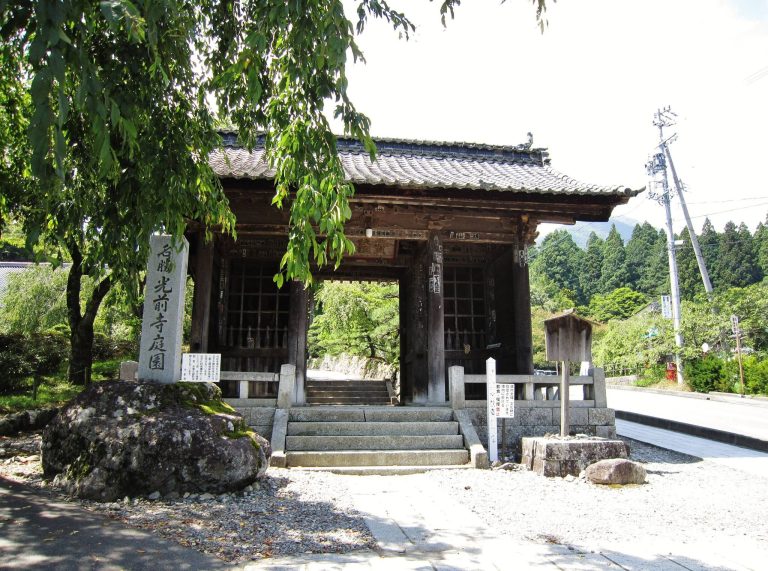
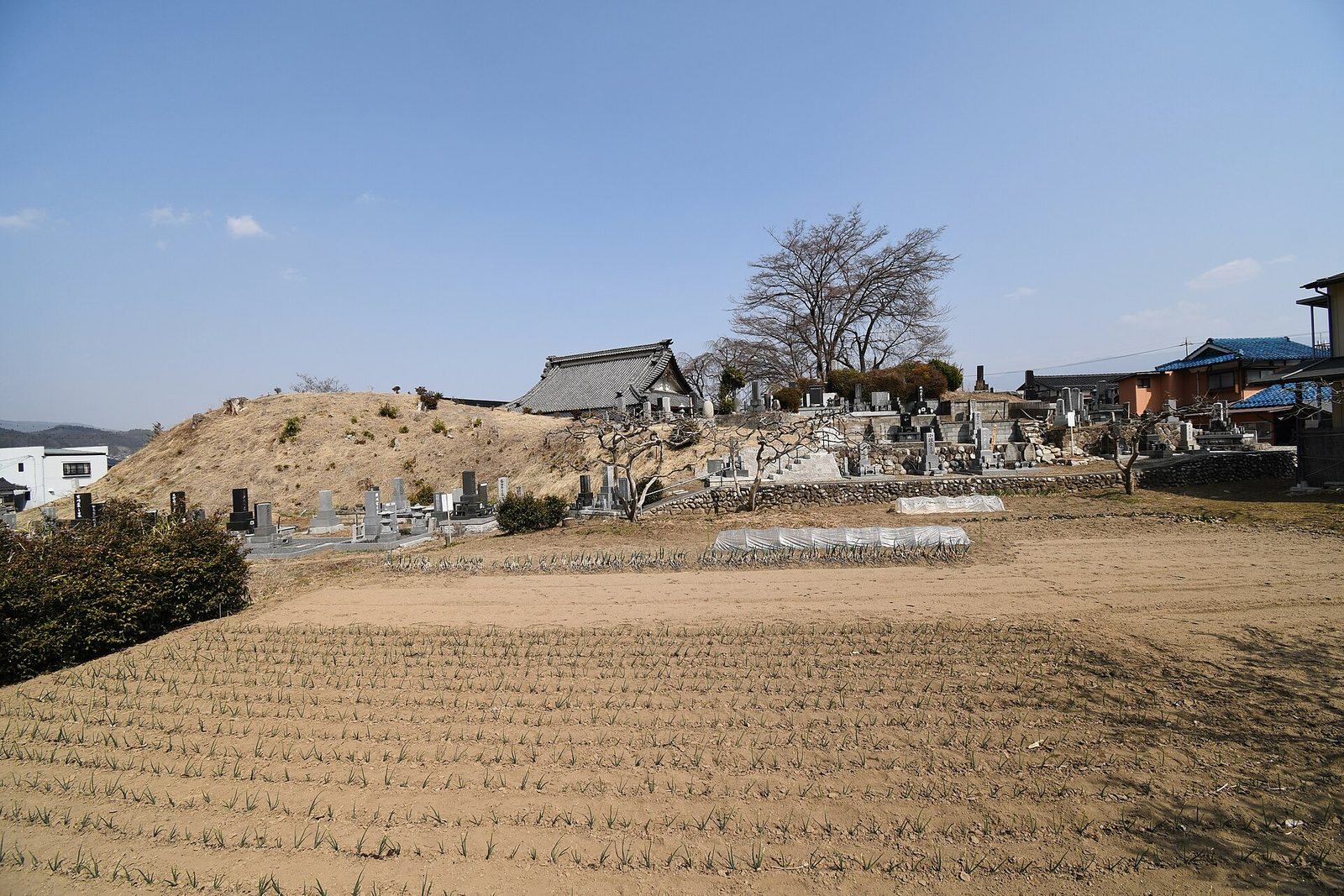
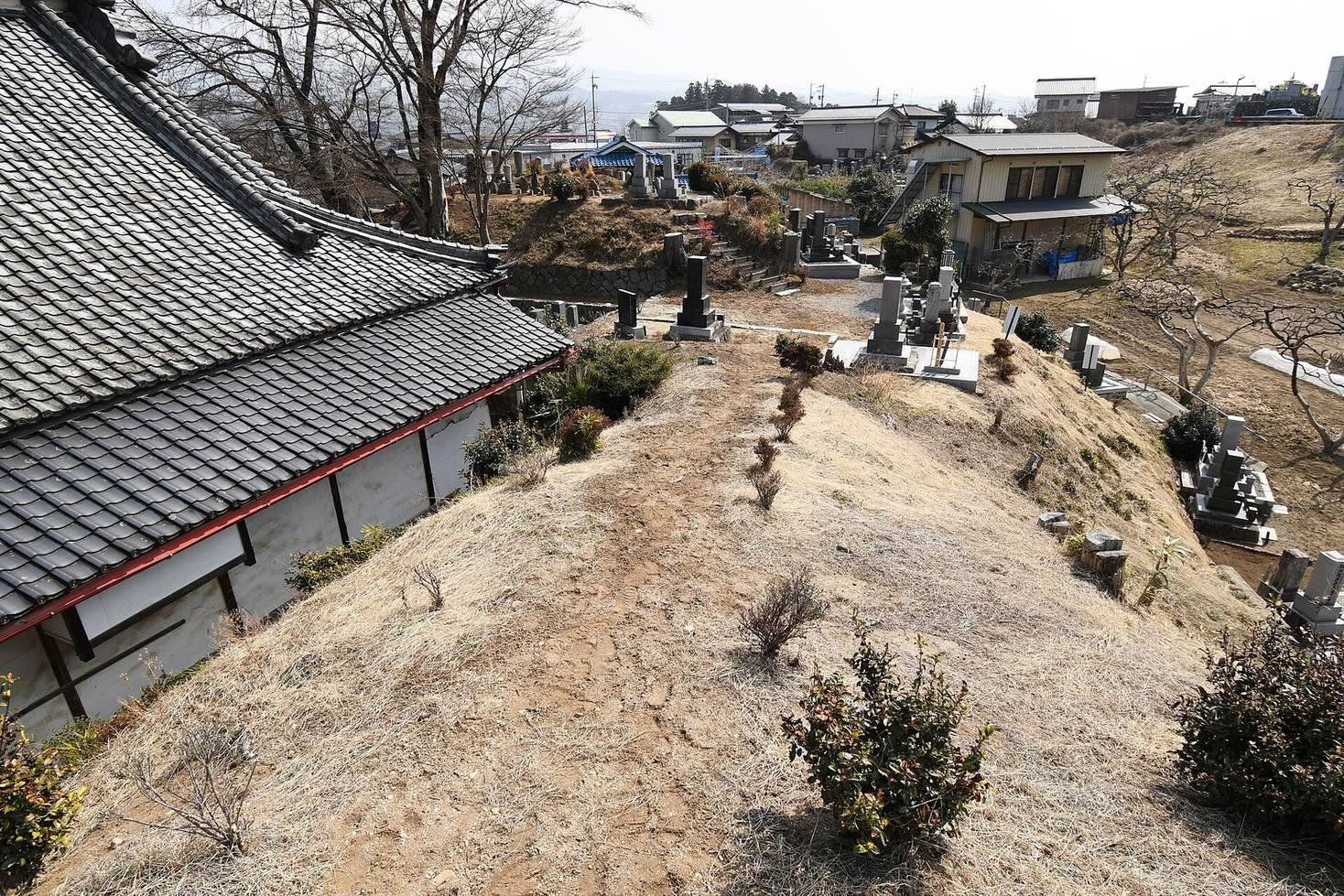
The tomb stands on a low terrace at about 430 metres above sea level, west of the Tenryu River. It lies behind the main hall of Unsai-ji, within the temple grounds, where construction of the hall and cemetery has cut away part of the mound. The mound is keyhole-shaped, with a circular rear and a projecting rectangular front, and faces south-southeast. It measures 74.5 metres in length; the rear section rises 8.5 metres. It is the largest tomb in the Iida Kofun Group.
Burial chamber and finds
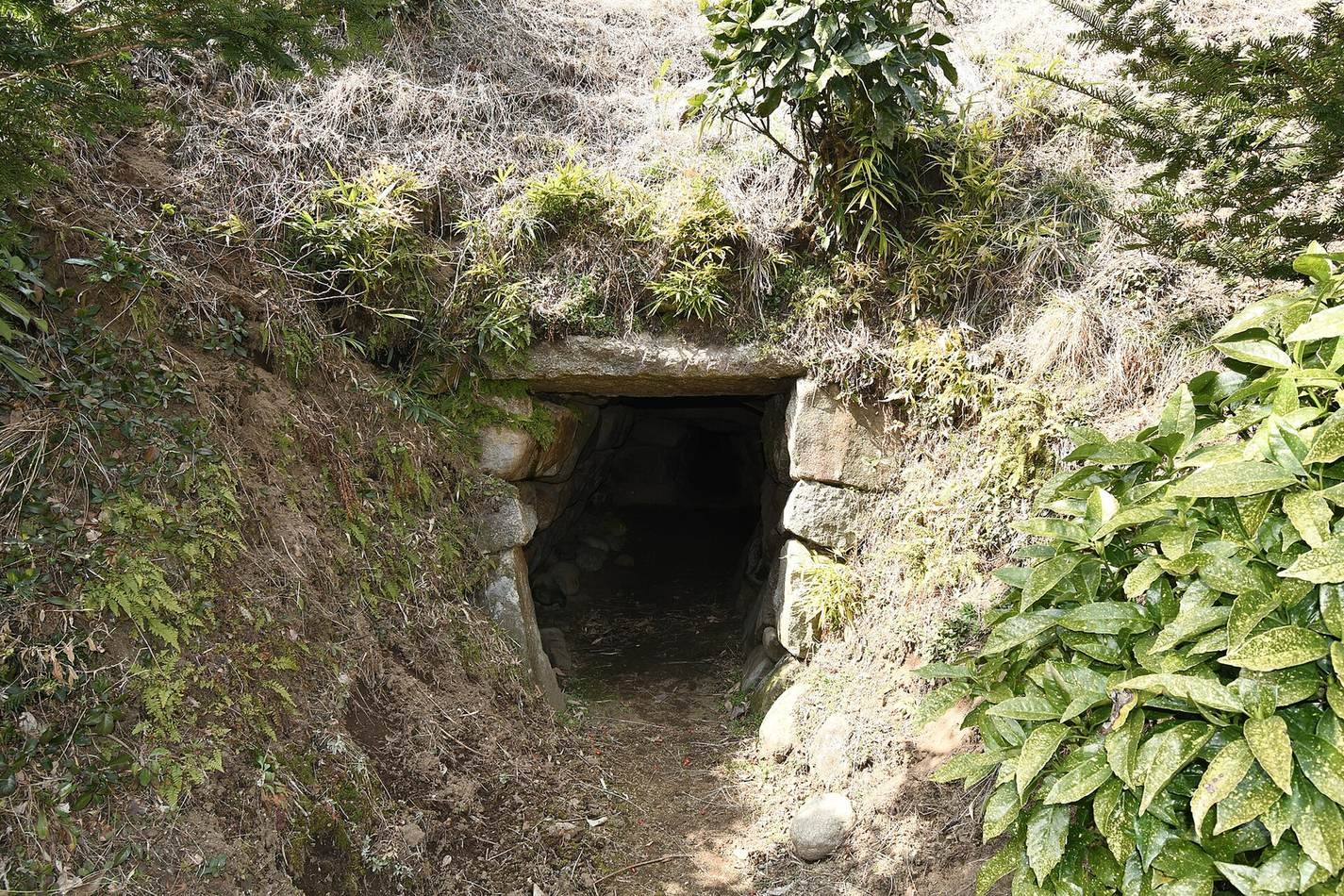
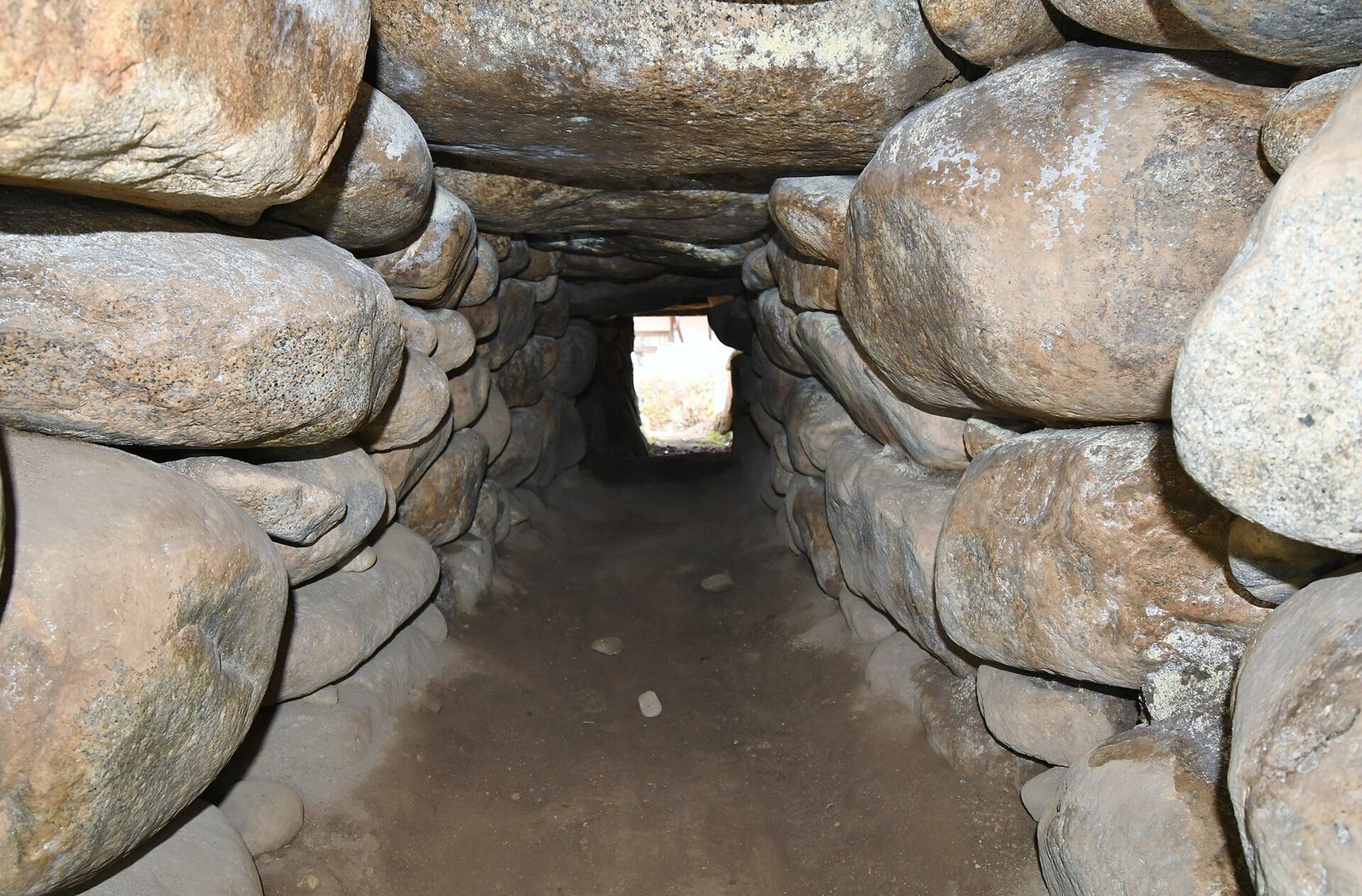
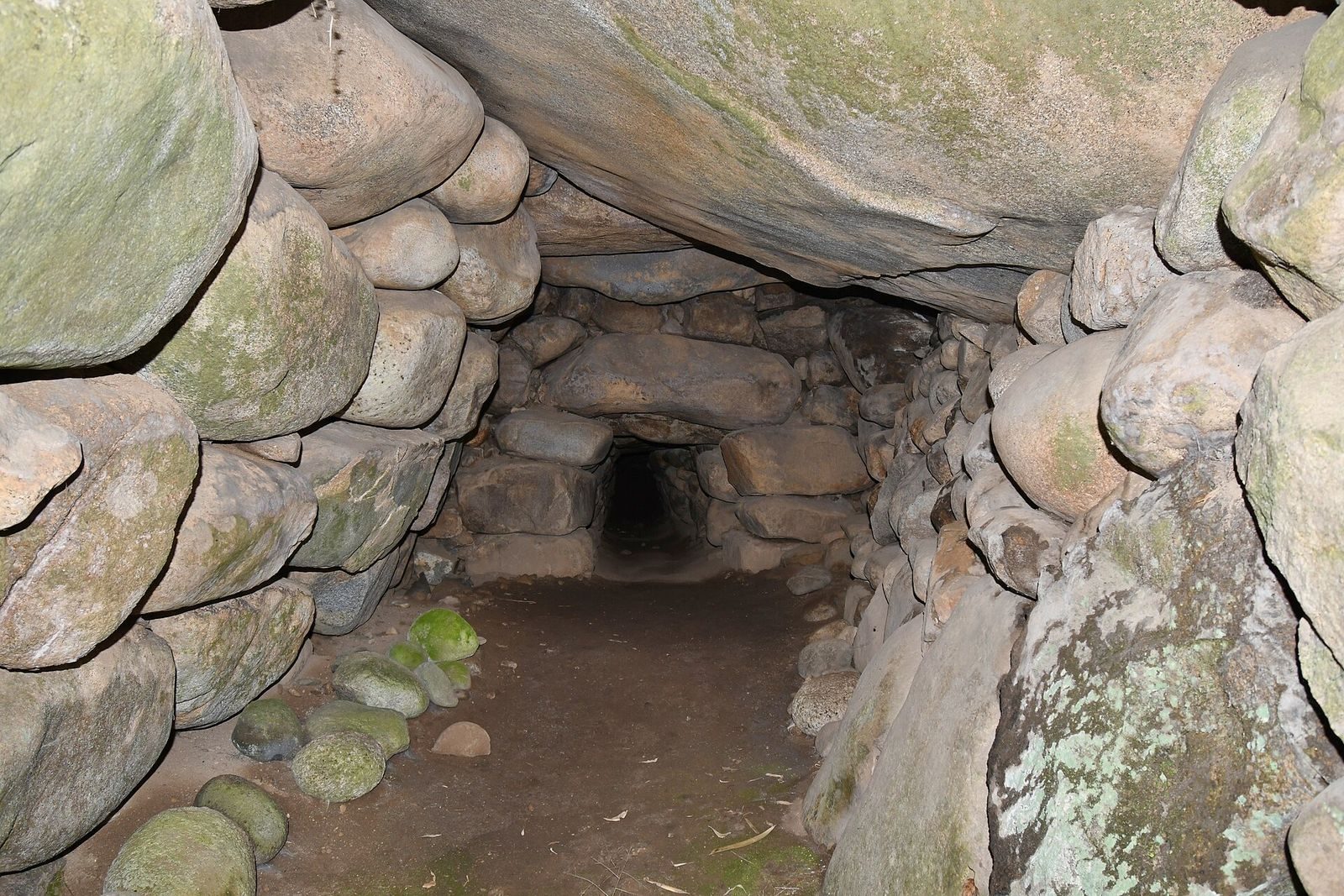
A large horizontal stone burial chamber occupies the mound’s rear section. It is entered through a side passage and has a double-shouldered form, with the chamber wider than the passage where they meet. The structure extends more than 12.6 metres. Its main chamber is at least 4.6 metres long, about 2.3 metres wide, and about 1.6 metres high. The passage is more than 8 metres long, 0.6 to 0.8 metres wide, and 0.8 metres high. Small river cobbles form the chamber walls. The original entrance was on the west; the western entrance remains blocked, while a breach through the eastern end wall opens the chamber to the east. Its form has been compared with the chamber of Yanase Futagozuka Kofun in Gunma, and a connection with stone chambers in Gunma has been suggested.
Objects recovered from the chamber included a bronze mirror, ornaments, weapons, horse equipment, and Sue ware, a type of high-fired ancient Japanese stoneware. Most of the finds have been lost; two horse bells and a gold ring survive. Finds from the tomb are displayed at the Iida City Archaeological Museum.