Kasugayama Kofun: A Late Kofun-Period Burial Mound in Japan
Site at a Glance
- Popularity
- Low
- Country
- Japan
- Primary era
- Medieval
- Eras represented
- Medieval
- Civilizations
- Yamato
- Site type
- Burial
- Remains
- Burial Mound
On this page6 sections
History
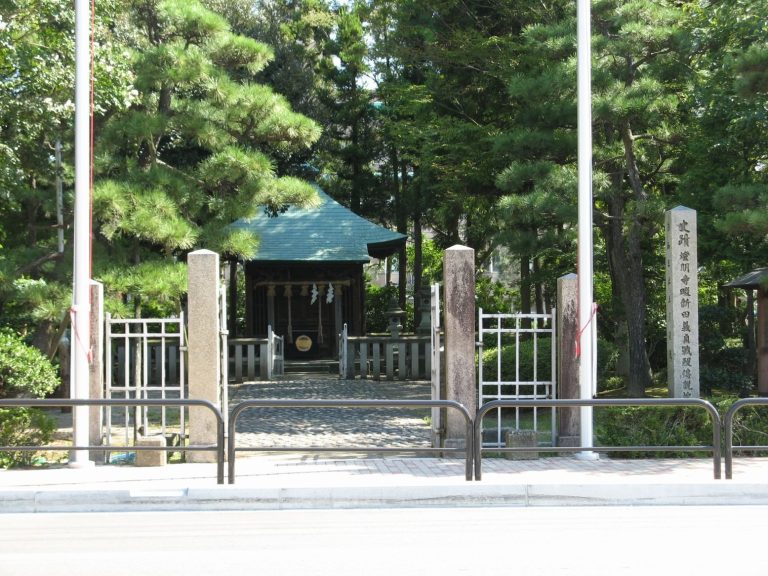
Kasugayama kofun is a Japanese burial mound in Eiheiji, Fukui Prefecture, Japan, built in the late sixth century, with construction possibly continuing into the early seventh. It belongs to the later Kofun period, an era named for such tombs that lasted roughly from the third to the seventh centuries.
In 1665, a stone chamber, pottery, swords, and beads were discovered during construction of a retirement residence at a temple. The mound was excavated in 1953 during park improvements and investigated again in 1992–1993 as part of work at the site. Fukui Prefecture designated Kasugayama a historic site in 1956.
Remains
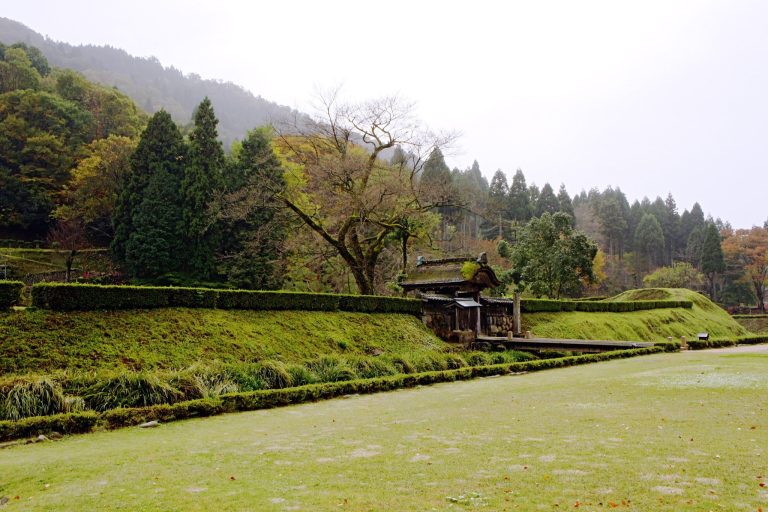
The circular mound lies about 63 metres above sea level at the tip of the Matsuoka Hills, south of the Kuzuryu River in northern Fukui. It measures about 20 metres in diameter. Its upper part has been levelled, leaving the mound’s profile unclear.
Burial chamber and associated features
Stone chamber
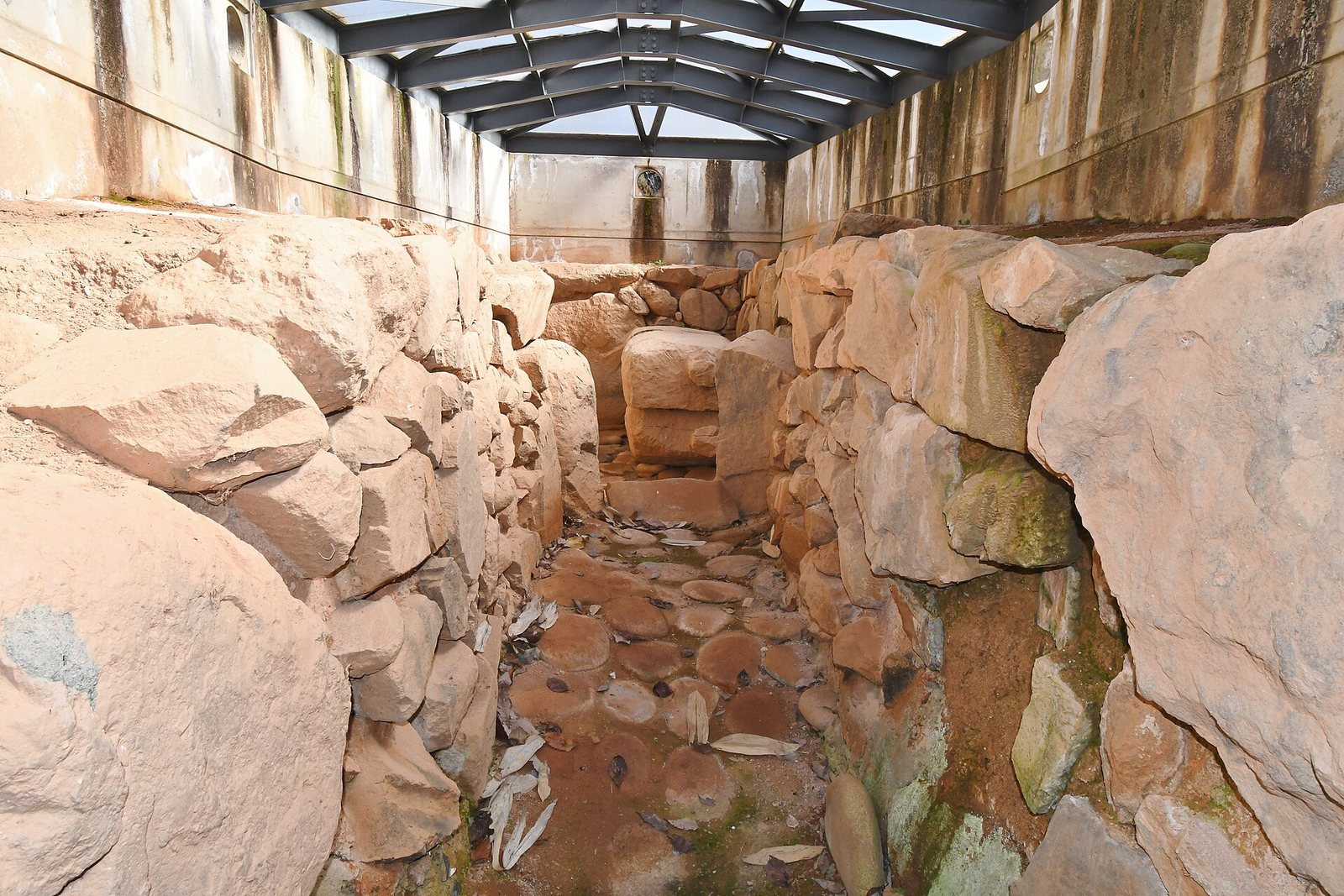
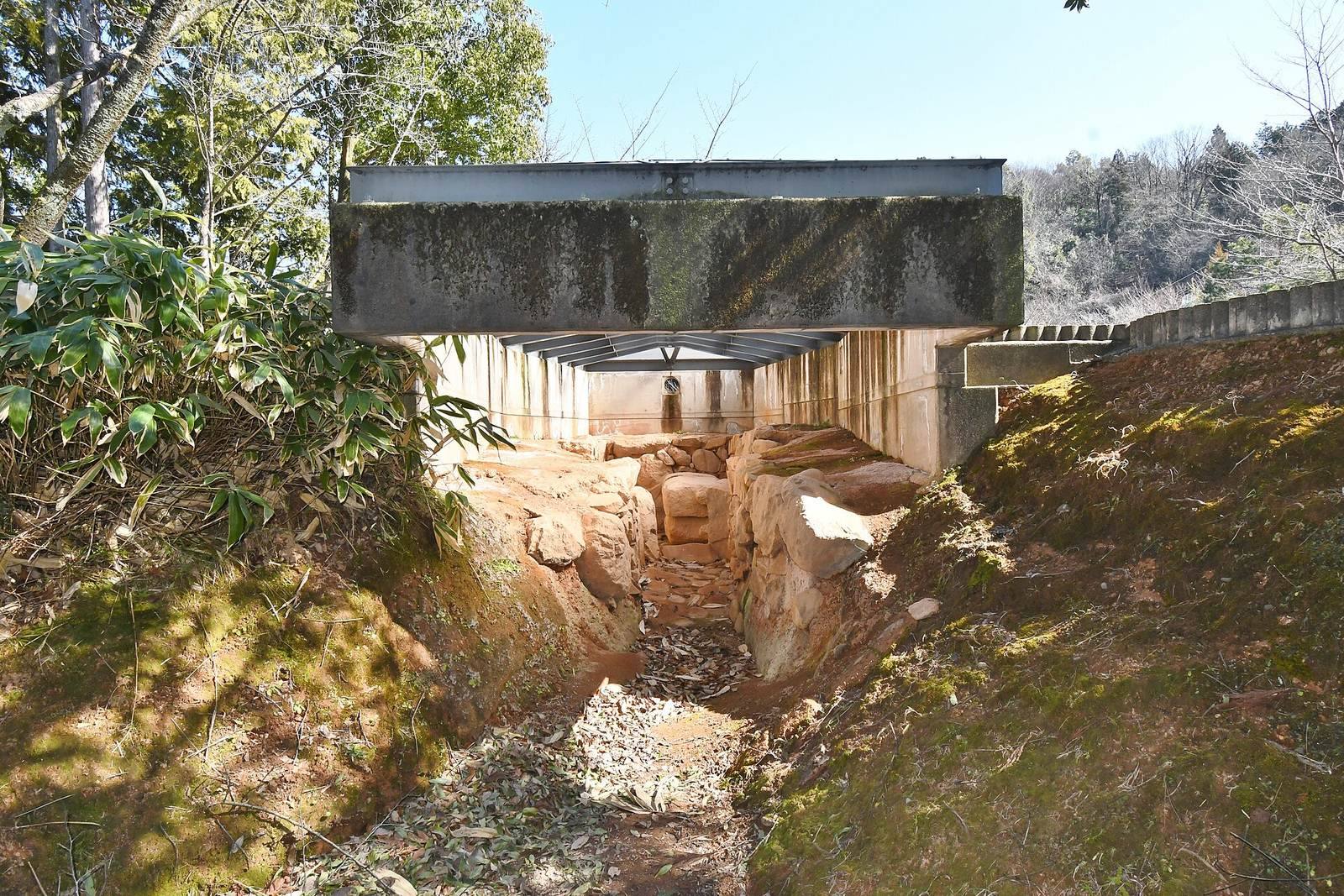
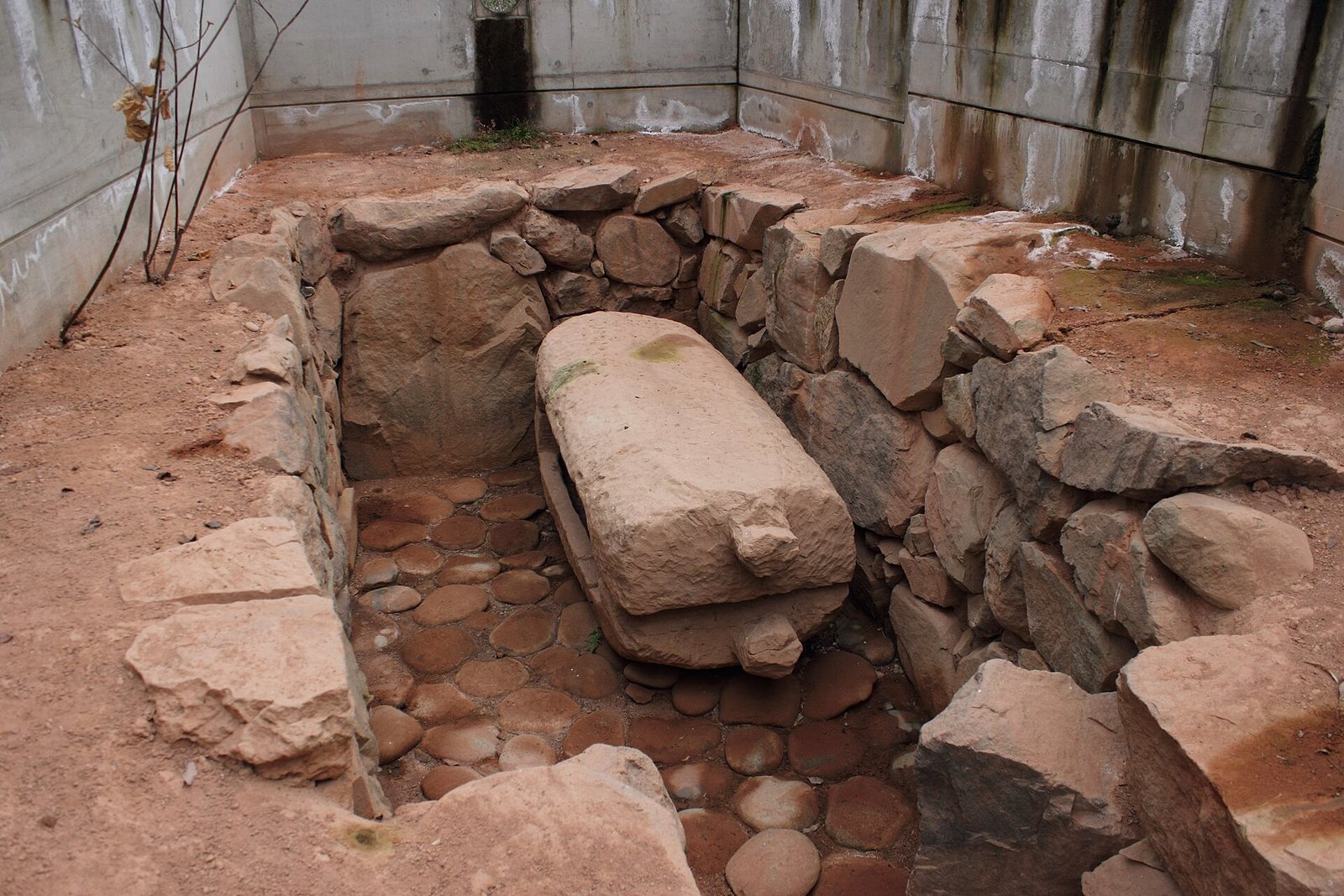
A passage opens toward the west and enters the chamber centrally, with chamber space extending to either side of the entrance. The main chamber is 3.7 metres long and 2 metres wide, with an estimated height of at least 1.7 metres. Flat river stones cover its floor; pillar-like stones flank the entrance, and a threshold stone sits at floor level. The passage is about 5 metres long and 0.8 metres wide, with an estimated height of 1 metre. Its floor is about 10 centimetres higher than the chamber floor, and a river-stone channel carried water out of the chamber. The chamber is displayed inside a shelter in the park.
Boat-shaped stone coffin
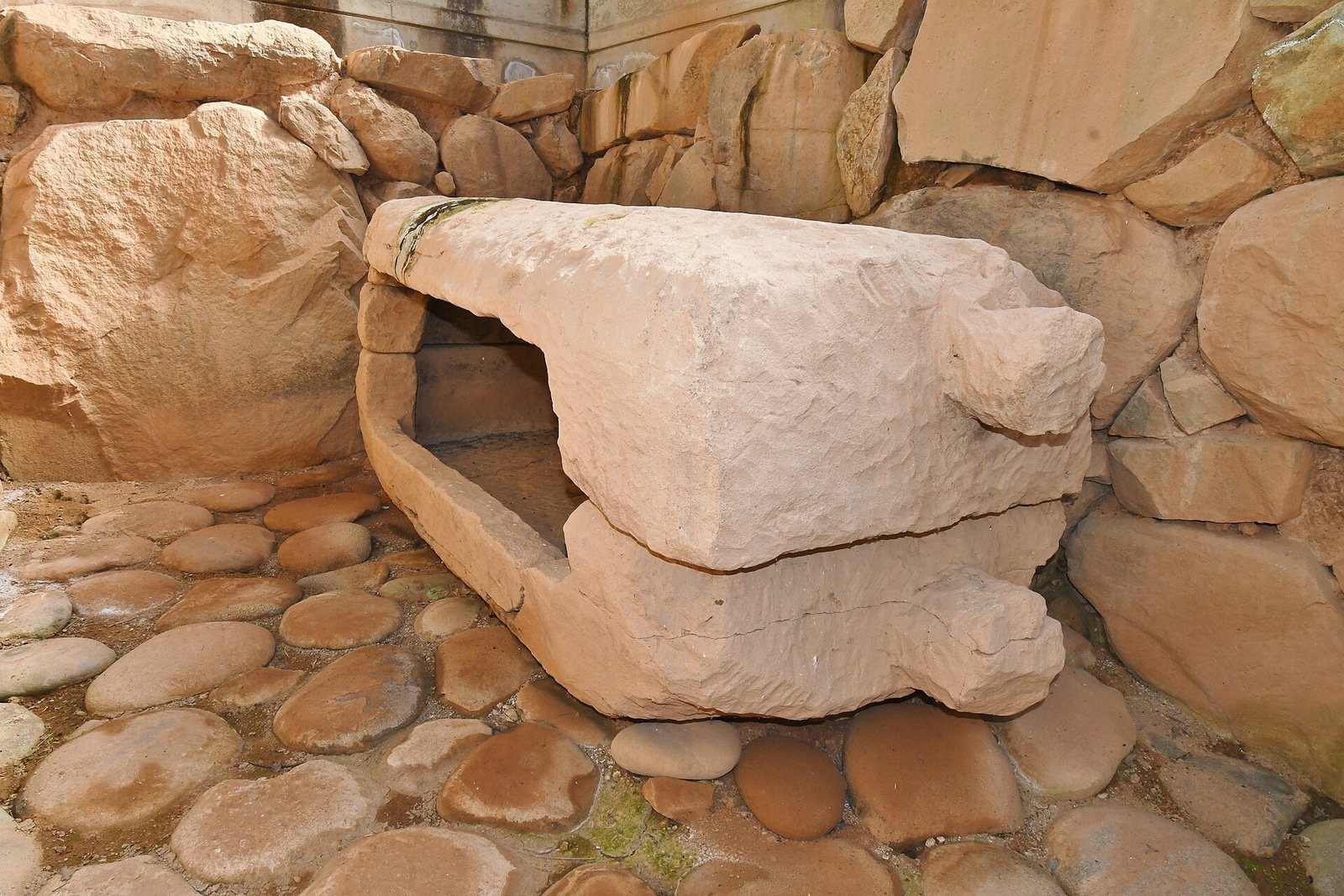
A hollowed coffin carved from tuff sits in the chamber’s southeast corner, along its south wall. Its side opening faces north, an unusual arrangement for a boat-shaped coffin. Similar side openings occur on house-shaped coffins from Izumo and northern Kyushu. The lid measures 2.4 metres long and 0.9 metres wide, while the coffin body is 0.8 metres wide. Both parts have a rope-fastening projection at each end. The coffin had been robbed.
Grave goods and relocated coffins
Finds from the chamber include faceted, glass, and small beads, as well as an iron sword, spear, and knife, horse fittings, Sue ware (high-fired Japanese stoneware), and Haji ware (low-fired earthenware). Two other stone coffins are located near the mound. One came from a separate burial mound, and the other was recovered from a different nearby mound.