Le Carroir Bon Air: A Neolithic Dolmen in Ligré, France
Site at a Glance
- Popularity
- Very Low
- Country
- France
- Primary era
- Stone Age
- Eras represented
- Stone Age
- Civilizations
- Unclassified
- Site type
- Burial
- Remains
- Tomb
On this page5 sections
History
Le Carroir Bon Air, also called the Dolmen de Ligré, is a Neolithic dolmen in Ligré, France. It was built during the New Stone Age, a period associated with the spread of farming and settled communities, though its date cannot be narrowed further.
The monument became a protected historic monument in France in 1889. It is state-owned and stands on privately owned land.
Local folklore attributes the region’s megaliths to stones thrown by Gargantua, the giant created by French Renaissance writer François Rabelais. In the tale, Gargantua played with one foot on the steeple of Saint-Martin church in Ligré and the other on the steeple of Saint-Hilaire in Lémeré. The stone discs he threw supposedly remained where they landed.
Remains
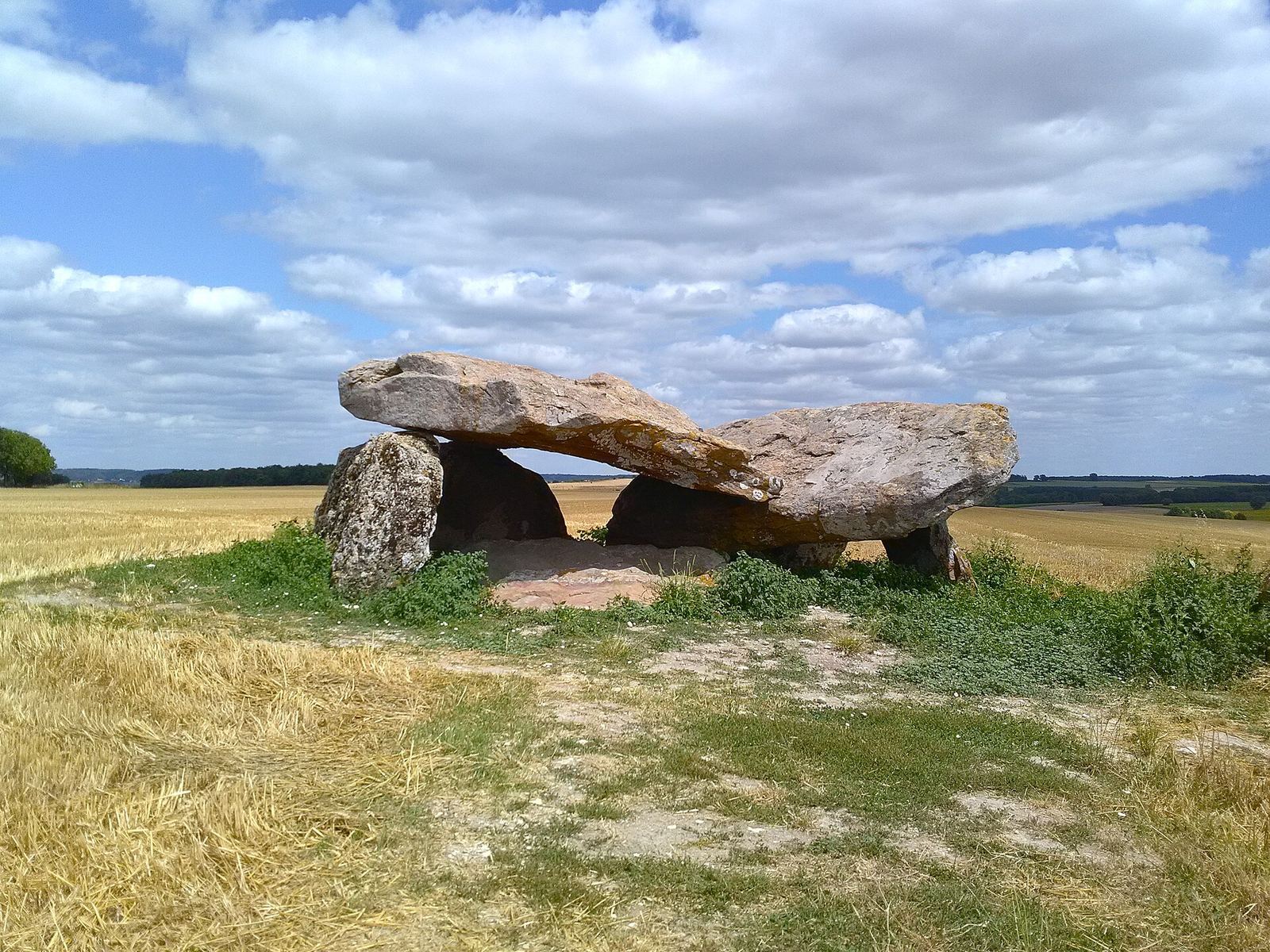
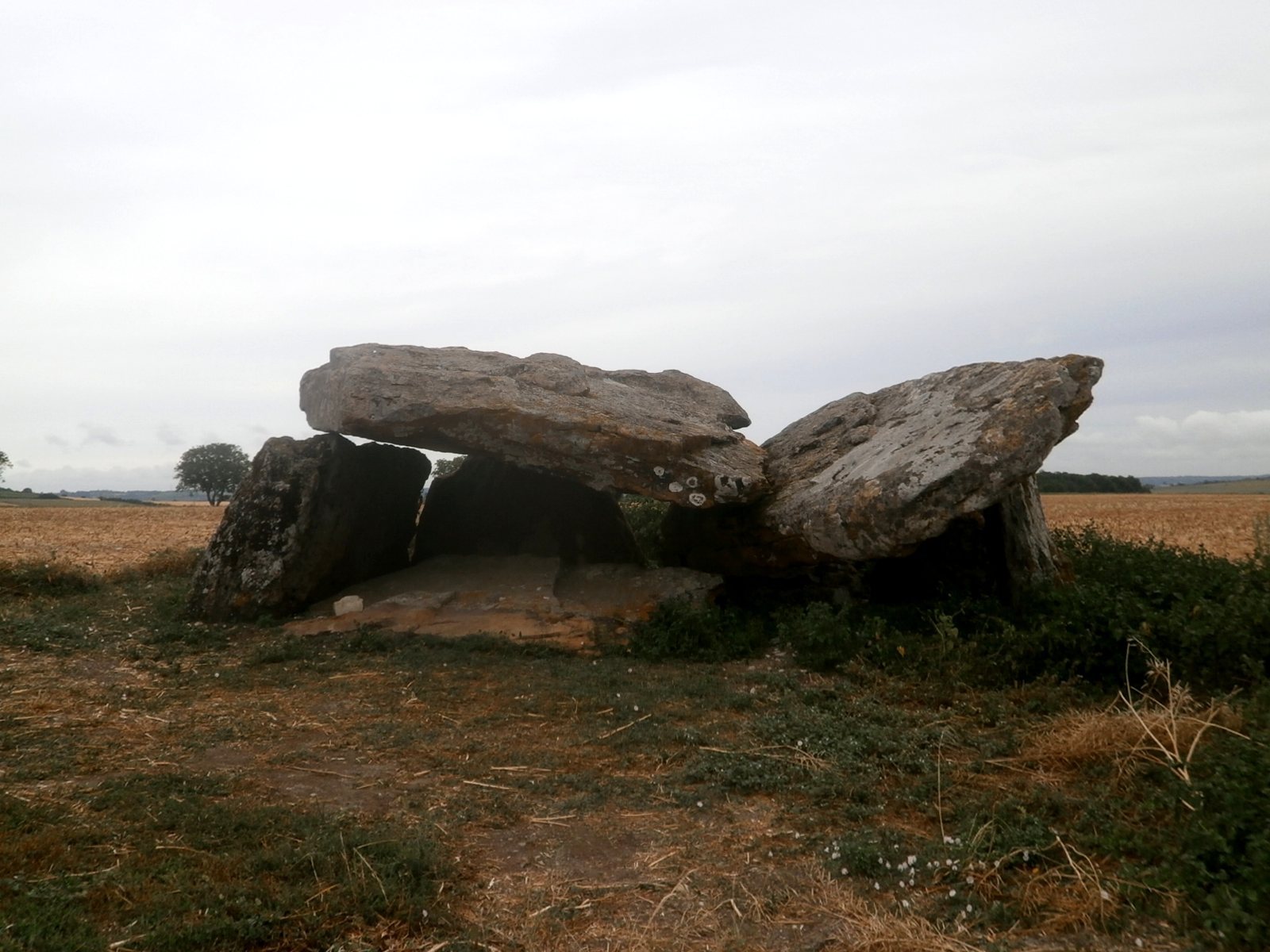
The rectangular dolmen stands in a cultivated field north of Ligré. It measures about 7 m long and 3.5 m wide, with a substantial chamber running along its longer dimension. Its stones are made of local limestone and sandstone.
Construction and form
Chamber and supports
Two large covering stones have fallen inward toward the center of the monument. Four upright stones support the structure, while two more stones lie beneath its center and probably formed part of the original supports.
Entrance and mound
The dolmen is probably of the Angevin type, a covered gallery grave associated with the Loire and Anjou regions. This type typically has a recessed entrance made from two upright stones supporting a horizontal stone, but whether Le Carroir Bon Air had such an entrance remains uncertain. A ring of stones, called a peristalith, once surrounded the mound that covered the dolmen; the ring has since disappeared.