Church of Archangel Michael in Stanislavle: A Moscow Baroque Orthodox Church
Site at a Glance
- Popularity
- Low
- Country
- Russia
- Primary era
- Early Modern
- Eras represented
- Early Modern, Modern
- Civilizations
- Russian
- Site type
- Religious
- Remains
- Church
On this page8 sections
History
The Church of Archangel Michael in Stanislavle is an Orthodox church in Stanislavl village, within Moscow’s New Moscow Administrative Okrug, Russia. Built in 1696 in the Moscow Baroque style, a regional form of Baroque architecture associated with the Moscow area, it stood on land belonging to Chudov Monastery, an Orthodox monastery then outside Moscow. The church is now within the city. An earlier church on the site appears in a register dated 1627–1628, but its construction date and the reason it was later altered are unknown. Worship at the present church began in 1696, and an altar cloth was given to it on 2 November that year.
Nineteenth-century alterations
In 1820, the priest sought permission to add a side chapel for winter services, dedicated to Nicholas the Wonderworker, the Orthodox saint Nicholas. The chapel was completed in May 1821 and consecrated the following month. A request to replace the aging stone bell tower was submitted in 1846, and its successor was completed in 1848. In 1874, the old refectory was dismantled and replaced with a larger building containing two side chapels; work finished in 1875.
Destruction and restoration
After the 1917 Revolution, the church was almost completely destroyed. It was returned to the Russian Orthodox Church in 1990, and services resumed the next year as restoration got under way. The church is an active parish in the Ilyinskoye deanery, an administrative grouping of parishes in the Moscow City Diocese, within the Moscow Patriarchate, the central administrative jurisdiction of the Russian Orthodox Church. It is designated a regional cultural heritage site in Russia.
Remains
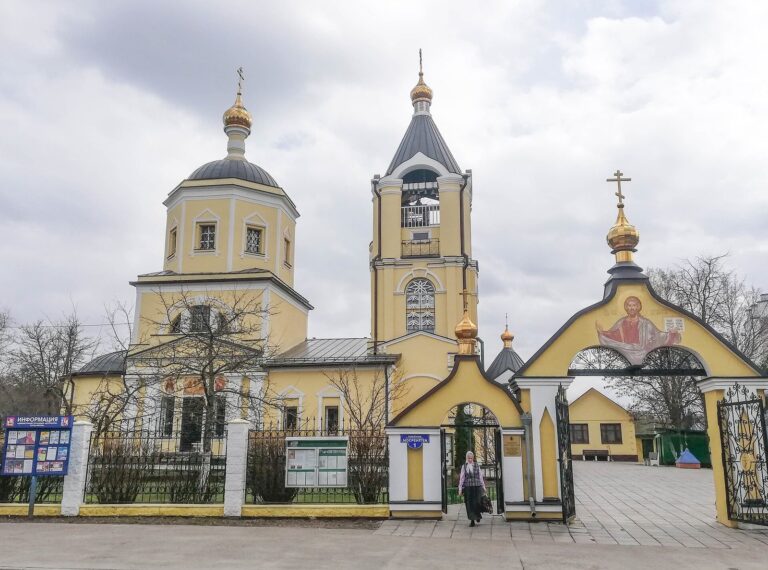
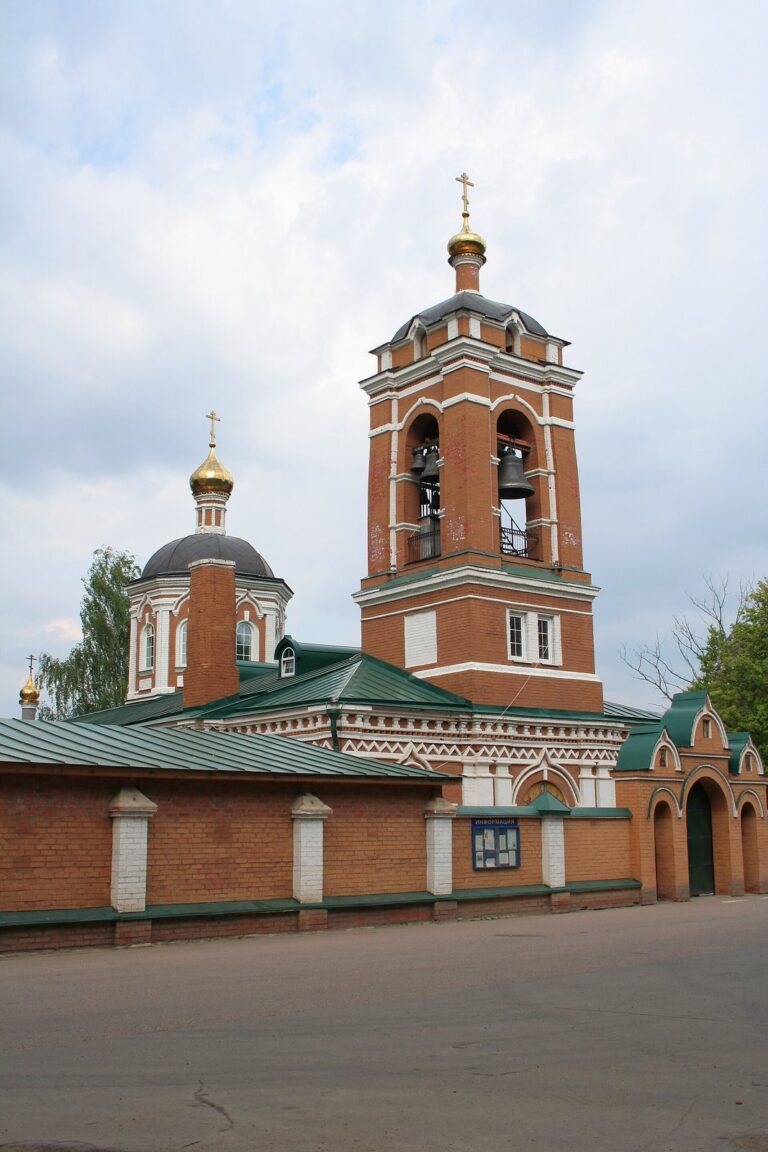
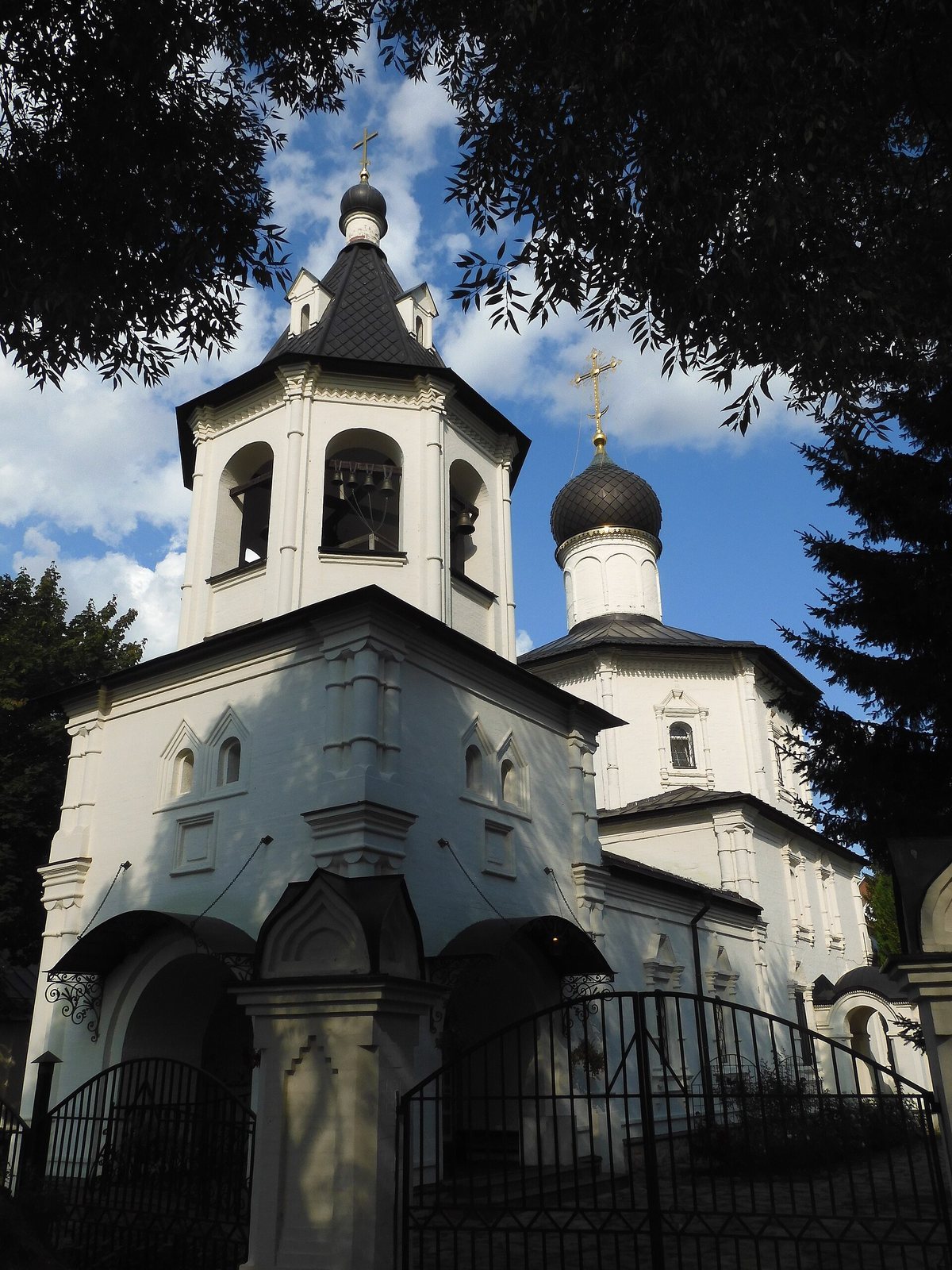
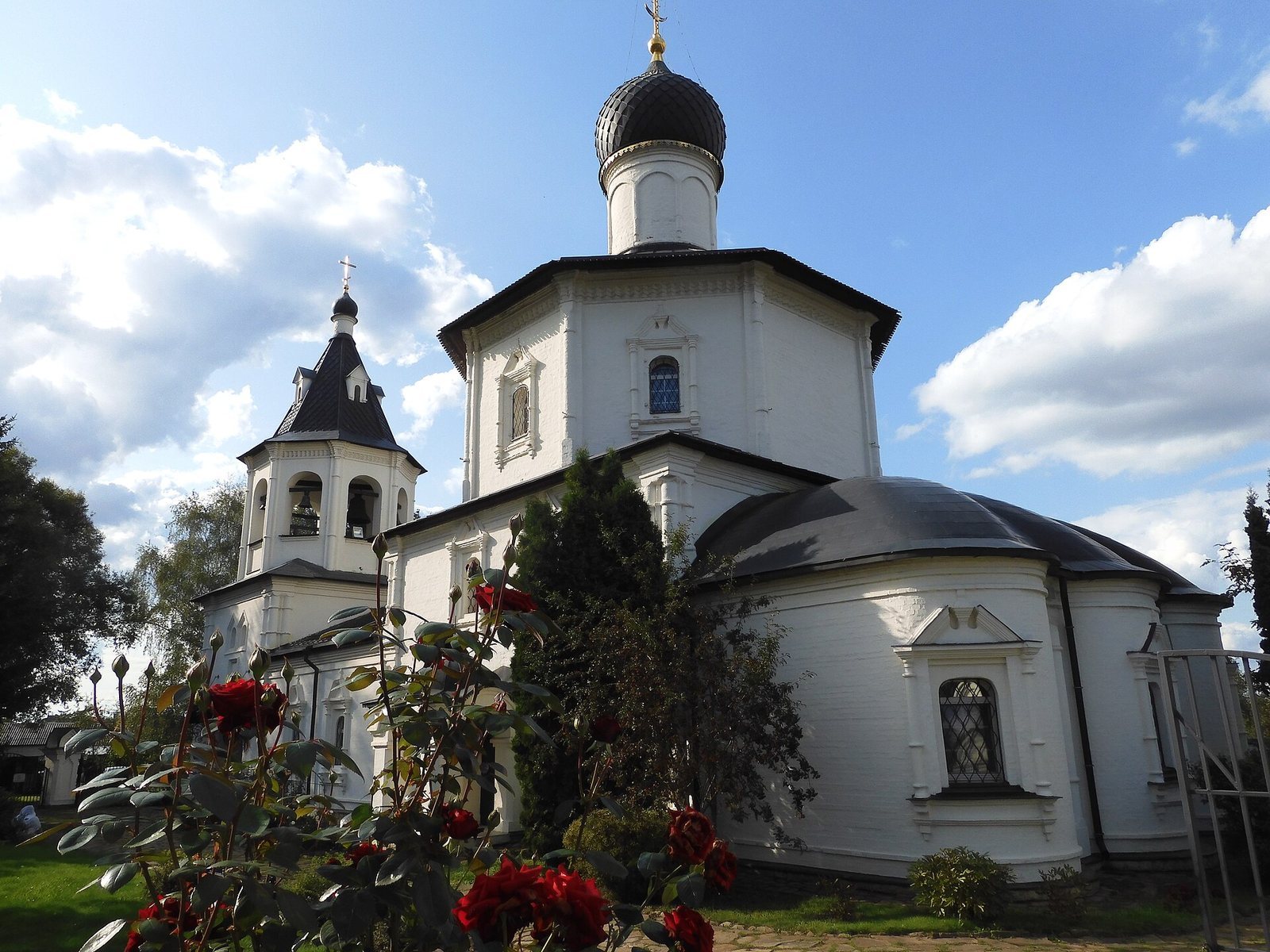
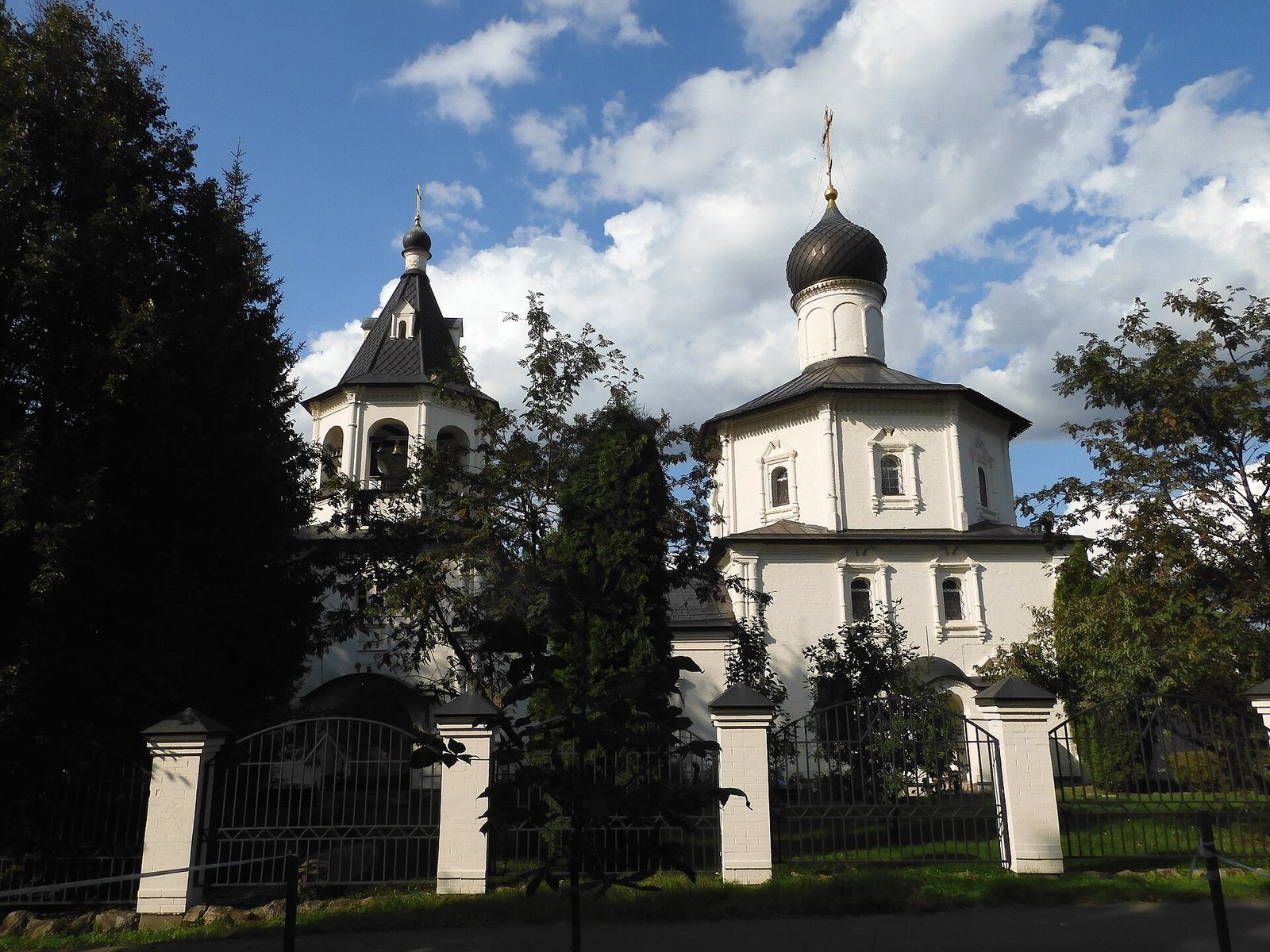
The church complex includes the main church, a side chapel, a refectory, service rooms, a bell tower and a cemetery. The original appearance of the 1696 church is unknown because no original plans have been found. Nineteenth-century drawings show a building that had already undergone substantial alteration.
Church and associated buildings
Main church
The altar and drum were among the elements almost completely destroyed after the Revolution. The church’s surviving form therefore reflects later alteration and restoration rather than a securely known original design.
Side chapel and refectory
The side chapel was intended for winter worship and is dedicated to Nicholas the Wonderworker. The later refectory was larger than the structure it replaced and had two side chapels.
Bell tower and grounds
The church’s bell tower, service rooms and cemetery were also among the elements almost completely destroyed. Almost all the site’s buildings have since been restored. A bell tower installed in 2001 carries nine bells.