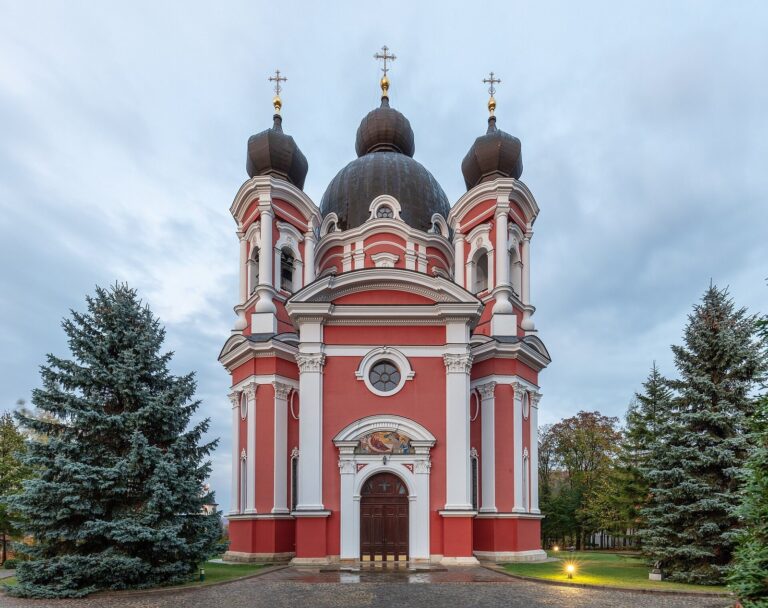
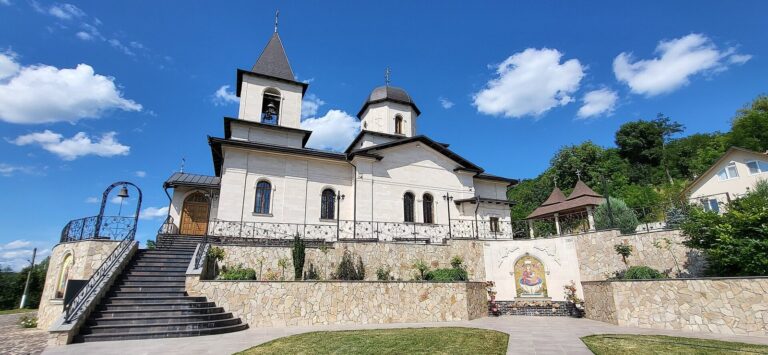
Hîrbovăț Monastery: An Orthodox Monastery in Moldova
Site at a Glance
- Popularity
- Medium
- Country
- Moldova
- Primary era
- Modern
- Eras represented
- Early Modern, Modern
- Civilizations
- Ottoman, Principality of Moldavia, Russian
- Site type
- Religious
- Remains
- Monastery
On this page10 sections
History
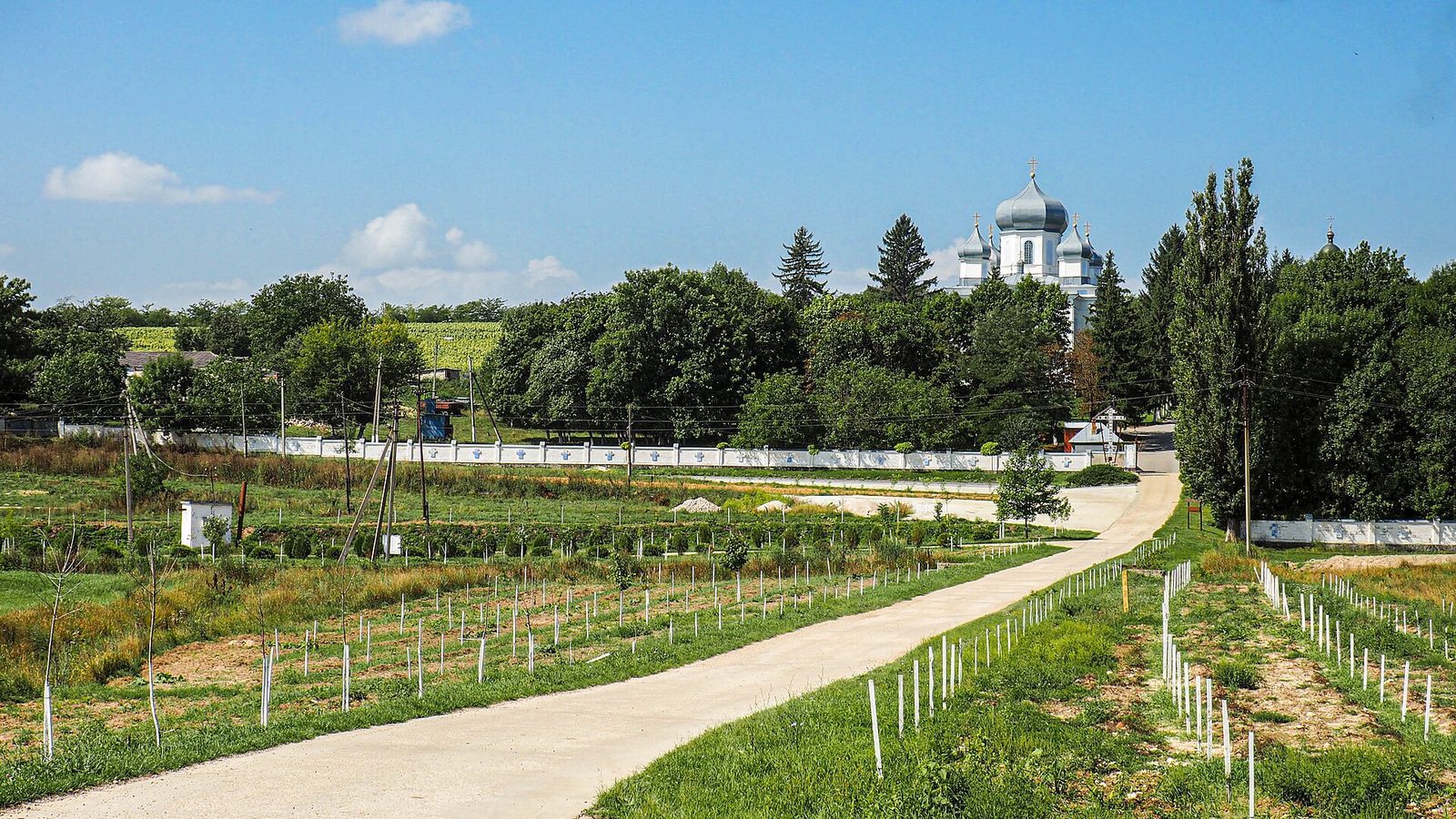
Hîrbovăț Monastery is a male Orthodox monastery north of Hîrbovăț village in Călărași District, Moldova. Tradition places its beginnings in the seventeenth century, and its architecture is Moldavian. Today, it belongs to the Diocese of Ungheni and Nisporeni, within the Metropolis of Chișinău and All Moldova of the Russian Orthodox Church.
Seventeenth and eighteenth centuries
According to tradition, monks fleeing persecution by Uniates, Eastern-rite Christians in communion with Rome, established a skete, a small monastic community. In 1730, Moldavian boyar Constantin Carpuz, a member of the landed nobility, either restored the skete or founded the monastery.
In 1790, the wife of a Russian general gave the community an icon of the Mother of God, the Orthodox title for Mary, mother of Jesus. It became the monastery’s most valued possession and was subsequently known as the Hîrbovăț Icon. Turkish and Tatar forces burned the monastery three times. The final fire, in 1812, destroyed its archive.
Nineteenth-century community
In 1813, the monastery joined the newly established Diocese of Chișinău and Khotin in the Russian Orthodox Church. It became a cenobitic monastery, where monks lived communally under shared rules, while remaining outside the official monastic establishment.
Anatoly Martynovsky, formerly Archbishop of Mogilev, lived at Hîrbovăț in retirement from 1860 to 1872. He died there and was buried at the monastery. A theological school opened in 1872.
Soviet closure
The monastery had 120 monks in 1954. After other Moldovan male monasteries closed, monks from Căpriana, Țigănești, and elsewhere also lived at Hîrbovăț. Soviet authorities closed it in 1962, when it was one of the last Orthodox monasteries still operating in the Moldavian Soviet Socialist Republic, a constituent republic of the Soviet Union.
Authorities confiscated the property and took away and burned books, icons, church utensils, and archival materials. Abbot Benjamin (Grosu) saved some books and utensils. During the 1960s–1980s, a school for children with disabilities occupied the monastery. The principal church served as a warehouse, while the church dedicated to the Descent of the Holy Spirit, commemorating Pentecost, when the Holy Spirit descended upon Jesus’ disciples, became a club.
Return and renewed monastic life
The school administration began restoration work in 1988–1989. Restoration of the principal church was completed in 1990–1991, and it was reconsecrated in 1992. The school closed that year, the monastic community was re-established, and the property began returning to the Orthodox Church. A Moldovan ministry order formally returned the monastery buildings on 11 June 1993. Services resumed in the Holy Spirit Church that year, and a school for church psalmists, readers and cantors of liturgical texts and chants, opened. The Russian Orthodox Church’s Holy Synod formally reopened the monastery in 1995.
Since 2012, resident superiors have served as vicars, or deputy superiors, while the bishop of Ungheni and Nisporeni holds honorary headship as sacred archimandrite, a bishop’s honorary monastic title. The bishop was confirmed in that role in 2012.
Remains
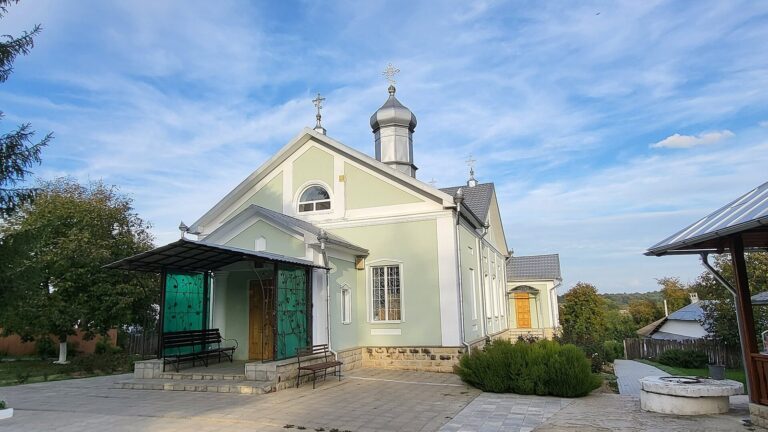
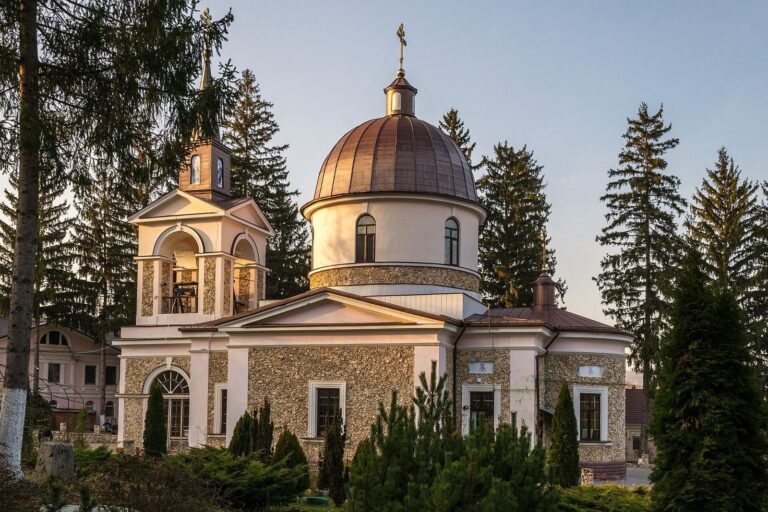
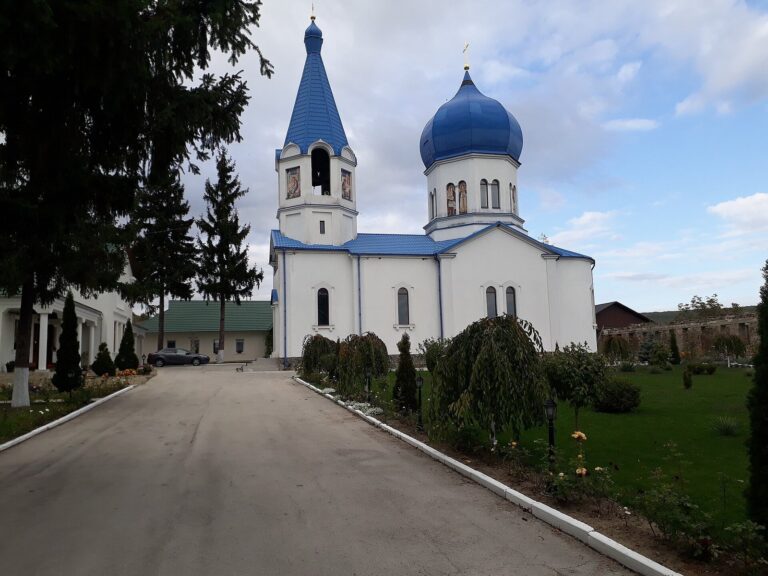
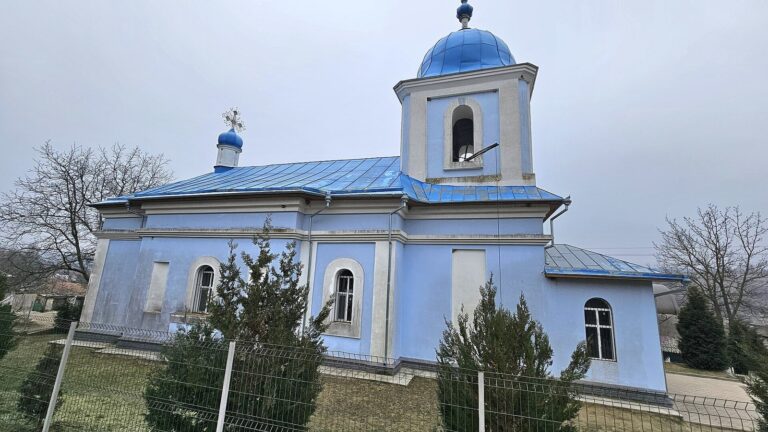
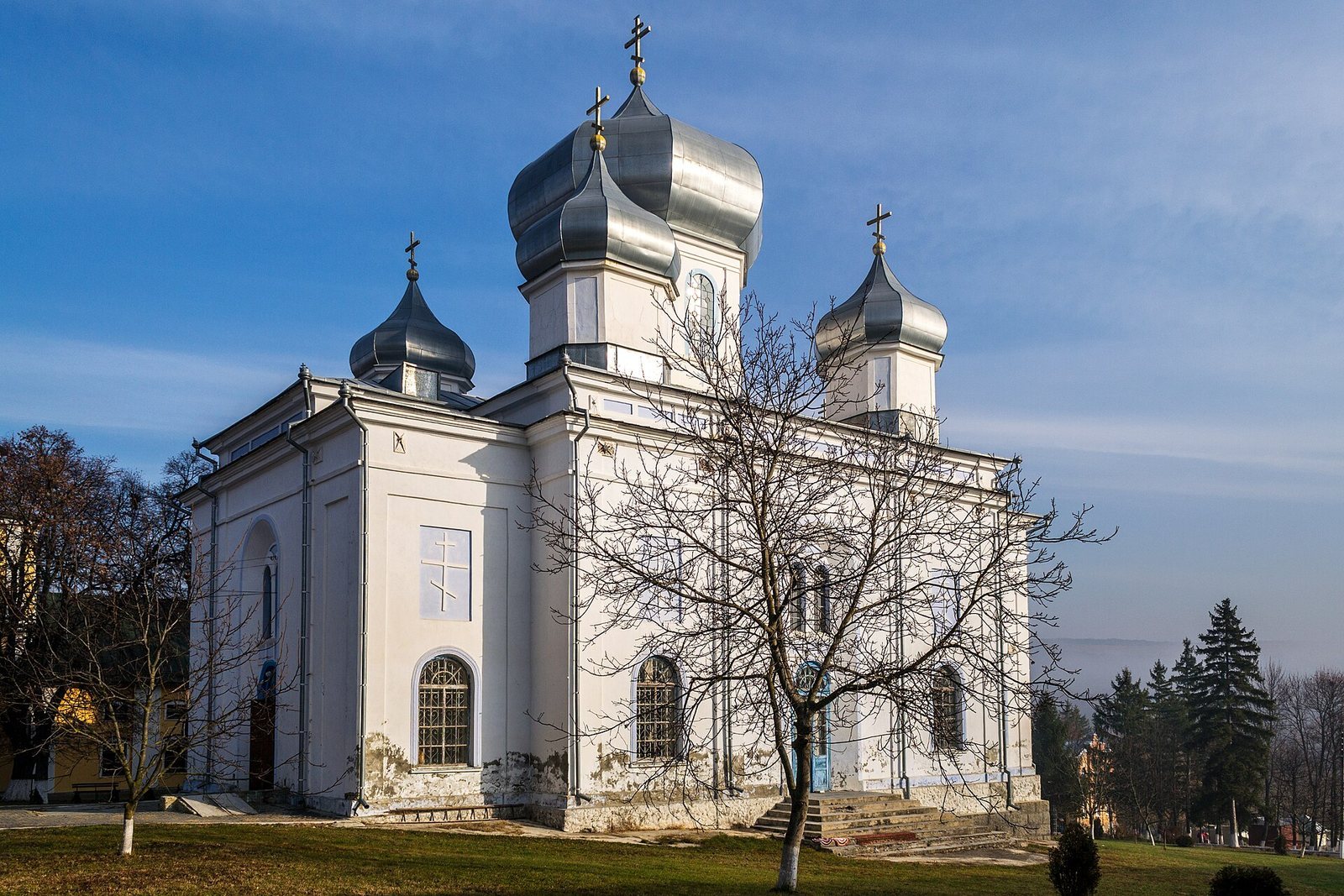
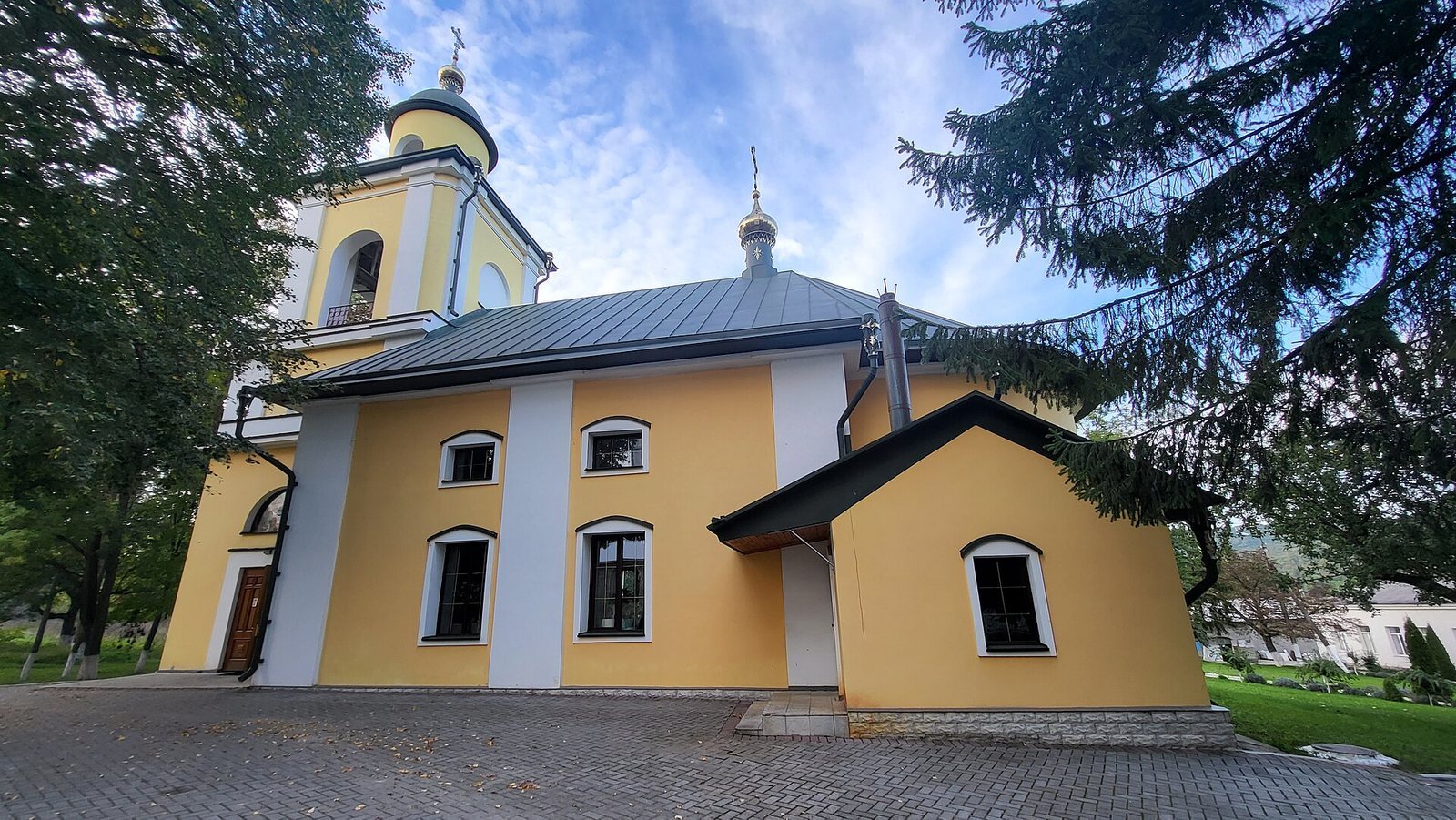
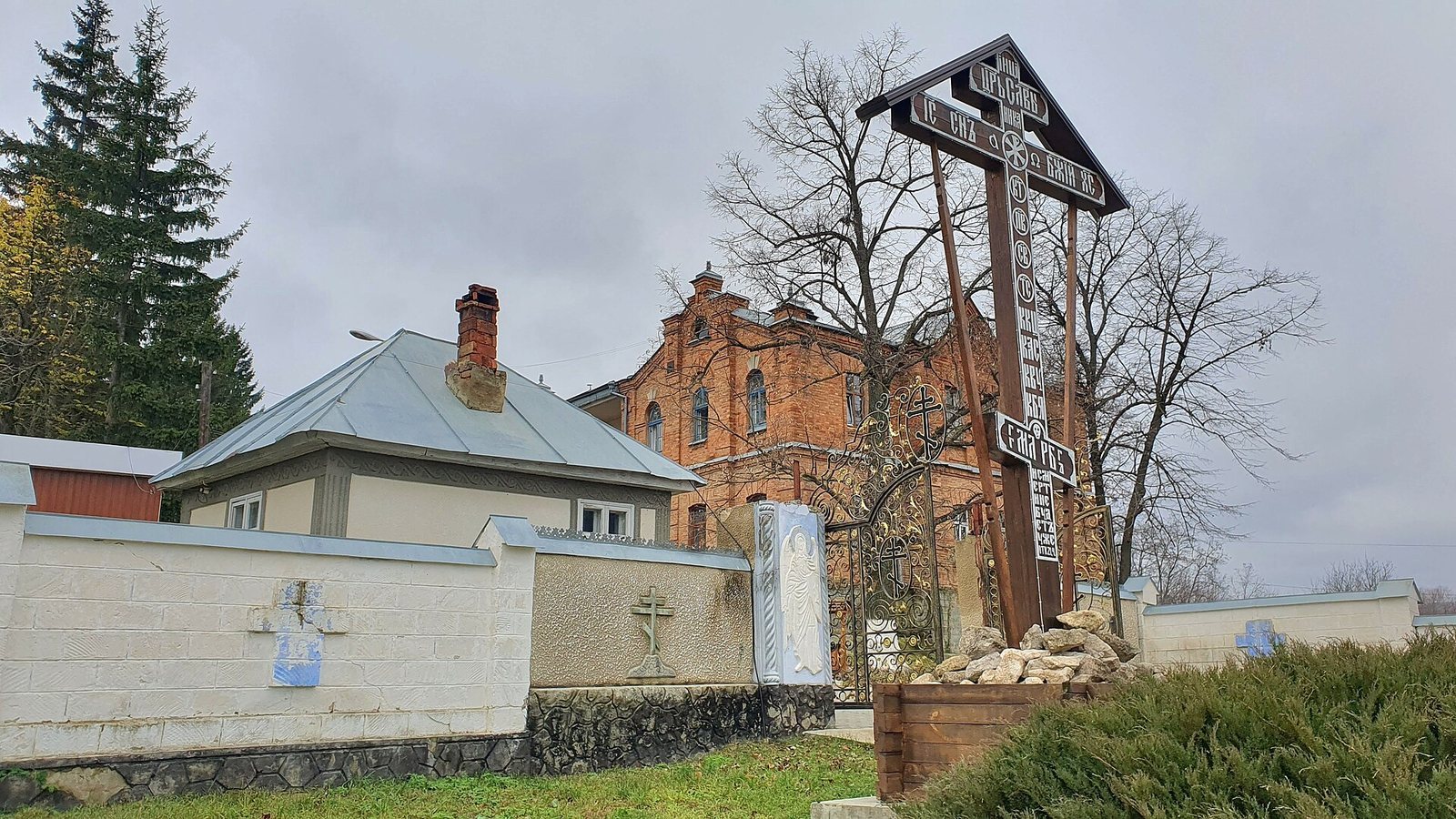
The monastery’s described architectural group includes a principal church and a smaller second church. Both are stone buildings, and the complex reflects Moldavian architecture.
Churches and devotional images
Dormition Church
The Dormition is the Orthodox commemoration of Mary’s death and assumption into heaven. The monastery’s first church dedicated to the Dormition was wooden and built in 1730. The later stone church is the principal church. Stefan Lupu, then head of the Chișinău gendarmerie, financed its construction in 1816. He later became a monk, took the schema, a solemn, advanced monastic commitment, and adopted the name Serapion.
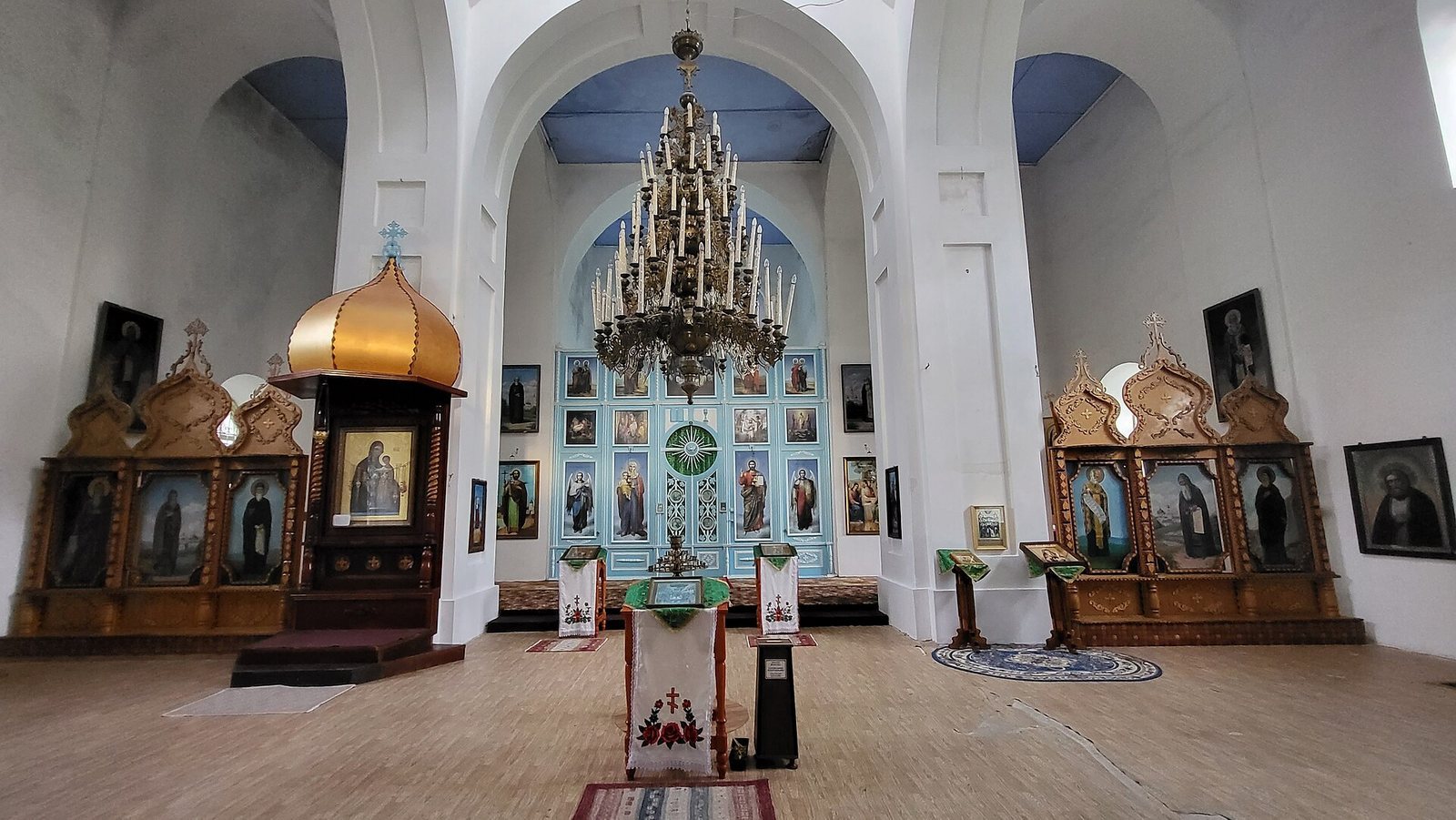
The church has a rectangular plan and a single four-tier bell tower above its vestibule. Inside, three divisions organize the space. The interior has modest frescoes and a 1997 iconostasis, a screen of icons separating the sanctuary from the main body of an Orthodox church.
Church of the Descent of the Holy Spirit
The smaller of the monastery’s two churches is built of stone. The monastery’s archimandrites, senior monastic leaders, Jerome and Nathaniel oversaw its construction, and it was consecrated in 1870.
Venerated icons
The Hîrbovăț Icon is brought to the monastery during selected winter months. For the rest of the year, it is displayed for veneration in churches around Moldova. The monastery also venerates an icon of Saint Panteleimon, an early Christian martyr associated with healing, which contains a fragment of a relic, a bodily remnant of a saint. Another revered image is a copy of a miraculous icon of the Dormition of the Mother of God.