Cușelăuca Monastery: An Orthodox Women’s Monastery in Moldova
Site at a Glance
- Popularity
- High
- Country
- Moldova
- Primary era
- Modern
- Eras represented
- Early Modern, Modern
- Civilizations
- Ottoman, Principality of Moldavia, Russian
- Site type
- Religious
- Remains
- Monastery
On this page10 sections
History
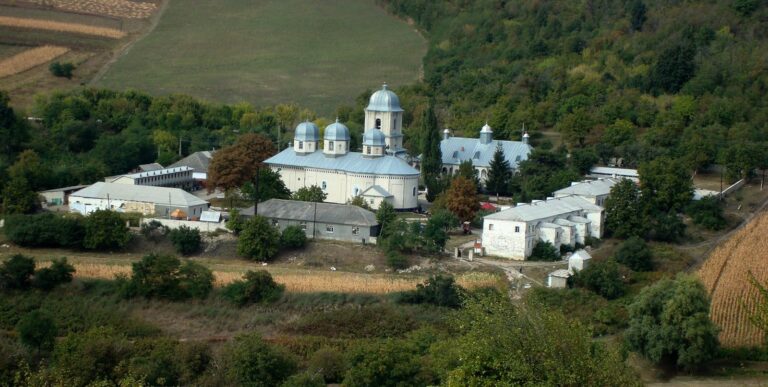
Cușelăuca Monastery is an Orthodox women’s monastery in Șoldănești District, Moldova, founded in 1786 by Maria Tucanosov, a freeholder from Cotiujeni who entered monastic life as Mitrodora. The monastery belongs to the Chișinău Diocese, a territorial jurisdiction within the Russian Orthodox Church, an Eastern Orthodox church. Its first church was made of wood.
Foundation and nineteenth-century community
Archimandrite Nicandru, a senior rank of Orthodox monastic clergy, patronized the main church while serving as spiritual father at the episcopal residence in Chișinău. His sister Irina, a nun who had undertaken the Great Schema, a demanding form of monastic commitment, later became abbess and was responsible for building the winter church.
Cușelăuca was one of the poorest monasteries in Moldavia during the nineteenth century. In 1895, its community comprised 53 nuns and held 60 desyatinas, a traditional measure of land area. Agafia, who had been a novice at the monastery, died in 1873. The Orthodox Church formally recognized her as a saint on 27 September 2016.
Closure and revival
Soviet authorities closed the monastery in 1960, when 200 nuns lived there. The buildings were first converted into a hospital for patients with lung diseases and later used for collective-farm administration. The summer church became a club and then a coal store, while the winter church served as a poultry incubator.
A revival began in 1988, and the monastery reopened in 1990. Today, 20 nuns live at the monastery, which has five hectares of land.
Remains
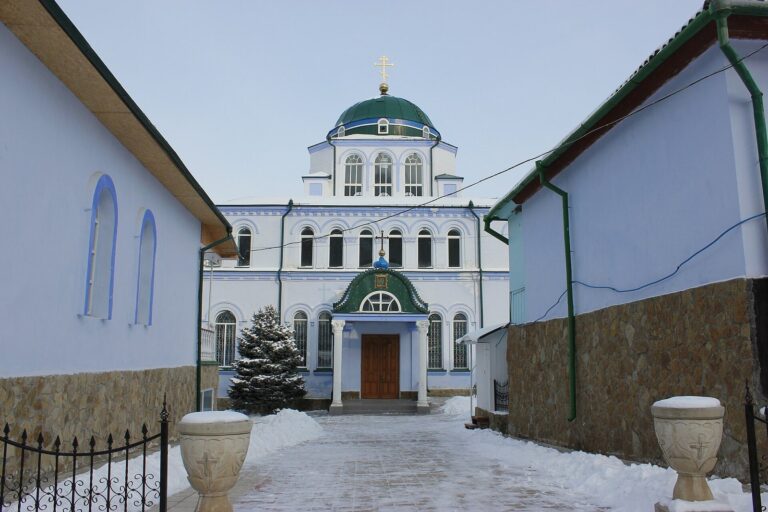
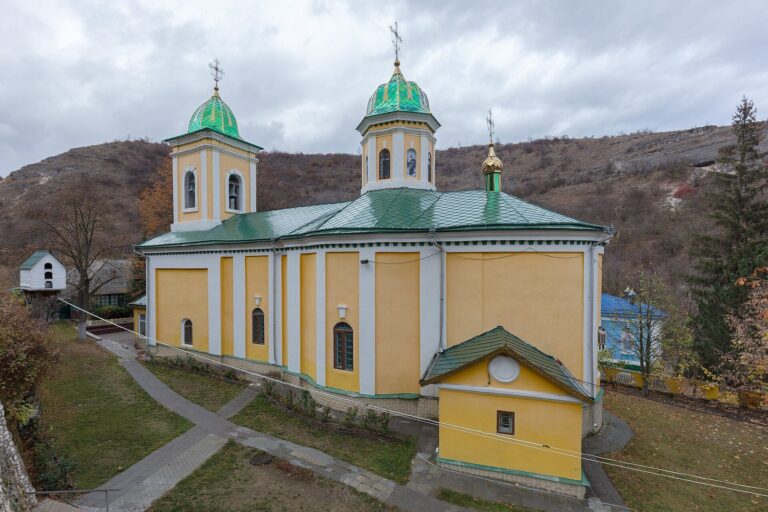
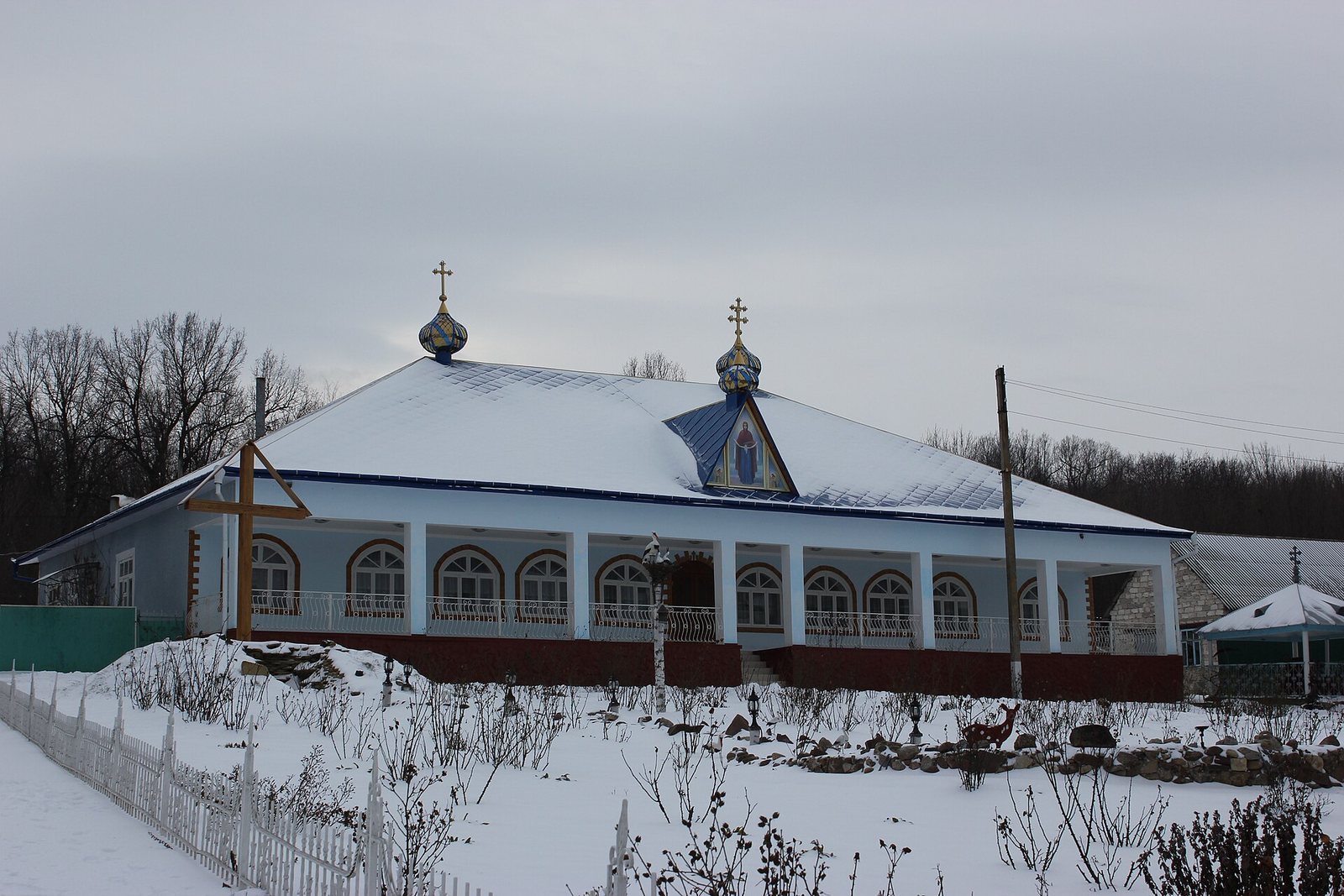
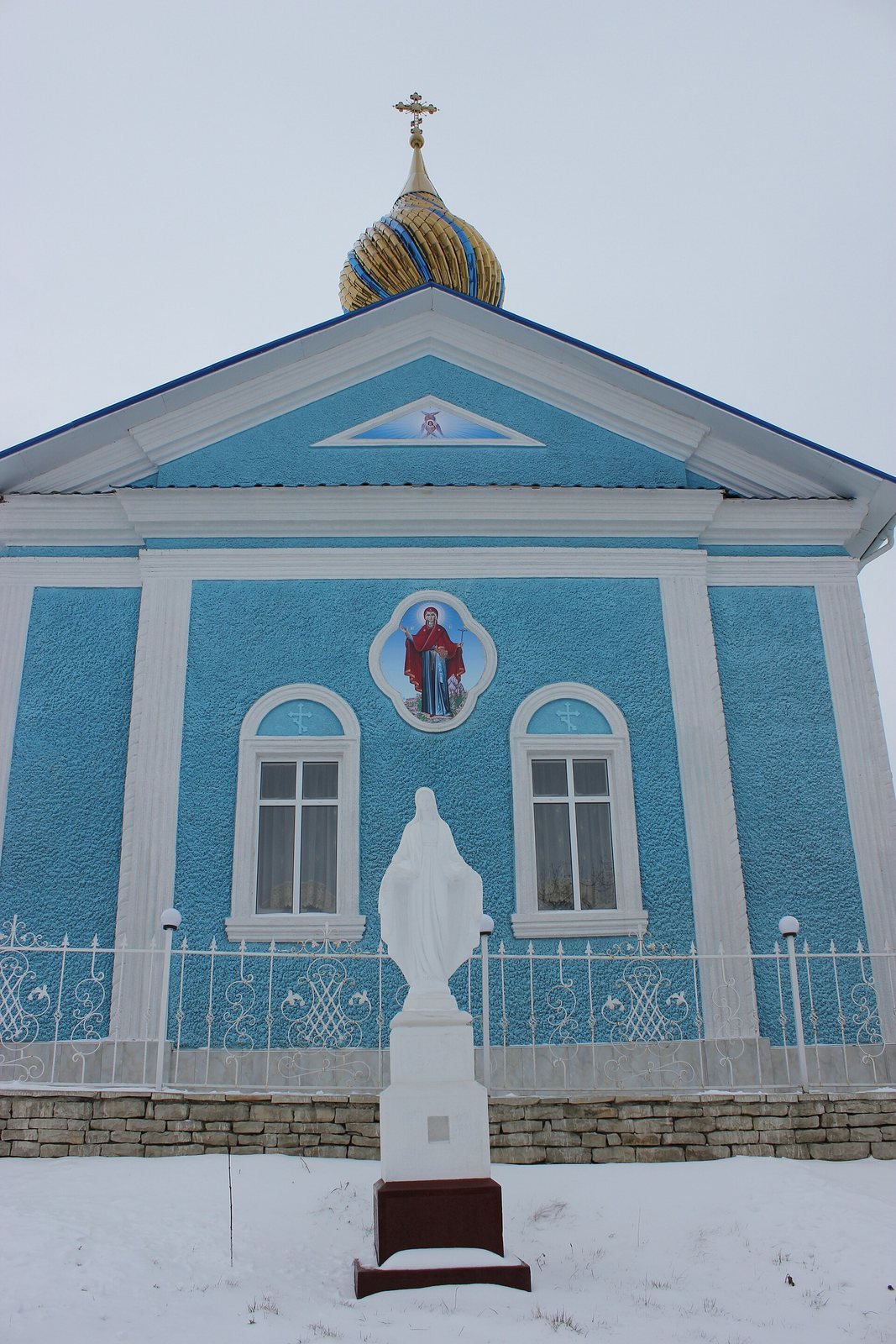
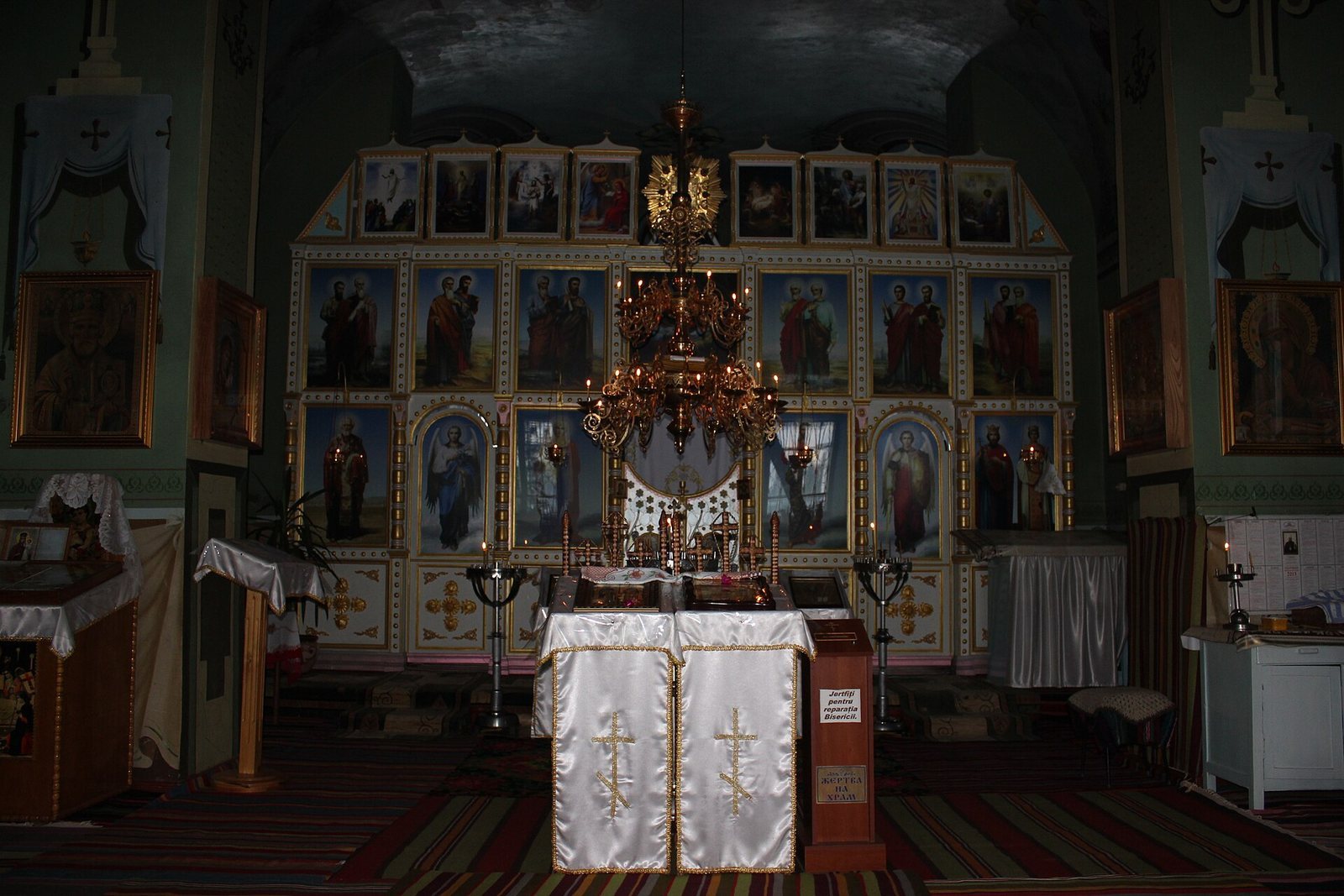
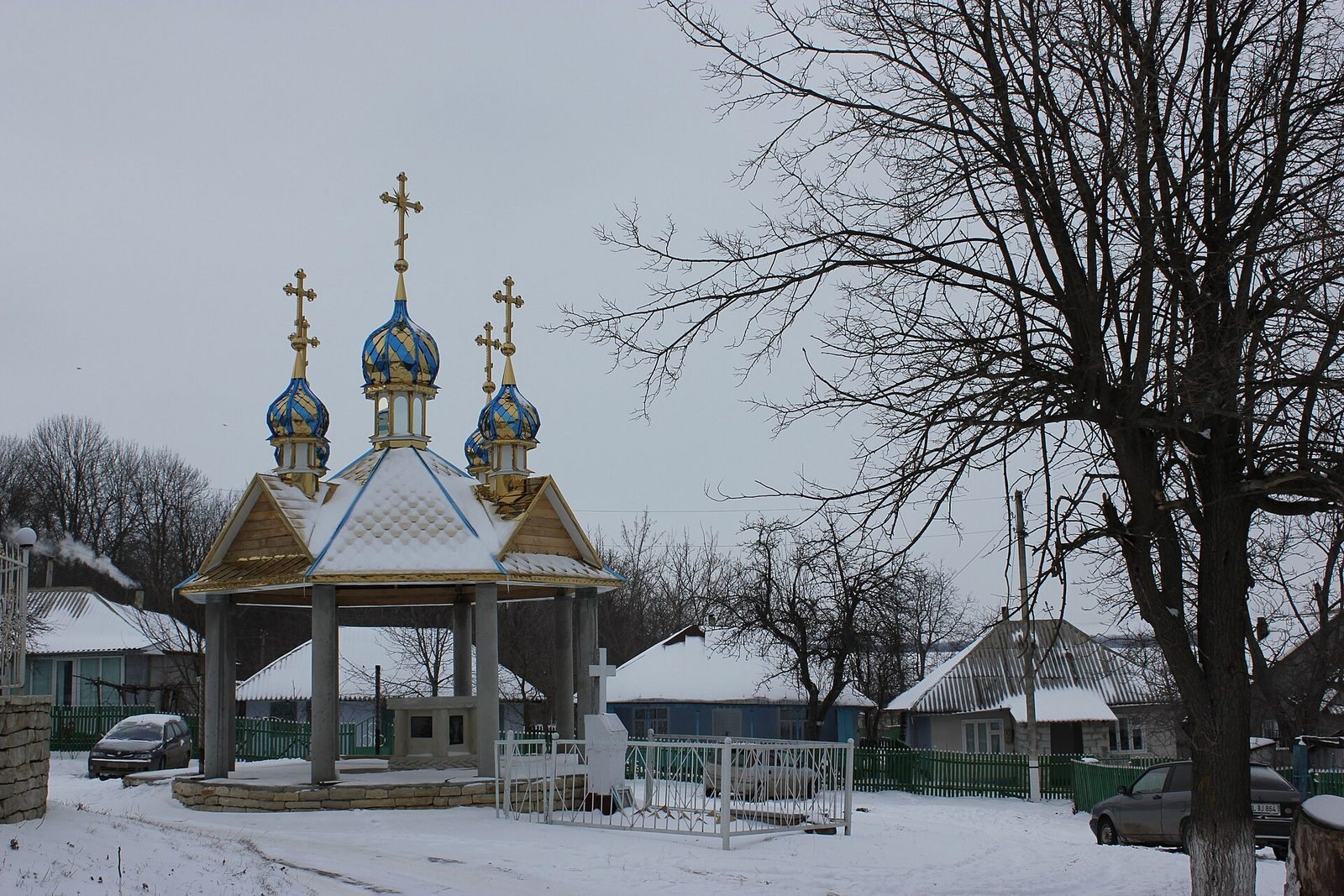
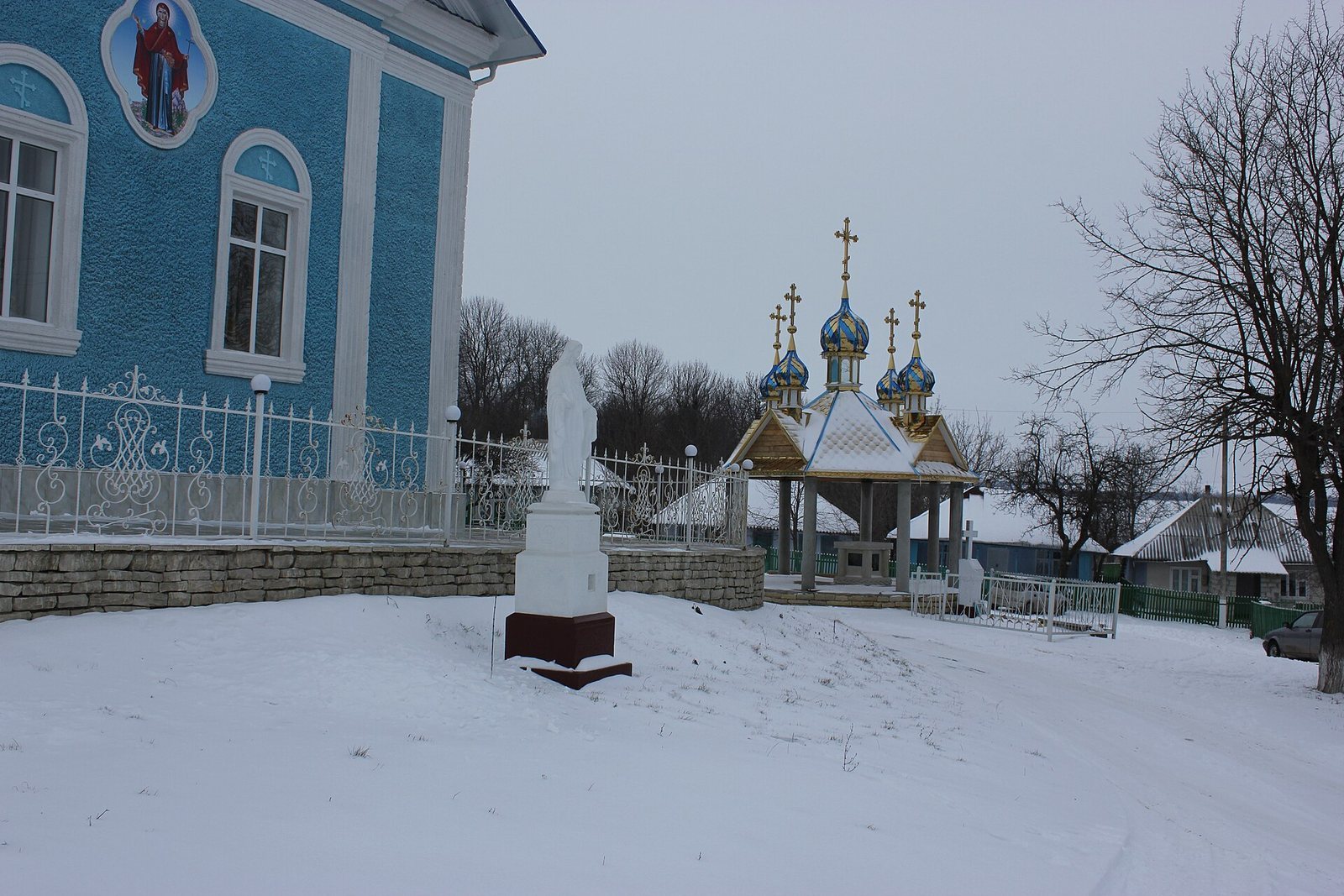
The monastery’s principal surviving religious buildings are its large summer church and its winter church. The buildings are in good structural condition, although renovation work has left visually unattractive alterations.
Churches
Summer church
Built in the mid-nineteenth century, the large summer church is dedicated to the Dormition of the Mother of God, the Orthodox feast commemorating the Virgin Mary’s death and assumption into heaven. It was reconsecrated in 1989.
Winter church
Construction of the winter church, dedicated to Saints Constantine and Helena, began in 1855. Constantine was a Roman emperor, and Helena was his mother; both are venerated as saints in Orthodox Christianity. After restoration, the church was reconsecrated in 1992.
Sacred objects
Relics of Saint Agafia
A reliquary containing relics of Saint Agafia is kept at the monastery.
Icon of the Mother of God of Moldova
The monastery also holds a miracle-working icon of the Mother of God of Moldova, painted on Mount Athos, a major Orthodox monastic center, in 1895.