Salt House in Vylok: A Medieval Salt Warehouse in Ukraine
Site at a Glance
- Popularity
- Very Low
- Country
- Ukraine
- Primary era
- Medieval
- Eras represented
- Medieval, Modern
- Civilizations
- Hungarian
- Site type
- Economic
- Remains
- Warehouse
On this page5 sections
History
A salt store and the 1425 uprising
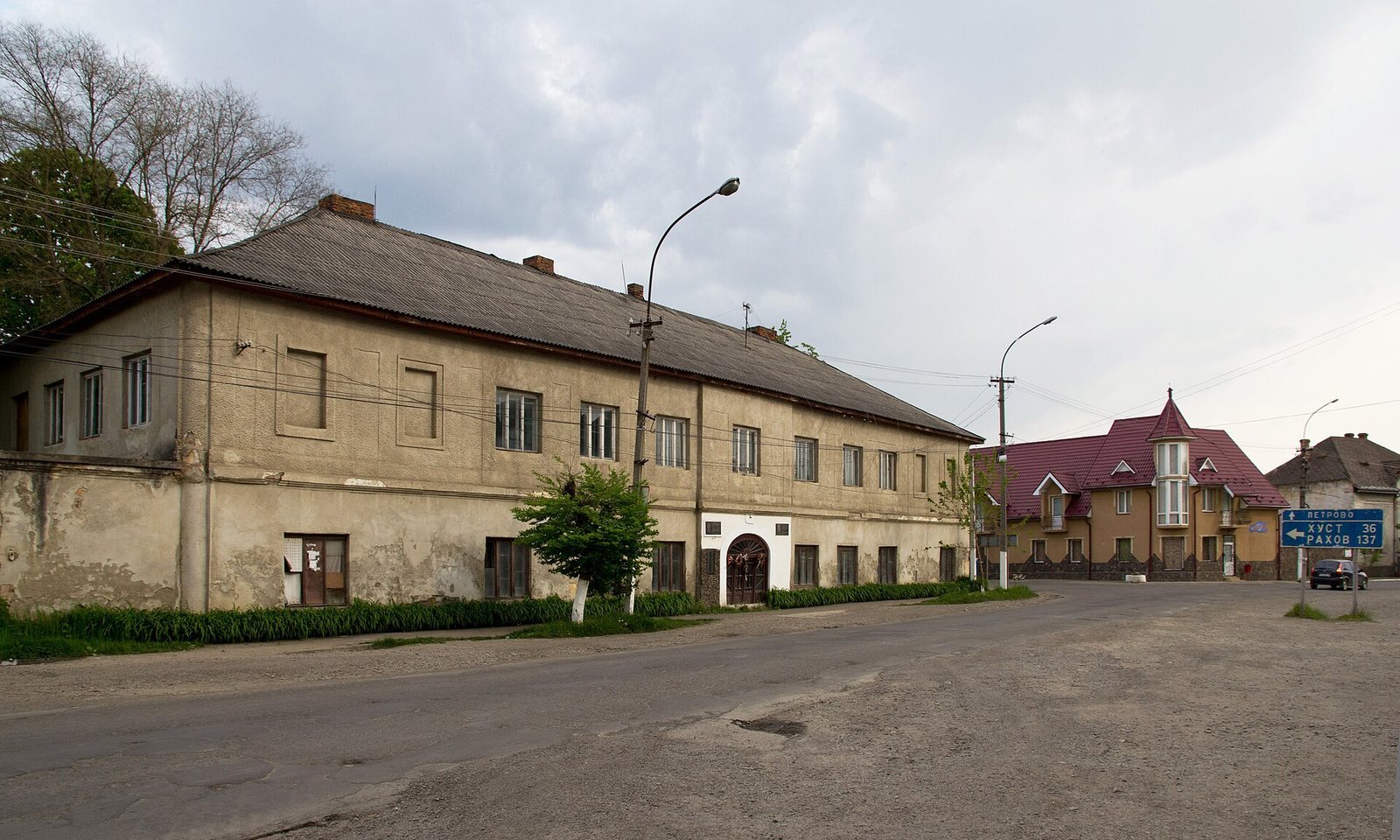
The Salt House is a stone warehouse in Vylok, Ukraine, built in 1417 to store salt transported from mountain mines in Maramureș. Its workers supported an uprising by Maramureș salt miners in 1425.
Tamás Esze and the Rákóczi uprising
The building later became connected with Tamás Esze, a salt trader and peasant leader in the revolt against Habsburg rule led by Hungarian nobleman Ferenc II Rákóczi from 1703 to 1711. On 17 October 1702, Esze’s band seized and looted the warehouse, using the money taken to buy weapons. On 24 May 1703, he attacked it again with two infantry detachments and 40 horsemen. Four guards were killed, and the others joined the insurgents.
Soviet-era use and commemoration
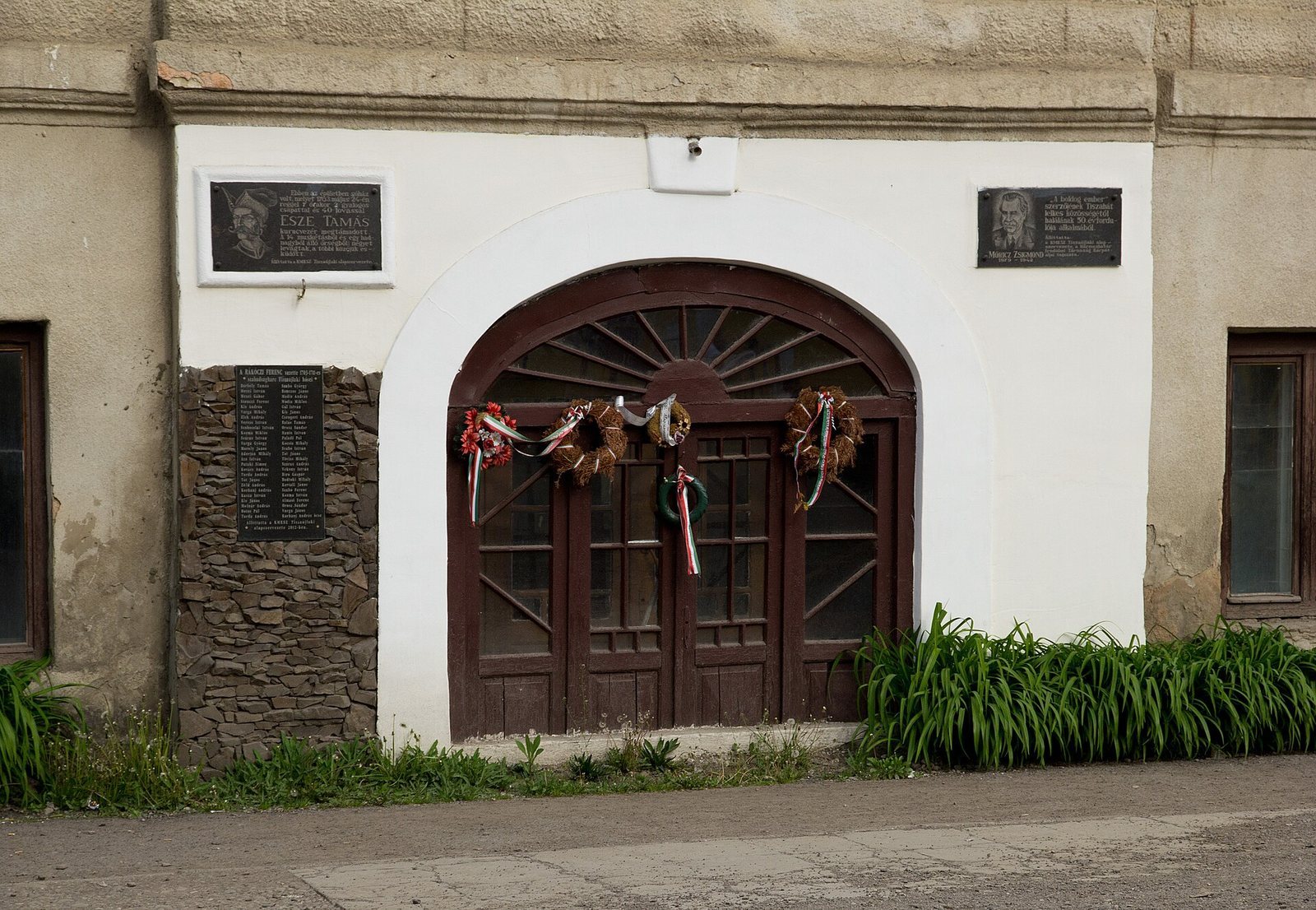
During the Soviet period, when Ukraine was governed as part of the Soviet Union, the building was first used by the military. It later housed a children’s residential home and a Hungarian-language school. After those institutions moved elsewhere, the building stood empty. In 1992, memorial plaques were installed for Esze and the Hungarian writer Zsigmond Móricz, who had visited relatives in the building. In 2021, the Salt House passed into the communal ownership of the Vylok settlement community as a property of historical and cultural significance and a site on the Salt Road historical route.
Remains
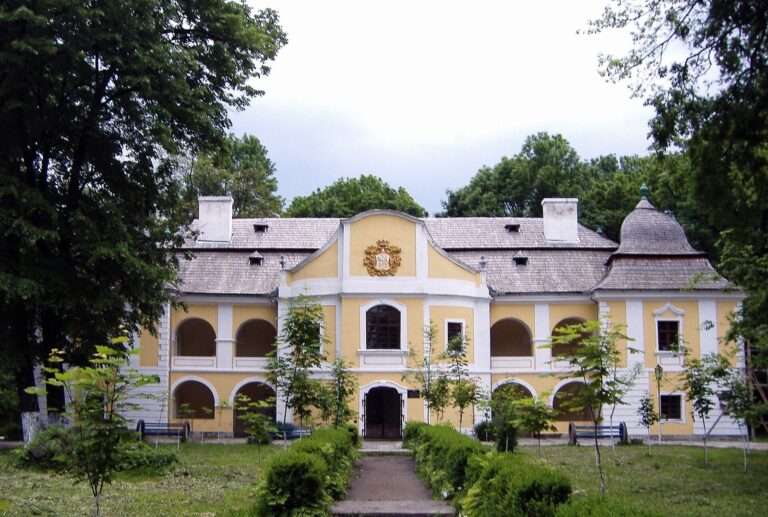
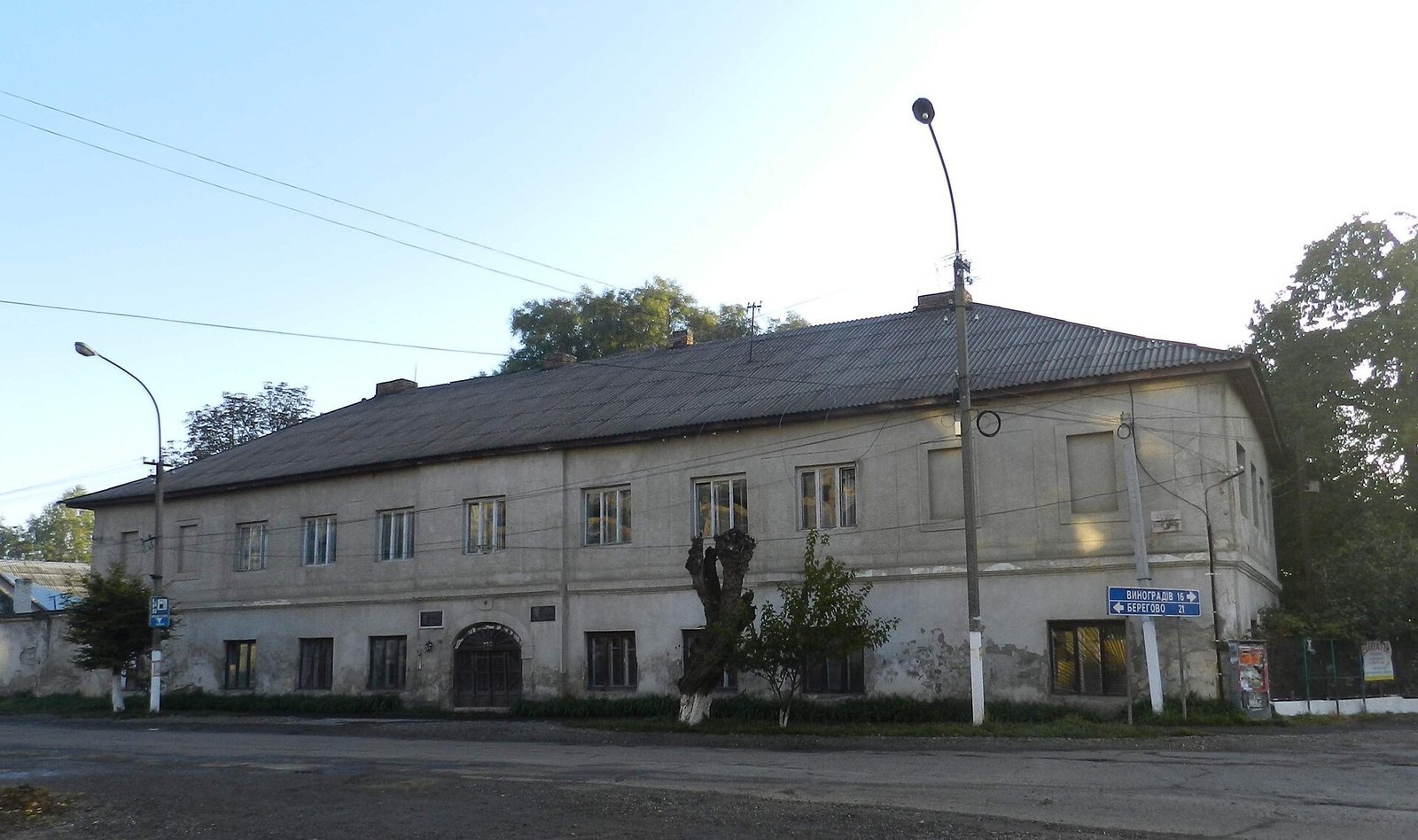
The Salt House is a two-storey stone building with a central entrance on its main façade. When it served as a salt warehouse, the rooms on the second floor were used as living quarters. Its cellar rooms survive in unaltered form. Two memorial plaques are mounted on the façade beside the entrance.