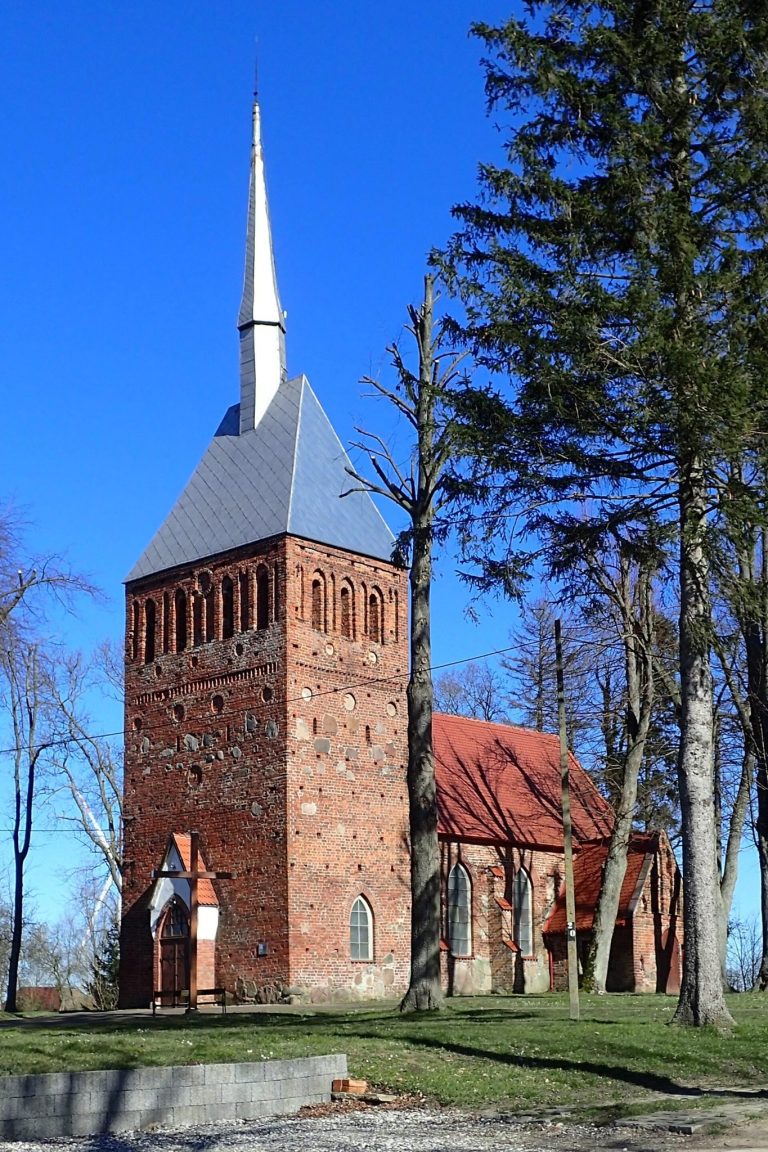
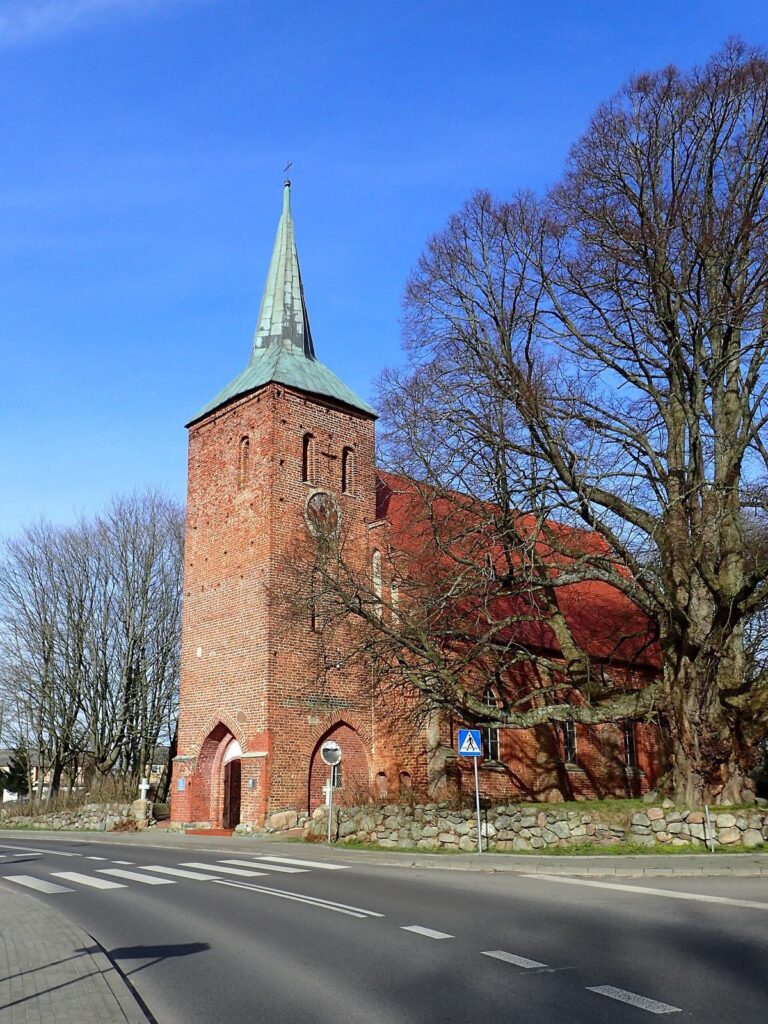
Christ the King Church in Wielin: A Roman Catholic Filial Church
Site at a Glance
- Popularity
- Very Low
- Country
- Poland
- Primary era
- Early Modern
- Eras represented
- Early Modern
- Civilizations
- Brandenburg-Prussia, Holy Roman Empire
- Site type
- Religious
- Remains
- Church
On this page8 sections
History
Foundation and change of worship
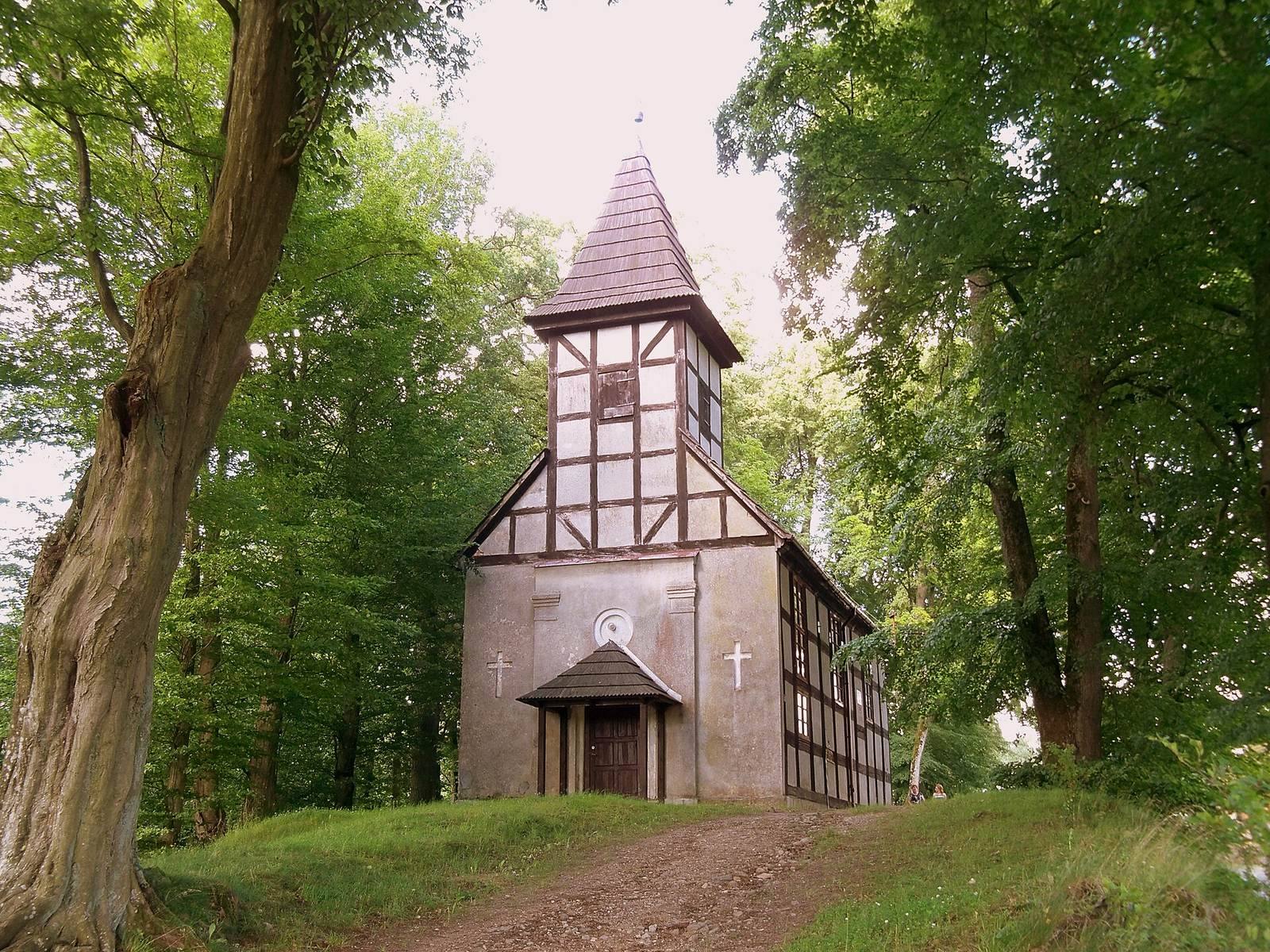
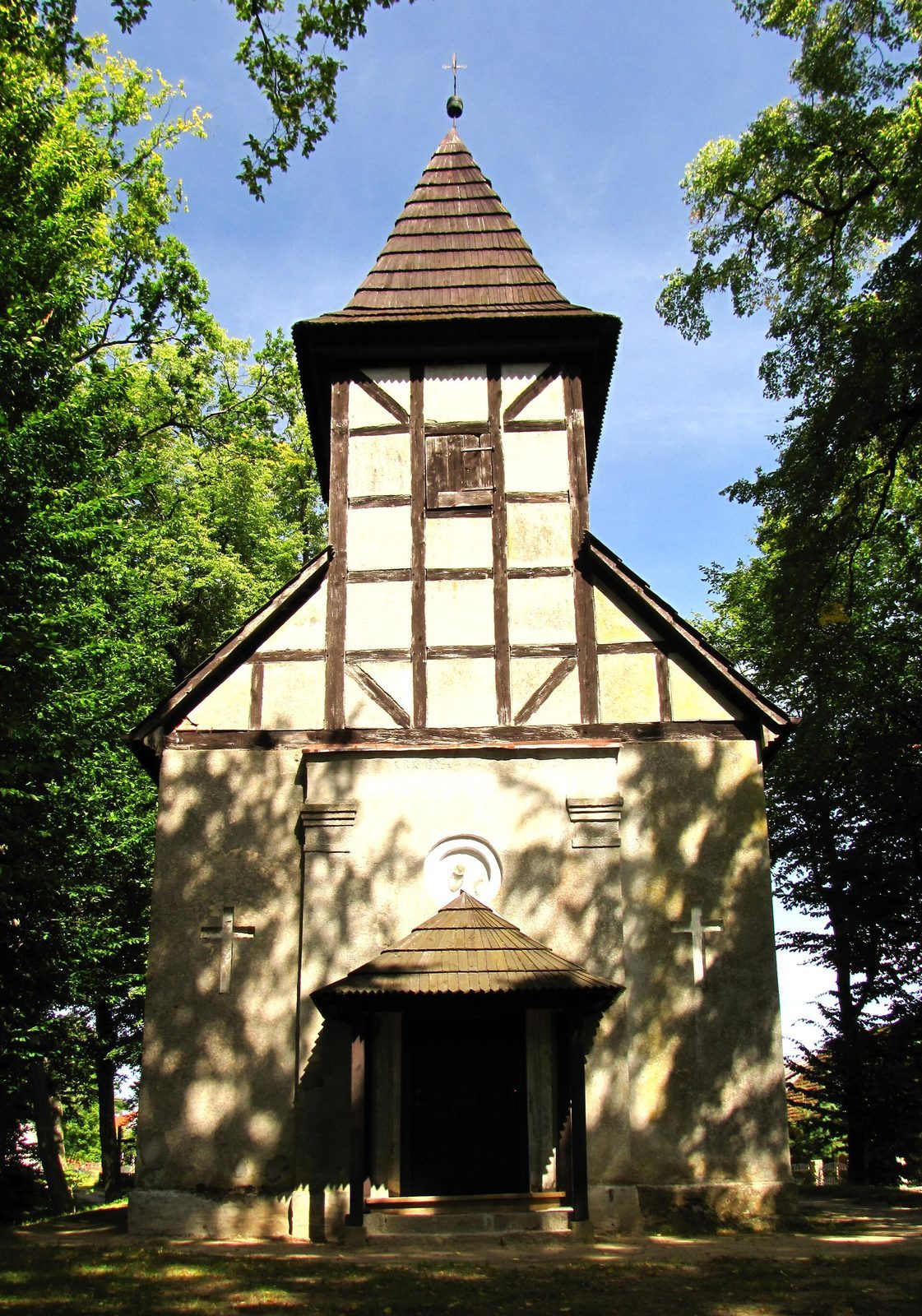
Christ the King Church in Wielin is a Roman Catholic filial church in Poland, completed in 1669 as a Protestant place of worship and an example of late-seventeenth-century timber-frame religious architecture. After the Second World War, the church passed into Catholic hands and was consecrated on 1 October 1945 by a priest named Hruza.
The church is dedicated to Christ the King, a Christian title emphasizing Jesus’s sovereignty. Its liturgical observance is the Feast of Christ the King. It belongs to the Parish of the Exaltation of the Holy Cross in Polanów, within the Polanów deanery, a group of parishes in the Diocese of Koszalin-Kołobrzeg. That diocese is part of the Szczecin-Kamień ecclesiastical province, a grouping of dioceses.
Heritage protection and conservation
The church entered the heritage register as number 397 on 26 April 1964. From 1983 to 1985, conservators from the Art Conservation Studio in Gdańsk treated the altar, pulpit, and patronal pews. Their work included cleaning and disinfection, protective treatment, filling damaged areas, polishing, and renewing painted decoration.
Remains
Plan and construction
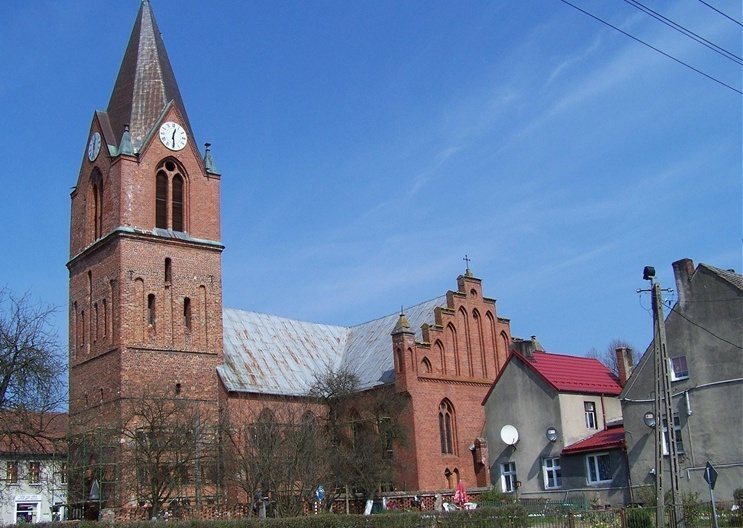
The church is a timber-frame building in Central Pomerania, with brick filling between the structural timbers. Its simple plan comprises one nave, one tower, and one altar.
Interior furnishings
Altar
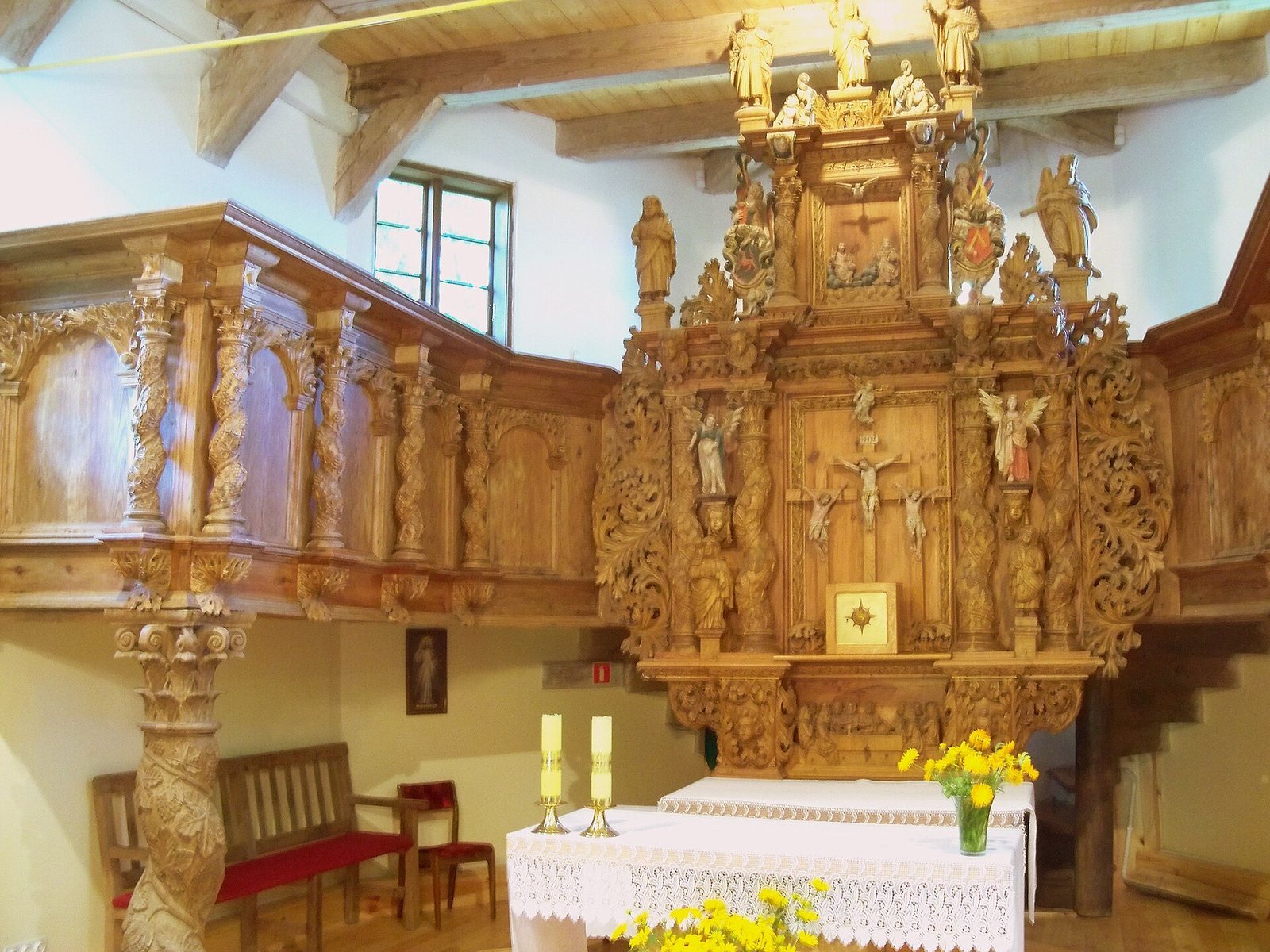
The Baroque altar, dating to around 1700, is an elaborate retable, the ornamental structure behind an altar. It has two tiers and three vertical sections. The central field depicts the Last Supper, while the side sections contain figures of the Virgin Mary and Saint John. Figures arranged symmetrically crown the structure.
Pulpit and patronal pews
The interior also contains a pulpit and patronal pews, seating associated with the church’s patrons.