Saint Joseph Church in Siecień: A Roman Catholic Parish Church in Poland
Site at a Glance
- Popularity
- Very Low
- Country
- Poland
- Primary era
- Early Modern
- Eras represented
- Early Modern
- Civilizations
- Polish–Lithuanian Commonwealth
- Site type
- Religious
- Remains
- Church
On this page9 sections
History
The earlier church and the present building
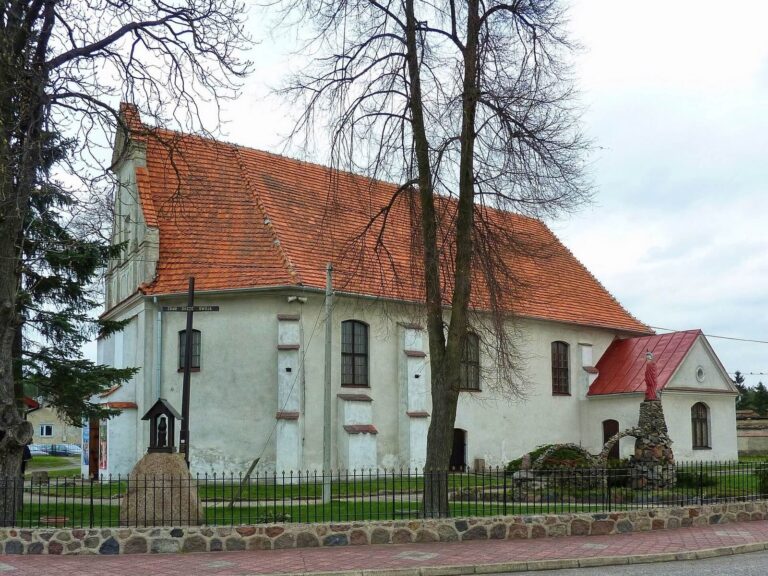
Saint Joseph Church in Siecień is a Roman Catholic church in Siecień, Poland. Its predecessor was dedicated to the Annunciation, the Christian account of the angel Gabriel telling Mary she would bear Jesus. That church was built in the second half of the 14th century or early in the 15th century and was described as wooden in 1442.
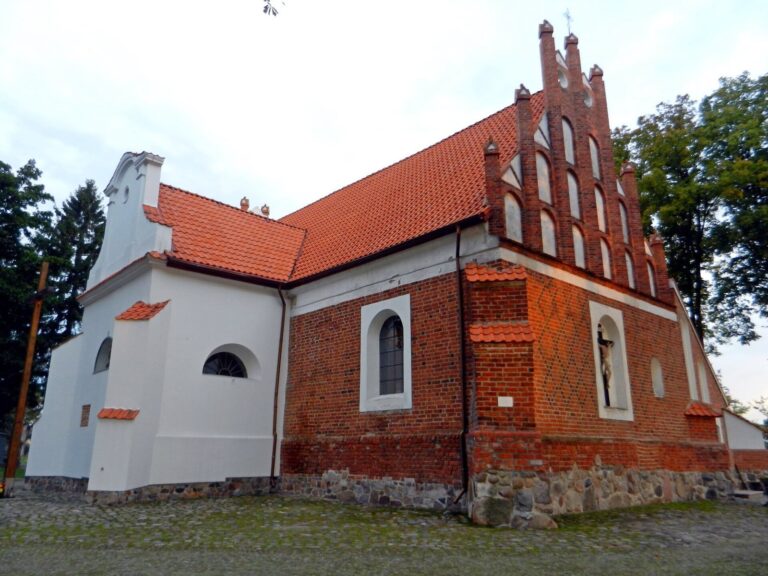
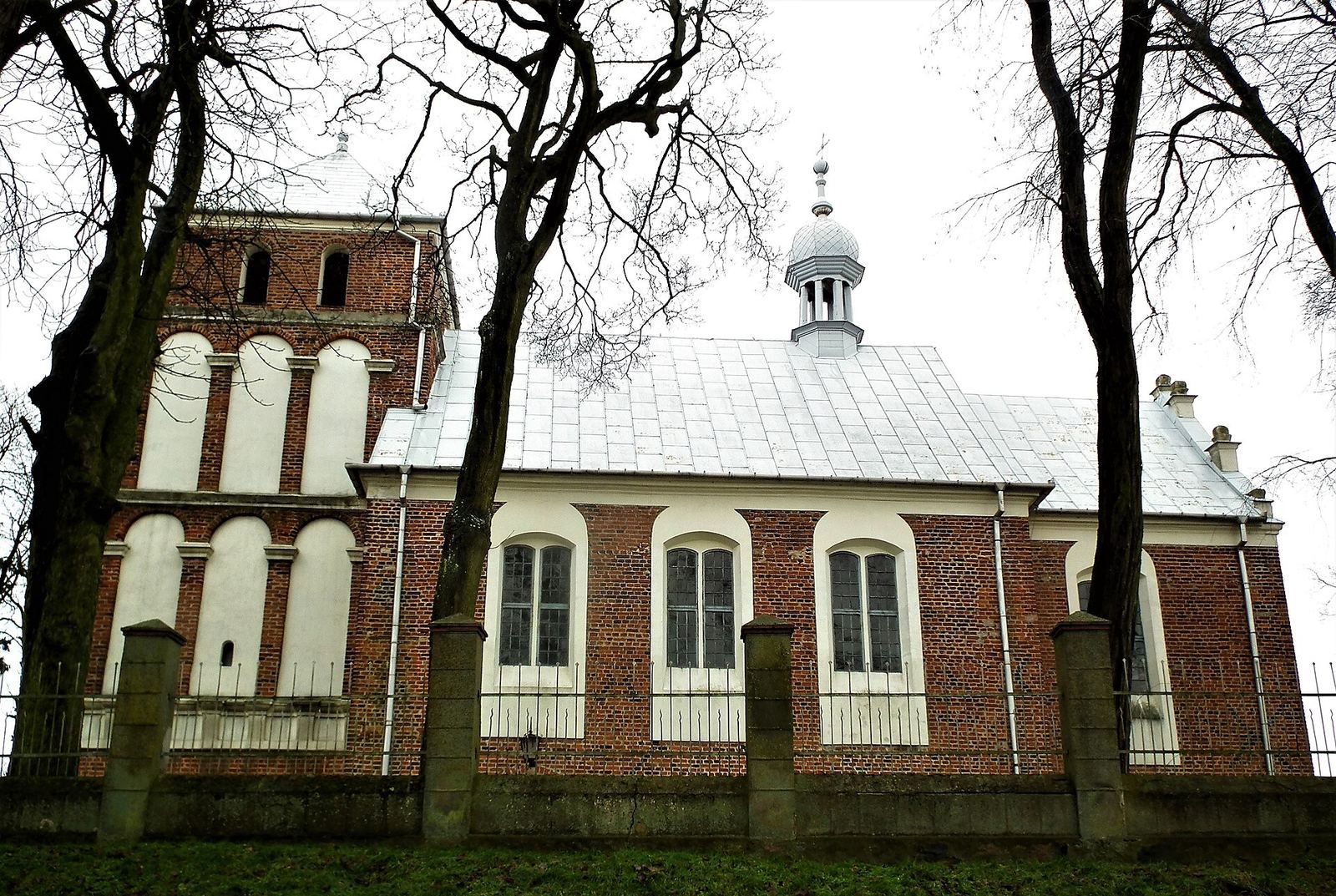
In the 16th and 17th centuries, Siecień belonged to Stanisław Sieciński, bishop of Przemyśl. At his initiative, construction of the present church began in 1584 and was completed in 1611. Sieciński consecrated it in 1619. The building combines Gothic and Renaissance styles and has served the Roman Catholic parish of Saint Joseph.
Restoration and remembrance
The church was restored in 1725, 1779, and 1840. In 1880, a bust-epitaph of Bishop Ignacy Krasicki was intended for the church because of his family ties to Siecień. Made by sculptor Andrzej Pruszyński, it was ultimately installed in Płock Cathedral.
German Nazis murdered the church priest Adam Arendzikowski at the concentration camp in Działdowo in 1941. A monument beside the church commemorates 23 Polish residents of the village and surrounding area killed between 1939 and 1945, including Arendzikowski.
Remains
Building and plan
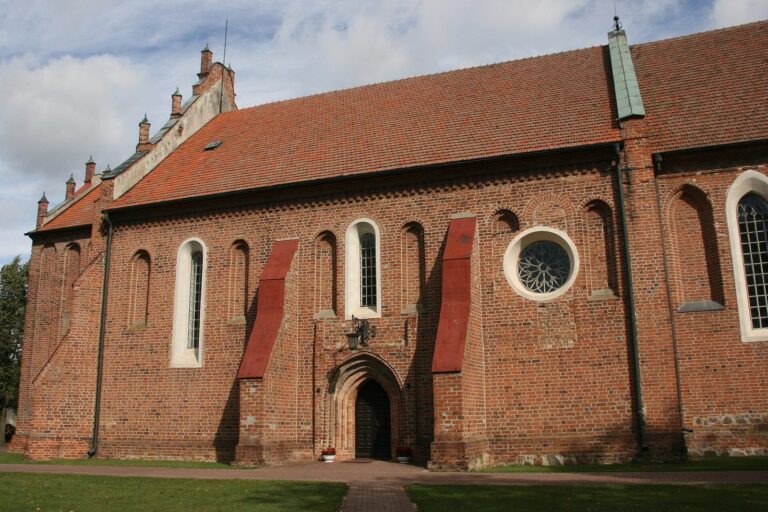
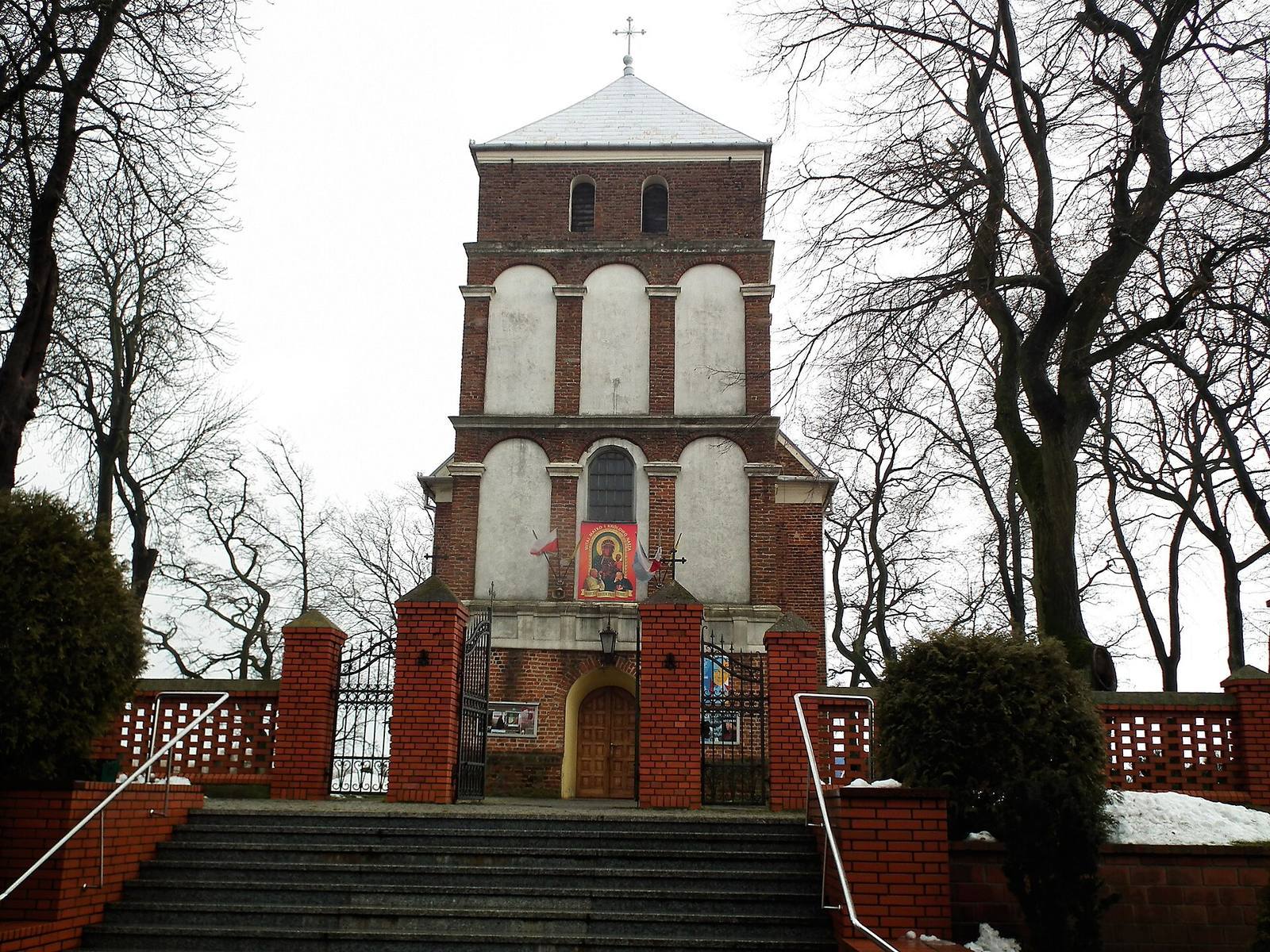
The single-nave church is built of brick and has one tower. It stands on a small hill and follows an oriented plan, meaning it is aligned along a designated liturgical axis. Its Gothic and Renaissance design gives the building its architectural character.
Interior furnishings
Main altar and image of Mary
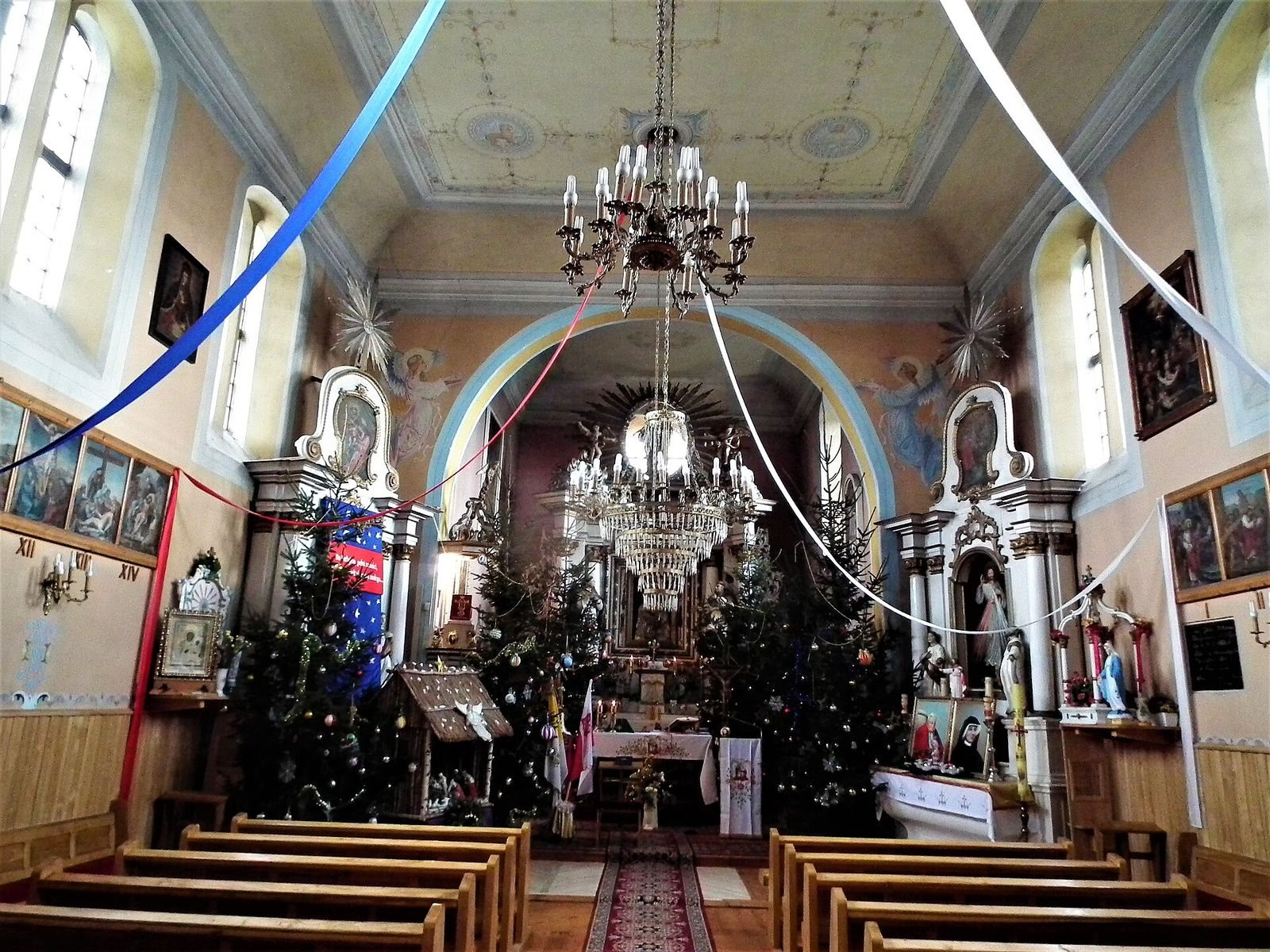
The main altar dates to the early 18th century and contains the image of Our Lady of Siecień, a title for Mary. Painted on a wooden panel in the 14th century by an unknown artist, the image uses tempera, paint made with pigment bound in an emulsion. It has been venerated since the 18th century.
Altars, font, and other furnishings
The 18th-century side altars are dedicated to Saint Thecla, an early Christian saint, and Saint Joseph. A wooden baptismal font is in the Rococo style. Most of the church’s furnishings, including its pulpit, are Baroque; some came from the earlier wooden church and predate the present building. A portrait of Stanisław Sieciński is also among the furnishings.
Memorials
Two memorial tablets are set into the church interior. One honors Adam Arendzikowski, while the other commemorates church patrons from the early 19th century, including Piotr Gembarth, who died in 1808. The monument beside the church forms an outdoor memorial to the local residents killed during the Nazi period.