Spaso-Kukotsky Monastery: An Orthodox Monastic Complex in Russia
Site at a Glance
- Popularity
- Low
- Country
- Russia
- Primary era
- Early Modern
- Eras represented
- Early Modern
- Civilizations
- Russian
- Site type
- Religious
- Remains
- Monastery
On this page9 sections
History
Spaso-Kukotsky Monastery is an Orthodox monastery in Serbilovo, Ivanovo Region, Russia, with its foundation dated to 1673. It belonged to the Shuya Diocese, a territorial jurisdiction of the Orthodox Church.
Early history
Tradition places the monastery’s beginnings in the late 16th century. Its first documentary mention is a 1624 charter from Tsar Michael I, the first ruler of the Romanov dynasty. The charter granted the monastery the village of Serbilovo, the small settlement of Temerevo and its villages, together with arable land and hay meadows.
Grishka Otrepyev became a monk at the monastery. He is conventionally identified as False Dmitry I, a pretender to the Russian throne in the early 17th century.
Suppression and present status
During the church reform under Catherine II, which reorganized church institutions and property, the monastery was suppressed and its churches became parish churches. The monastery is now inactive, although its Transfiguration Cathedral remains in use. The complex is designated a cultural heritage property of federal significance in Russia.
Remains
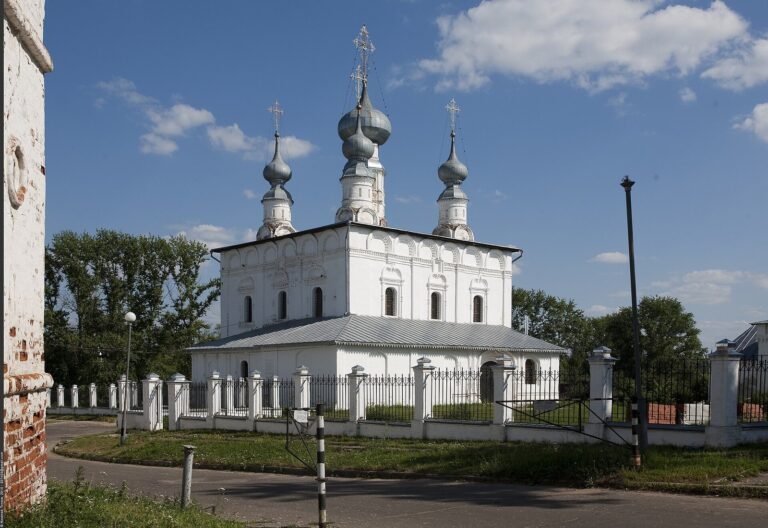
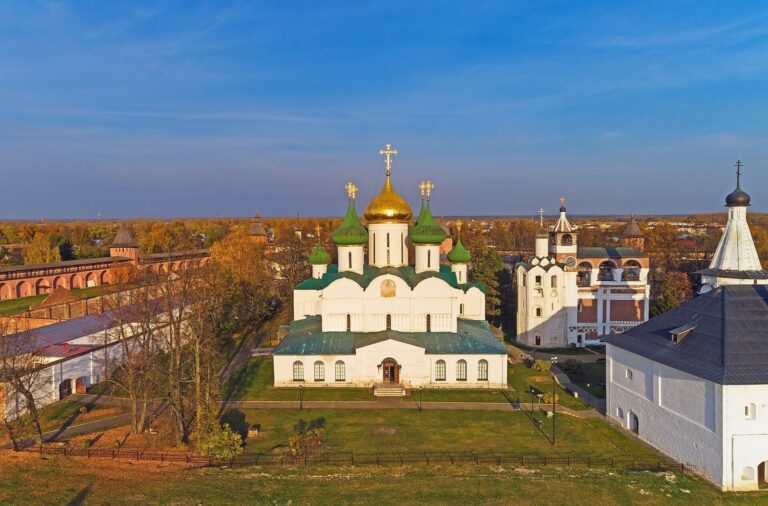
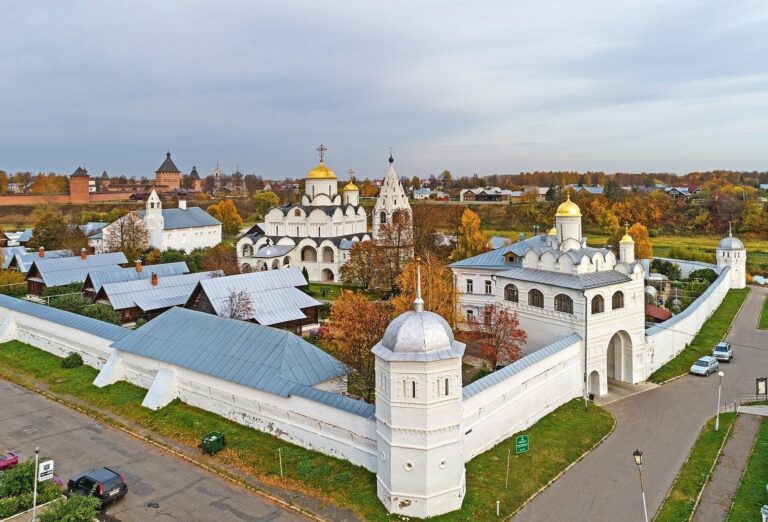
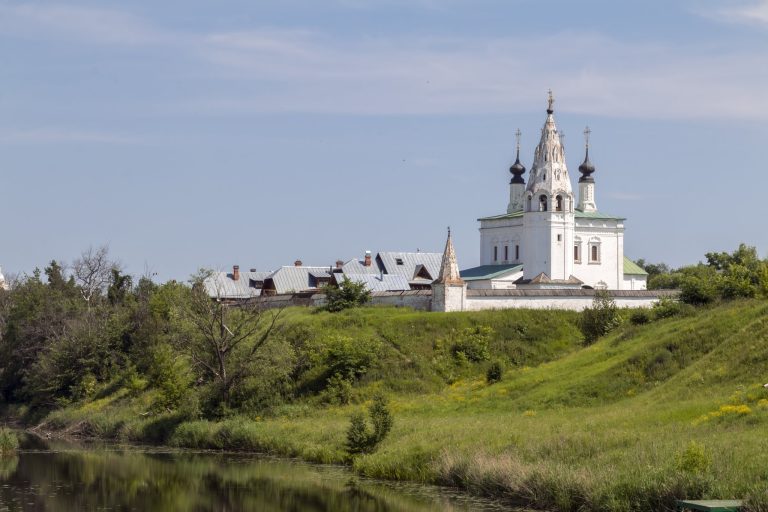
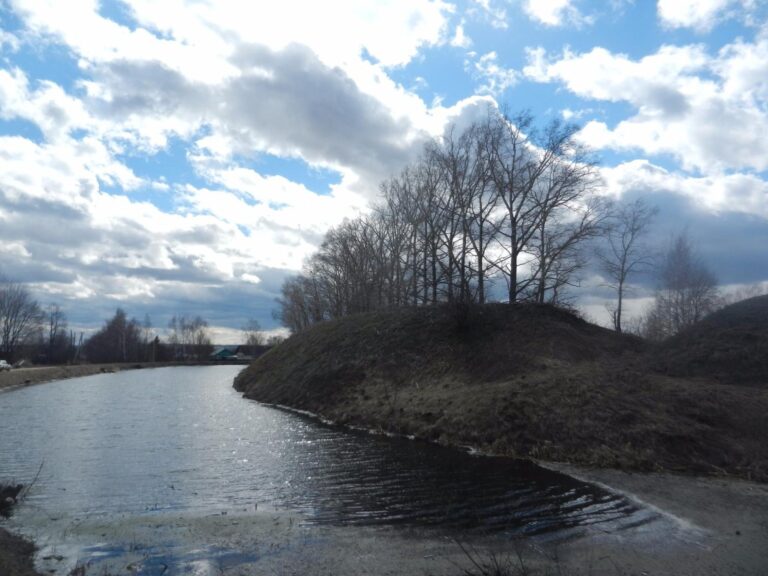
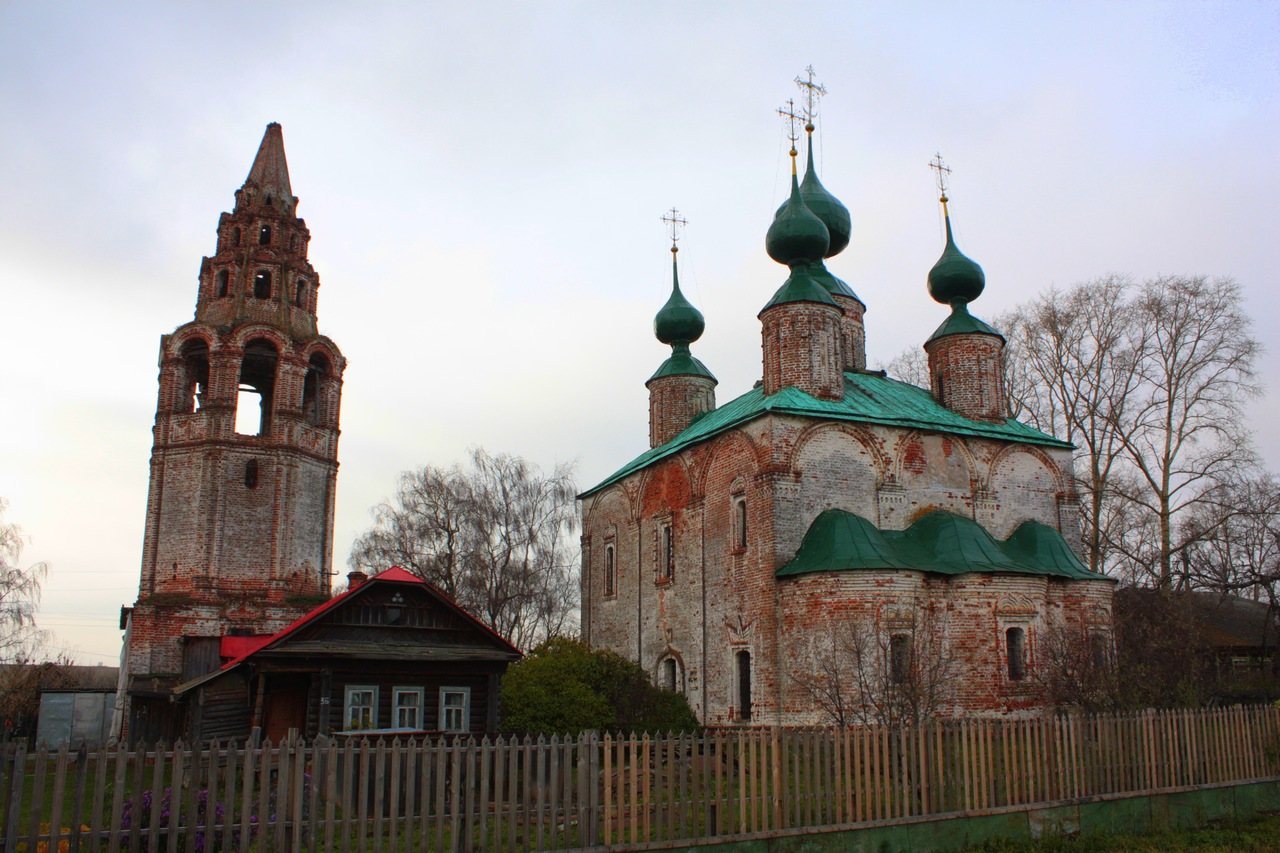
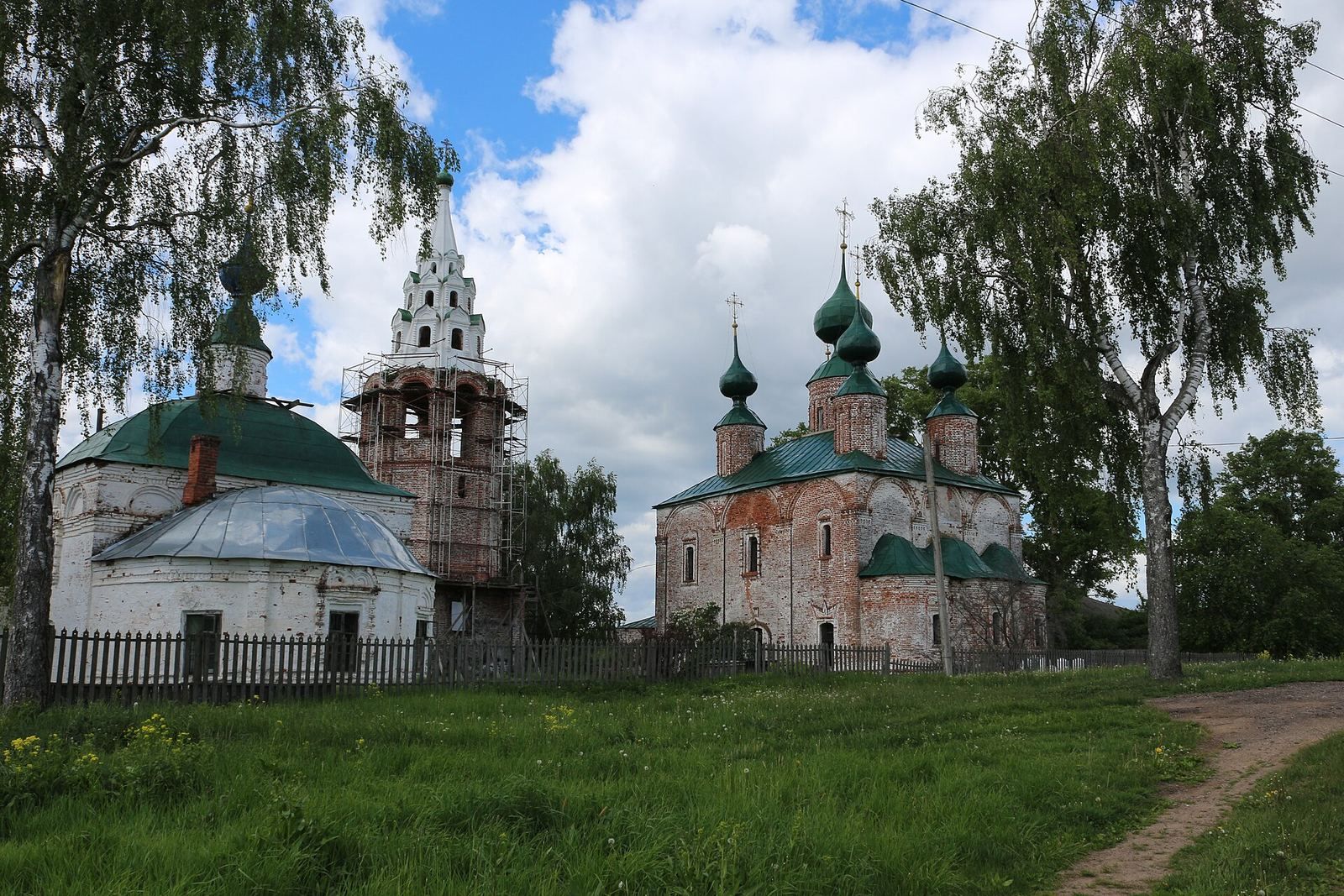
The surviving complex includes two churches and a bell tower on the bank of the Kuksa River. Its name refers to its principal cathedral, originally wooden, and the river.
Churches and bell tower
Transfiguration Cathedral
Built in 1673, the Transfiguration Cathedral remains in use as a functioning church.
Church of the Entry of the Most Holy Theotokos into the Temple
This church also survives. Theotokos is an Orthodox title for Mary as the mother of Jesus; the church’s construction date is unknown.
Bell tower
The bell tower remains, though it is no longer in use. Its construction date is unknown.
Monastery enclosure
The monastery enclosure was built of brick and dismantled in the 1940s.