Church of the Dormition of the Theotokos in Putinki: An Orthodox Church in Moscow
Site at a Glance
- Popularity
- Medium
- Country
- Russia
- Primary era
- Early Modern
- Eras represented
- Early Modern, Modern
- Civilizations
- Russian
- Site type
- Religious
- Remains
- Church
On this page8 sections
History
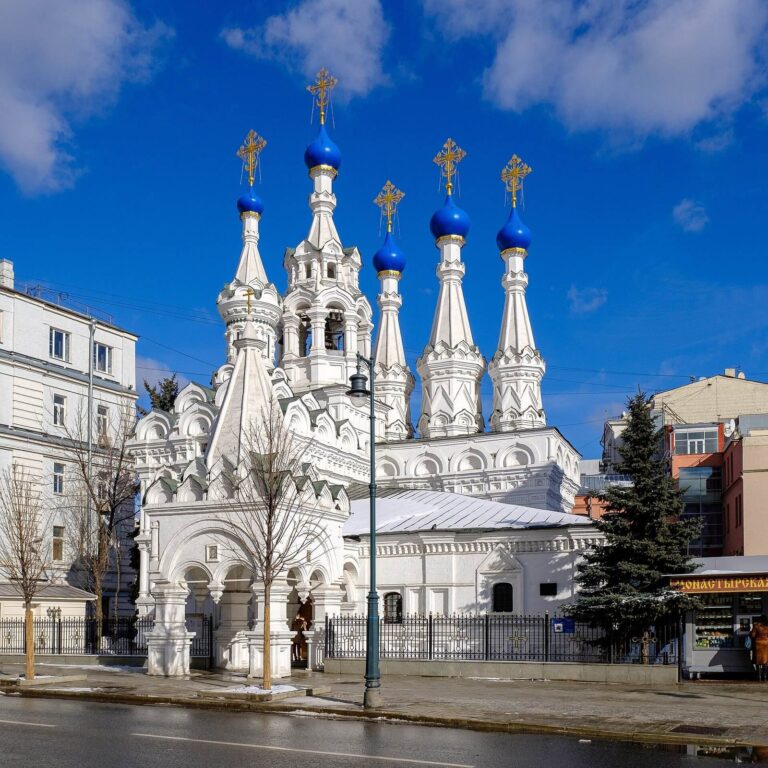
The Church of the Dormition of the Theotokos in Putinki is an Orthodox church in Moscow, Russia. Its dedications are the Dormition, the Orthodox commemoration of the death of Mary, whom Orthodox Christians call the Theotokos, or Mother of God, and Saint Sergius of Radonezh, a fourteenth-century Russian Orthodox monk and spiritual leader.
Origins and construction
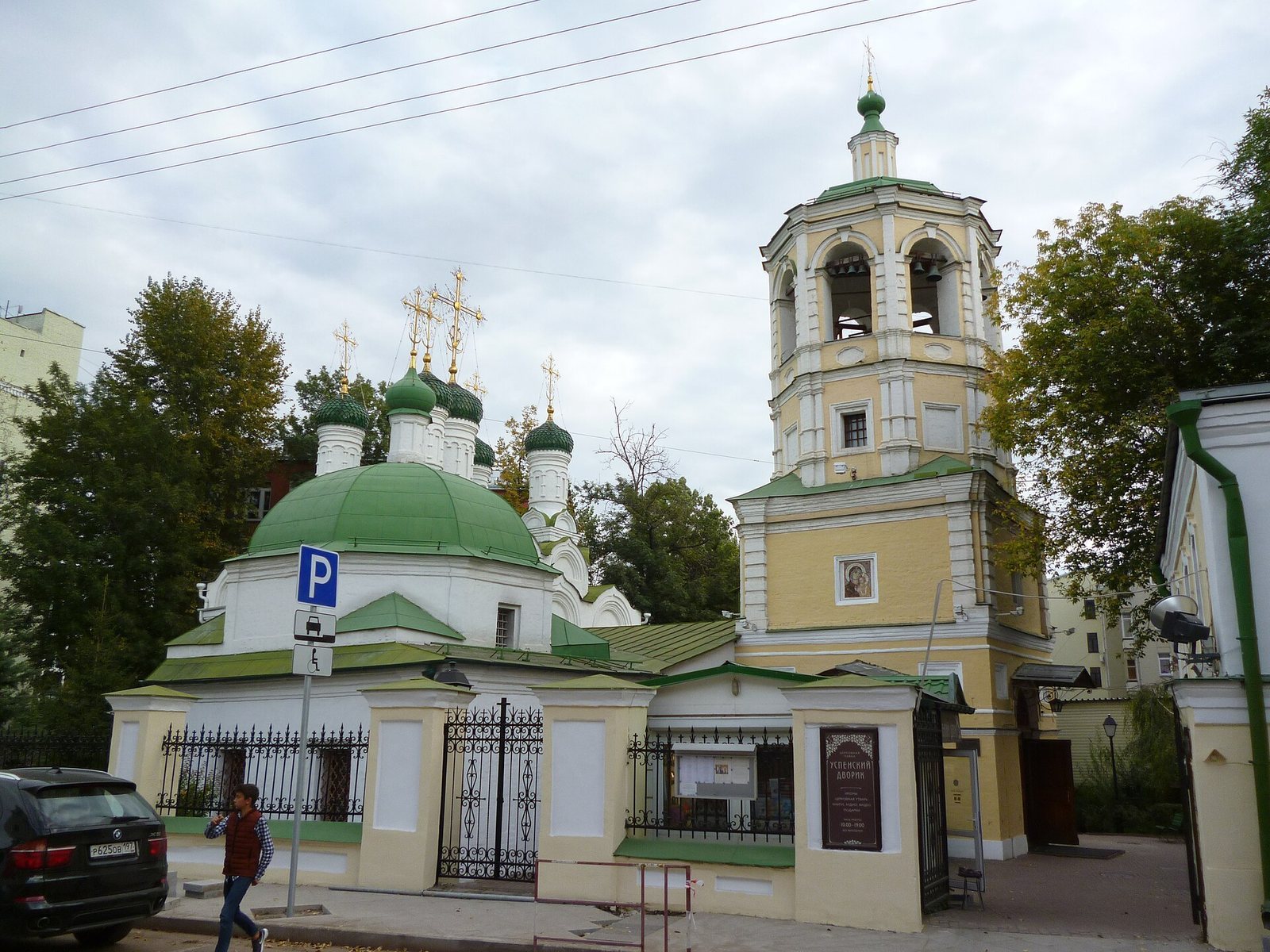
A wooden church associated with the site dates to the sixteenth century. The stone church was built in the 1670s, probably reaching completion in 1676, with its adjoining refectory, or hall, constructed at the same time. A chapel dedicated to Saint Nicholas, an early Christian bishop venerated as a saint, was added in 1690. The bell tower followed in the second half of the eighteenth century.
Closure and return to worship
The church closed on 23 April 1922. It was subsequently used for housing, then for sewing production, and in 1990 for manufacturing medicines. Gleb Afanasyev became its first rector in 1991. Seriously ill, he sought Patriarch Alexy II’s blessing to restore a ruined Moscow church. Alexy, head of the Russian Orthodox Church, appointed Afanasyev rector of the reopened church, and Afanasyev led its restoration before his death. Worship resumed in 1992.
The church remains an active place of worship and is a federal-level cultural heritage site of the Russian Federation. It belongs to the Iveron Deanery, an administrative grouping within the Moscow Diocese of the Russian Orthodox Church.
Remains
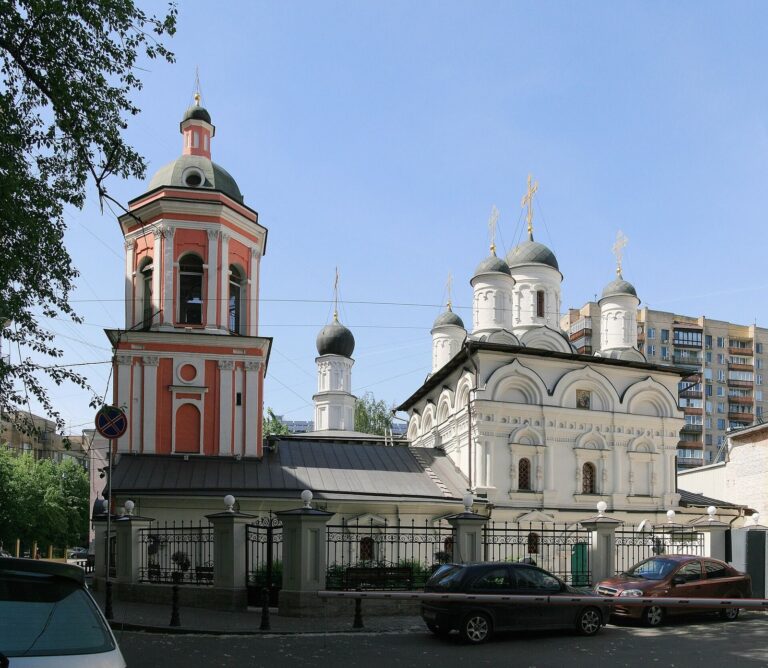
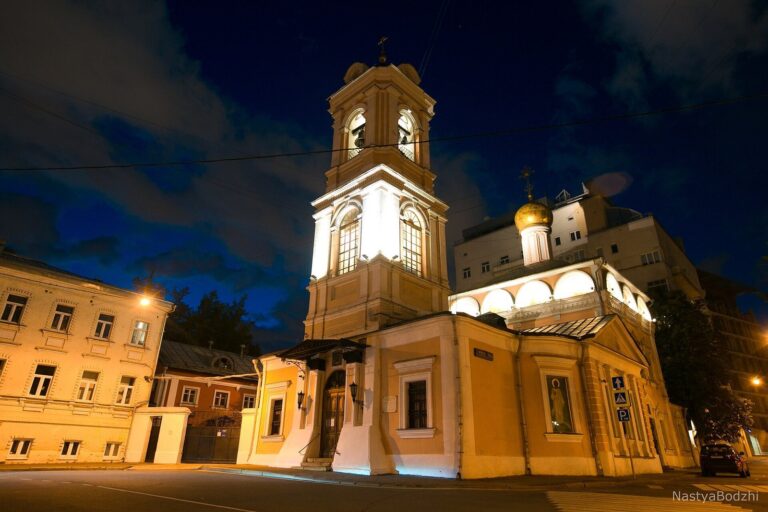
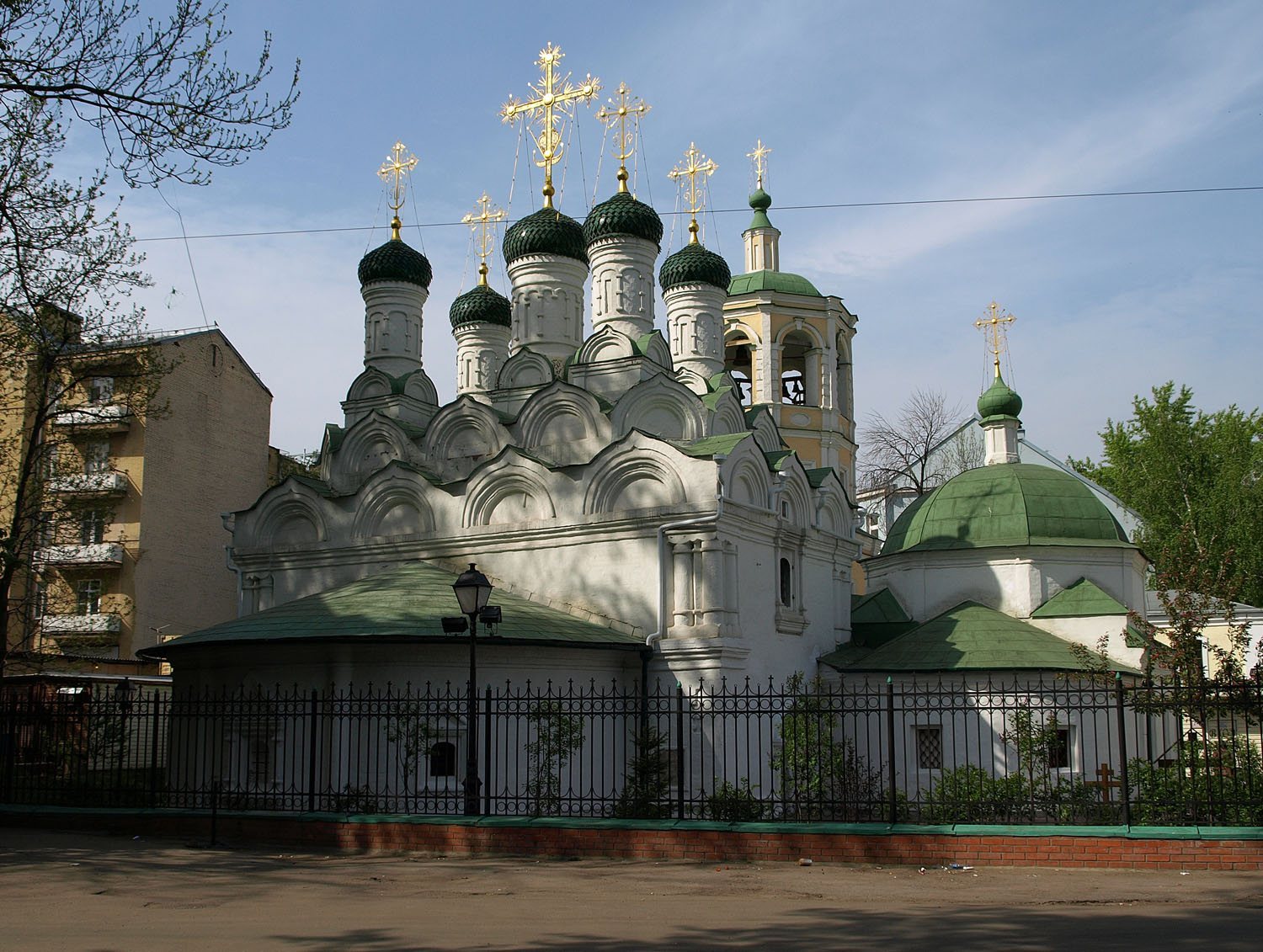
The complex brings together the stone church, an adjoining refectory, a chapel dedicated to Saint Nicholas, and a bell tower. The church is in the Russian ornamental style, a richly decorative form associated especially with seventeenth-century Russia. The tower has Baroque design, an elaborate architectural style that developed in Europe during the seventeenth century.
Church buildings
Main church
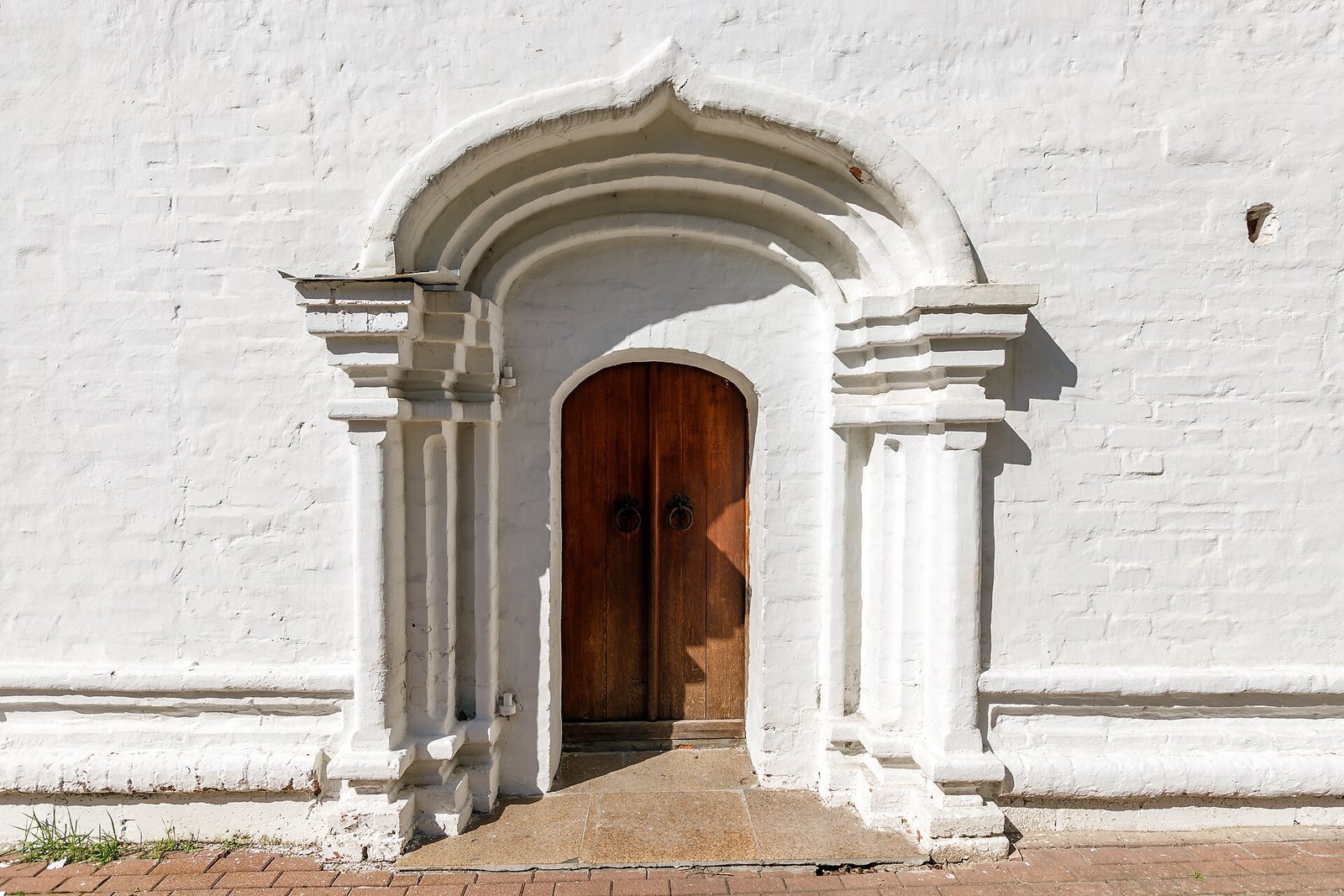
Alterations after the church’s closure removed its cupolas, or domed roof structures, and its projecting altar ends. New doors and windows were cut into the building. Crosses were placed on the cupolas on the fortieth day after Afanasyev’s death.
Refectory and Saint Nicholas chapel
The refectory adjoins the church. The chapel dedicated to Saint Nicholas is another part of the complex.
Bell tower
The Baroque bell tower was built in the second half of the eighteenth century. Its upper part was removed during alterations made after the church closed.