Saint John the Baptist Church in Proszowa: A Roman Catholic Subsidiary Church
Site at a Glance
- Popularity
- Very Low
- Country
- Poland
- Primary era
- Early Modern
- Eras represented
- Medieval, Early Modern
- Civilizations
- Holy Roman Empire, Kingdom of Bohemia
- Site type
- Religious
- Remains
- Church
On this page6 sections
History
Construction and reactivation
Saint John the Baptist Church in Proszowa is a Roman Catholic subsidiary church in Poland, affiliated with the Parish of the Most Holy Name of the Blessed Virgin Mary in Grudza. Its dedication is the Nativity of Saint John the Baptist, commemorating the birth of the biblical prophet who baptized Jesus. Built at the turn of the fifteenth and sixteenth centuries, it was originally late Gothic. After serving as an Evangelical, or Protestant, church, it was reactivated on February 25, 1654.
Alterations and protection
The church was remodeled in the eighteenth century and received Baroque furnishings, giving the building a more Baroque character. It was remodeled again in 1880, and repairs followed in 1985–1986. These successive works left the church without its original Gothic features. On May 8, 1981, the church and its adjoining cemetery were entered in the Lower Silesian Voivodeship’s register of immovable monuments. The church is described as Proszowa’s oldest and one of its most valuable historic monuments.
Remains
Plan and exterior
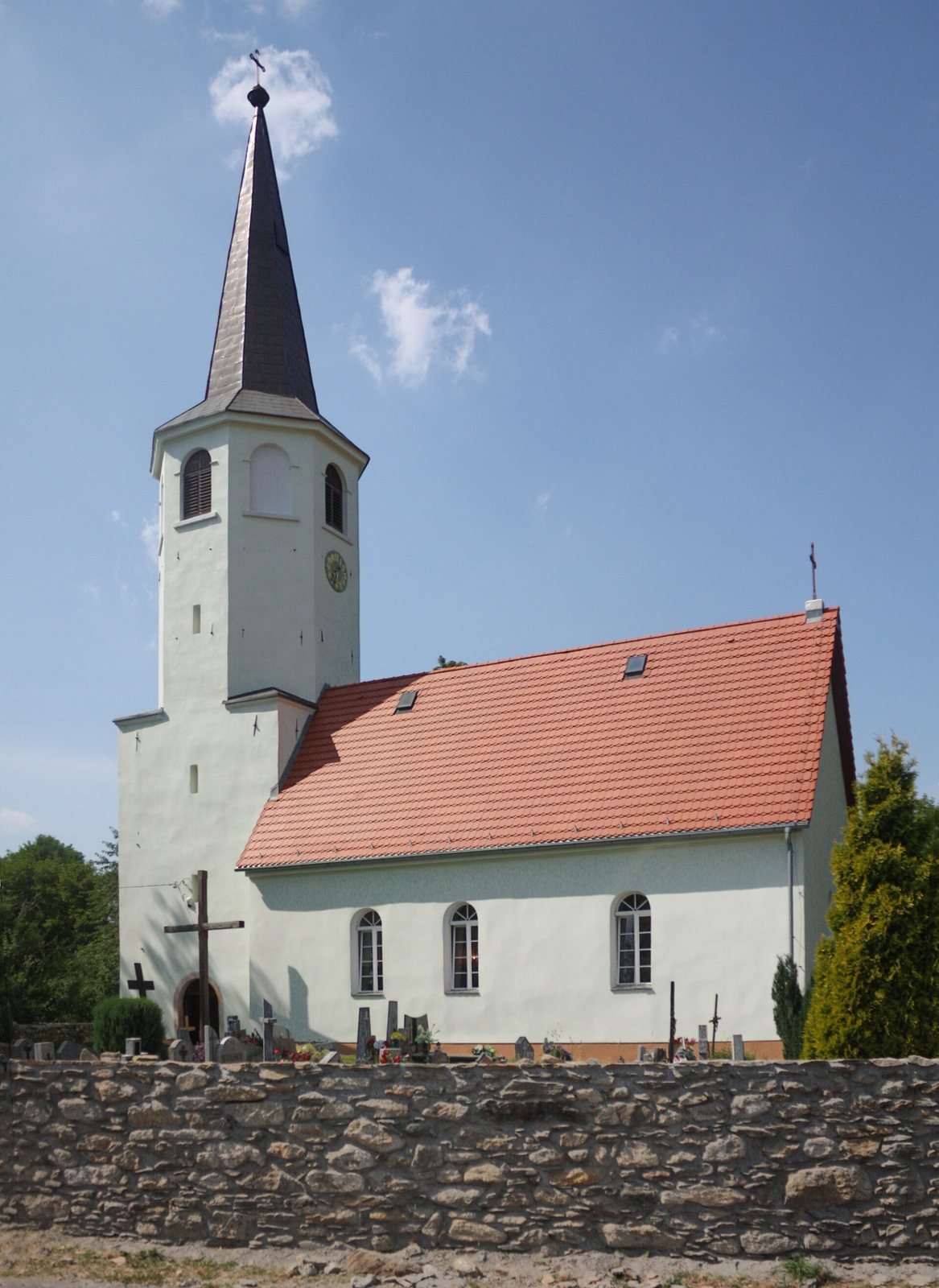
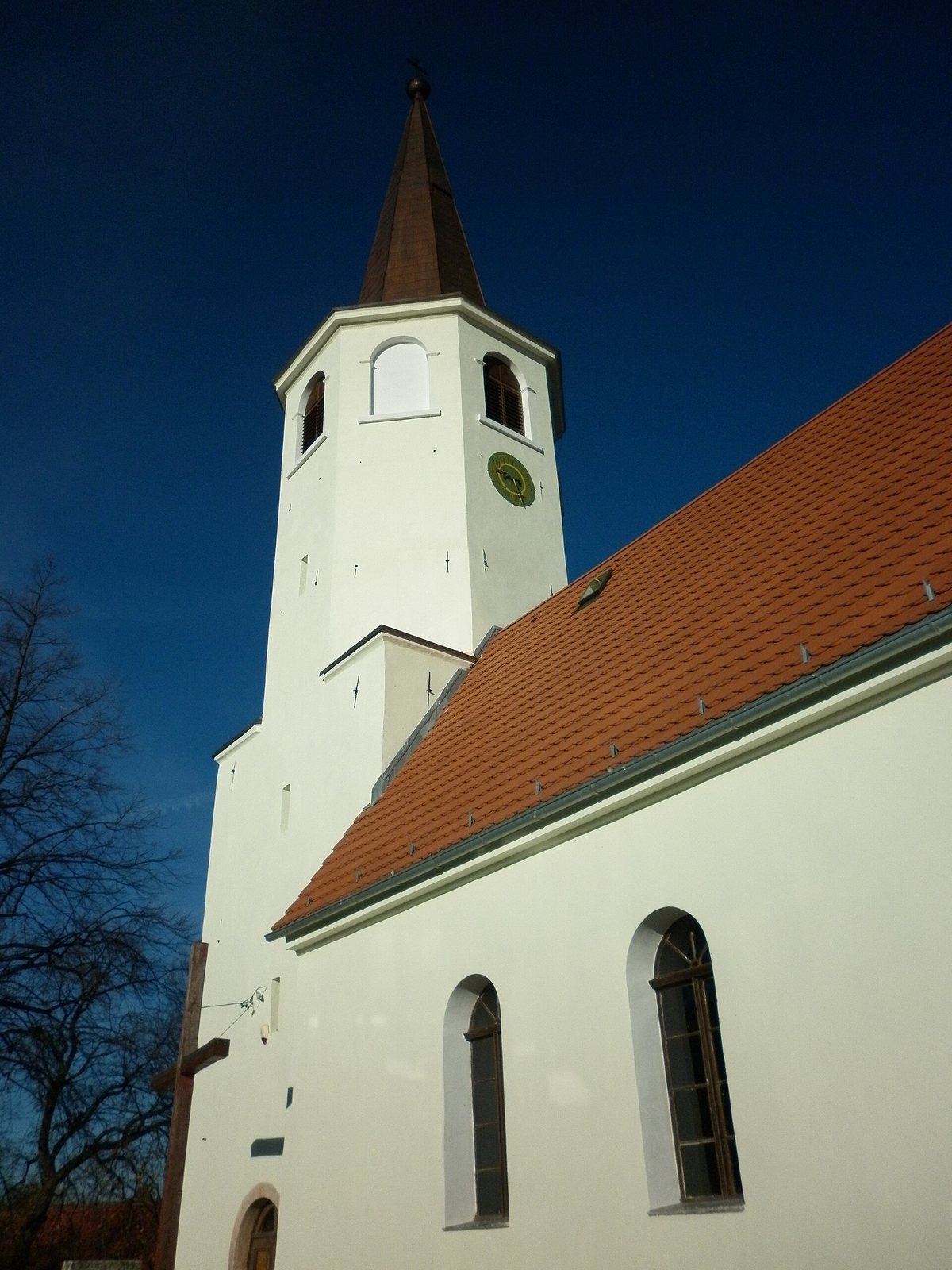
Built of split stone, the church follows a rural design widespread in Lower Silesia. Its single nave, the main worship space, opens onto an undivided, square-plan chancel, the sanctuary area. An eight-sided tower stands at the west end, slightly off the building’s central axis; a sacristy, a room for clergy and church furnishings, and a chapel are on the north side. Gable roofs cover the building. Its exterior details include a portal, wooden doorwork, pilasters, shallow column-like wall projections, and windows with semicircular heads.
Interior and adjoining cemetery
A barrel-vaulted ceiling, shaped like a continuous tunnel, covers the interior. The altar, pulpit, and baptismal font date from the eighteenth century. A cemetery adjoins the church.