Our Lady of Sorrows Church in Gdynia: From Evangelical Parish to Catholic Parish Church
Site at a Glance
- Popularity
- Medium
- Country
- Poland
- Primary era
- Early Modern
- Eras represented
- Early Modern, Modern
- Civilizations
- Kingdom of Poland, Kingdom of Prussia, Polish–Lithuanian Commonwealth
- Site type
- Religious
- Remains
- Church
On this page10 sections
History
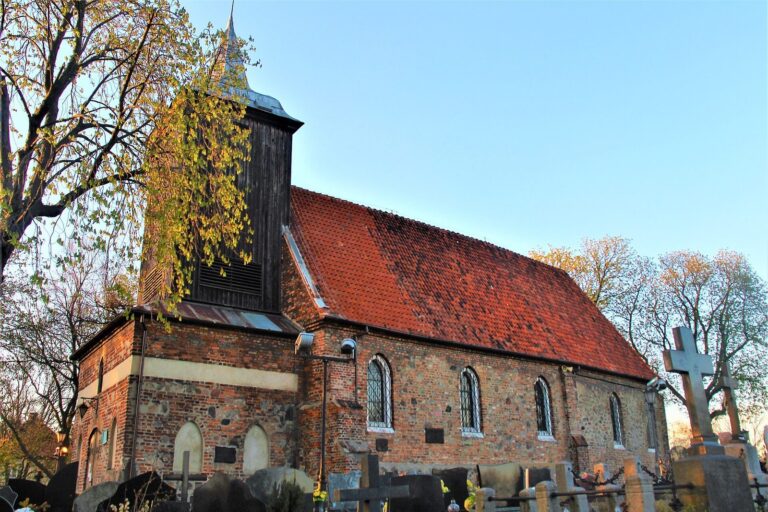
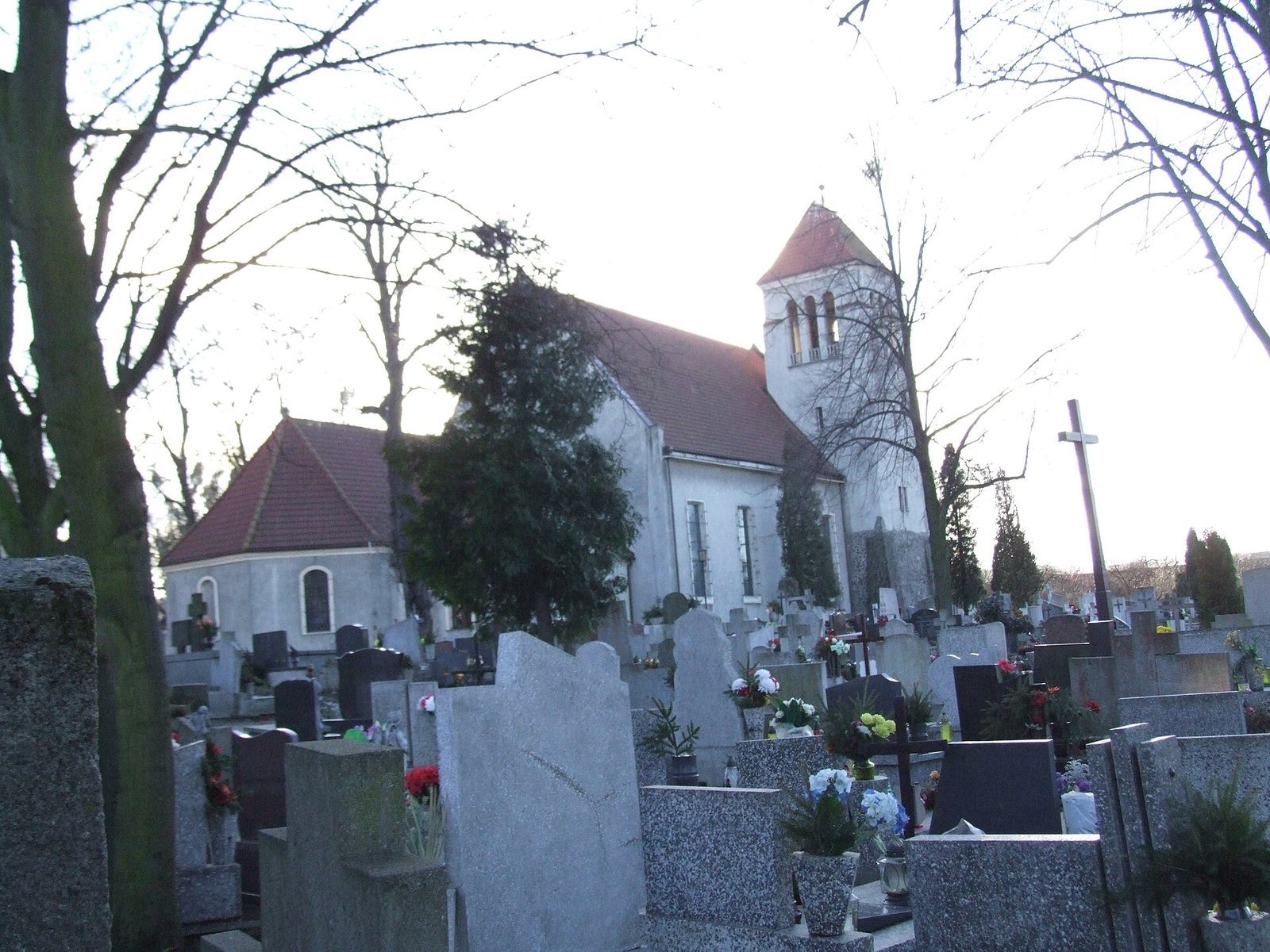
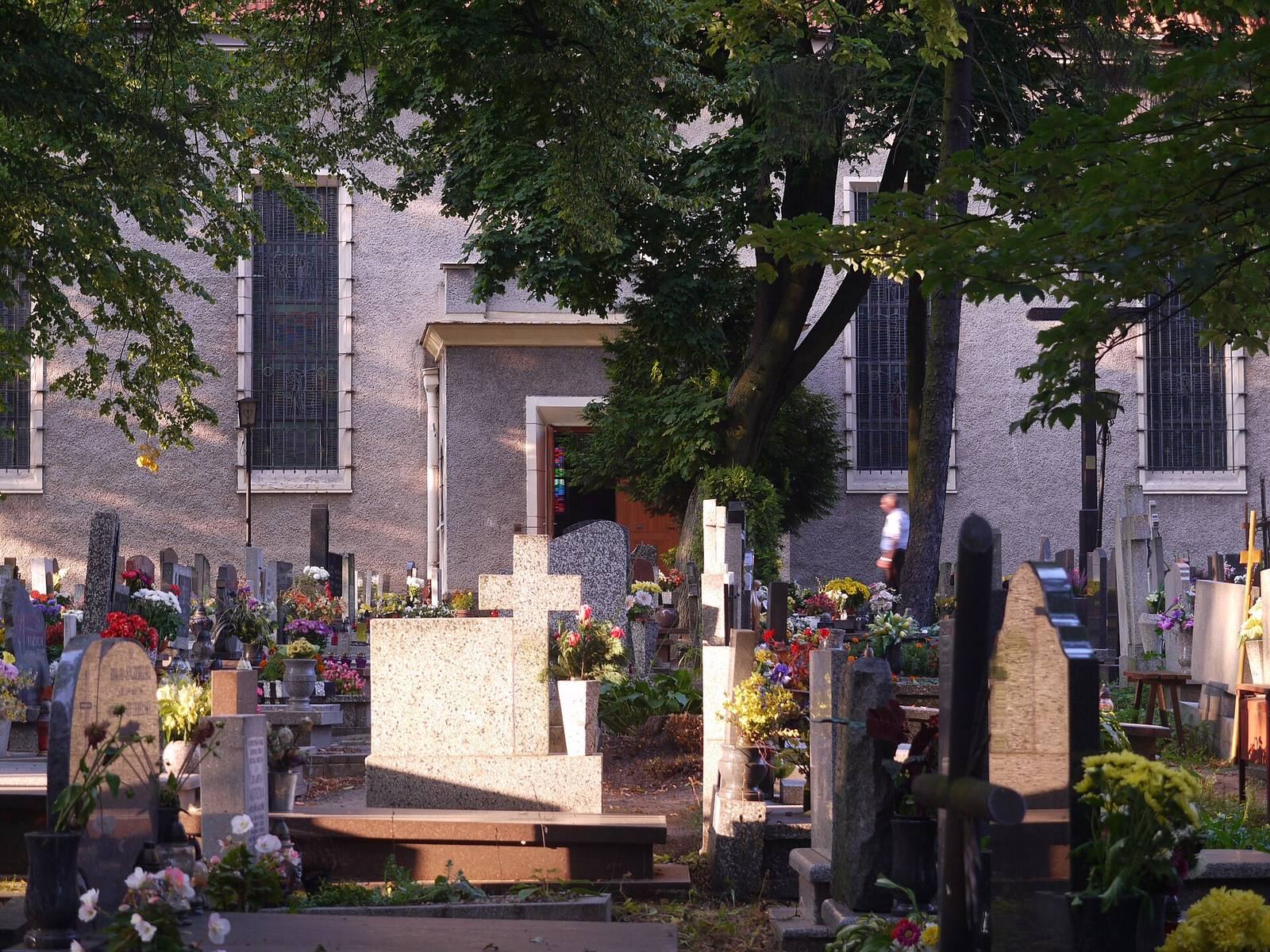
Our Lady of Sorrows Church, dedicated to Mary under a title emphasizing her sorrow and suffering, stands in Orłowo, Gdynia, Poland. Built between 1568 and 1572 for the local Evangelical parish, it became one of the oldest Protestant centers in the area of present-day Gdynia.
Parish life and early changes
The Gdańsk Rosenberg family, part of the city’s urban elite and lessees of the village, probably financed the church. Its congregation included people connected with a craft and industrial center along the Kacza River. The building was reconstructed in the eighteenth century. Around 1700, the parish had approximately 1,200–1,500 members. Services were held in German, and Polish may also have been used. People living beyond the settlement could be charged fees by local Catholic priests and, at times, required to have baptisms and marriages in Catholic churches.
Joachim Pensky, the first pastor known by name, served from 1619 to 1634. Later pastors came from places including Gdańsk, Grudziądz, Masuria, Lithuania, and East Prussia. Chrystian Hermann, from Kwidzyn, held the longest pastorate, serving from 1777 to 1827.
Union and nineteenth-century growth
From 1817, the parish belonged to the Prussian Evangelical Union, a Protestant body combining Lutheran and Reformed traditions. The congregation grew through the nineteenth century, serving the area of present-day Gdynia as well as expanding Sopot. A branch chapel opened in Sopot in 1871. Before the Sopot parish became independent in 1890, the congregation numbered 5,650. The parish also maintained cemeteries in Mały Kack and Sopot, and denominational schools in Mały Kack, Chylonia, Gdynia, and Sopot.
Twentieth-century changes
After Poland regained independence, the parish joined the Evangelical Union Church in 1920. Its authorities were based in Poznań, and the parish belonged to the Wejherowo superintendency, a regional Protestant district comparable to a diocese. From 1931, pastor Zenon Kuske held Polish-language services every two weeks. These services helped lead to the establishment of a separate Polish Evangelical-Augsburg congregation in Gdynia, following the Lutheran confession. During the 1930s, the parish had about 300–340 members and adopted the name Gdynia-Orłowo in 1937.
During the interwar years, the church was sometimes used for Swedish services. The local cemetery also received foreign Protestant sailors who died in Gdynia. During the defense of Gdynia in September 1939, the rectory burned. The parish registers, covering 1661–1943, and its chronicle were transferred to the Central Evangelical Archive in Berlin.
Catholics took over the church in 1945. It is now a Roman Catholic parish church within the Archdiocese of Gdańsk and the Gdynia-Orłowo deanery, an administrative grouping of parishes. Its liturgical feast falls on 15 September. The church entered Poland’s heritage register in 1981. In 2019, it became the seat of the deanery, and its parish priest also took the role of dean.
Remains
Building and layout
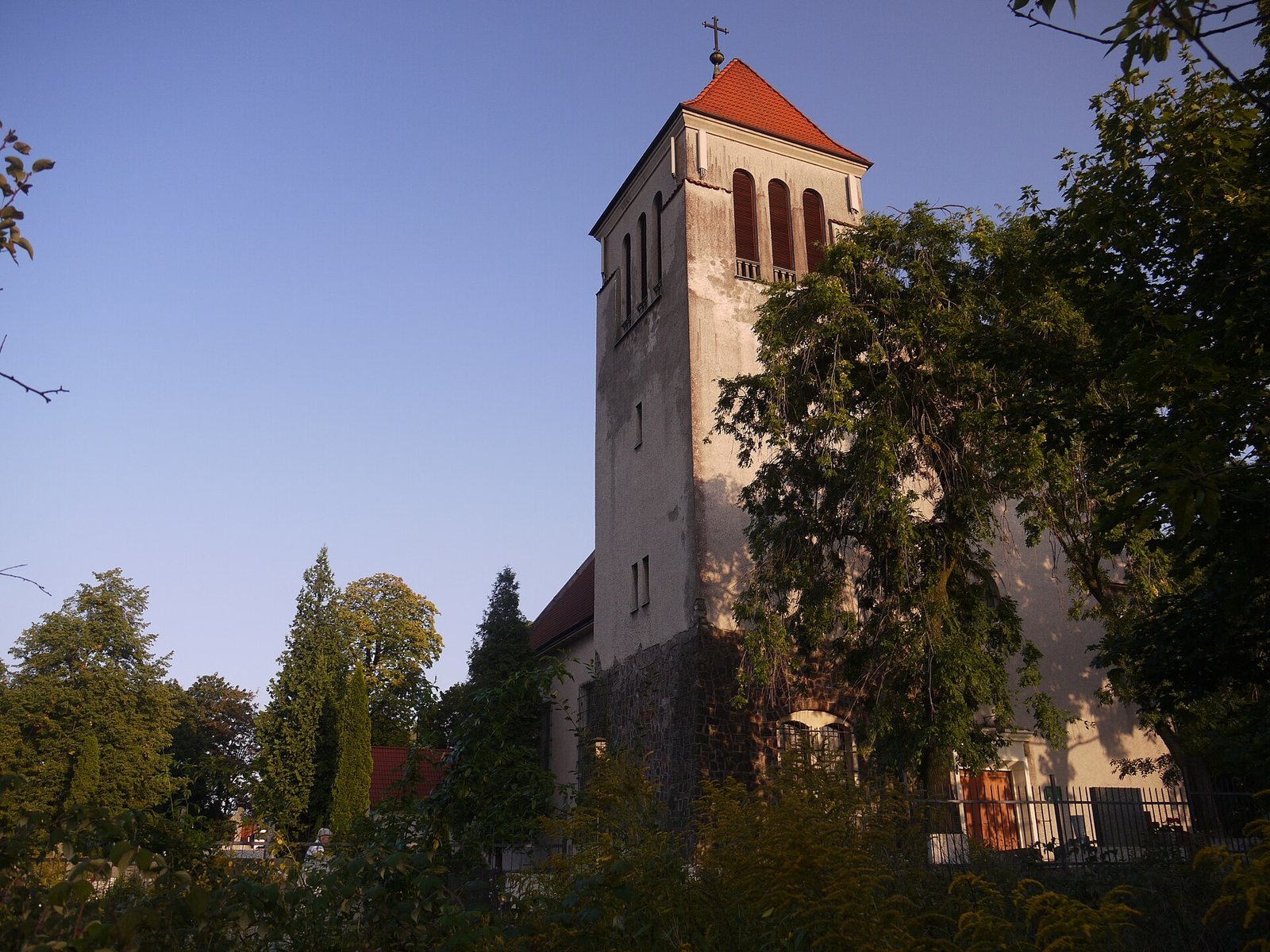
The church began as a small, single-nave fieldstone building. Its chancel, the area around the altar, was closed on three sides. A nineteenth-century enlargement added a half-timbered nave, built with a timber frame and infill panels, as well as a tower with two bells and a new organ. Further enlargement took place in 1949, and a tower was added in 1955. The present church has three naves and one tower.
Interior furnishings
Pulpit
A carved pulpit from 1648 survives from the church’s earlier furnishings. It is painted in several colors and made in the Mannerist style, which developed after the High Renaissance.
Altars
The church has three altars. Its earlier arrangement comprised two wooden side altars and a wooden main altar. A marble altar replaced the original main altar, which is now kept in the chapel beneath the tower.
Organ and bells
The church has an organ with 16 stops, which control groups of pipes, and two manuals, the keyboards played by the organist. The tower contains three bells: two cast in Węgrów in 1987 and one cast in Taciszów in 2008. The chapel beneath the tower also holds a bell named Isaiah, dating from the church’s Evangelical period.