Traostalos: A Minoan Peak Sanctuary in Crete
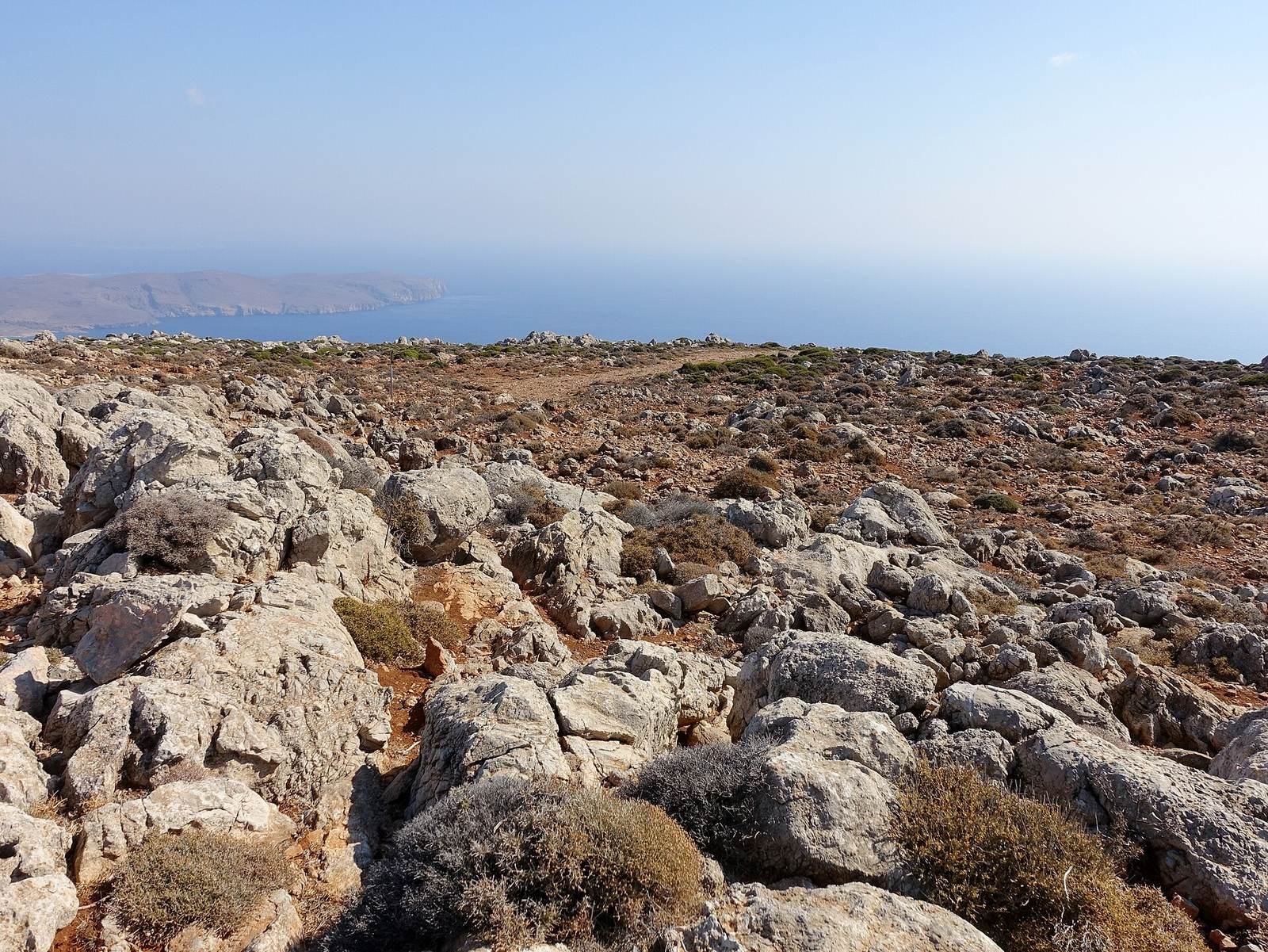
Site at a Glance
- Popularity
- Low
- Country
- Greece
- Primary era
- Bronze Age
- Eras represented
- Bronze Age
- Civilizations
- Minoan
- Site type
- Religious
- Remains
- Sanctuary
On this page7 sections
History
Traostalos is a Minoan peak sanctuary in eastern Crete, Greece, a high-elevation place of worship built by Crete’s Bronze Age Minoan civilization. Its main period of use was Middle Minoan I–III, approximately 1800–1500 BCE, and activity may have continued into Late Minoan I. These are successive phases of Minoan history. The plateau and its eastern slope were used for the ritual dedication of votive offerings, objects given in a religious setting.
Emmanuel Phygetakis discovered the sanctuary. A test excavation followed in 1962, with further excavations led by Paul Faure in 1963–1964 and Costis Davaras in 1978. After illegal digging, Stella Chryssoulaki directed a rescue excavation from April to October 1995. Finds from the site span the Neolithic through the post-Minoan period, though this broad range does not establish a continuous history of sanctuary use.
Remains
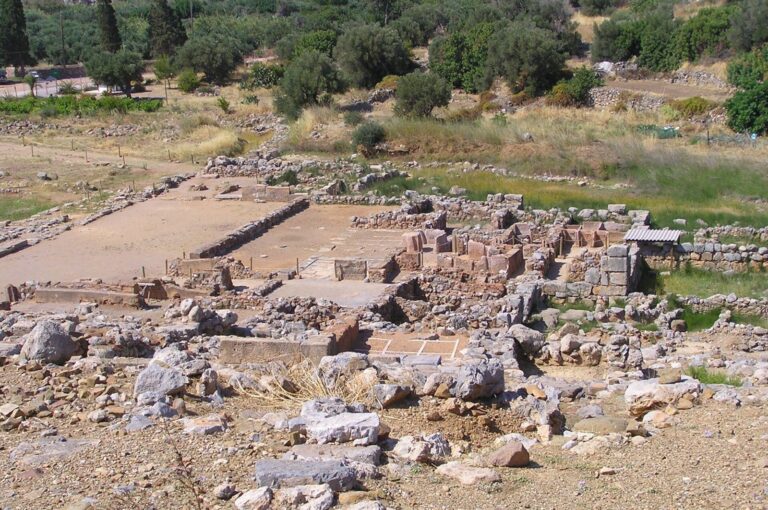
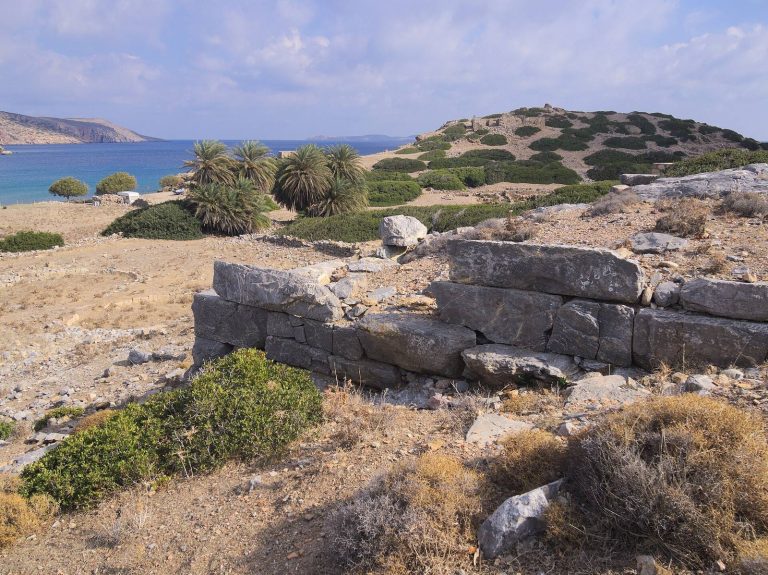
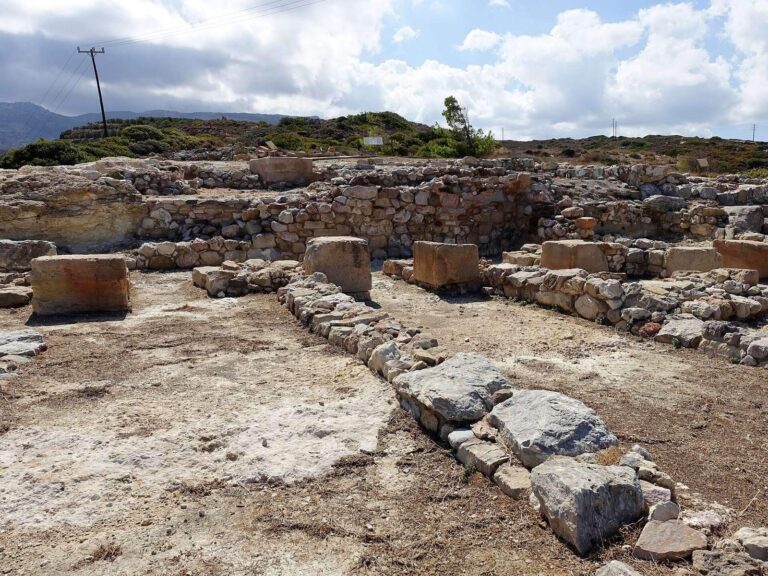
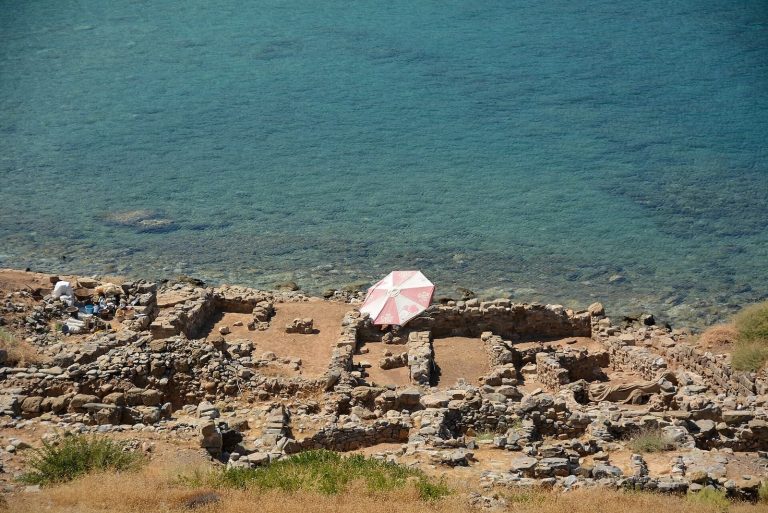
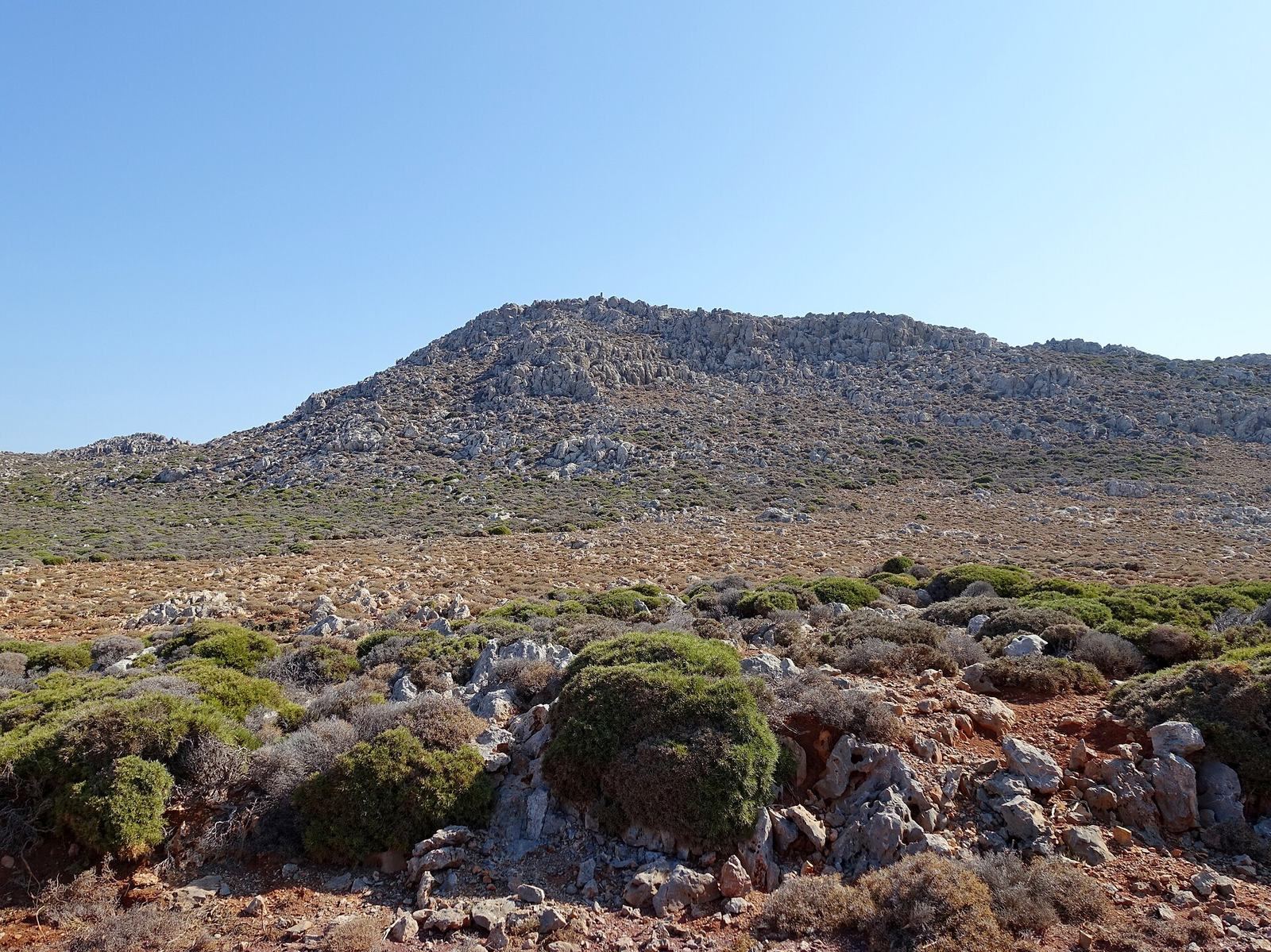
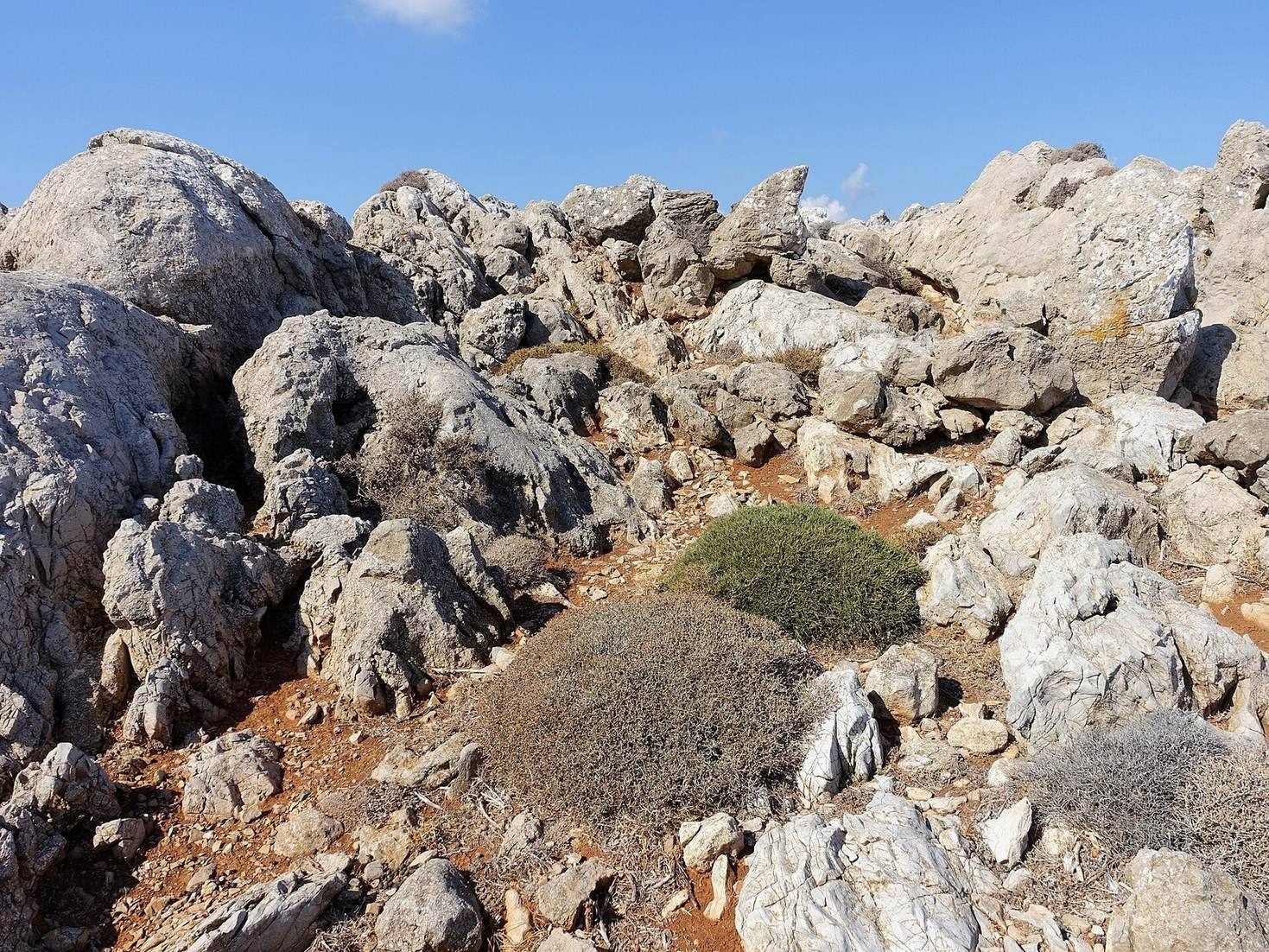
The sanctuary occupied a rectangular, terrace-like plateau measuring 20 by 12 metres, at 495 metres above sea level and just below Traostalos’s 515.4-metre summit. The western edge drops steeply, while a gentler slope on the east provides access. A two-room sanctuary stood at the plateau’s northern corner, and a Z-shaped wall marking the sacred precinct extended northward to protect that side. The structures are poorly preserved. Their remains date to the Neopalatial period, a later Minoan phase associated with palatial architecture. Material from Late Minoan I lay above Middle Minoan I–III material; the two-room building may belong to the later layer. Traostalos is 1.2 kilometres from Crete’s eastern coast, north of the palace at Zakros and south of Roussolakkos. The peak sanctuary of Petsophas is also nearby.
Ritual evidence
Fire deposits
Ash deposits lay at the plateau’s western and southern corners. Mixed with earth, they had an oily consistency and contained burnt animal bones and shells.
Offering tables and altars
Stone disks, 3–5 millimetres thick and 12–15 centimetres across, were interpreted by Stella Chryssoulaki as offering tables. Stone altars were also among the finds.
Figurines and animal images
Terracotta male and female figurines show standing and seated figures. Representations of body parts have been interpreted as evidence of a healing cult; one figure depicts a seated woman with a swollen left leg. Animal images include cattle, sheep, birds that may be doves, wild goats and rhinoceros beetles. Seven beetles are also listed among the finds.
Other offerings and inscriptions
Other objects include a clay model of a ship, rod-shaped pieces, miniature shoes, human and bronze figurines, bronze needles and seven small bands of gold sheet. The vessels include ones used to pour liquids in ritual, including a fish-shaped example. Inscriptions use Linear A, an undeciphered writing system used in Minoan Crete.