Vergiliano Park at Piedigrotta: A Memorial Park in Naples
Site at a Glance
- Popularity
- Very High
- Country
- Italy
- Primary era
- Classical
- Eras represented
- Classical, Medieval, Early Modern, Modern
- Civilizations
- Italian, Kingdom of Naples, Roman, Spanish
- Site type
- Civic
- Remains
- Park
On this page10 sections
History
Vergiliano Park at Piedigrotta is a small historic park in Naples, Italy, created to honor Virgil, the Roman poet best known for the Aeneid. Established around 1930 for celebrations marking the two-thousandth anniversary of his birth, the park also preserves a Roman-era structure traditionally identified as Virgil’s tomb.
From family estate to commemorative park
The land belonged to the noble d’Alessandro di Pescolanciano family from 1662 until sometime in the nineteenth century. The family maintained a residential villa and a rural retreat there. Later owners followed, and the Italian state acquired the property after Italy’s unification. In 1668, Spanish viceroy Pedro Antonio de Aragón, a royal governor, had two plaques installed in the park.
The area was restored in 1885 in connection with the opening of the Quattro Giornate gallery. The park itself was laid out around 1930, with its route designed by Enrico Cocchia, a Latin scholar and archaeologist. Restoration work led to its reopening in 1976.
Virgil’s memory and the Neapolitan Crypt
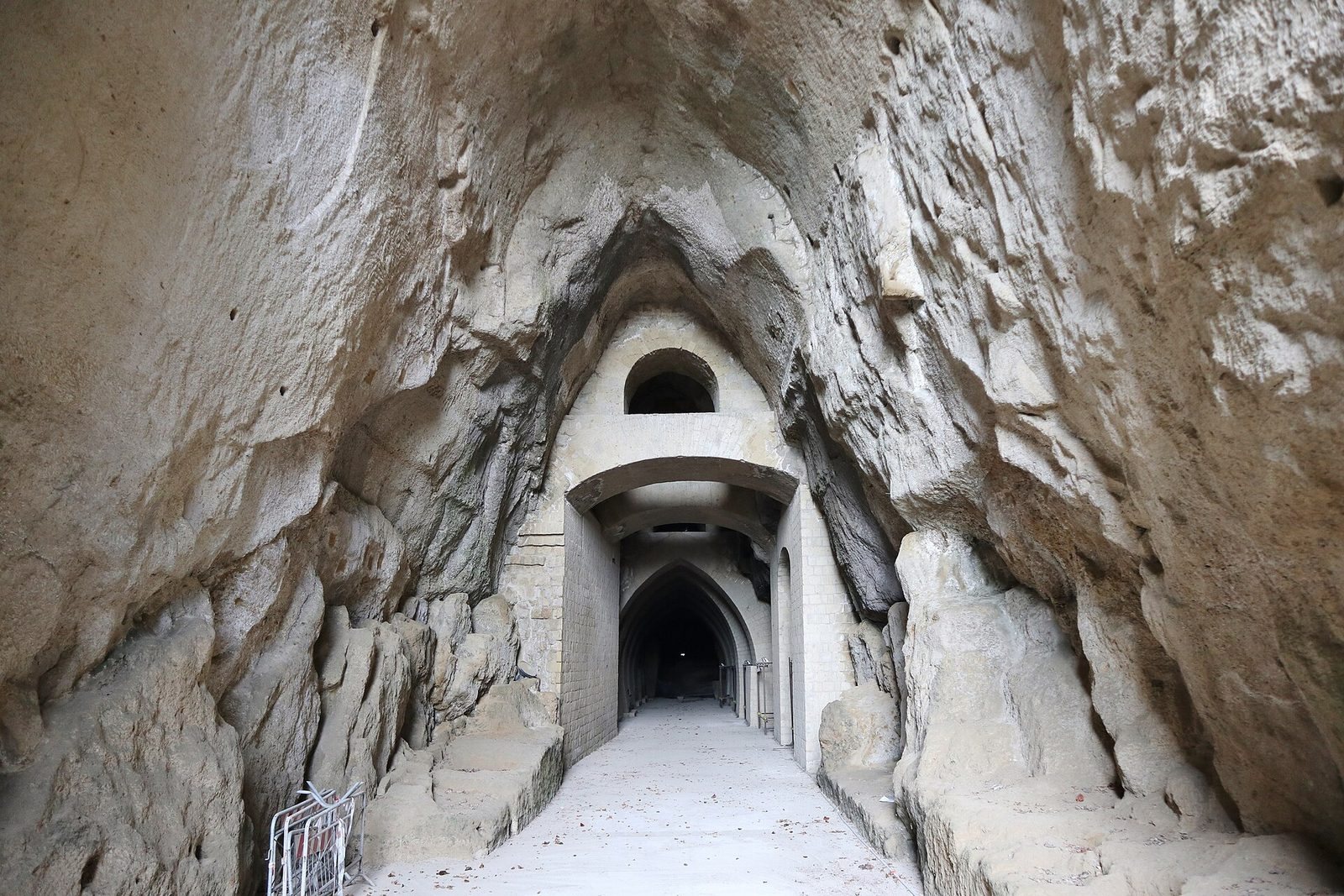
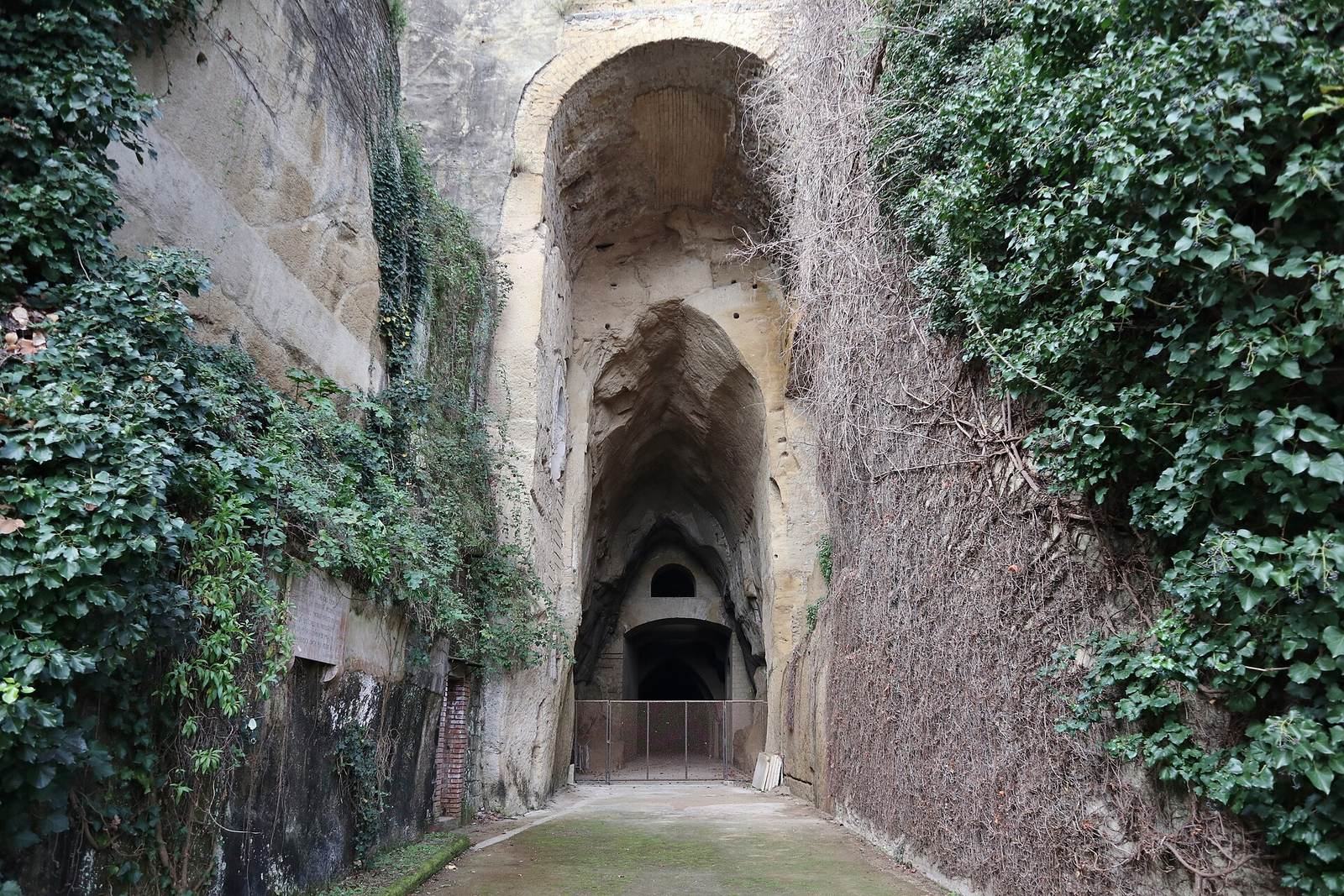
Local tradition associated Virgil, who was reputed to be a magician, with the creation of the Neapolitan Crypt. The Roman tunnel is more likely the work of the engineer Lucius Cocceius Auctus. Its planning has also been linked to Seianus, a Roman political and military figure. The tunnel shortened the Via Puteolana, the road between Pozzuoli and Naples.
In the fifteenth century, Alfonso V of Aragon widened the tunnel and lowered its floor to its present level. It was maintained and enlarged in later centuries, saw occasional use, and was superseded by two nearby modern road tunnels around 1900. A marble inscription placed in 1554 by canons of the nearby convent of Santa Maria di Piedigrotta reflects continuing debate over whether the Roman structure was truly Virgil’s tomb.
Leopardi’s tomb and heritage status
The Italian poet Giacomo Leopardi died in Naples in 1837 and was first buried at the old church of San Vitale Martire in Fuorigrotta. His tomb has stood in the park since 22 February 1939. A law approved in 1897 and sanctioned by King Umberto I declared Leopardi’s tomb a national monument. The park itself is also a national monument.
Remains
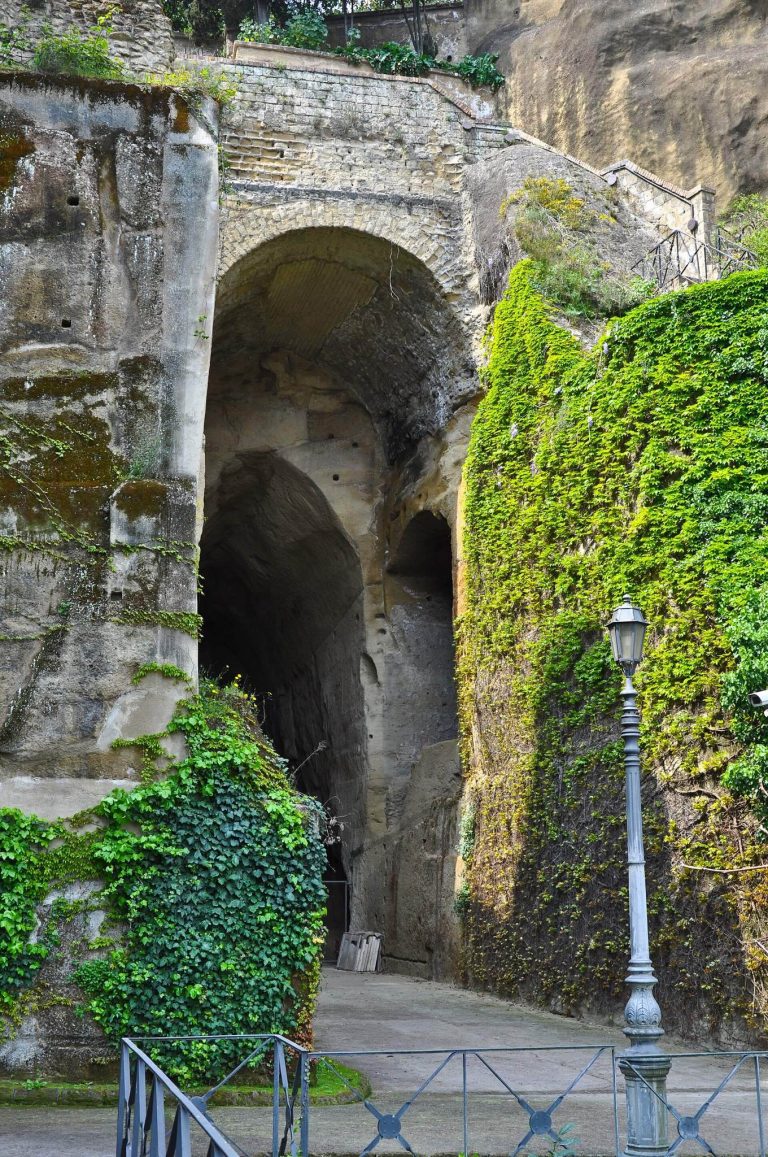
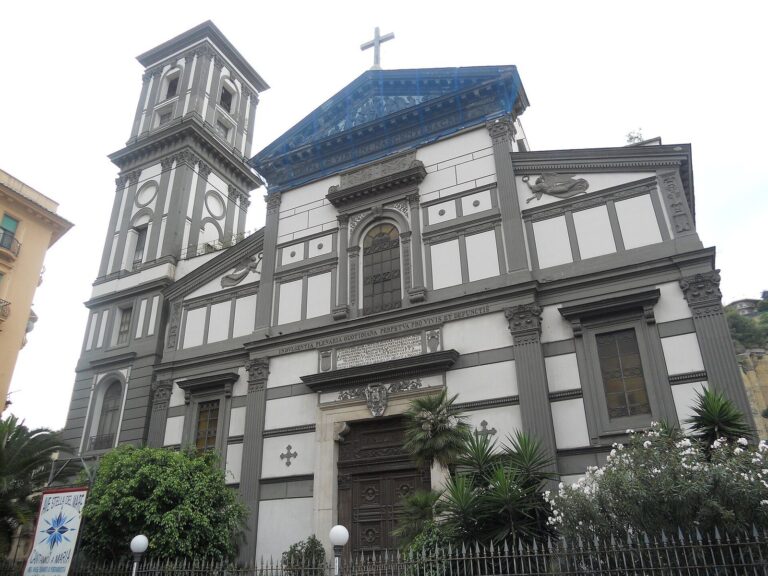
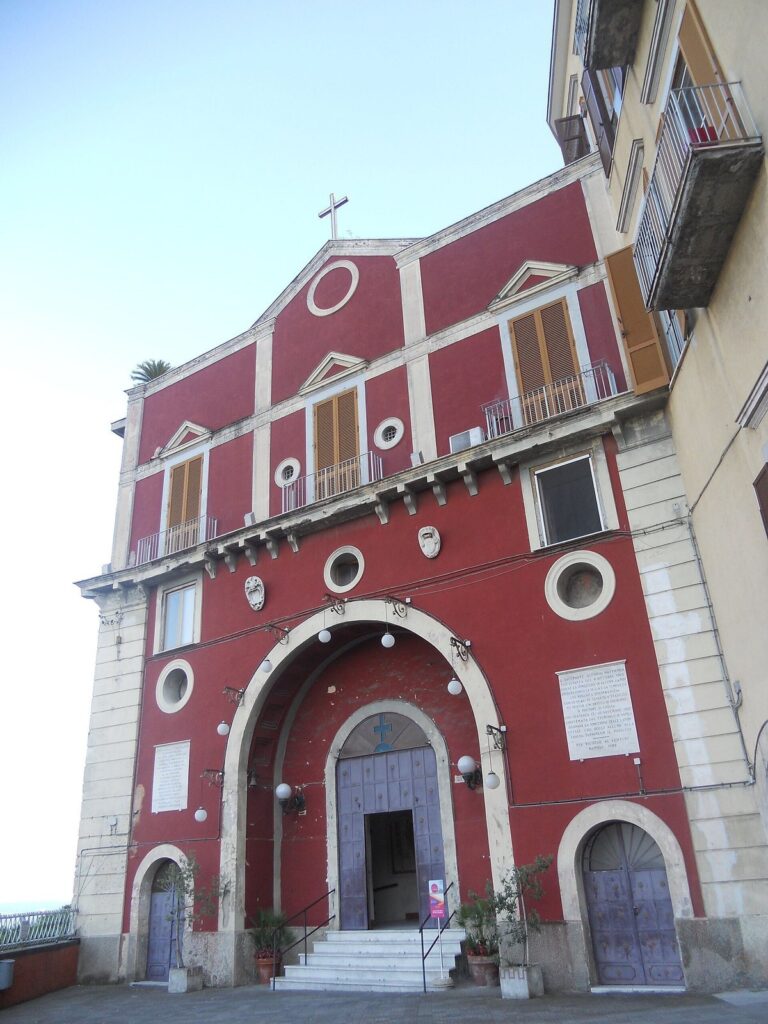
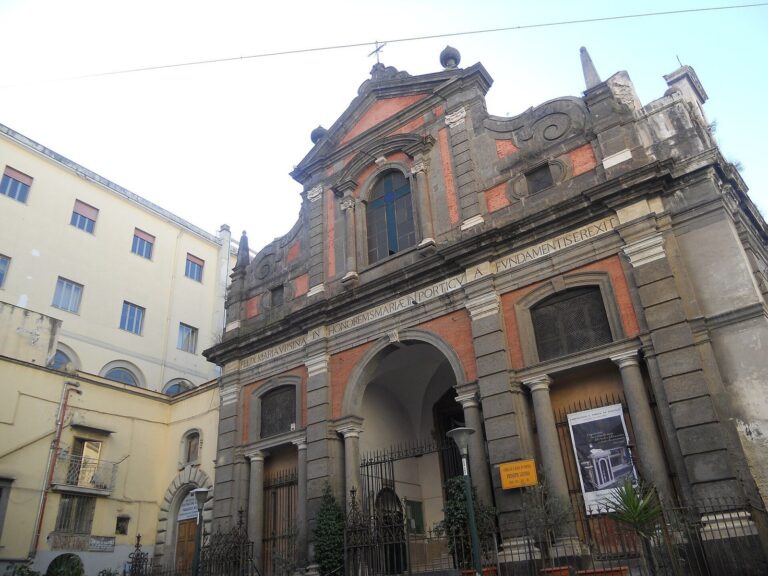
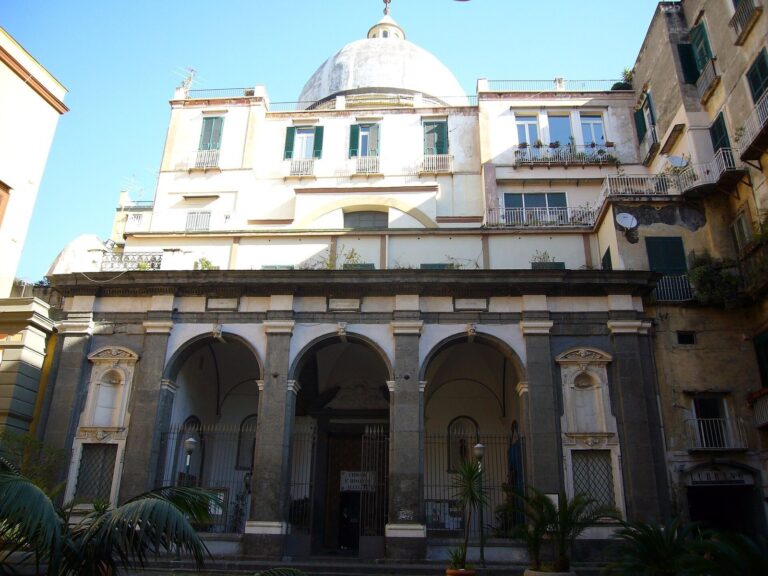
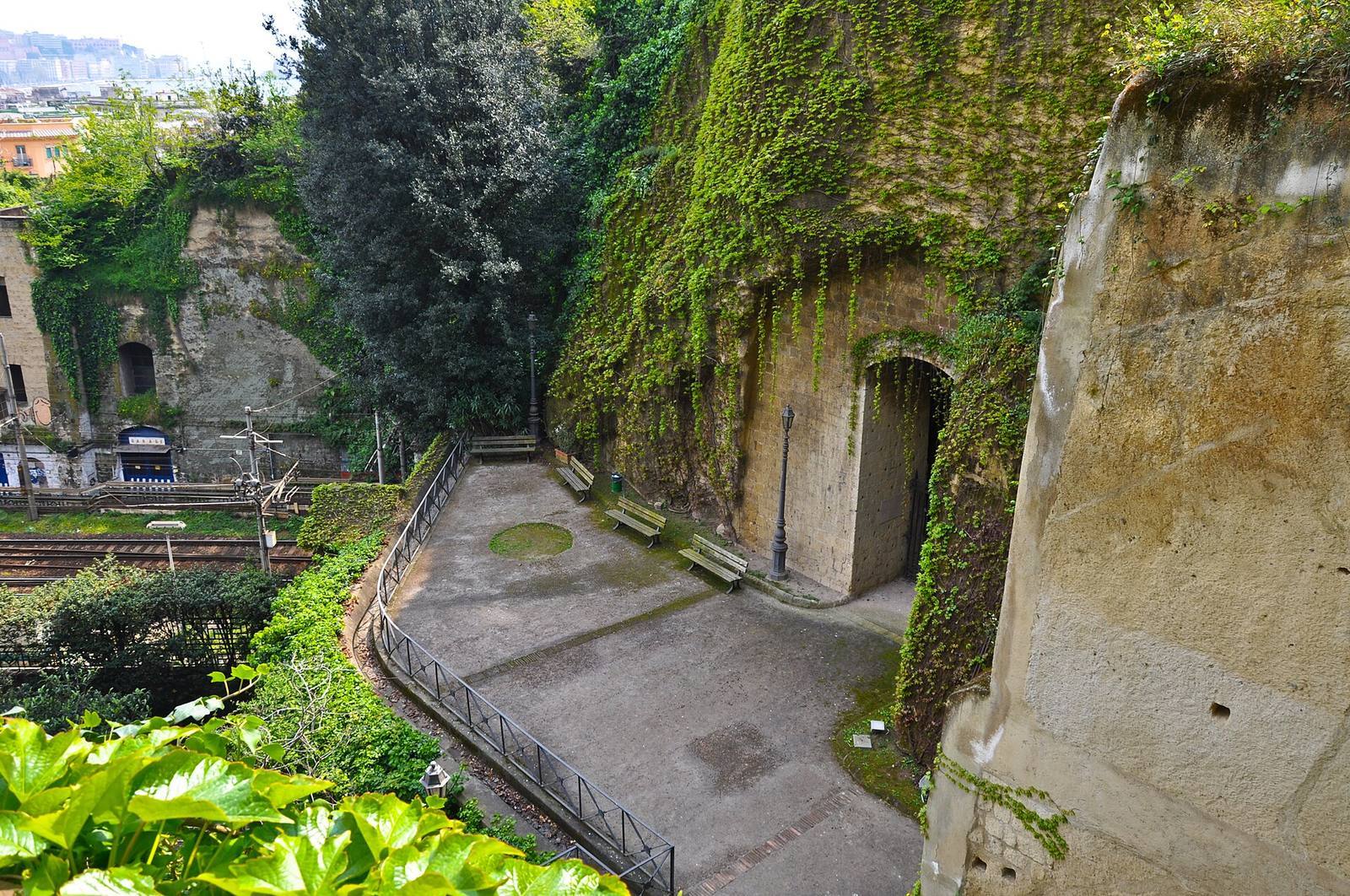
The small park occupies the eastern opening of the Neapolitan Crypt, behind the church of Santa Maria di Piedigrotta and opposite Mergellina railway station. Its rising path leads past commemorative features toward Leopardi’s tomb and the Roman monument traditionally called Virgil’s tomb. This park is distinct from Parco Virgiliano at Posillipo.
The park route and earlier remains
The park was planted with species described in Virgil’s works. Beside the ascending path stands a shrine made of piperno, a volcanic stone. Two plaques there list thermal springs in the Phlegraean area, the volcanic region west of Naples, from Fuorigrotta to Pozzuoli, along with the ailments each spring was believed to cure. A short flight of steps toward Virgil’s tomb passes a conduit from the Serino aqueduct, a Roman water-supply system associated with the reign of Augustus. Near the grotto, a niche preserves remnants of medieval frescoes from an earlier church, including a Madonna and Child and the Eternal Father.
Leopardi’s memorial
At the top of the ascent, Leopardi’s tomb is a large marble monument shaped like a tall altar on a broad, square base. It stands inside an artificial grotto cut into tuff, rock formed from volcanic ash, and bears the poet’s name. A nearby stone stele signed by Victor Emmanuel III attests to the Italian government’s recognition of the tomb’s authenticity. Another funerary monument, formerly in the entrance porch of San Vitale Martire, stands nearby, along with a plaque from the church that bears the legal sanction associated with Leopardi’s tomb’s national-monument status.
The Roman monument
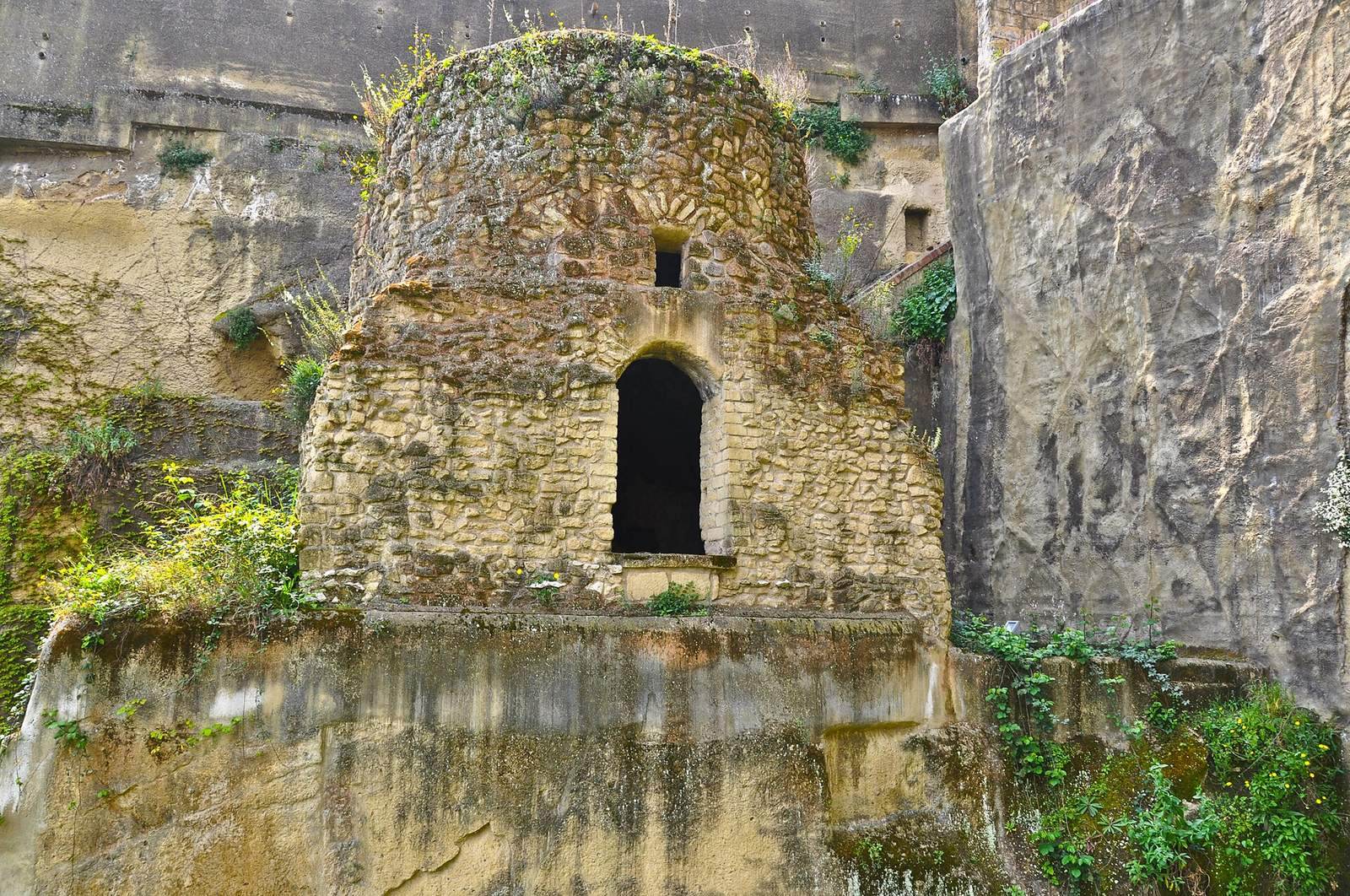
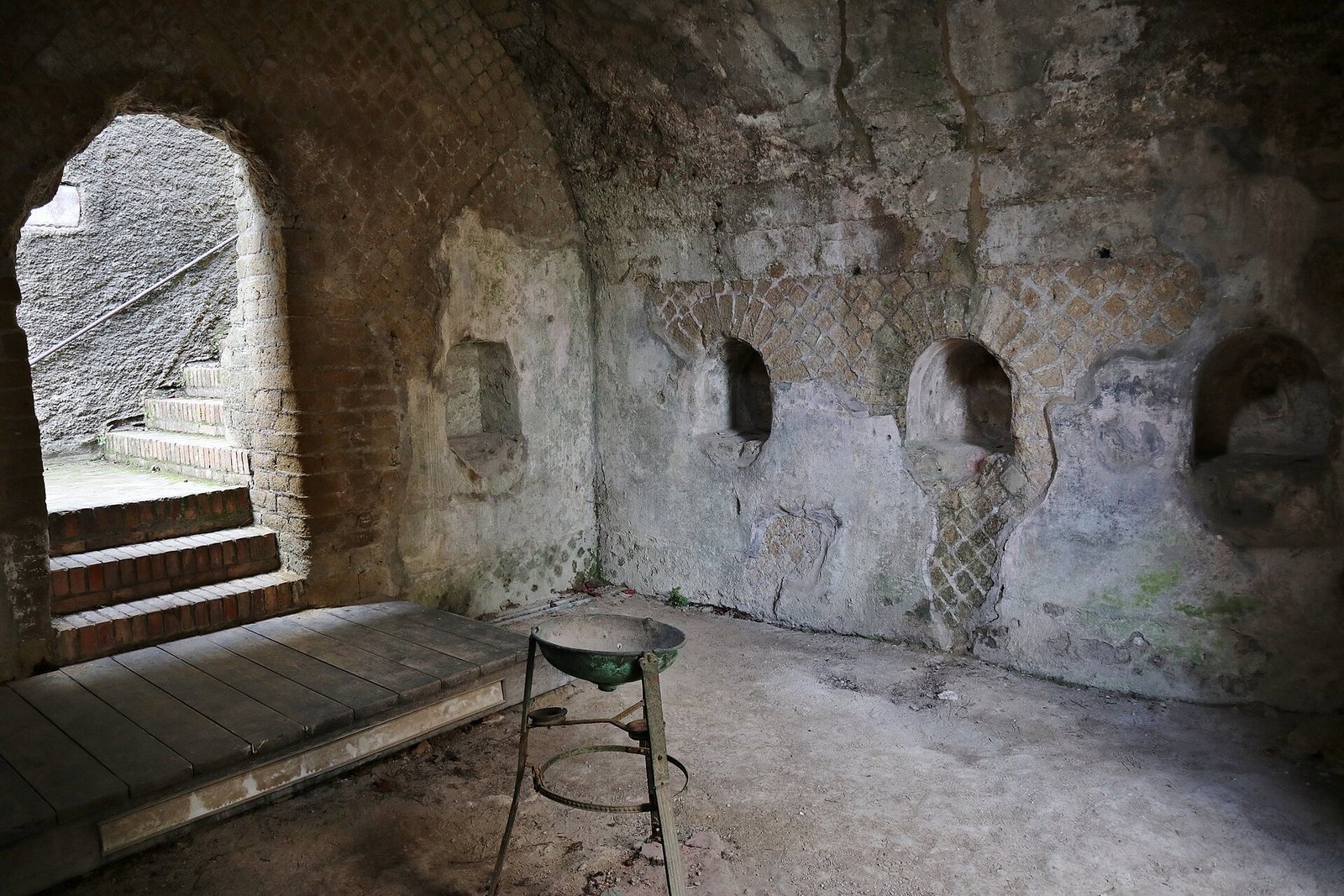
The structure traditionally identified as Virgil’s tomb is a columbarium, a burial structure with niches for cremation urns, probably dating to the first century BC. It may have belonged to an unidentified Roman family and is also described as Virgil’s cenotaph, a memorial tomb that does not contain the person’s remains. Roman concrete forms its core, faced with reticulate masonry, small blocks arranged in a net-like pattern. A cubic base supports a cylindrical upper section. Inside, the square burial chamber has a barrel vault, a ceiling shaped like a continuous half-cylinder, three openings for light, and ten small niches for urns. The monument now appears to stand above a steep drop because the Roman ground level was lower; the lowering of the Crypt’s floor in the fifteenth century created its present relation to the surrounding ground.
The Neapolitan Crypt
The Roman tunnel, also known as the Grotto of Pozzuoli or the Grotto of Posillipo, connected Mergellina with Fuorigrotta and measured about 700 metres in length. Repeated alterations changed the form of its entrance from its original appearance. Beside the Crypt, a displayed verse by Leopardi is dedicated to Virgil.
The 1554 inscription
Just outside the entrance to Virgil’s traditional tomb, a small marble inscription is fixed to the rock wall. Installed in 1554, it reads: “What ashes? These are the traces of a tomb; here once was buried the one who sang of pastures, fields, and leaders.”