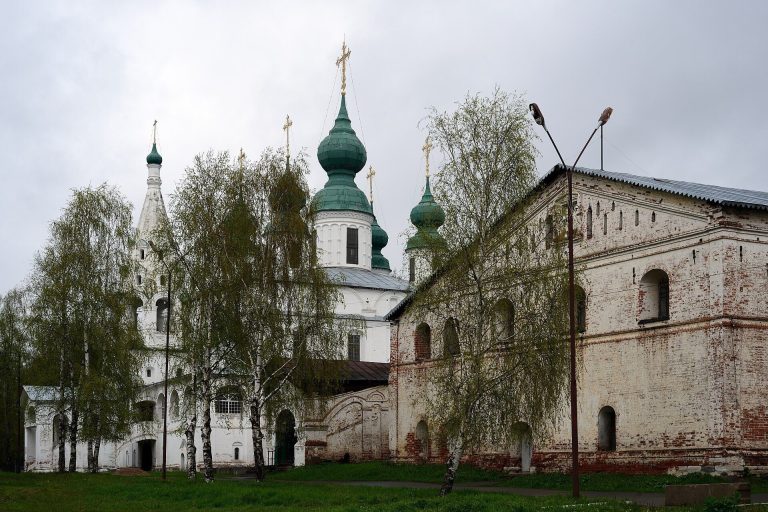
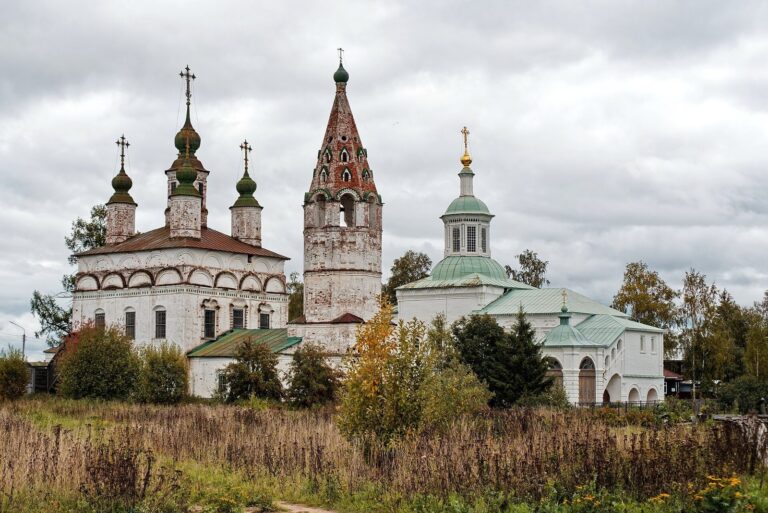
Aksentyevskoye Hillfort (Osinovets): A Medieval Fortified Settlement in Russia
Site at a Glance
- Popularity
- Very Low
- Country
- Russia
- Primary era
- Medieval
- Eras represented
- Medieval, Early Modern, Modern
- Civilizations
- Russian
- Site type
- Military
- Remains
- Fort
On this page7 sections
History
Aksentyevskoye Hillfort (Osinovets), near Aksentyevskaya village in Russia, is a medieval fortified settlement first mentioned in 1486. Its defenses and accumulated cultural layer, the material traces of human activity at a site, indicate that it played an important part in defending Ustyug lands.
The fifteenth-century record
The Ustyug Chronicle names Osinovets in 1486. That spring, Vyatka forces besieged the town, described as belonging to Ustyug, and plundered nearby villages. Their commander, Konstantin Yuryev, a military and administrative leader known as a voivode, apparently opposed the raid. He defected to the Ustyug side with his son and was later escorted to Moscow. The Vyatka force did not capture Osinovets. Its raid on Ustyug lands prompted a campaign led by Daniil Shchenya, a Muscovite military commander, which resulted in the abolition of the Vyatka Republic, a medieval polity in the Vyatka region.
Osinovets also appears in a feeding charter from Ivan III, the grand prince of Moscow, to Ivan Plemyannikov. This type of grant assigned revenues from a territory to support an official. Early versions of the Book of the Great Drawing, a geographical work describing lands and settlements, likewise list Osinovets among the fortified places along the Yug.
A strategic point in the sixteenth century
In the sixteenth century, Osinovets occupied a strategic position at the meeting of the Yug and Pushma rivers. A route from Vyatka to Moscow, passing through Veliky Ustyug, ran through the town. During this period, a church-centered settlement called Podosinovets arose south of Osinovets on the Yug’s left bank. It later expanded and moved to the river’s right bank.
Late seventeenth century and later
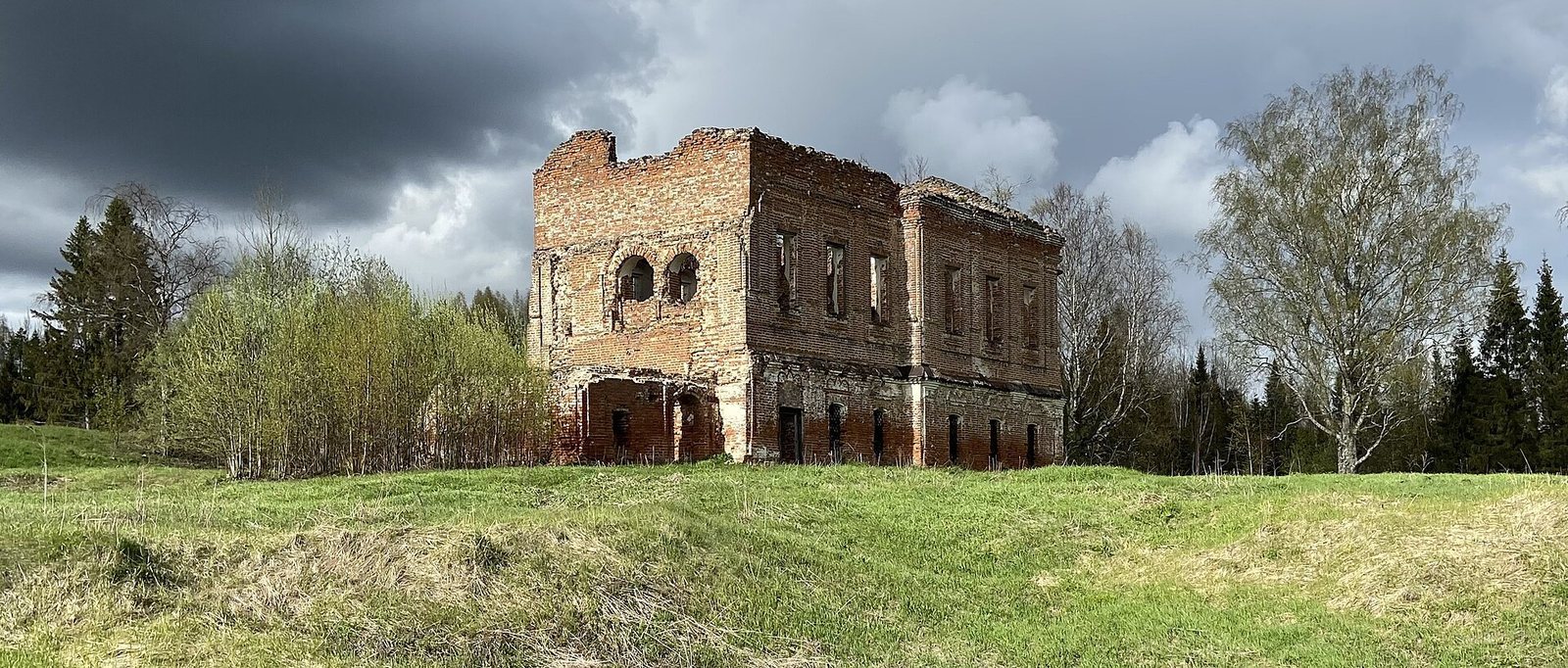
A land register from the late seventeenth century described Osinovets as an old rampart marking the place of a former small town. The Church of the Savior was built between 1810 and 1830 and remained in use until the 1930s. Aksentyevskoye Hillfort is registered as a cultural heritage site of federal significance in Russia.
Remains
The archaeological site occupies a roughly trapezoidal promontory, 19–20 metres high, on the left bank of the Chernaya River. It lies near Aksentyevskaya village and about three kilometres northwest of Podosinovets. The fortified platform covers 14,400 square metres and is enclosed by a ditch and a raised defensive bank.
Rampart and archaeological finds
The rampart measures 85 metres long, 14 metres wide, and 3.5 metres high. Pottery recovered during archaeological investigations dates from the fifteenth to the eighteenth centuries.
Church and memorial cross
Ruins of the brick Church of the Savior remain at the site of Osinovets. A memorial cross was installed at the foot of the hill in 1996.