The Tower of the Winds: A Memorial to Peter Wittgenstein in Moldova
Site at a Glance
- Popularity
- Low
- Country
- Moldova
- Primary era
- Modern
- Eras represented
- Modern
- Civilizations
- Russian
- Site type
- Civic
- Remains
- Monument
On this page7 sections
History
Commission and commemoration
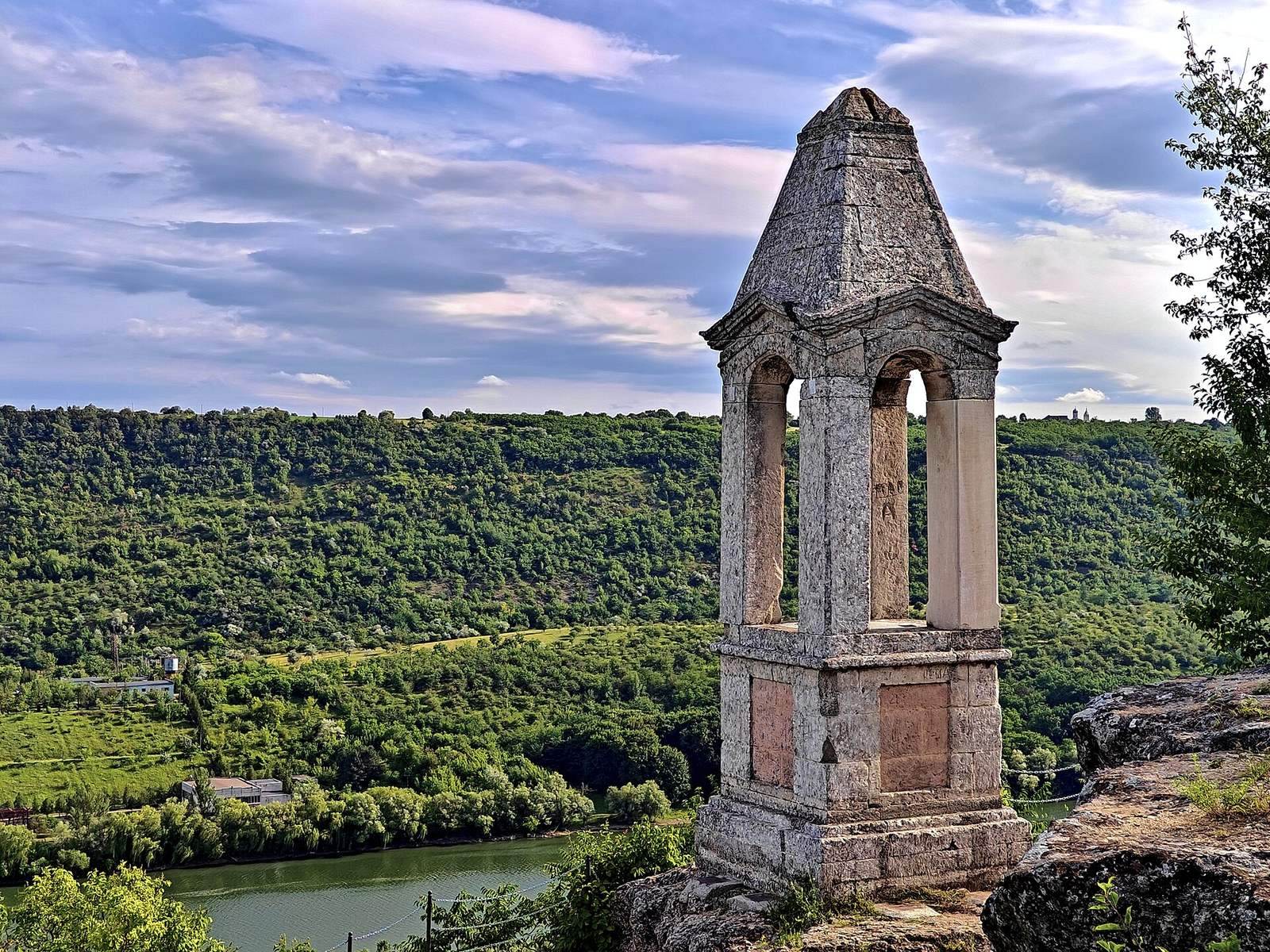
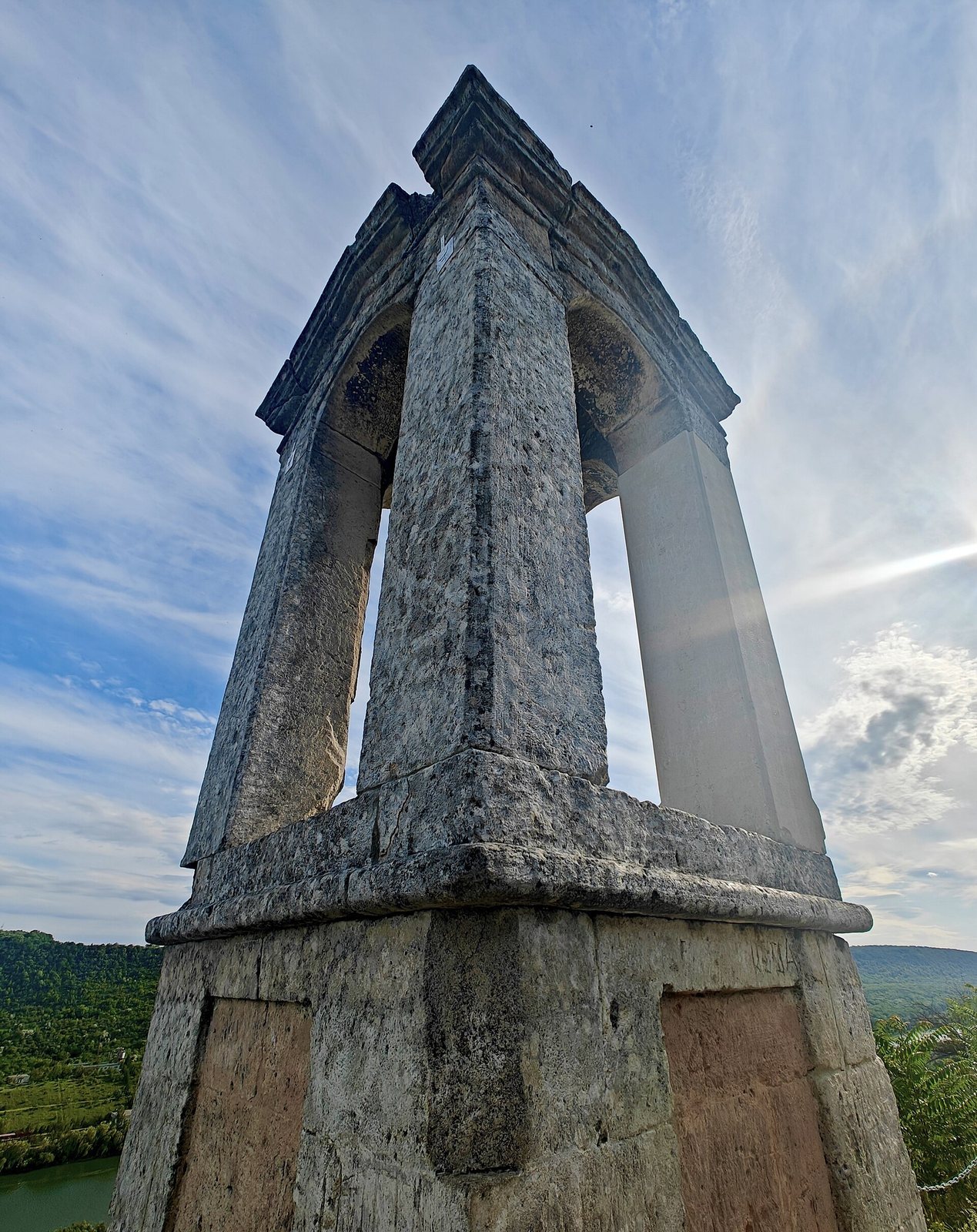
The Tower of the Winds is a stone memorial pavilion in Moldova, commissioned in 1870 by Princess Emilia Petrovna Wittgenstein-Trubetskaya in memory of her father, Russian field marshal Peter Wittgenstein. A field marshal is a senior military rank. Peter Wittgenstein had served in the War of 1812, when Napoleon’s forces invaded Russia. The tower is listed in Moldova’s register of state-protected monuments as an architectural monument of national importance.
Damage and restoration
Lightning struck the tower in 2002, and a warning sign about its dangerous condition was installed in 2006. In 2011, a district council deputy raised concerns about the tower’s condition and the danger it posed. A restoration initiative begun that year stalled because project documentation was lacking. Restoration efforts resumed in 2013.
Remains
Layout and structures
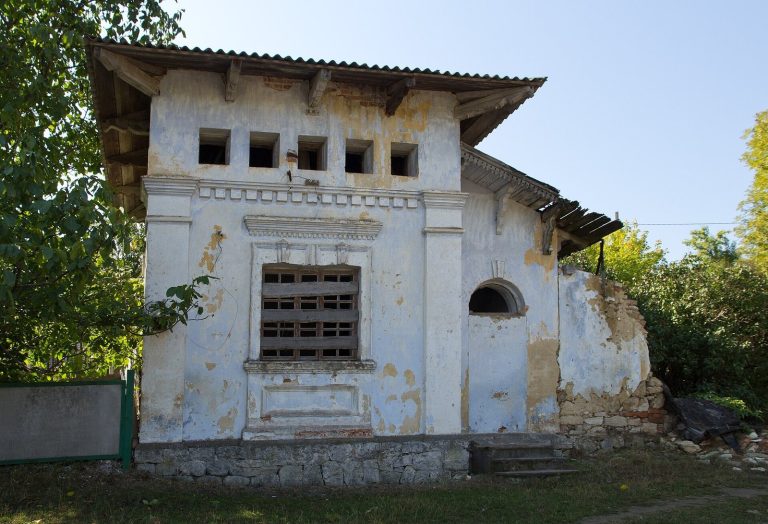
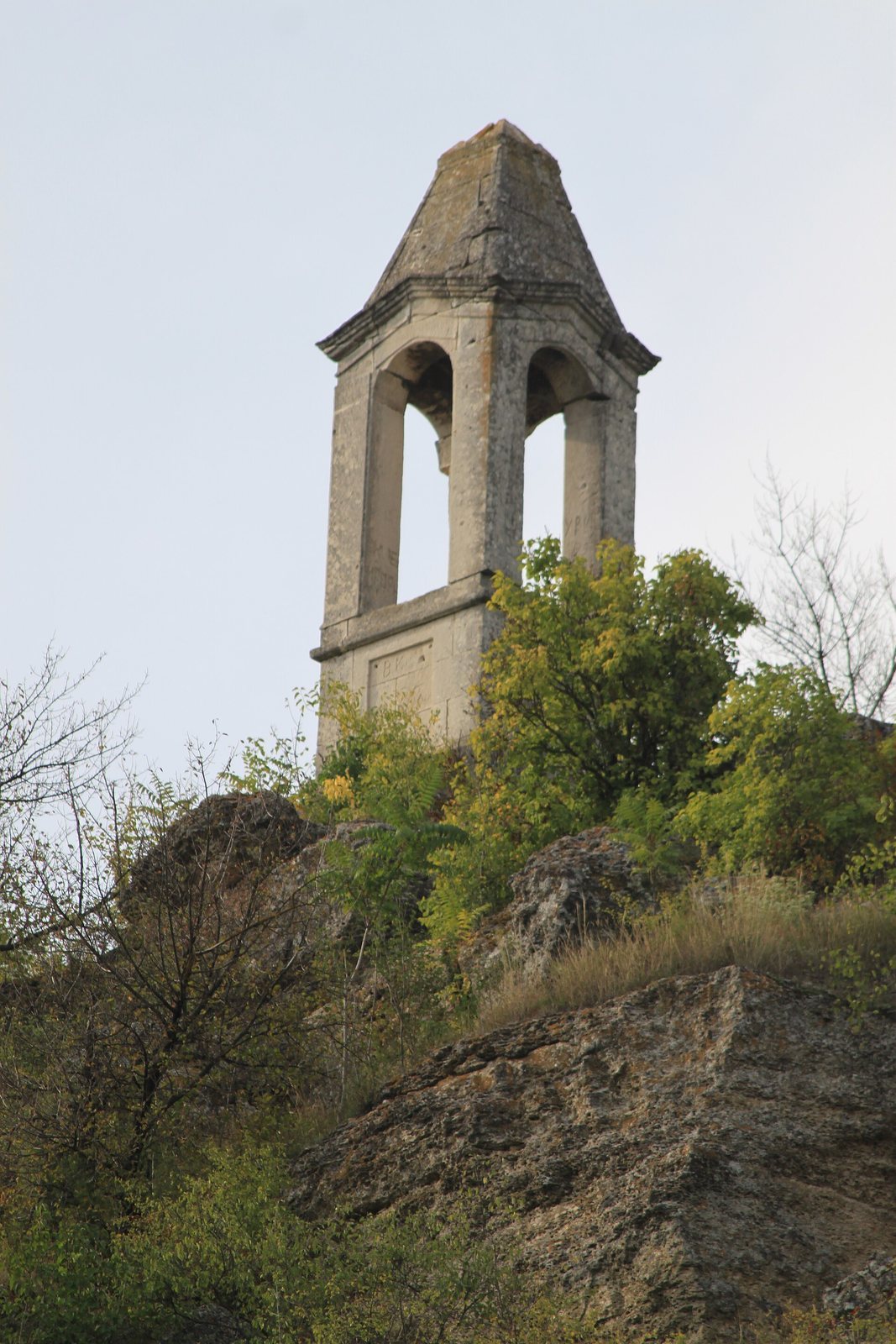
The remains include a dressed-stone pavilion on a steep cliff above the Dniester River and a small house farther down the slope.
Memorial pavilion
The pavilion is five metres high. Its four square columns support a pointed, tent-shaped roof. One column is partly destroyed, and the structure has shifted slightly toward the cliff edge. It remains in a dangerous, damaged condition.
Before the revolution, a bronze bust of Peter Wittgenstein stood inside the pavilion, accompanied by an epitaph dedicated to him by Kondraty Ryleyev. Ryleyev was a poet associated with the Decembrists, a movement linked to a failed revolt against Russian imperial rule in 1825.
House below the tower
Built at about the same time as the tower, the small house is locally known as the viewing pavilion. It overlooks the Dniester and nearby vineyards.