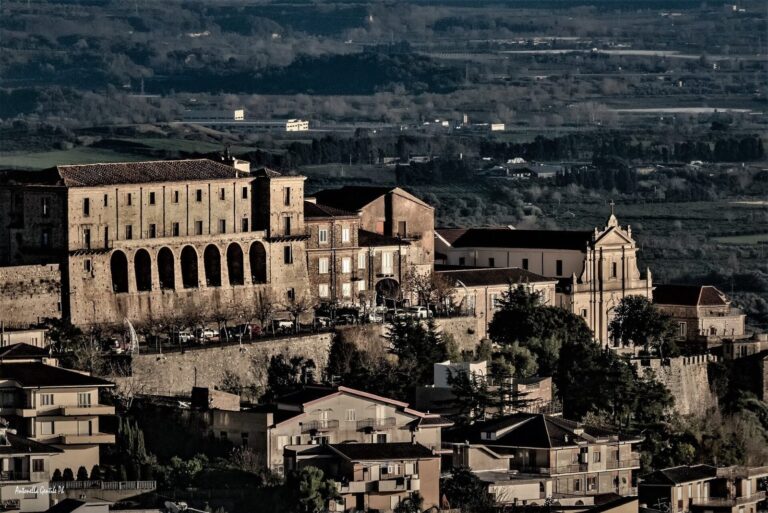
Norman-Swabian Castle: A Medieval Fortress in San Giorgio Morgeto, Italy
Site at a Glance
- Popularity
- Low
- Country
- Italy
- Primary era
- Medieval
- Eras represented
- Medieval
- Civilizations
- Norman
- Site type
- Military
- Remains
- Castle
On this page5 sections
History
The Norman-Swabian Castle is a medieval fortress in San Giorgio Morgeto, Italy, whose construction began in the eleventh century under Norman rule. Its history follows the town’s passage from Byzantine government to Norman, Angevin, and later feudal control.
Early settlement and traditions
People lived in the surrounding area during the Bronze and Iron Ages. One interpretation connects these communities with the Enotri and groups known as the Itali, Morgeti, and Siculi; another identifies them as Italic peoples displaced by the Enotri. Greco-Italic communities and later Roman populations also inhabited the area.
The area was once called Morgeto, before taking the name San Giorgio Morgeto. Local tradition credits the legendary king Morgete with founding the castle. A tradition attributed to Antiochus of Syracuse says that Morgete succeeded Italo as ruler of Calabria, then called Italia, until the Bruzi entered the region and established their capital at Cosenza.
Byzantine and Norman rule
From 840 until 885/86, Arabs also inhabited the area, where a military complex included religious buildings. The Normans, a people established in Normandy, arrived in Italy during the eleventh century. Local lords hired them as soldiers to defend southern Italy against the Saracens, a medieval European term for Muslim peoples. The Normans also served Lombard rulers, members of a Germanic people who had established a kingdom in Italy, and fought alongside Byzantine forces. These ties increased their influence in Italy. Within less than a century, they had conquered Lombard territories and coastal duchies, an expansion particularly associated with the three sons of the Norman nobleman Tancred of Hauteville.
San Giorgio remained under the Byzantine Empire, the eastern continuation of the Roman Empire, until 1076. That year, Robert Guiscard received rule over the Duchy of Apulia and Calabria, which included the castle. After nearly two centuries of Byzantine rule, the town’s population was Greek. Civic and military arrangements changed gradually, followed by ecclesiastical organization, while Greek rites continued for a long time.
Royal administration and feudal control
A royal register from 1265 placed San Giorgio Morgeto among the lands administered by the Justiciar of Calabria, a royal judicial and administrative official, alongside Polistena and Melicucco. After the Battle of Benevento in 1266, Charles I of Anjou, a member of the Angevin ruling house, conquered the Kingdom of Sicily.
The castle was placed in the care of castellans, officials responsible for a castle. The first was Guerriero di Squillace; in 1283, the Florentine judge Aldebradino de Acquerello held the office. Later feudal holders included Palmede de Riso, Blasco de Luna, Ricardo di Stella, Arnaldo da Villanova Vicesiniscalco, and the Caracciolo and Milano families. The later succession is associated with 1503 and with the period from 1568 to 1806. Successive nobles altered the castle while administering the town. It was abandoned in the sixteenth century and later underwent restoration and rehabilitation.
Remains
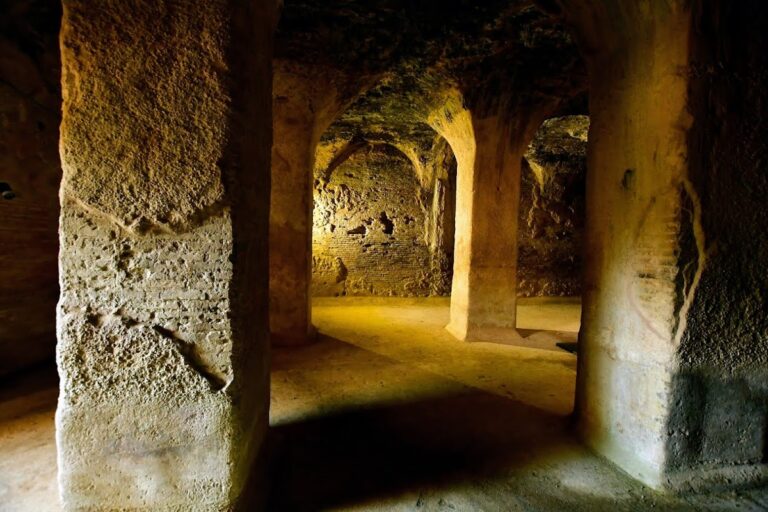
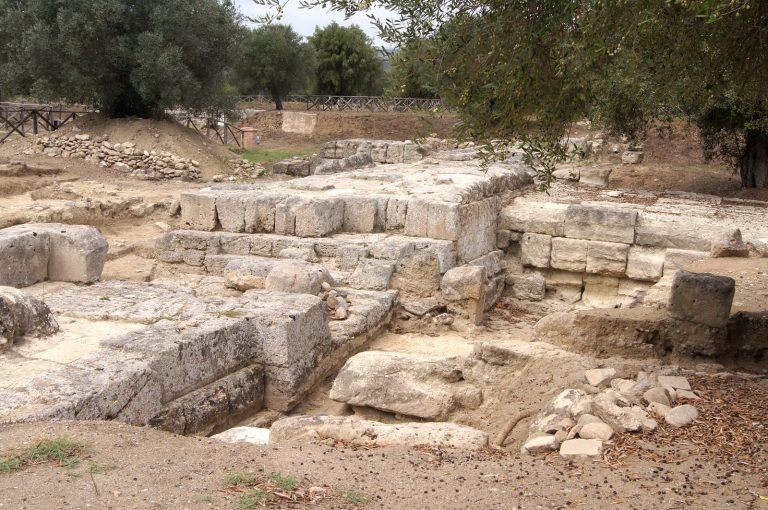
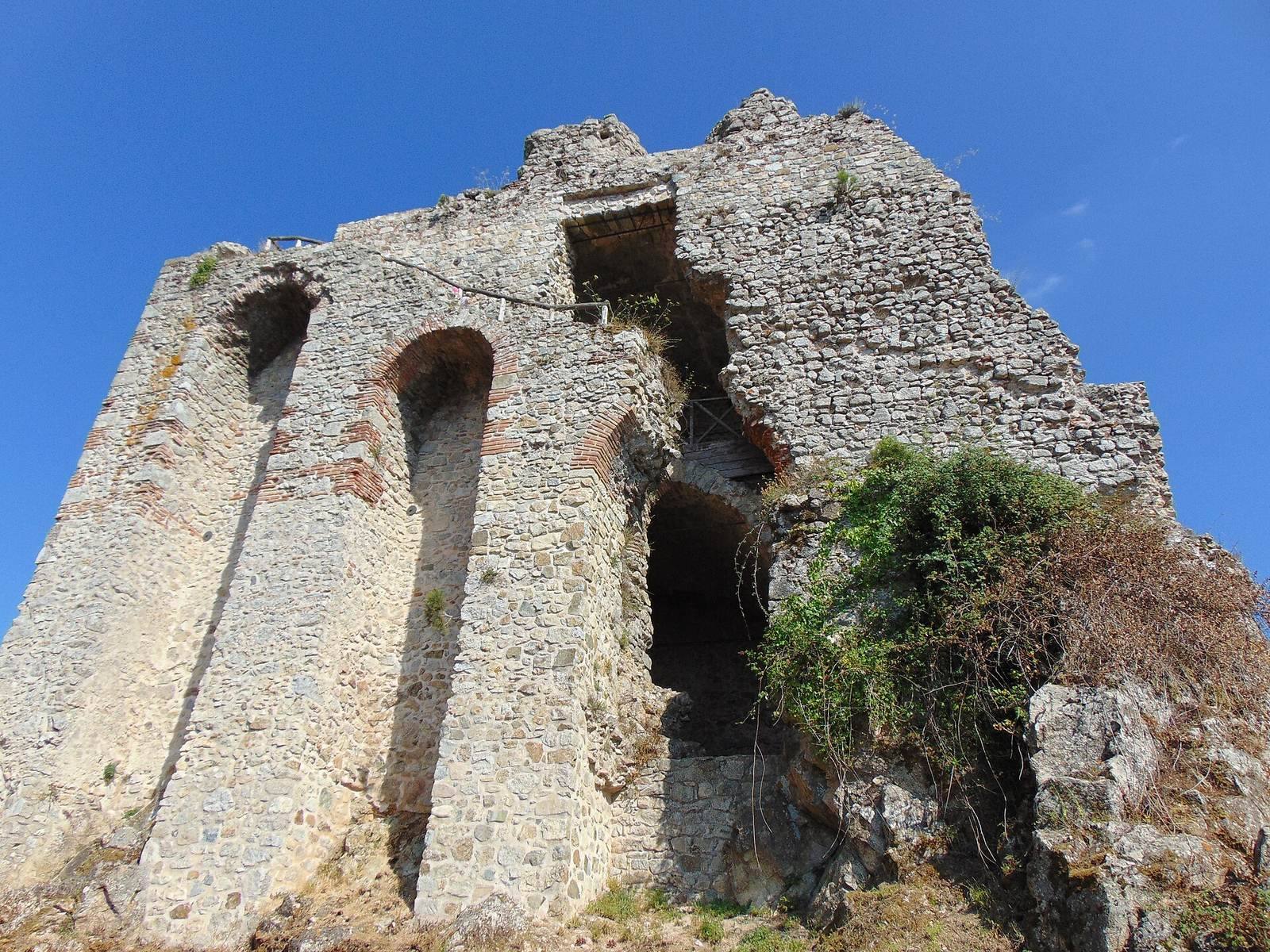
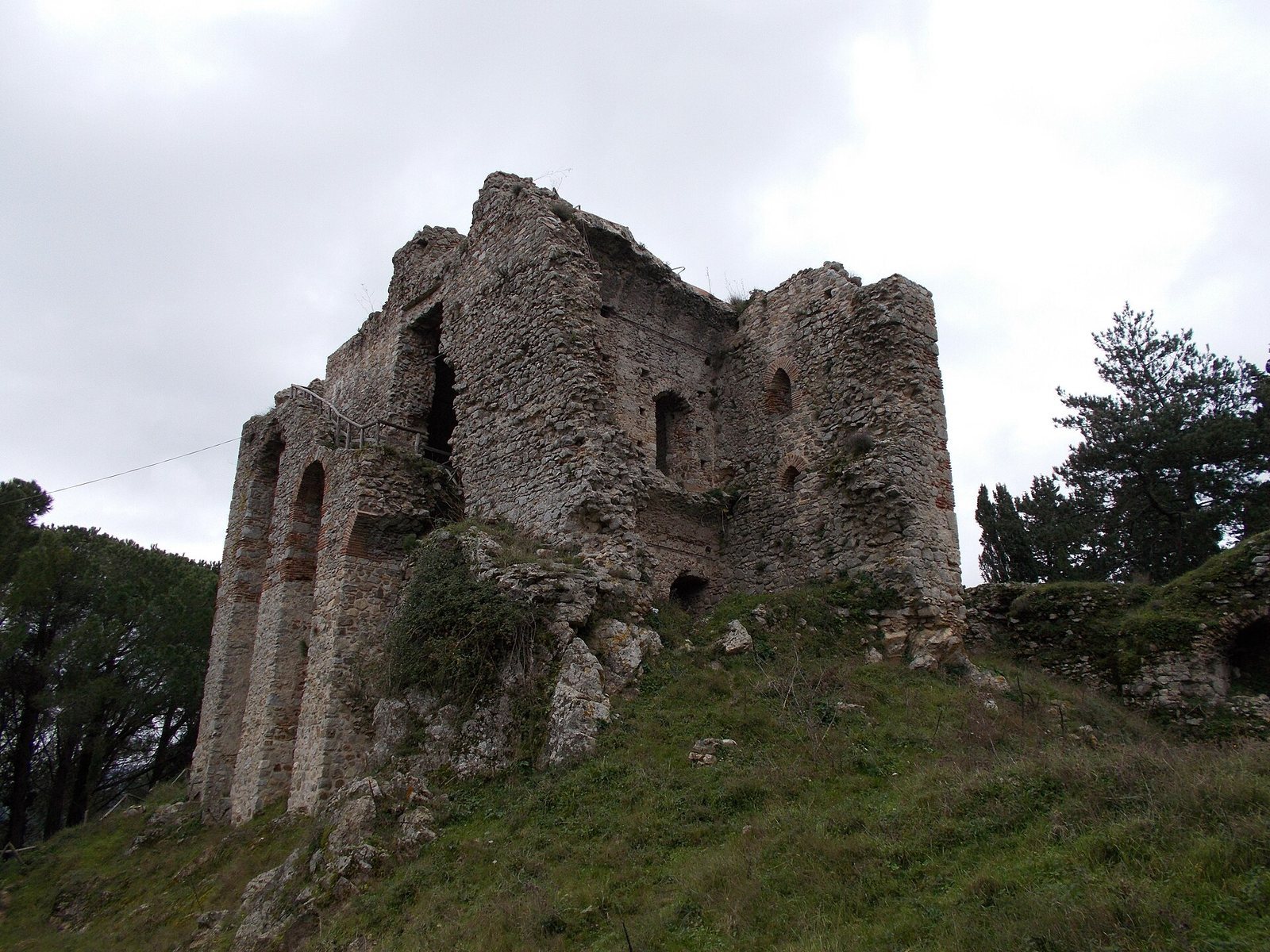
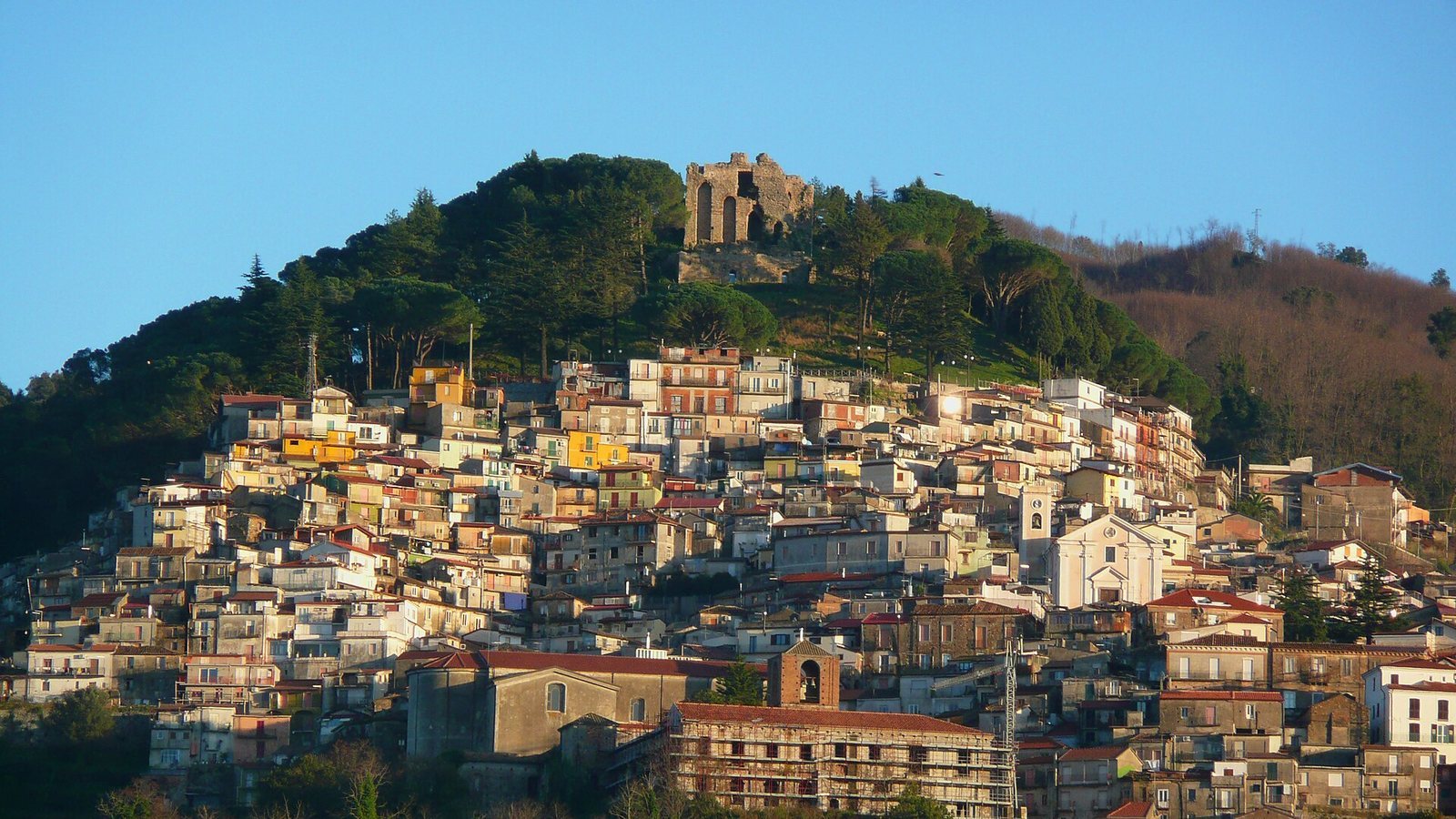
The castle occupies elevated ground in the municipality of San Giorgio Morgeto. Its surviving remains include a keep, a cistern, sections of the walls, and the bases of towers. The remains are in good condition.
A monument to the fallen of San Giorgio Morgeto, created by Fortunato Longo, is also associated with views of the castle.