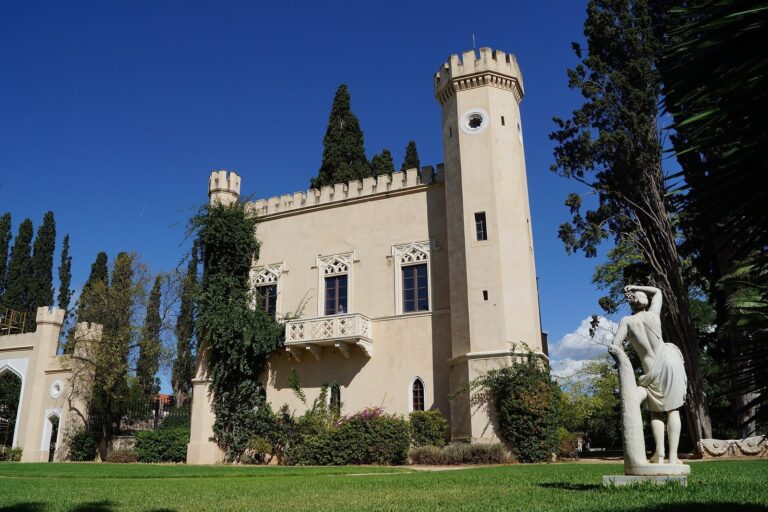
Rododafni Castle: A Neo-Gothic Summer Residence in Penteli
Site at a Glance
- Popularity
- High
- Country
- Greece
- Primary era
- Modern
- Eras represented
- Modern
- Civilizations
- Greek
- Site type
- Domestic
- Remains
- Castle
On this page6 sections
History
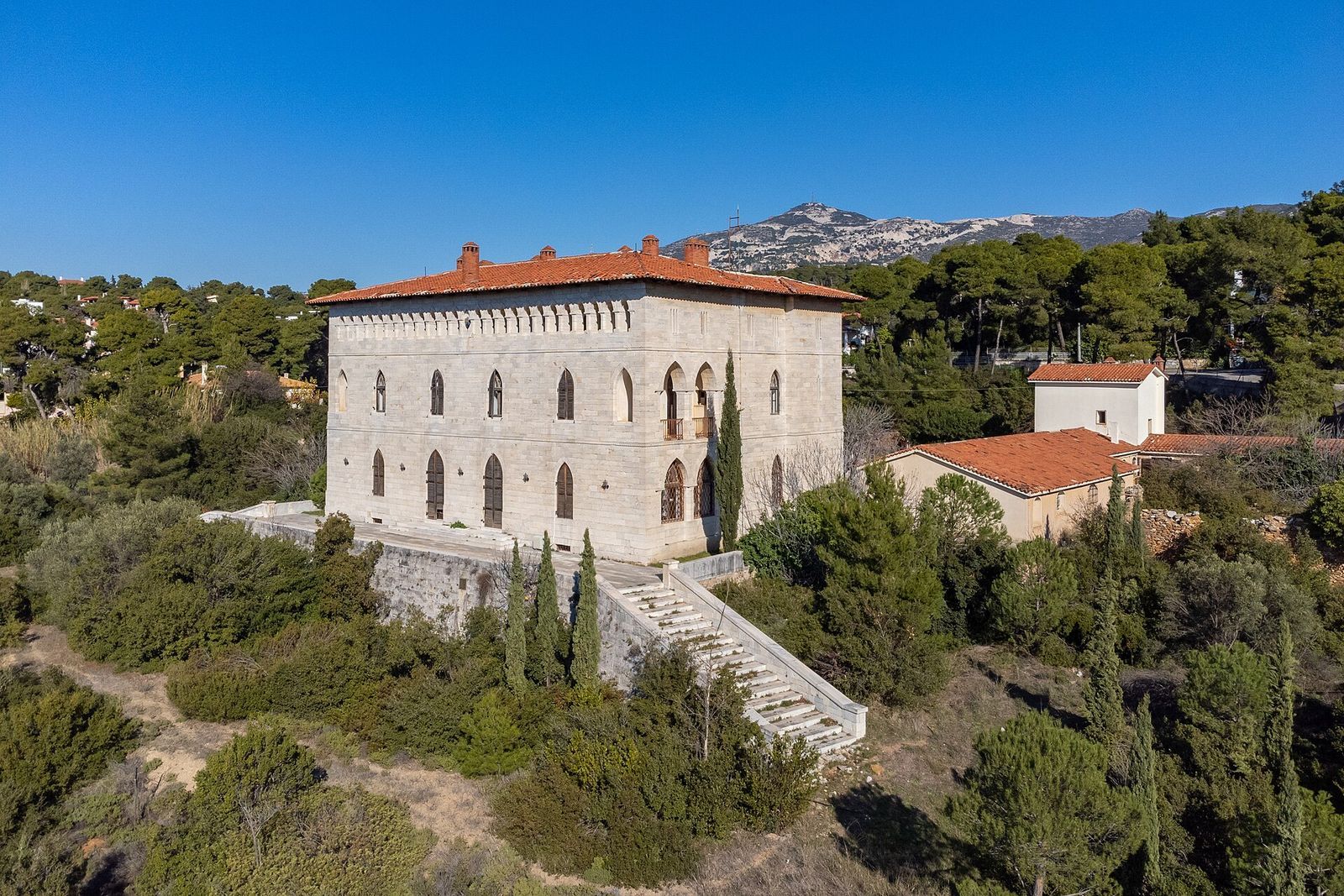
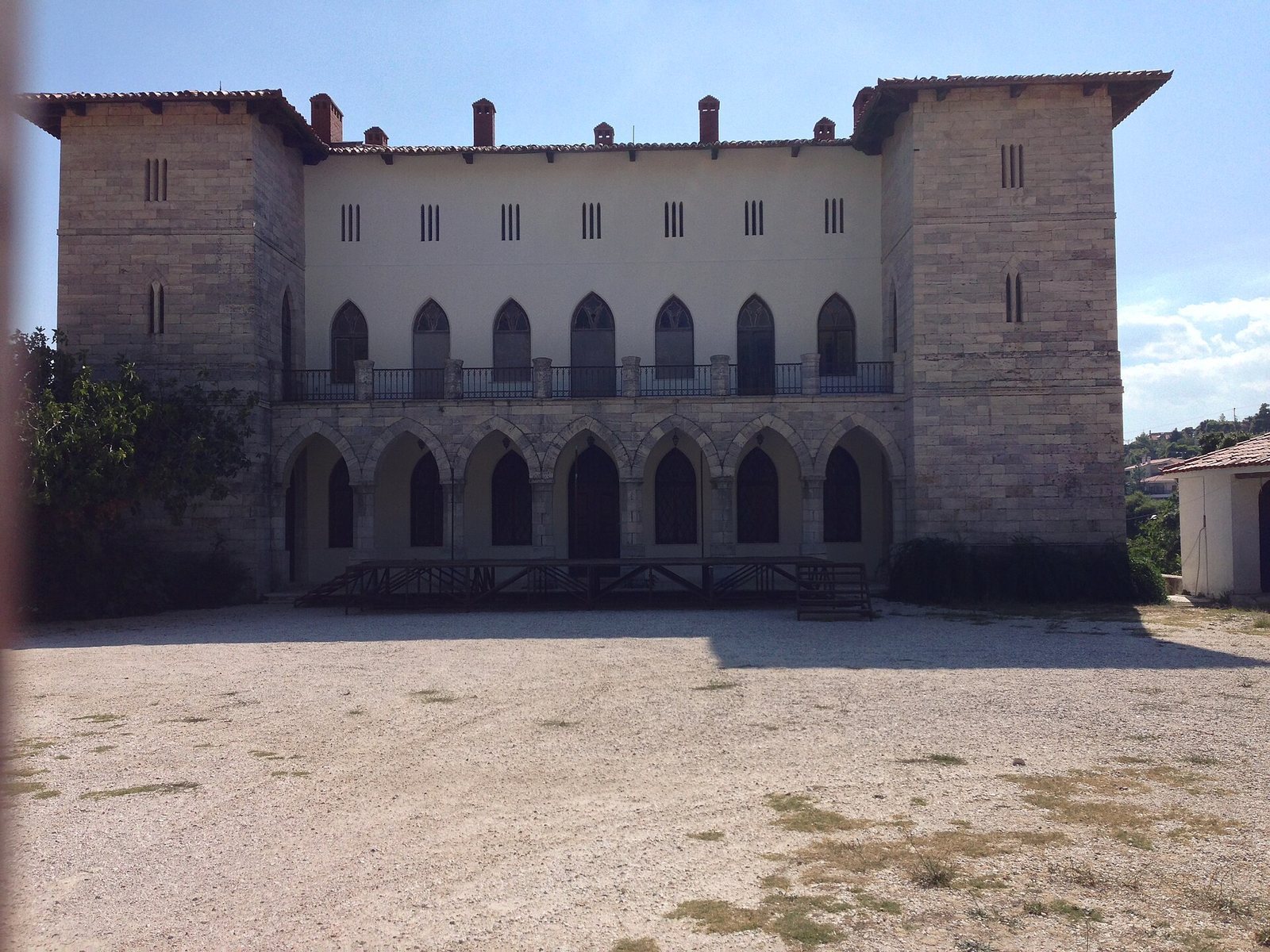
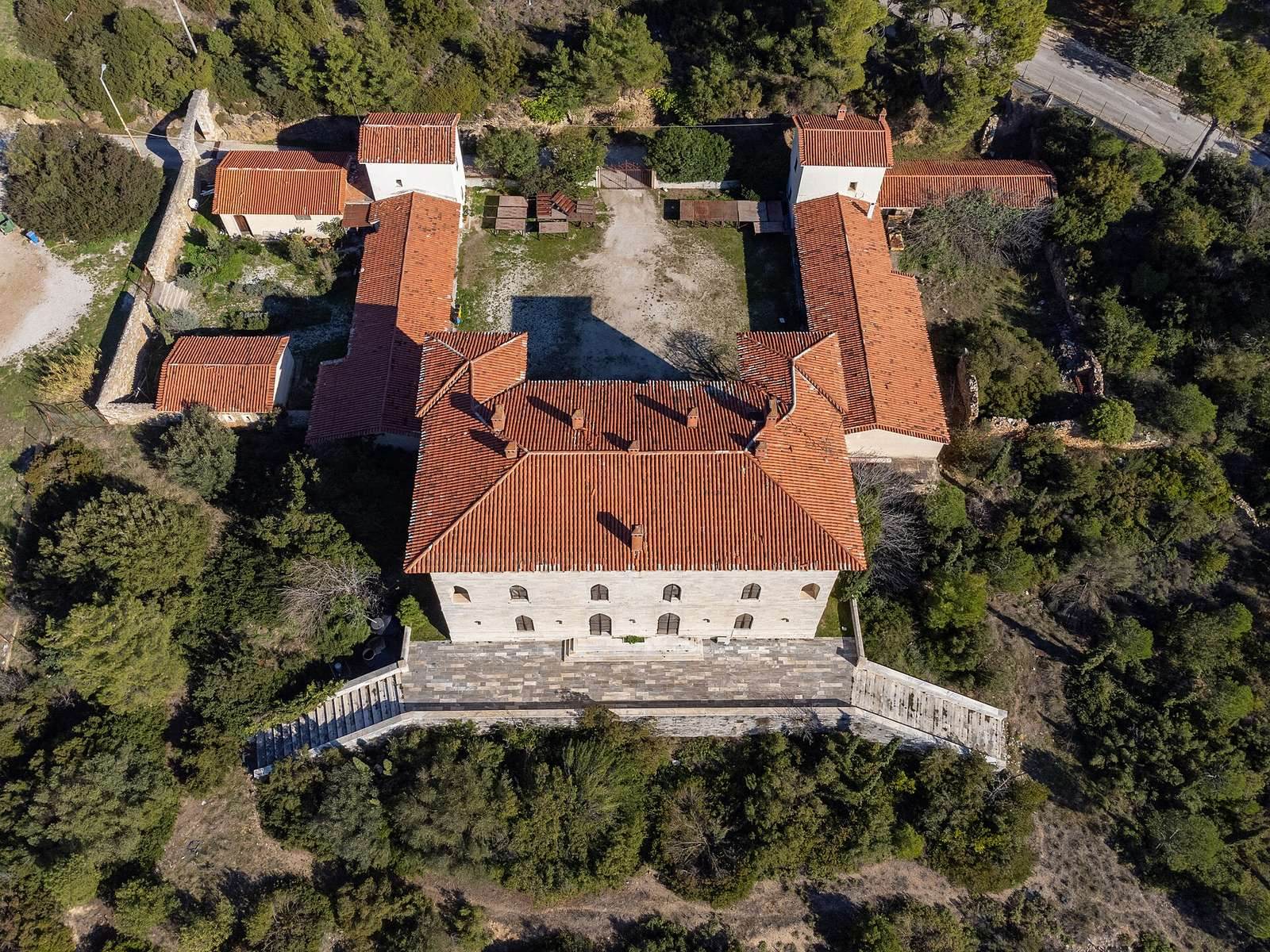
Rododafni Castle, also known as the Tower of the Duchess of Plaisance, stands in Penteli, Greece. Begun in 1840 in the Neo-Gothic style, a nineteenth-century revival inspired by medieval Gothic architecture, it was planned as a summer residence for Sophie de Marbois-Lebrun, Duchess of Plaisance, and a resting place for her daughter Caroline-Elisa (1804-1837). The name Rododafni refers to the oleander, also called rosebay.
Acquiring the Penteli estate
After separating from her husband, the Duchess settled in Greece and acquired extensive property in Athens and Attica, especially around Penteli. She built at least six residences, two in Athens and four in Penteli. Villa Ilissia was her principal home in Athens and her winter residence; Rododafni was intended for summer use.
Her plans to purchase land in Penteli faced resistance from the Penteli Monastery, which informally claimed authority over the mountain in connection with the spread of ascetic religious life there from the Middle Ages. The Greek government intervened in support of the purchase, particularly through Ioannis Kolettis, a statesman with pro-French political views. The Duchess pledged public-benefit works in the area. In 1840, she acquired 1,738 stremmata, a Greek land measure of 1,000 square metres, for 7,512 drachmas.
Construction and completion
Construction started in 1840, but the Duchess died in 1854 before the castle was finished. It was completed shortly afterward. Greek literary tradition credited the design to one architect, while later historical work identified a different principal designer; other contributors worked on auxiliary buildings and construction across the estate.
French writer Edmond About recorded a local legend that the Duchess left her Penteli buildings unfinished, without roofs or windows, because she feared she would die if one were completed. The castle itself was completed after her death.
State ownership and later uses
After the Duchess died, her nephew sold the estate, and it passed to the Greek state. The castle remained uninhabited and in ruins for more than a century. State-funded renovation began in 1959 and was completed in 1961.
The restored building was intended as a country residence for the Greek crown prince. Constantine II lived there from 1961 to 1964, while he held that title. The Municipality of Penteli now uses the castle as a cultural centre and library and hosts cultural events there.
Remains
The castle stands on Koufos Hill, on the slopes of Mount Pentelicus. Its construction used locally quarried Penteli marble.
Associated estate works
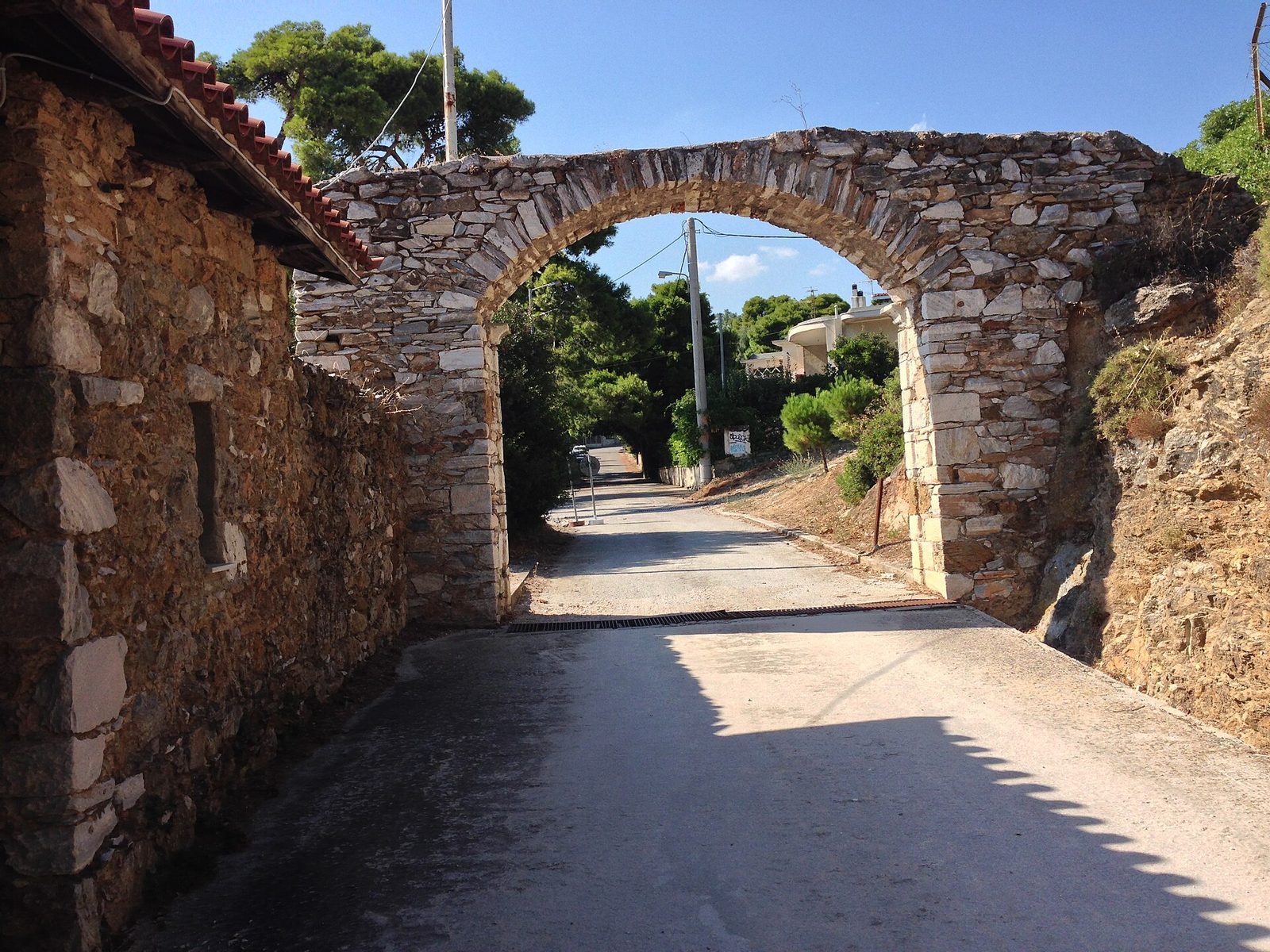
The Penteli estate included three additional houses called Maisonette, Plaisance and Tourelle. Other works included a five-arched marble bridge spanning a ravine, fountains, two marble quarries, a dormitory for quarry workers and roads cut through Penteli.