Queen’s Tower: A Neo-Gothic Palace on a Former Royal Estate
Site at a Glance
- Country
- Greece
- Primary era
- Modern
- Eras represented
- Modern
- Civilizations
- Greek
- Site type
- Domestic
- Remains
- Palace
On this page8 sections
History
From Ottoman land to royal estate
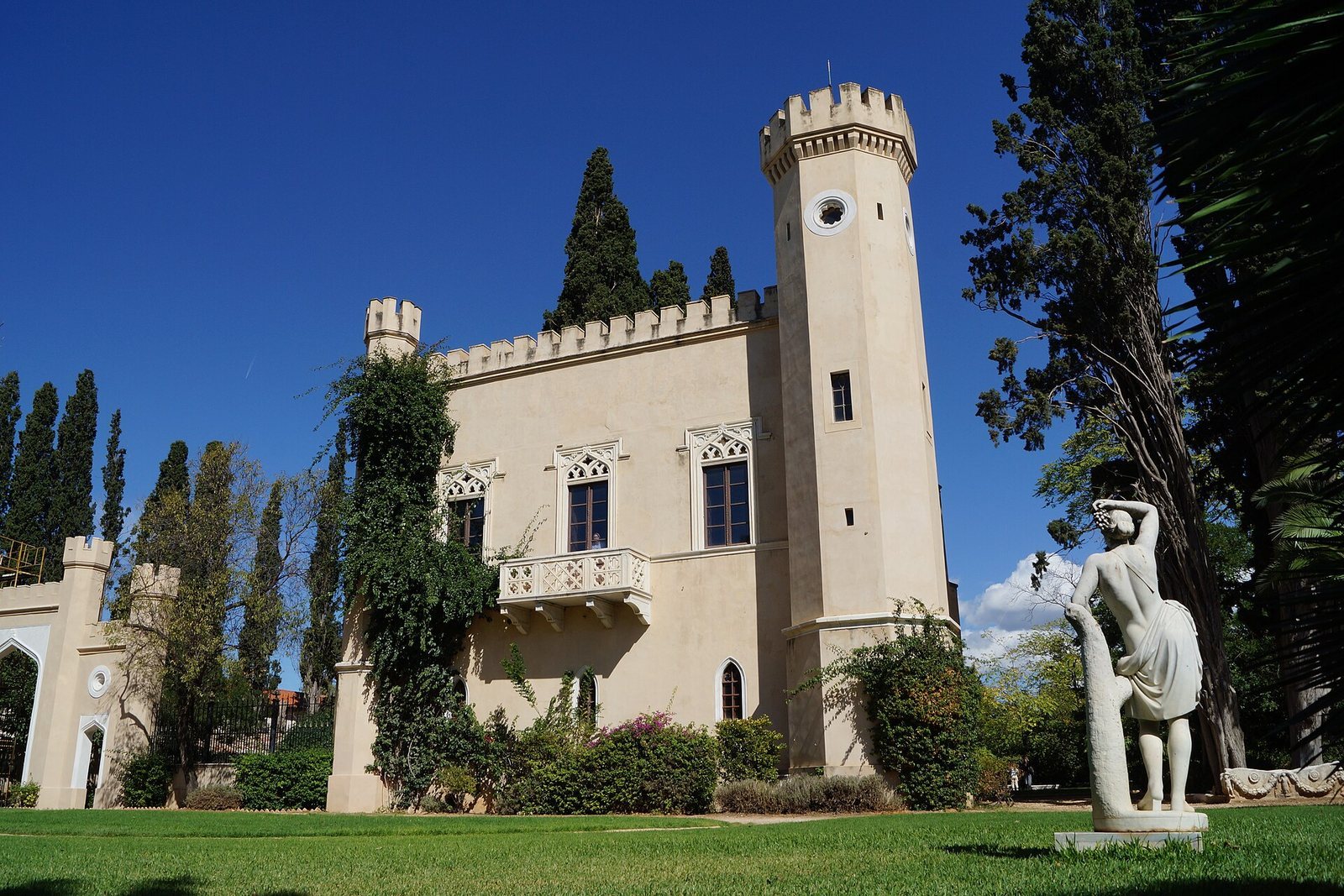
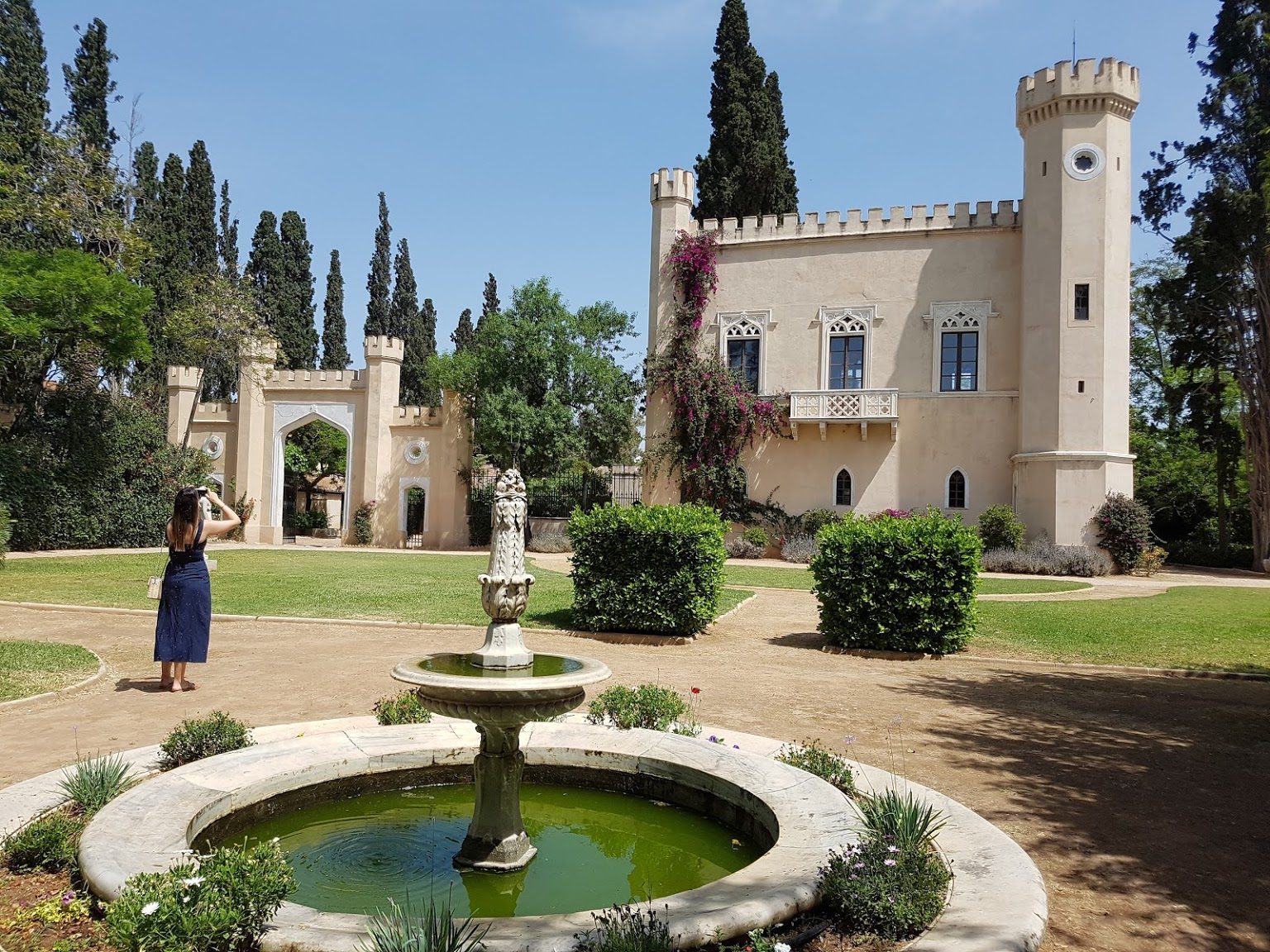
Queen’s Tower is a small Neo-Gothic palace in Ilion, Greece, near Athens, which King Otto had built for his wife, Queen Amalia of Oldenburg. It was inaugurated in 1854. Otto was the first king of modern Greece, and he acquired the surrounding estate in the early 1850s.
During Ottoman rule, Turkish proprietors owned the land. It was confiscated during the Greek War of Independence, the struggle that ended Ottoman rule in Greece, and later passed first to Greek buyers and then to British purchasers John Williams and George Myles. They planted fruit trees and vines and developed a modern farm.
Royal residence and changing ownership
The palace’s inauguration took place on 13 August 1854, the birthday of Otto’s father, Louis I, king of Bavaria. Amalia regularly rode to the estate, while Otto showed little interest in the residence. In 1857, she commissioned an artificial hill to recall Constantinople’s seven hills. Constantinople, now Istanbul, had been the Byzantine Empire’s capital and held an important place in Greek culture. Amalia named the estate Eptalofos, meaning “seven hills.”
After Otto was deposed in 1862, the state confiscated the palace. King George I later returned it to Otto and Amalia, who were living in exile in Bavaria. Following Amalia’s death in 1875, the estate passed to Baron Simon Sinas. Georgios Pachys acquired it in 1878, and it later became the property of his son-in-law Fernandos Serpieris. Serpieris’s descendants continued to own the estate.
Land division and later uses
The estate once covered about 200 hectares. During the interwar period, a law restricting large landholdings led the state to nationalize most of it, leaving 25 hectares. Much of the nationalized land now forms Antonis Tritsis Metropolitan Park.
The former royal estate later became a museum, while a dairy and winery operate there. The estate’s bottled wine is called Tour la Reine. It also featured in the 1914 film Golfo.
Remains
Palace and estate landscape
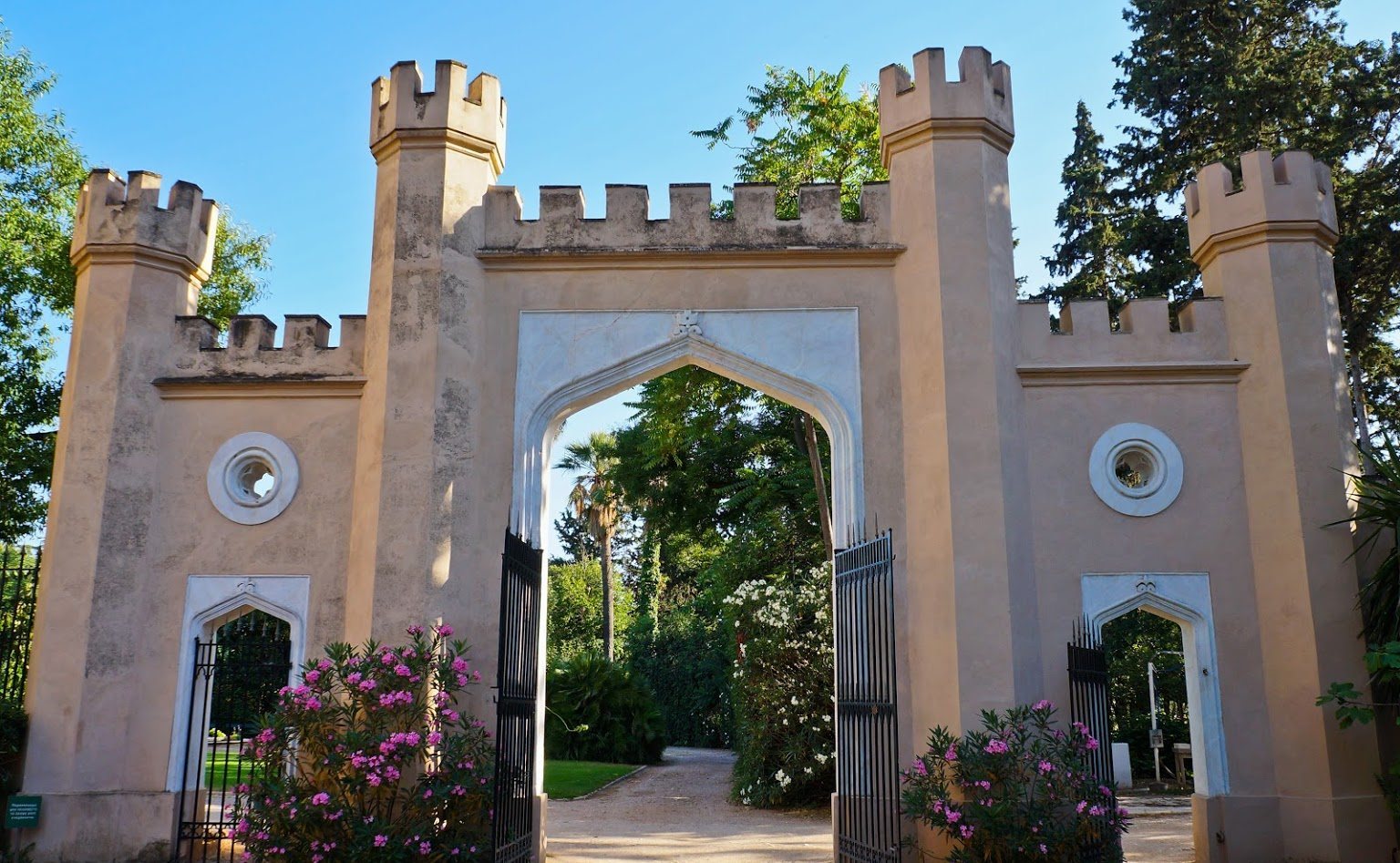
The surviving site is organized around a small Neo-Gothic palace within the former estate grounds, beside Antonis Tritsis Metropolitan Park.
Queen’s Tower
The palace was built over the ruins of an earlier tower. Its own single tower gave the building its name. The palace resembles Hohenschwangau Castle in Bavaria, built for Otto’s brother, Maximilian II, who was also a king of Bavaria. Boulanger and Theophil Hansen are identified as the palace’s architects. Boulanger and landscape designer Louis-Pierre Bareaud also contributed to the original estate’s design.
Estate hills
The grounds included six natural hills and one artificial hill.